







































_2026-10-13_14-11-48.png)


What Is Non-Sleep Deep Rest And Is It Good For Me?
Tired but wired? Non-sleep deep rest is a science-backed form of guided meditation that helps you reset faster, sleep better and lower stress. All you need is 20 minutes.

Written by: Pippa Thackeray
Written on: 28 July 2025
Non-sleep deep rest, or NSDR, is a term coined by Stanford neuroscientist Dr Andrew Huberman to describe a set of guided techniques that have the ability to shift your brain into a calm, focused state.
“Rather than trying to think your way into feeling relaxed, you lean into a state of physical relaxation that your nervous system then matches.” – Dr. Andrew Huberman’s Guide to NSDR
Most importantly, this is not a nap. Without actually falling asleep, you can drop into deep physiological relaxation using this specially formulated mix of breathwork and focused attention, giving your nervous system a reset, all in under 20 minutes.
It’s ideal for those who are always on the go, physically or mentally, or both. For high performers, frequent travellers or anyone managing long days and restless nights, NSDR is gaining a solid reputation as the go-to tool for immediate recovery without the need for a full nap, attracting the attention of the scientific community and rapidly mounting anecdotal evidence.
For those working or studying, it can be used as a mid-day brain boosting technique to power through the post-lunch hours with renewed mental agility.
So, if you feel exhausted and yet your mind is busy doing somersaults every time you close your eyes, this one could be for you.
NSDR: Is it sleep? Is it meditation?
NSDR helps reduce “meta-anxiety”, that’s the stress you can feel about being stressed. To do so, it lives in a space somewhere between sleep and meditation and utilises the restorative benefits of both.
An NSDR practice usually takes the form of breathwork, body scan and visualisation. And, although NSDR draws heavily upon ancient and long-established practices, primarily Yoga Nidra, sleep hypnosis and sleep meditation, it is framed in a more accessible way, without the need to understand Yogic terminology or other complex phrasing.
How to practice NSDR
“In environments where you can’t lie down, sitting comfortably will work just fine.” – Dr. Andrew Huberman’s Guide to NSDR
Number one, get yourself comfortable. Step two, simply listen, your body will do the rest.
The aim here is simple: to switch off rumination, reduce cognitive load and re-centre the nervous system.
Huberman himself has posted a volume of YouTube videos dedicated to this practice, using his own voice and words. Alternatively, you may wish to check out Kelly Boys; her Yoga Nidra and NSDR videos are recommended on the Huberman site.
For daytime NSDR, you’re meant to stay observant and concentrated throughout (i.e. not fully asleep), but your body and brain begin operating as though in a light sleep state. Heart rate drops, breath slows and cortisol levels start to fall, allowing you to emerge clearer, calmer and more grounded.
NSDR at night (in bed), can help you drift off into a restful slumber, it also helps to calm the anxieties people face about getting a good sleep. More on this later.
How NSDR works on your nervous system
When you practise NSDR, your sympathetic nervous system, the one that keeps you alert and wired, begins to quieten, while your parasympathetic system takes over. This transition supports:
- Lower blood pressure and a slower heart rate
- Reduced cortisol
- Natural dopamine release, improving motivation and mood
- A shift in brainwave activity towards alpha and theta states, the same patterns linked to deep creativity and calm
Huberman also highlights how NSDR can support neuroplasticity, making it a powerful tool to consolidate learning after study or work.
Not a nap
Napping is not everyone’s greatest friend. For some, naps can leave an undesirable aftereffect of grogginess and low mood. It may also disrupt sleep at nighttime.
Therefore, NSDR makes for a good nap alternative. It gets the brain into a state of, what Huberman calls, 'alert yet calm'. This mental state is needed to replenish dopamine levels and decrease cortisol.
The pathways for focus are not directly stimulated by NSDR, but after the practice the neural pathways leading to better cognition may be activated.
Even 10 minutes of practice has been shown to be of benefit, but Huberman encourages us to try to extend this to 20 or 30 minutes, if possible. He says the postprandial dip, also known as the dreaded afternoon energy slump, can be overcome with NSDR, if practiced before around 2pm.
Capacity for learning and memory: what the research says about NSDR and Yoga Nidra
Research into both NSDR and yoga nidra shows that this type of guided rest affects the brain and body in measurable ways. Two studies in particular stand out.
1. Just 13 minutes a day can improve memory, focus and stress response
In one study, participants with no meditation background followed a daily 13-minute guided practice. After just 8 weeks, they showed improvements in memory, attention and emotional regulation.
They also responded more calmly to stressful challenges compared to those who didn’t follow the practice.
Interestingly, these benefits didn’t appear at the four-week mark, which suggests that regular practice over time is key.
2. Yoga Nidra increases dopamine in the brain’s reward centre
Another study looked at what happens in the brain during yoga nidra using PET scans. The results showed a 65 percent increase in dopamine levels in a part of the brain called the ventral striatum.
This area is closely linked with motivation, mood and reward. In other words, the brain was often observed to move into a more focused and positive state during the session.
Researchers also recorded a rise in theta brainwaves, a signal that the mind had moved into a deeply relaxed but still alert state. Participants described the experience as calm, immersive and mentally vivid, even though they were fully awake throughout.
This finding is especially relevant because many NSDR protocols are built directly on the structure and principles of yoga nidra.
Benefits backed by research
Documented benefits include:
- Improved sleep and general wellbeing
- Reduced anxiety, stress and irritability
- Decreased symptoms of depression
- Fewer headaches and reduced muscle tension
- Lowered inflammation and better immune function
The physiological effects aren’t just a one-off. With regular practice, NSDR can help regulate your stress response long term, even helping people wind down after sleepless nights.
NSDR vs naps?
Researchers haven’t directly compared NSDR and daytime napping, but according to Huberman, the effects can be similar, especially in terms of clarity and mental reset.
The key difference lies in reliability. You might not always be able to fall asleep on cue, particularly during a stressful day, but NSDR gives you a replicable structure for full-body calm whether or not sleep arrives.
Who is it for?
NSDR is designed for anyone who needs a structured way to switch off. That includes:
- People who struggle to nap but need a midday recharge
- High-pressure professionals managing constant mental load
- Students looking to retain focus and memory
- Anyone battling disrupted sleep or burnout
You can practise lying down, sitting in a chair or even reclined at your desk with headphones in or speaker on.
5 ways to optimise your NSDR practice
For a more immersive experience:
- Set a daily time to help your nervous system anticipate rest
- Use a guided track such as Huberman’s 10-minute NSDR to stay focused
- Lie down flat if possible, allowing full muscular release
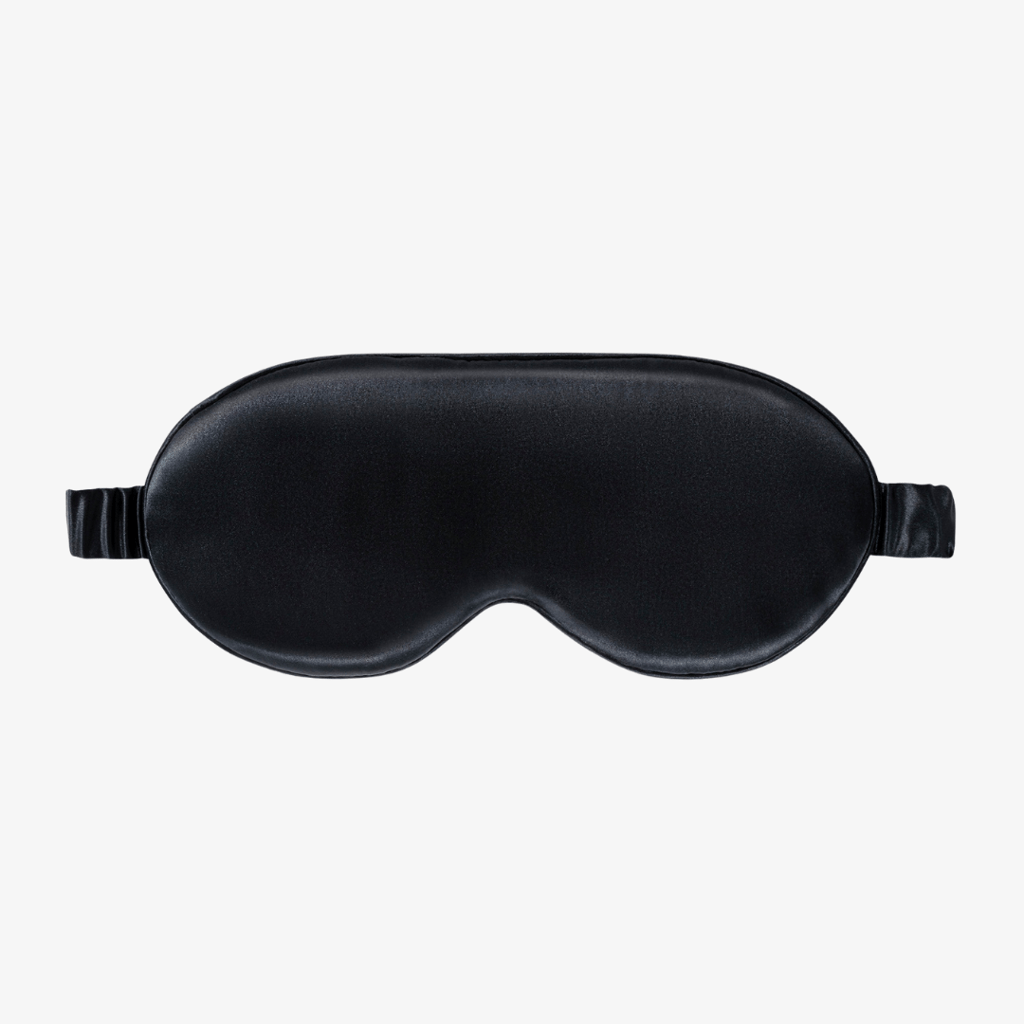
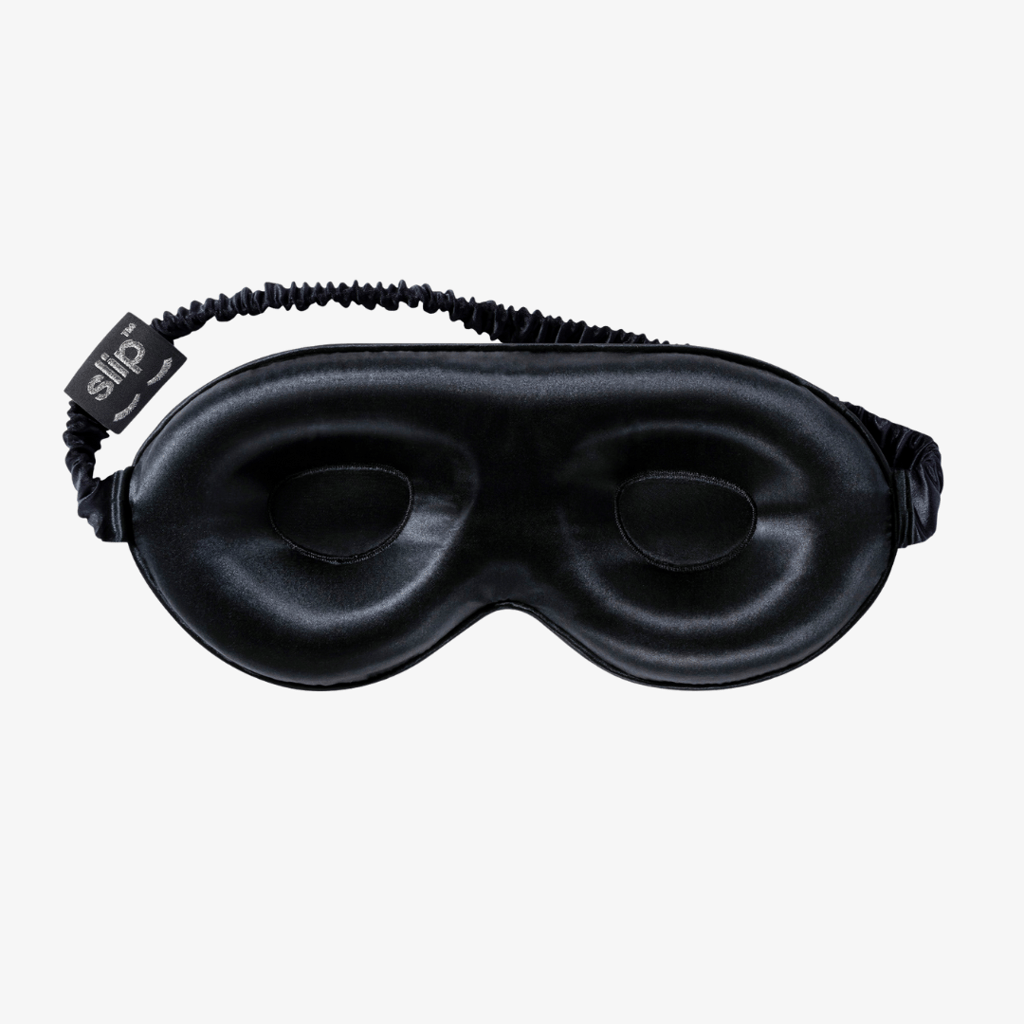
- Add a sleep mask like the Slip Contour Sleep Mask to reduce light and sensory noise
- Stay warm and comfortable, especially if lying still for more than 10 minutes
Upgrade your rest with targeted tech
NSDR works well on its own, but smart rest devices can create a more tailored experience. These tools are designed to work with your body, helping you achieve deeper calm without guesswork.
TheraBody SmartGoggles are designed for relaxation and tension relief, these goggles use warmth, vibration and massage to soothe the face and head, adjusting in real-time based on your biometrics.
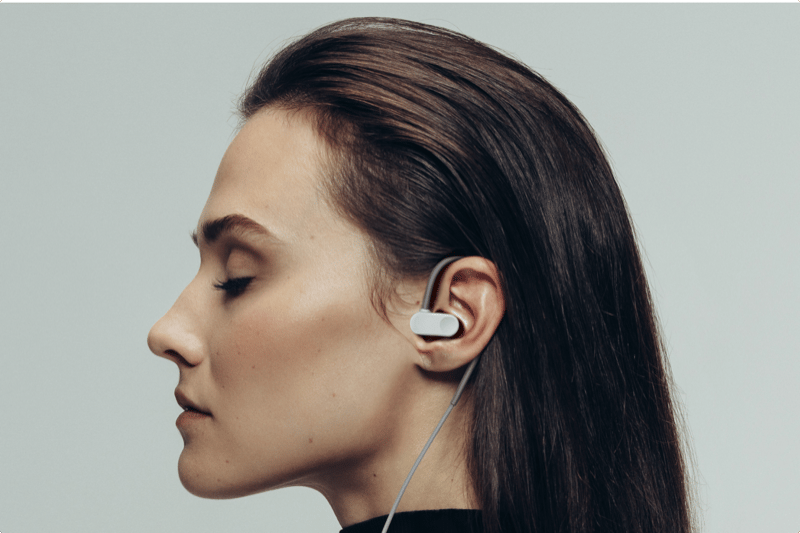
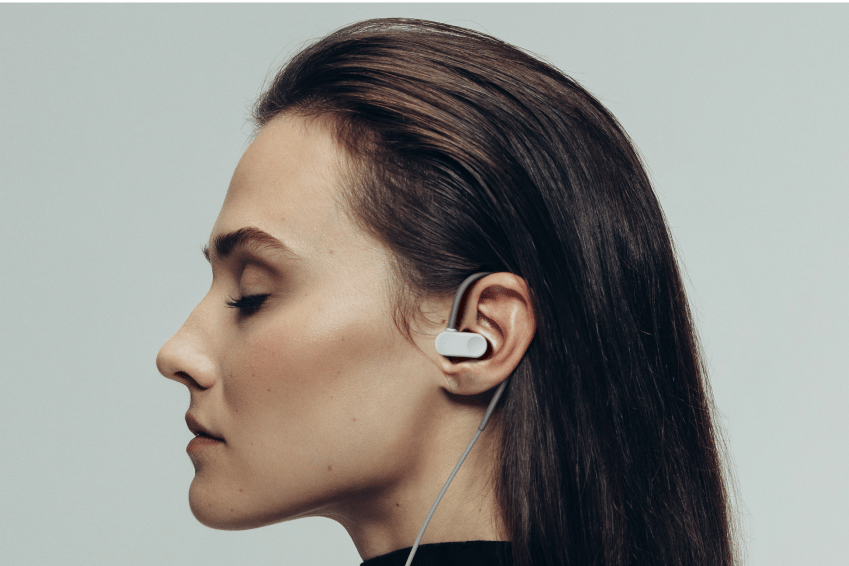
Philips Sleep Headphones with Kokoon are lightweight and ideal for lying down, these headphones block outside noise while monitoring your rest. Paired with the Kokoon app, they personalise your soundscapes and give insight into your sleep quality, even during short NSDR breaks.
What you should know about NSDR
- NSDR is a structured practice for dropping into calm while remaining awake
- Coined by Dr Andrew Huberman, it includes breathwork, body awareness and attention control
- It supports reduced stress, better mood, improved sleep and sharper cognitive function
- Unlike naps, NSDR doesn’t rely on falling asleep
- Sleep tech tools can enhance the experience by improving comfort, immersion and personal feedback
Shop SLEEP at Healf and discover cutting-edge tools to help you rest deeper, recover faster and reset your body and mind.



References:
1. Huberman Lab (2024). NSDR, Meditation and Breathwork. https://www.hubermanlab.com/topics/nsdr-meditation-and-breathwork
2. Ferreira-Vorkapic, C., Borba-Pinheiro, C. J., Marchioro, M., & Santana, D. (2018). The impact of yoga nidra and seated meditation on the mental health of college professors. International Journal of Yoga, 11(3), 215–223. https://pubmed.ncbi.nlm.nih.gov/30233115/
3. Bechard, D. (2023, July). The Huberman Effect. Stanford Magazine. https://stanfordmag.org/contents/the-huberman-effect
4. Huberman Lab (2021, October 29). Teach & Learn Better With a “Neuroplasticity Super Protocol”. https://www.hubermanlab.com/newsletter/teach-and-learn-better-with-a-neuroplasticity-super-protocol
This article is for informational purposes only, even if and regardless of whether it features the advice of physicians and medical practitioners. This article is not, nor is it intended to be, a substitute for professional medical advice, diagnosis, or treatment and should never be relied upon for specific medical advice. The views expressed in this article are the views of the expert and do not necessarily represent the views of Healf
Pippa is a content writer and qualified Nutritional Therapist (DipNT) creating research-based content with a passion for many areas of wellbeing, including hormonal health, mental health and digestive health.
As a contributor to The Healf Source, she regularly attends seminars and programmes on a plethora of contemporary health issues and modern research insights with a drive to never stop learning. In addition, interviewing experts and specialists across The Four Pillars: EAT, MOVE, MIND, SLEEP.
In her spare time, she is an avid swimmer, mindfulness and yoga lover, occasionally bringing a raw, honest approach to the topics she faces. You may also discover some personal accounts of eye-opening wellbeing experiences amidst the reality of a disorientating, and often conflicting, modern wellbeing space.