




































_2026-10-13_14-11-48.png)


Winter Wrecked Your Skin? Here’s Your Skincare Reset Plan
If the freezing weather this winter made your skin feel tight, dry, or irritated, you’re not alone. We asked the experts how to bring back your glow after all that wind and cold.

Written by: Chanelle Ho
Written on: 27 February 2026
Even the most diligent skincare routines can be humbled by cold, blustery winter weather. If your skin is feeling dry and tight or looking red and dull after the cold season we’ve just had, you might need to rethink your skincare routine now that we’re heading into warmer months. The key? Hydration—nourishing your skin to help keep it plump, glowing, and fresh.
But the answer isn’t as simple as piling on the same moisturiser that sits in your toiletry bag. From organic and whole-ingredient skincare to dermatologist-approved tips, here’s how to best repair your skin barrier and protect it in the months to come.
Why winter weather wreaks havoc on your skin
Between biting winds, plummeting humidity, and blasting heating, winter weather can be incredibly disruptive to your skin. “Cold air holds less moisture, acting like a sponge that sucks water from your skin,” says Anjali Mahto, MD, a consultant dermatologist. “Combined with central heating, this creates a humidity gap, leading to rapid dehydration. Simultaneously, blood vessels constrict in the cold to conserve heat, reducing the oxygen and nutrient supply needed for skin repair.”
The result? Dry and cracked skin that just never seems to stay hydrated, no matter how hard you try. And even when the weather finally starts to warm up, you’re still left with that irritated skin to deal with. And while spring’s arrival can raise our serotonin levels, it can’t magically fix and nourish our dehydrated, battered skin.
Understanding your skin barrier
First things first: Think of your skin barrier (which is called the “stratum corneum” in medical speak) as a brick wall. Your skin cells are the bricks, held together by a “mortar” of essential lipids. A healthy skin barrier keeps your skin soft, smooth and plump. But cold weather can deplete that lipid matrix, allowing moisture to escape and irritants to enter that wall (or skin barrier), according to Dr. Mahto. That, in turn, causes the classic winter redness, dryness, sensitivity, and uneven skin texture.
Barrier-supportive ingredients—like ceramides that help rebuild the lipid structure or humectants like glycerin, hyaluronic acid, and vitamin B5 that bind the water in your skin cells—become your skin’s best friend here.
Building a skincare routine that works
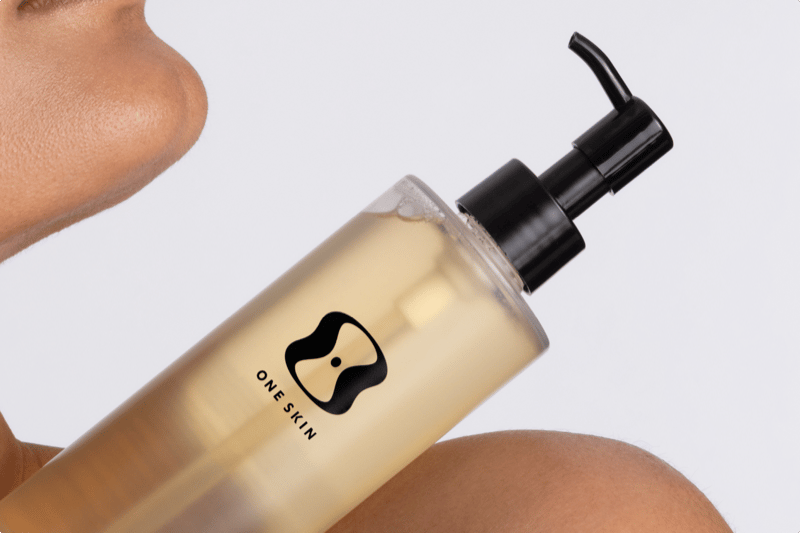
For dry skin, Dr. Mahto recommends swapping foam cleansers for oils or creams, and ceramide-rich moisturisers. You can also look for ingredients like hyaluronic acid, squalene, shea butter, and vitamin B5 to level up your skin’s hydration levels.
Oily skin still requires moisture, and Dr. Jamil says that the key to preventing breakouts is just finding the right products. “If you skip moisturiser, you risk oil overproduction to compensate. Your goal is to regulate oil production without stripping it entirely,” she says. A gentle foaming cleanser, lightweight niacinamide serum, oil-free gel moisturiser, and non-comedogenic SPF can strike the right balance.”
As for combination skin, Dr. Mahto recommends “zone treating,” where you strategically place lighter fluids on the T-zone, and richer creams on the cheeks.
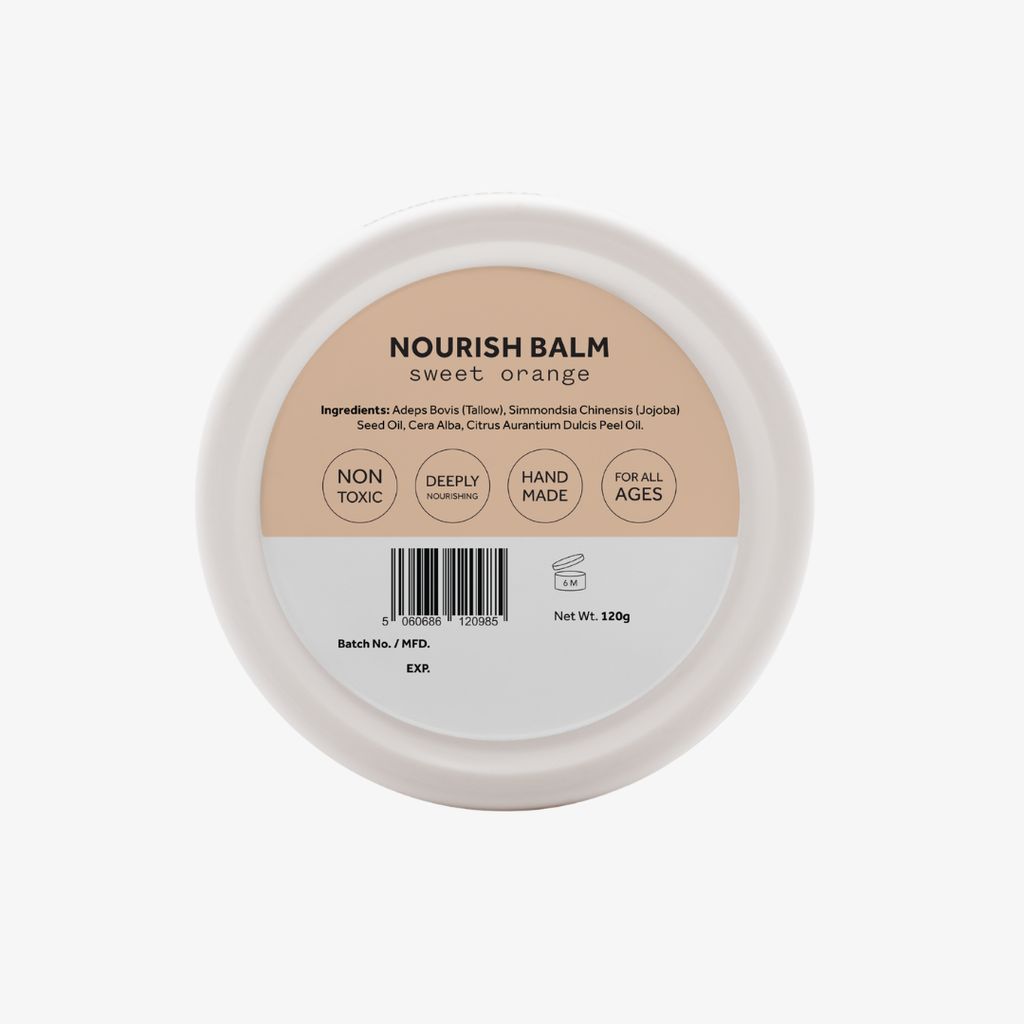
For pesky dry patches or eczema and psoriasis flare-ups — whether on your face, lips, elbows, or feet — Nicola Muscat Azzopardi, a skin therapist, recommends tallow, which is made from rendered beef fat, as a natural remedy. “It’s high in vitamins A, D, E, and K in its natural form, making it extremely bio-available and compatible with our skin,” she explains. You might try Fierce Nature’s Pure Tallow Nourish Balm, which instantly soothes and has a non-sticky finish.
Experts advise patch-testing tallow first – particularly if you have acne-prone skin – and focusing on using it in very dry areas.



Common mistakes to avoid
Skincare certainly isn’t one-size-fits all, and you should find something that works well with your skin. That being said, there are some common mistakes people tend to make, especially when dealing with irritation, dryness,
Don’t overexfoliate
You might be tempted to start spring cleaning with a full facial scrub, but over-exfoliating is actually one of the worst things you can do to your winter-weathered skin. Still, this is something Aiza Jamil, MD, a consultant dermatologist, sees all too often in her clinic. “Whether it be with acids or physical scrubs, a compromised skin barrier can’t tolerate harsh exfoliation,” she says. Instead, choose an anti-inflammatory one like the Soft Creamy Scrub from Bufarma. Made with organic buffalo milk – rich in natural lipids, essential fatty acids, and antioxidants – along with apricot seeds and coffee powder, it helps to gently slough off dead skin cells and refine skin texture.
Skip the hot shower
Hot showers can also wreak more havoc than you’d think. “As restorative as it feels, it strips the natural oils from your skin,” says Dr. Mahto. Additionally, it can damage the keratin cells that live on the outermost layer of your skin, making it difficult for your skin barrier to lock in moisture. Instead, she recommends a lukewarm shower to help your skin retain moisture.
Don’t forget sunscreen — even if the sun isn’t out.
Sunscreen is the next thing that tends to slip during the winter and when the sun is still elusive in early spring. It’s the one thing all dermatologists recommend in a daily skincare routine, and Dr. Mahto warns that despite grey skies, UVA rays can still compromise the skin barrier.
Lifestyle habits that can also help protect your skin
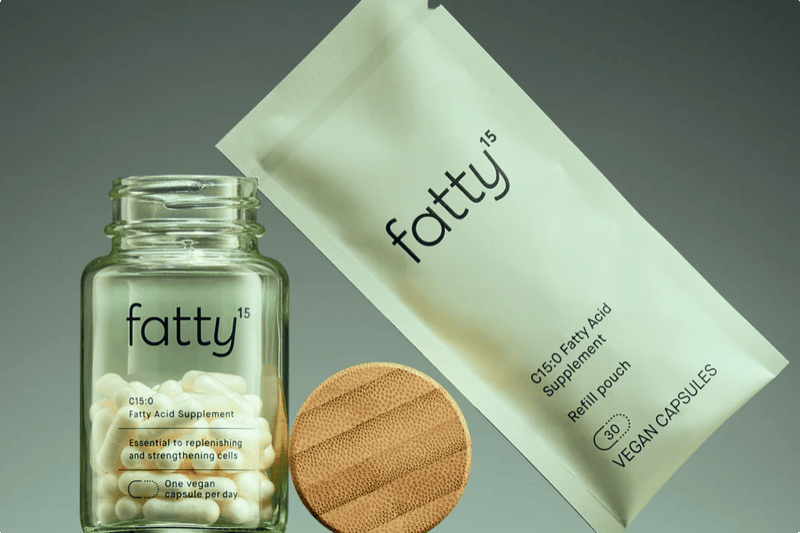
Barrier care extends beyond the bathroom shelf. Diet, movement, and sleep all influence how resilient your skin is during the winter and beyond. In fact, Dr. Jamil recommends a diet high in omega-3s (either via supplements or through foods like sardines, flaxseeds, and walnuts) as “they’re believed to reduce inflammation-signalling in the skin, which can help with acne, rosacea, and psoriasis,” she explains.
Exercise also comes into play. “Moving your body increases blood flow and collagen production while regulating cortisol levels, which when too high, can cause breakouts or eczema flares” says Dr. Jamil.
As for sleep? It’s vital for skin health as skin regeneration peaks while you snooze; increased blood flow delivers oxygen and nutrients essential for repair. But it’s important that your eight hours go undisturbed, as “sleep-deprived skin can lose moisture, which not only leads to dryness, but also puts the skin barrier at risk,” explains Dr. Jamil.
Takeaways
Winter weather certainly wreaks havoc on your skin, which means that as the weather starts to warm up, it’s time to invest in repairing and nourishing your skin—and most especially, your skin barrier. Start with a soft cleanser that is rich in natural lipids, essential fatty acids, and antioxidants. Look for products that have hyaluronic acid, squalene, shea butter, and vitamin B5 to help rehydrate your skin. Skip the exfoliation and hot showers. For any irritated patches, try a bioavailable tallow-based moisturizer. And of course, don’t forget the SPF.



This article is for informational purposes only, even if and regardless of whether it features the advice of physicians and medical practitioners. This article is not, nor is it intended to be, a substitute for professional medical advice, diagnosis, or treatment and should never be relied upon for specific medical advice. The views expressed in this article are the views of the expert and do not necessarily represent the views of Healf
Chanelle Ho is a beauty and wellness journalist with ten years of experience writing for titles including The Sunday Times Style, Grazia, Women’s Health, and Glamour. Drawing on a decade of conversations with the likes of leading dermatologists, aestheticians, and brand founders, she brings expert insights to every story and has a knack for translating complex skincare science, demystifying ingredient lists, and analysing which trends are truly worth the hype.
When away from her laptop, you’ll find Chanelle brushing up on her culinary skills, hiking somewhere in the countryside, filming content for social media, or volunteering with dogs.