





























_2026-10-13_14-11-48.png)


What Your Resting Heart Rate Is Doing While You Sleep — And Why It Matters More Than Your Step Count
Your RHR is one of the most clinically meaningful metrics a wearable like WHOOP can capture.

Written by: the Healf Editors
Written on: 26 May 2026
Your nocturnal resting heart rate isn’t just another metric. It’s a real-time reflection of how well your body is managing load, recovering from stress, and maintaining cardiovascular efficiency. Unlike step counts, which measure behaviour, sleep RHR measures your true biology. It’s passive, unbiased, and remarkably sensitive to changes in health status before symptoms ever appear.
It’s also one of the most clinically meaningful metrics a wearable can capture. “Steps can be gamed, inflated, or rendered meaningless depending on context,” says Dr. Charlie Cox, a cardiologist at Reborne Longevity. “Ten thousand steps for a deconditioned person versus an elite athlete are entirely different physiological events. Sleep RHR, by contrast, integrates stress load, recovery quality, illness, overtraining, and cardiovascular fitness into a single number.”
It’s passive, continuous, and uncontaminated by behavioural choices. You can’t fake your way to a consistent, low RHR, which is precisely why WHOOP’s continuous overnight monitoring has become the gold standard for athletes, biohackers, and anyone serious about optimising recovery.
Why nighttime RHR can offer interesting insights
During the day, your RHR can be affected by simple things like your posture, caffeine intake, stress, temperature, and how active you are, according to Dr. Cox. Your nocturnal RHR, on the other hand, “strips all of that away and gives you the true floor — the heart’s baseline demand when external variables are removed,” he adds.
In fact, Dr. Cox provides a great metaphor to think about the differences between the two: A morning pulse check is a single photograph, while overnight monitoring is a film, he says. “It captures the full architecture of heart rate through sleep stages: the dip into deep sleep, the rises during REM, the recovery curve.”
A single morning reading can be acutely elevated by a full bladder, an alarm, or just the act of waking — none of which reflect true resting state. Continuous data gives you averages, trends, and variability that a point-in-time measurement simply cannot. “The relationship between resting HR and cardiovascular mortality is well established,” Dr. Cox adds. “Nocturnal measurement gives you the cleanest version of that number. Non-dipping patterns specifically carry prognostic weight beyond just the absolute value.”
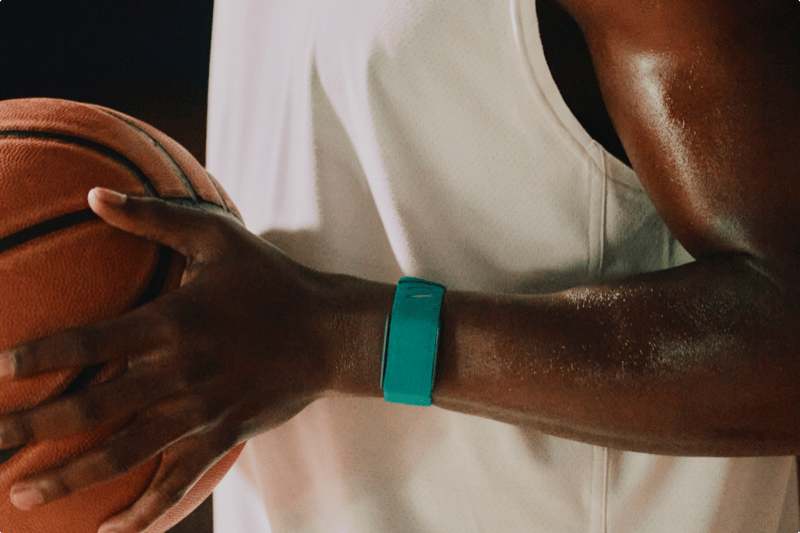
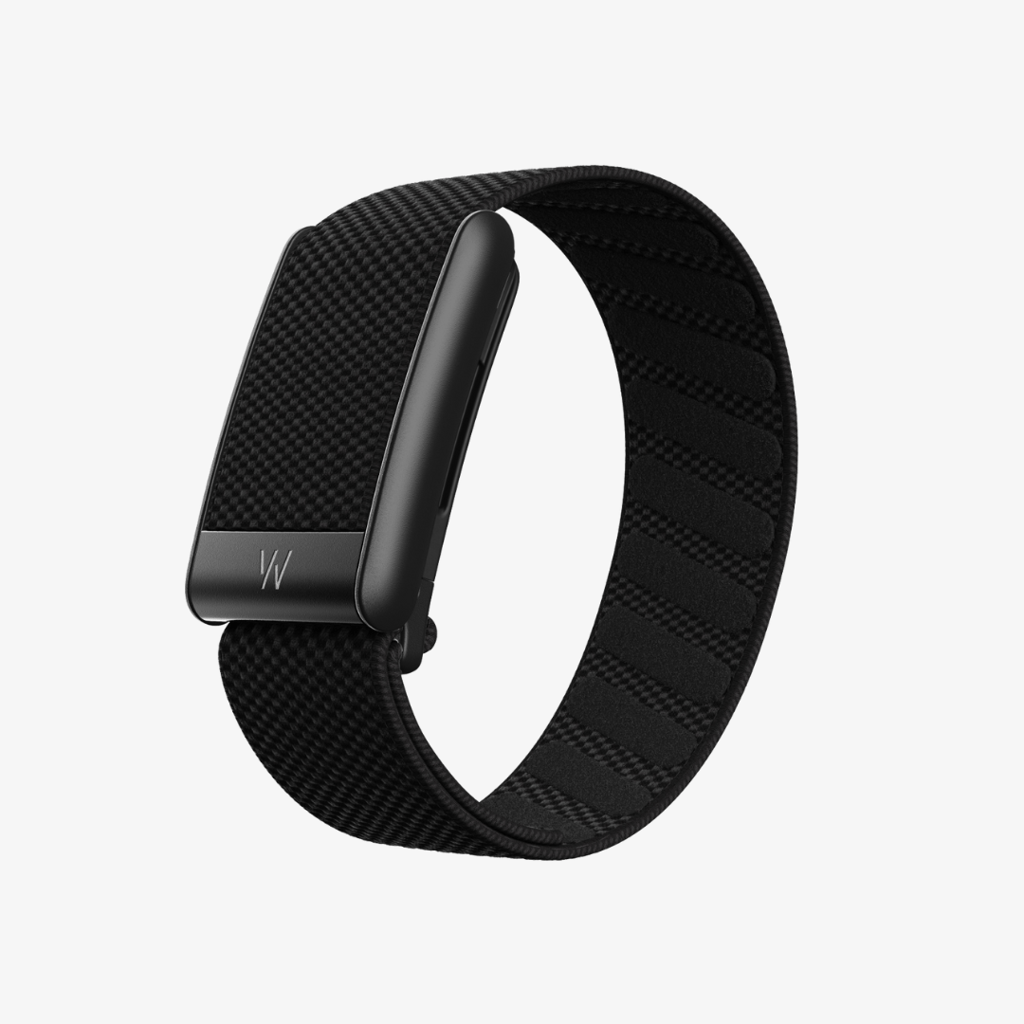
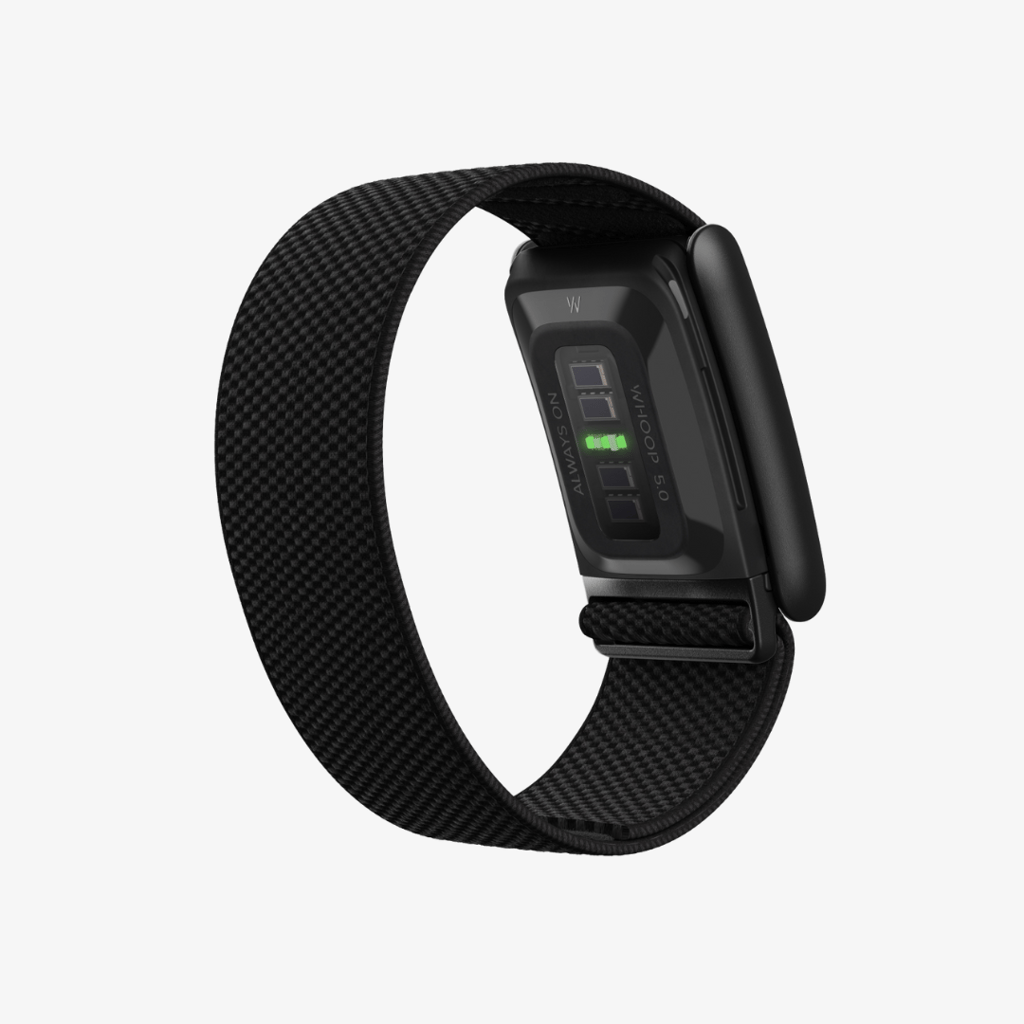
WHOOP’s advanced sensor technology and sophisticated algorithms are specifically optimised for overnight tracking. The platform processes millions of data points each night, thanks to its 24/7 monitoring, tracking your RHR continuously across every sleep stage to build a detailed profile of your cardiovascular efficiency and recovery patterns over time. This can help you take better action around health markers and learn more about the conditions your body needs to recover.
Plus, according to Dr. Cox, a wearable’s accuracy tends to be best during sleep when the wrist is still anyways. “This is actually where wearables perform most reliably,” he adds.
Your body’s real report card
As you sleep, your parasympathetic nervous system should be taking control. “The vagus nerve slows the heart, blood pressure drops, and the body enters repair mode,” says Dr. Cox. “This nocturnal dip [in RHR] isn’t just a side effect of inactivity — it’s physiologically essential.”
When that dip doesn’t happen, it’s often a signal that your body might be dealing with anything from psychological stress to metabolic dysfunction, sleep apnoea, or an oncoming illness. Your RHR can even tell you key details about your future heart health.
In fact, an elevated RHR night after night is linked to shorter lifespans and heart problems down the line.“Non-dipping RHR, where the heart rate fails to drop appropriately overnight, is a recognised cardiovascular risk marker in hypertension research,” Dr. Cox says. “It reflects cardiac autonomic tone — the balance between sympathetic and parasympathetic drive on the heart.”
In essence, your RHR can give you a window into how efficiently your heart is working, which a morning pulse check or annual ECG simply cannot. A well-conditioned heart fills efficiently and pumps more blood per beat, meaning it needs fewer beats per minute at rest. WHOOP captures all of this with precision, tracking your RHR continuously throughout the night. And rather than comparing you to population averages, WHOOP technology actually learns what’s considered “normal” for you, and then flags when something changes. “A 10 bpm rise above that individual’s norm is more meaningful than any population threshold,” Dr. Cox points out.
The tech doesn’t just give you a number — it contextualises what that number means for your recovery and readiness.
Predicting illness
Elevated nighttime RHR tends to come on about one to two days before you start experiencing symptoms related to an illness, explains Dr. Cox. “The immune response is metabolically expensive — it drives up heart rate before it drives up temperature or produces noticeable symptoms,” he adds.
WHOOP data actually showed that elevated nocturnal RHR preceded COVID symptoms by an average of 2.5 days. This early detection capability quite literally transforms your wearable from a passive tracker into an active early warning system.
“This is one of the most compelling use cases for continuous wearable data,” says Dr. Cox. “It turns your body into an early warning system, giving you a head start on rest, recovery, or medical intervention before the full illness hits.”
Overtraining
WHOOP’s recovery score actually integrates nocturnal RHR, heart rate variability, and sleep quality to flag when you might be pushing yourself too hard at the gym. And it can make a big difference in working efficiently, and training yourself into the ground.
In fact, your RHR during sleep can provide some warning signals from the outset. “The classic sign of overtraining is a gradual upward creep in baseline RHR over days to weeks, despite consistent or increasing training load,” explains Dr. Cox. “The body is stuck in sympathetic overdrive. The parasympathetic recovery response is blunted.”
When this pattern appears alongside worsening heart rate variability (HRV) and poor sleep quality, you may need to think about working smarter, not harder. “Athletes often push through this window because they feel okay during the day,” says Dr. Cox. “The nocturnal data catches it before the wheels come off.”
Topline tips for understanding your RHR
If your RHR fluctuates around 5 to 7 bpm each night, that’s entirely normal, says Dr. Cox, and typically the result of alcohol, late meals, temperature, stress, and sleep stage differences. “The danger is treating every data point as a signal rather than looking at the 7 to 14 day trend,” he explains. “The goal is to make people more body-literate, not more anxious, and that requires context, which most apps currently do a poor job of providing.”
Focus on patterns, not isolated nights. A single elevated reading means very little. Three consecutive elevated readings might mean something. WHOOP can capture these trends over time, and contextualising individual data points within your broader recovery pattern. The coaching insights also help you parse what matters and what's just noise, reducing data anxiety whilst increasing actionable awareness.
The question shouldn’t be whether you should track overnight RHR — it’s whether you’re paying attention to what it’s telling you, and whether your wearable is sophisticated enough to help you understand it.
More tips from Healf:
EAT: Support cardiovascular health with nutrient-dense foods rich in omega-3s, magnesium, and CoQ10. Quality nutrition fuels efficient cardiac function and aids recovery.
MOVE: Balance training load with adequate recovery. Zone 2 cardio builds mitochondrial efficiency whilst allowing your heart rate to return to healthy baseline levels. Use WHOOP to track strain and ensure you’re not overtaxing your system.
MIND: Manage stress through breathwork, meditation, and nervous system regulation. Chronic stress keeps sympathetic tone elevated, preventing the nocturnal dip your body needs.
SLEEP: Prioritise 7-9 hours of consistent, quality sleep. Your nocturnal RHR is your body’s honest feedback on whether your sleep hygiene is actually working. Track it with WHOOP to close the loop between intention and outcome.



This article is for informational purposes only, even if and regardless of whether it features the advice of physicians and medical practitioners. This article is not, nor is it intended to be, a substitute for professional medical advice, diagnosis, or treatment and should never be relied upon for specific medical advice. The views expressed in this article are the views of the expert and do not necessarily represent the views of Healf
Healf's editorial team works hard to produce science-backed, expert-vetted stories to break down trends and cut through the noise in the wellbeing ecosystem. Our team of writers and editors specialise in everything from nutrition, to exercise science, women's health, skincare, sleep, and more.