























Serotonin And The Sea: How Coastal Air Really Lifts Your Mood
If you’ve ever wondered what causes that ‘coastal high’ feeling, this article is for you. Sea air is rich in negative ions, and while it may sound like a bad thing on the face of it, they’re actually really good for you. Here’s why the beach just hits different this summer.

Written by: Pippa Thackeray
Written on: 21 July 2025
“Inhale calm, exhale… negativity?”
Salty, sharper, and with an essence of the near-medicinal, the air you get by the seaside has an unmistakable character of its own. If you find yourself frequently flocking to the coastline for this unique reset experience, it isn’t all in your imagination, nor is it simply founded in a sense of “awe”.
Negative ions, known as anions, bring a great host of benefits for our health. They are created when water molecules collide, such as crashing waves or ocean spray, and upon inhalation of them, it is said that your mood rides on high, cognitive performance soars and your immune system gets a reboot.
To benefit from negative ions, you don't even have to get into the water itself. Just breathing and existing near it is enough to take effect.
Where else can negative ions be found?
The seaside isn’t the only location where you can find negative ions. They’re present in high amounts in places such as waterfalls, man-made water features and during heavy rainfall. Ultraviolet (UV) rays from the sun also cause negative ions to be released.
Negative ions are a positive for our health
These particles are thought to interact with the body through the lungs, with research suggesting that they could increase serotonin levels in the brain. Serotonin is the neurotransmitter responsible for keeping moods balanced. It is also classed as a hormone, impacting our sleep, digestion, and more.
The serotonin hypothesis surrounding negative ions
In relation to negative air ions (NAIs), the "serotonin hypothesis" suggests a mechanism by which NAIs might be linked to mood improvement or antidepressant actions, potentially in specific individuals or under particular conditions like seasonal affective disorder (SAD).
However, this theory remains debated. A recent review found little evidence of an impact on mental health at a general population level, but did observe a notable effect in people with depression. Further research is needed to confirm these findings and explain how NAIs affect mood.
What about positive ions?
Positive ions (a.k.a. cations) are considered the undesirable type, health-wise. In general, it is a good idea to go out in nature to get away from positive ions, which exist in higher concentrations in densely populated areas, like cities, near power lines and motorways, around electronic devices or in poorly ventilated indoor environments.
Research has found people to be more susceptible to lower mood and acute respiratory irritation when exposed to positive ions.
A never-ending sky…
When the horizon becomes a blurry line of incomprehensible distance, it can feel like the ultimate escape for your brain on a visual level, but it’s also chemical.
In this open space, air pollutants tend to be lower in concentration than on land. Plus, increased oxygen content creates the perfect conditions to recalibrate a mind overstimulated and accustomed to busy urban living.
With the abundance summer brings, there's also the added benefit of more sunlight to help regulate your circadian rhythm and boost vitamin D.
Beyond ions: nature as a restoration of body and mind
While heavily romanticised, that perfect scene of waves crashing and receding in a pulsating rhythm isn’t just a postcard perfect image to aspire to.
Ocean waves generate a form of white noise that calms the brain by blocking out intrusive sounds in the environment that might be jarring and distracting. These repetitive sounds signal to the nervous system that you’re safe, right here, right now.
Your fight-or-flight response dials down, and your parasympathetic nervous system takes over: slowing your heartbeat, reducing cortisol levels and allowing the body space for recovery.
The blue hue of the water is a double dose of calm, a colour that has been linked to reduced blood pressure and a slower heart rate. It could be the secret as to why blue sometimes seems hypnotic and mentally grounding. Even a short spell of wave (or cloud) watching can have a surprising impact, introducing clarity and calm.
Does being by the sea bring immune system benefits?
Negative air ions (known as NAIs), particularly negative oxygen ions, are associated with potential benefits for the immune system through various mechanisms, including: neutralising viruses, enhancing natural killer cell activity, reducing inflammation, and potentially impacting amino acid metabolism.
This effect is also thought to improve oxygen flow to cells, boost cellular function, and reduce oxidative stress.
Are negative ions a tonic for sleep?
The Victorians prescribed coastal visits to those with weak constitutions, believing the sea air held curative properties. Though they didn’t know the science, they weren’t far off.
An experiment found that negative oxygen ions can improve people’s sleep quality via several observations: sleep onset latency was shortened (time it takes to fall asleep) and slow-wave sleep (also known as deep sleep) was lengthened.
The mechanisms by which negative ion inhalation could improve sleep may relate to increases in neurotransmitter 5-hydroxytryptamine (5-HT) and anti-inflammatory and antioxidant effects.
Further studies are needed to confirm this understanding.
Nature’s gift: how to make the most of negative ions this summer
1. Avoid excessive exposure to electronics: Screens, fluorescent lighting and chaotic city life all contribute to the detrimental effects of positive ions on our health.
2. Barefoot beach walks: Walking barefoot on warm sand activates small muscles in your feet and ankles, encourages better posture, and connects you with the earth’s charge.
3. Swim or float in saltwater: Seawater contains natural antiseptics and decongestants. Let your skin and lungs benefit from the minerals. When the sea isn’t by your doorstep, try WholyMe Relief Salts for a unique bathing infusion.
4. Use scent to anchor the calm: Try an Aromatherapy Essential Oil Diffuser to bring beach calm indoors with the freshness of essential oils.
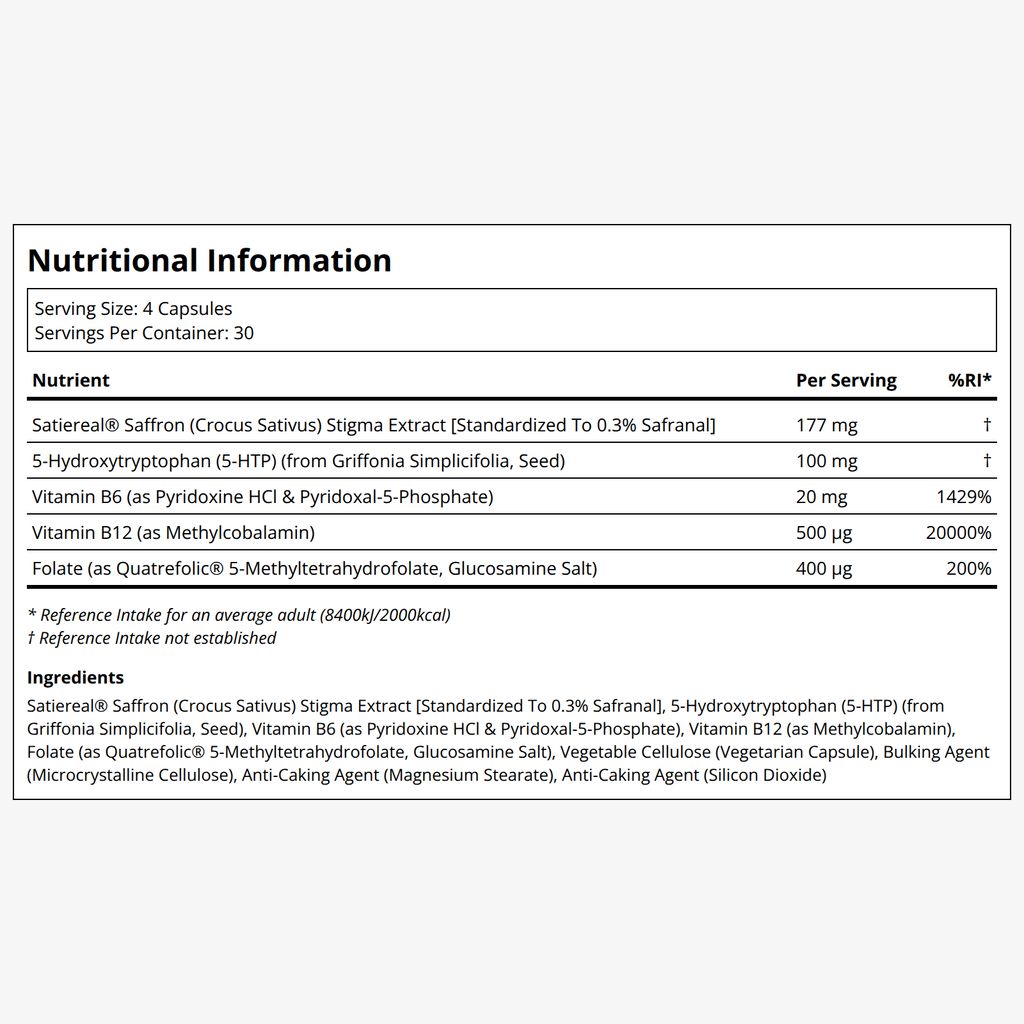
5. Support your serotonin naturally: BrainMD’s Serotonin Mood Support can complement your mood when the coast isn’t an option.
6. Move with purpose: Try yoga or bodyweight movement on uneven natural terrain that engages more muscles. A perfect excuse to get your Bala Bangles on.
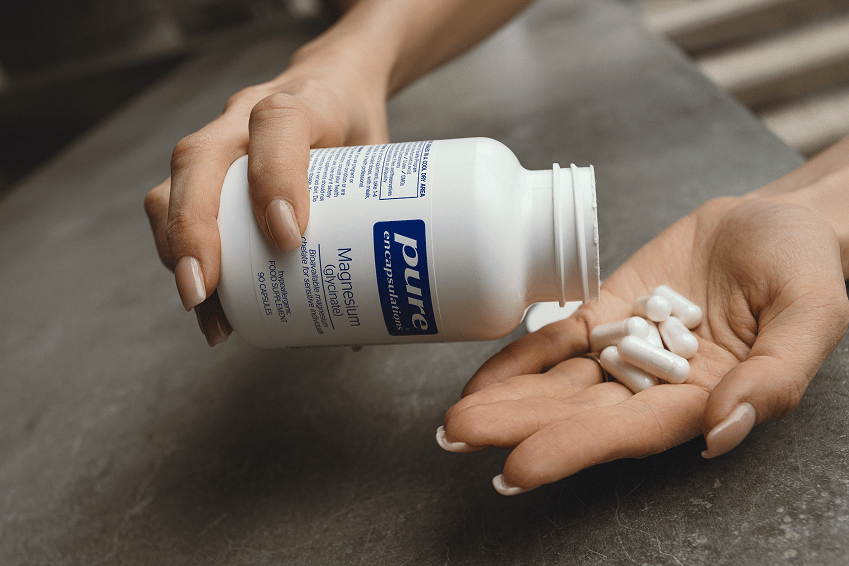
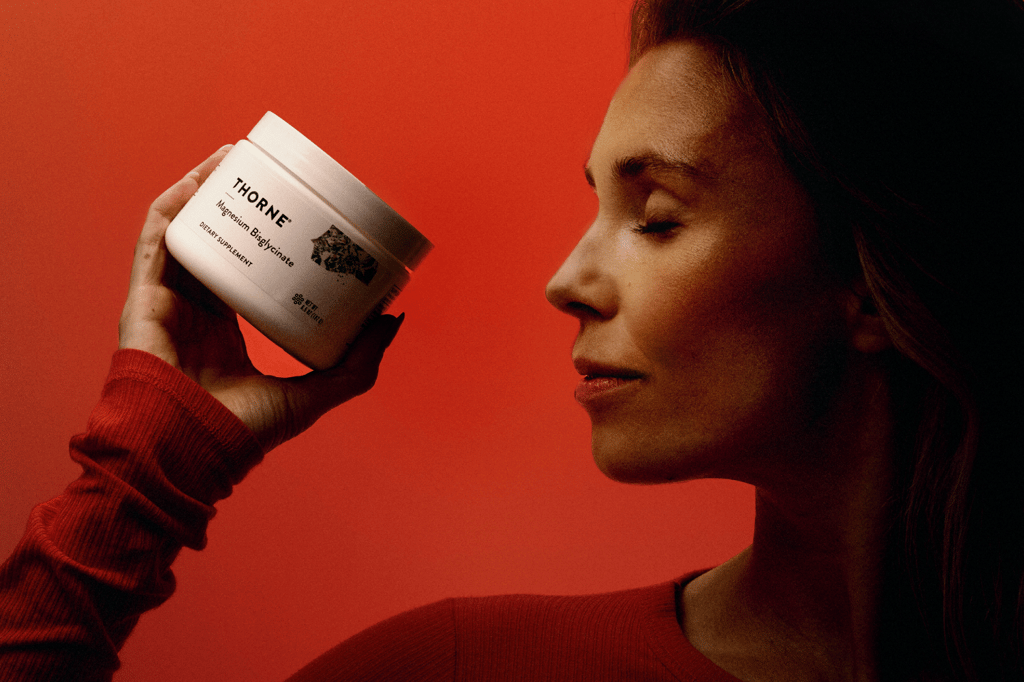
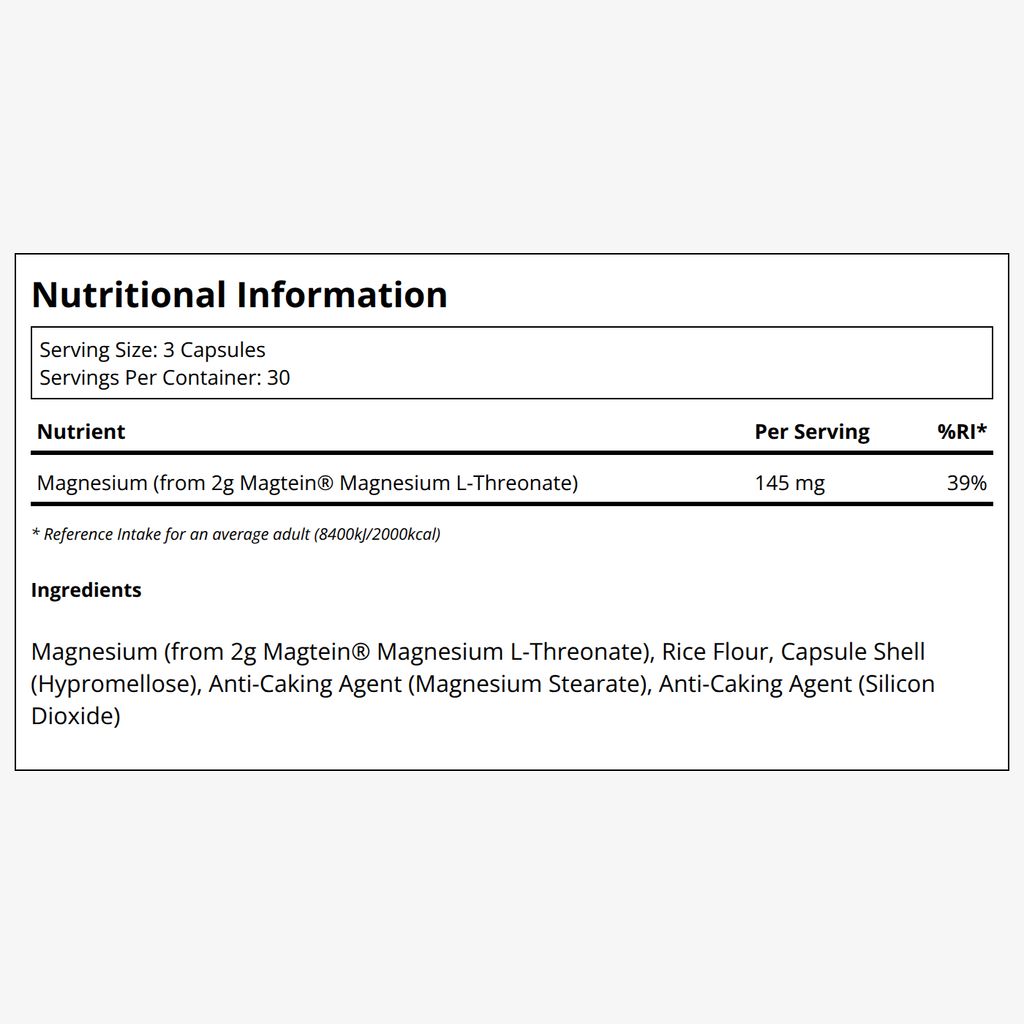
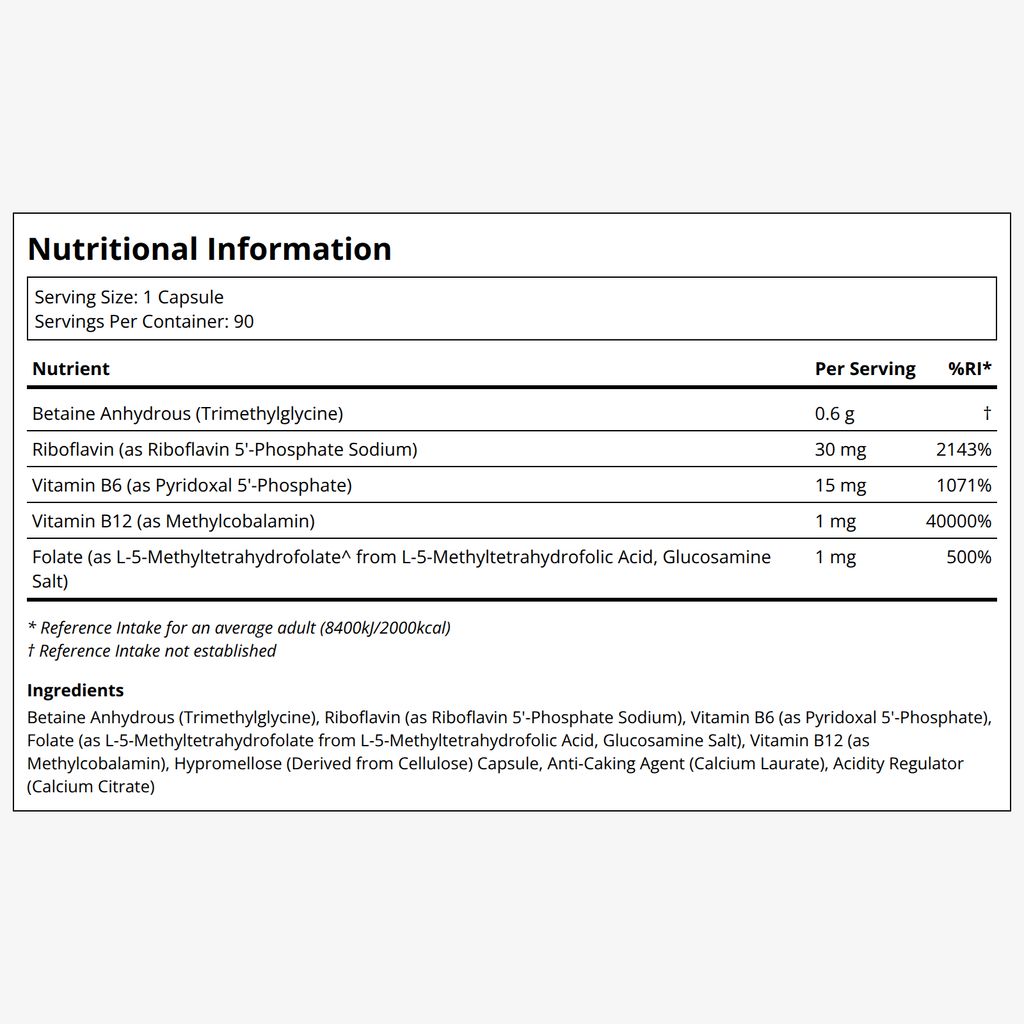
7. Hydrate and fuel: Pair your beach time with snacks high in magnesium or vitamin B to support mood and focus.
8. Purify your air indoors: With the aid of modern technology, you can also enjoy the benefits of negative ions from your bed or sofa, thanks to Optimal Health's Air Purifier for Better Health.




The real air upgrade
You don’t need to be on a tropical island, coconut cocktail in hand, to feel the difference in the air.
Thanks to negative ions, among several other factors, a trip to your nearest coastline can offer a noticeable shift in your physical and mental state this summer.
It’s really nothing new
The oceans are an ancient life source, perhaps predating life itself. Throughout history, our human connection to the coastal landscape has always been cloaked in mystery, and yet respected with a hint of wistful sentimentality.
Only today, we are beginning to understand this fond relationship we have with the sea on a deeper biological, chemical and atomic level.
We continue to gather hypotheses and have an expanding knowledge base surrounding these ions as neutralisers of airborne toxins, assisting immune function, and increasing oxygen uptake in the brain.
It all adds up to a familiar feeling of being clearer, sharper, and wholesomely energised after a day spent breathing in salt and sea, in case you were wondering…
Shop MIND at Healf and explore more tools to reset your routine, clear mental fog and inspire the calm of the beach.



This article is for informational purposes only, even if and regardless of whether it features the advice of physicians and medical practitioners. This article is not, nor is it intended to be, a substitute for professional medical advice, diagnosis, or treatment and should never be relied upon for specific medical advice. The views expressed in this article are the views of the expert and do not necessarily represent the views of Healf
Pippa is a content writer and qualified Nutritional Therapist (DipNT) creating research-based content with a passion for many areas of wellbeing, including hormonal health, mental health and digestive health.
As a contributor to The Healf Source, she regularly attends seminars and programmes on a plethora of contemporary health issues and modern research insights with a drive to never stop learning. In addition, interviewing experts and specialists across The Four Pillars: EAT, MOVE, MIND, SLEEP.
In her spare time, she is an avid swimmer, mindfulness and yoga lover, occasionally bringing a raw, honest approach to the topics she faces. You may also discover some personal accounts of eye-opening wellbeing experiences amidst the reality of a disorientating, and often conflicting, modern wellbeing space.