





















_2026-10-13_14-11-48.png)


Tidy Space, Tidy Mind; The Power Of Decluttering Your Physical And Mental Space
If you’ve ever wondered if there are any real benefits to your wellbeing that come...

Written by: Pippa Thackeray
Written on: 29 July 2025
Hello again to spring cleaning, a concept as old as time. As soon as the sun shines that bit brighter, the dust gathering on your unused belongings is that bit more visible. It makes the phrase “Out with the old, in with the new” come to mind. But, before you go mindlessly chucking things angrily in a black bin bag, perhaps consider how you can do this task more mindfully and in a way that will prepare both your mind and body for a more peaceful life for the weeks and seasons to follow. Join us for some simple ways to declutter and organise your home most effectively. Get ready for decluttered kitchen counters, a decluttered office space, or even a decluttered whole house.
Why decluttering is good for wellbeing
When people need help with decluttering the house, they often think rigidly about the practical act of “having a clear out” of a certain space that is bothering them. While this is often a necessary part of planning a clearing out session it may be pertinent to inquire into the mental and physical implications such a clear out can bring.
If you shift your strategy beyond the clearout, to what you are going to do with all that stuff, it could have a deeper, perhaps unexpected benefit. Disposing of the unwanted stuff responsibility or in a way that is going to make positive change in someone else’s life will also have a knock on effect on your own happiness.
Research has shown that the given name for this effect, ‘altruism’, is often positively aligned with experiencing increased positive emotions in daily life. More specifically, a dataset included in a report discloses how 1.4 million people across 161 countries from 2006 to 2017 found a positive correlation between life satisfaction and engaging in altruistic acts, one of which was donation. To this effect, decluttering at a slower pace or planning periodic decluttering to allow for more charitable acts along the way, could be better for your mental state in the long term.
What can an organised space do for the good of the mind and increased productivity?
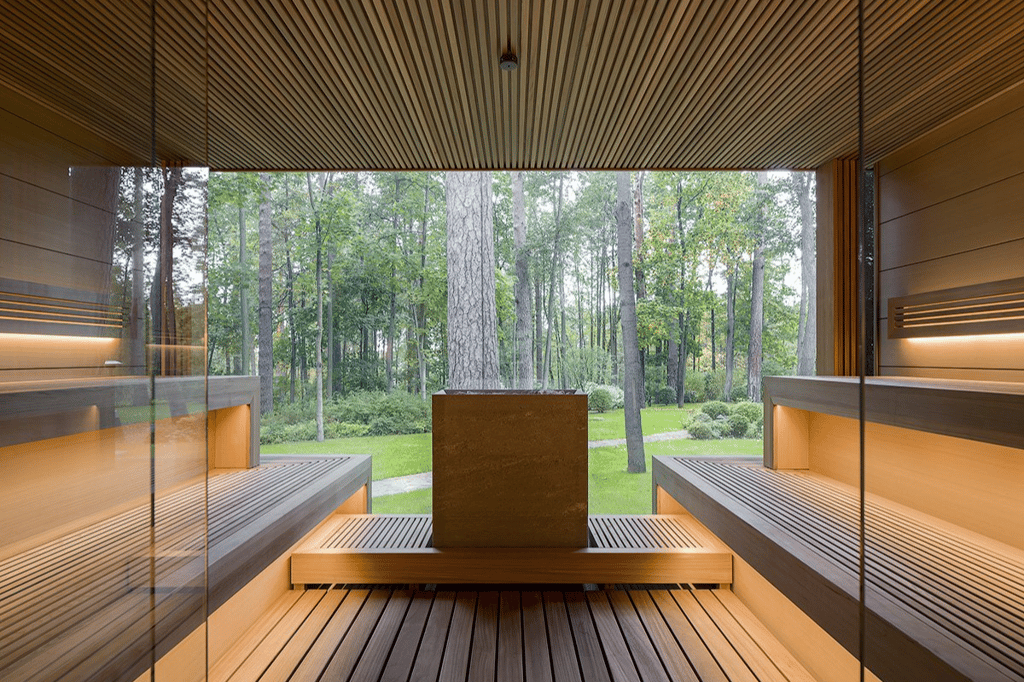
Traditional Buddhist practices, now incorporated into modern Buddhist teachings, have a unique focus on ‘cultivating a spacious mind.’ The aim is to free oneself from the fears, worries, and desires that can often fill our days.
In teachings relating to the spacious mind, it is explained how much of life’s frustration stems from losing sight of what matters in a deeper sense, by concentrating too much on obtaining possessions in the current moment. In short, the very concept of ‘space’ and its boundlessness can be a useful tool for opening the mind.
In terms of lessening feelings of frustration, simply finding yourself being irritated by the act of searching for your keys, day upon day, can lead to a clouded emotional state — perhaps impacting the level of productivity you are able to muster. It might not always be keys, it might be a specific notebook you will only find by decluttering your home office or even a certain outfit you want to wear for a specific occasion. Needless to say, the time spent looking could be better invested in taking time to meditate, read, or anything similar to further instil a sense of calm and presence.
Meal prep in a decluttered kitchen
The same concept applies to the kitchen, a very important space for those interested in living a healthy and full life. A kitchen is often described as the beating heart of the home. And once you have a place for everything and everything in its place there — meal preparations, forward planning for your nutrition goals as well as cooking a great meal from scratch whenever the opportunity arises, can all contribute greatly to health and happiness. A study confirms these effects, not only alluding to healthier food choices arising from better organised people but also a state of mental clarity that may lead to greater generosity toward others.
Some popular decluttering rules to follow:
Now we have discussed the benefits you can expect to see from decluttering for the sake of your wellbeing, allow us to get into the specifics of the best way to declutter a closet, or do a proper desk declutter. Whatever the space in question, there are some very helpful trending rules to follow when it comes to taking decluttering seriously.
That dream minimalist interior could be yours…
Aside from the thriving maximalists among us, who doesn’t love the idea of a paired down minimal backdrop against which to live our uncomplicated lives?
It needn’t be the stuff of fairy tales, these tried and tested methods might be the push you need to reach the objectives of your clearout:
1. Try the 50% rule in decluttering
The 50% rule for clutter is a straightforward yet potent concept: reduce the number of items in any given space by half.
It may seem a bit harsh, but the benefits include:
Being simple and effective: This rule provides a clear and unmistakable target, so that it is easier to start decluttering without getting lost in the act of it.
It focuses on quantity: The main goal is to significantly reduce the number of items in a space, rather than focusing on specific objects. For people who respond well to visual prompts, it can be especially helpful to track progress in this way.
It applies to any area: You can use the 50% rule in your cupboards, wardrobes, kitchen cabinets, drawers, or any other storage area where ‘junk’ may accumulate insidiously.
2. Take the 12-12-12 challenge.
Created by Joshua Becker, author of The Minimalist Home, the rules are quite simple here: find 12 items to throw away, 12 to donate, and 12 to be returned to their proper home. It may encourage more periodic methods of clearing out, so that those massive and unmanageable clearouts can be bypassed. People are fans of this method especially, as it helps them purge their houses quickly of things that are incongruous.
The benefits of 12-12-12 include:
Avoiding overwhelm: You can focus on making progress without needing to “do it all at once.”
Encourages faster decision-making: You can prevent getting stuck when decluttering items that might appear falsely sentimental to you.
Promotes mindfulness: You can consider what truly adds value to your living spaces and your life, and that which does not.
7 basic decluttering tips for creating space
- If you are busy, dedicate 5-10 minutes a day to your clear out over the period of a month.
- Give one item away each day for 12 days.
- Fill an entire bag per each room you clear out, then carefully decide its fate.
- Donate clothes you have not worn for a year.
- Create a decluttering checklist to stay mentally on top of it.
- Try to envision your home through the eyes of a visitor.
- Take before and after shots to reflect upon completion of your clear out so that you have a clearer perspective on what you have achieved.
Declutter your life, with Healf:
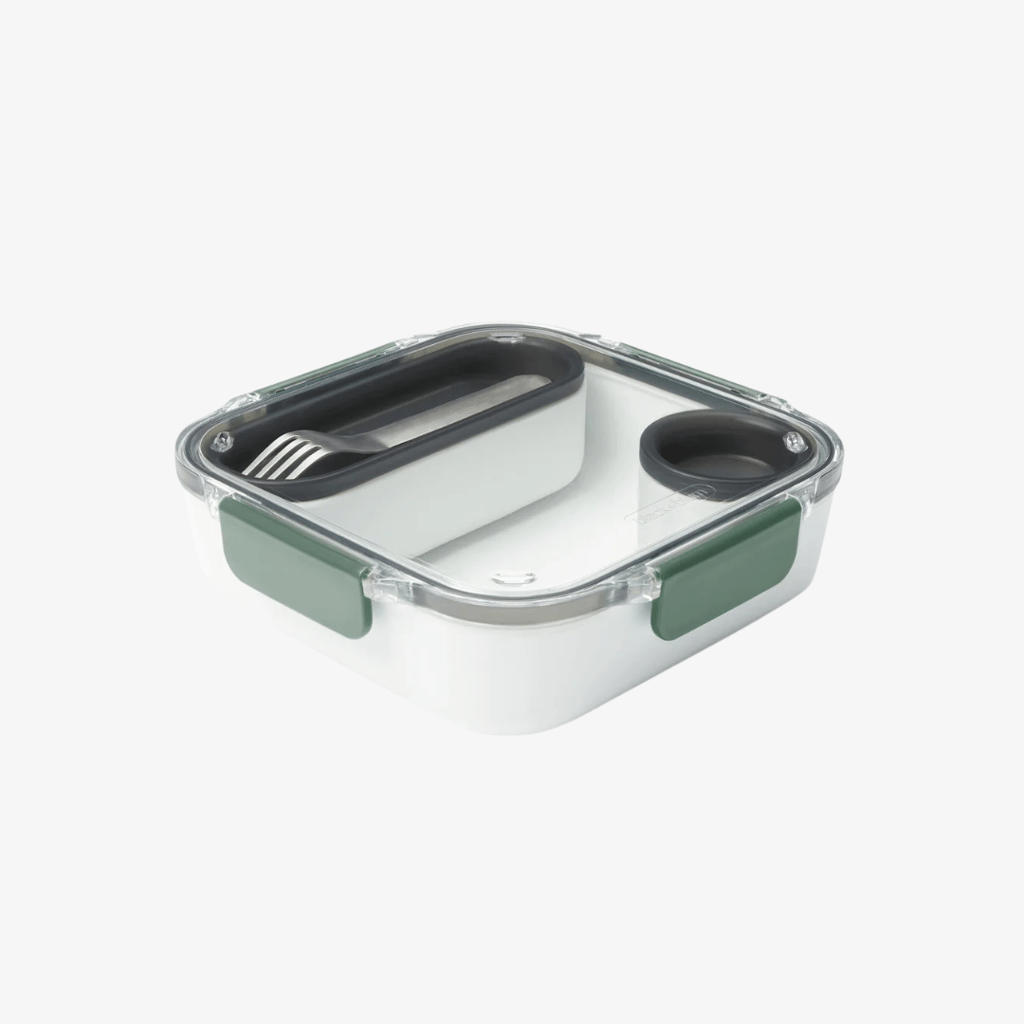
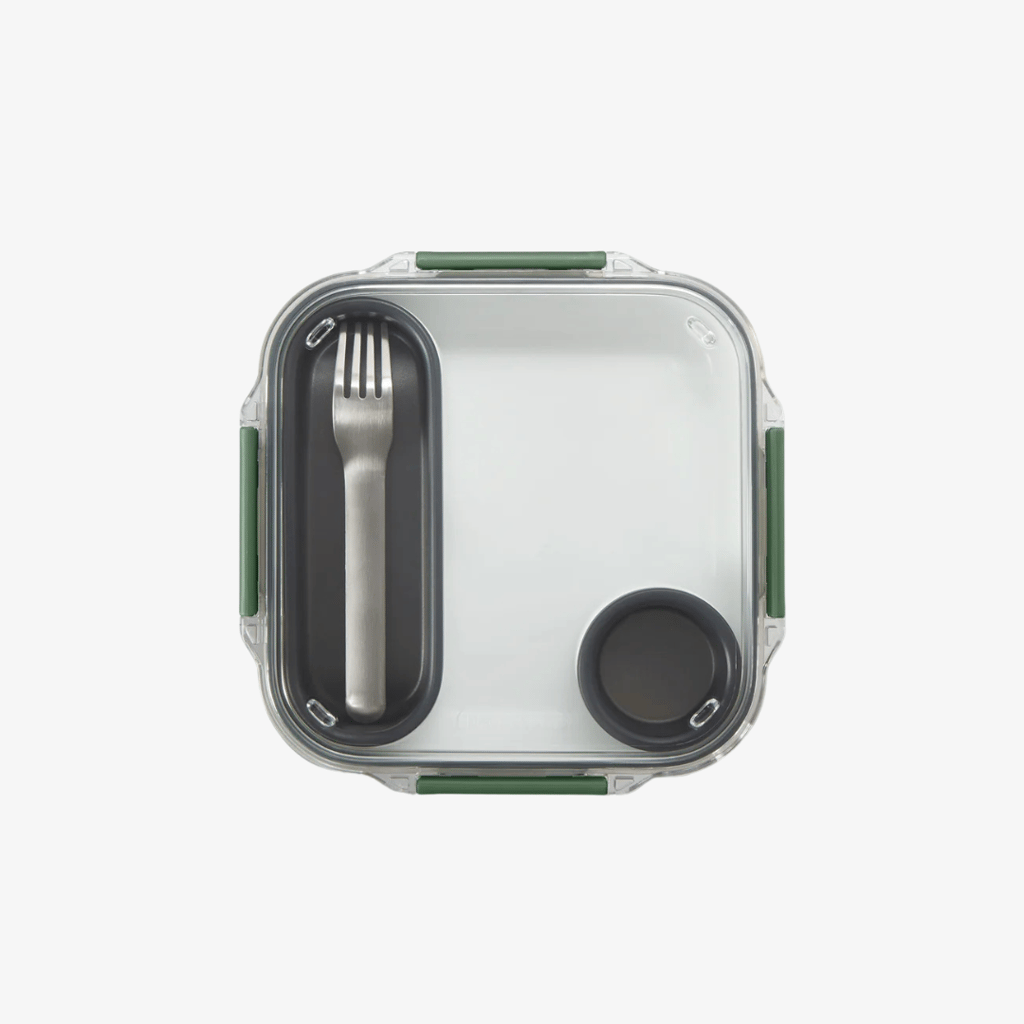
Keep your meal prep fresh and organised in this beautifully presented 100% leakproof lunch box.
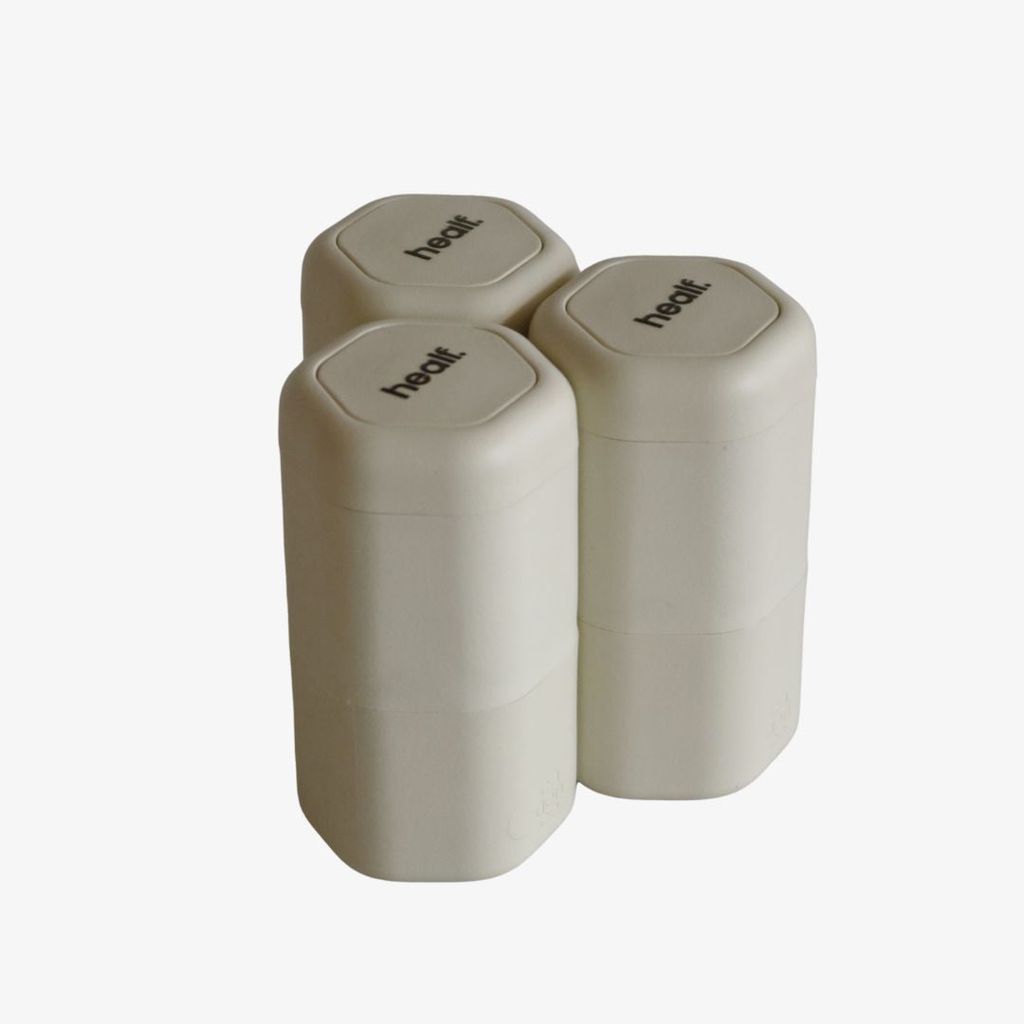
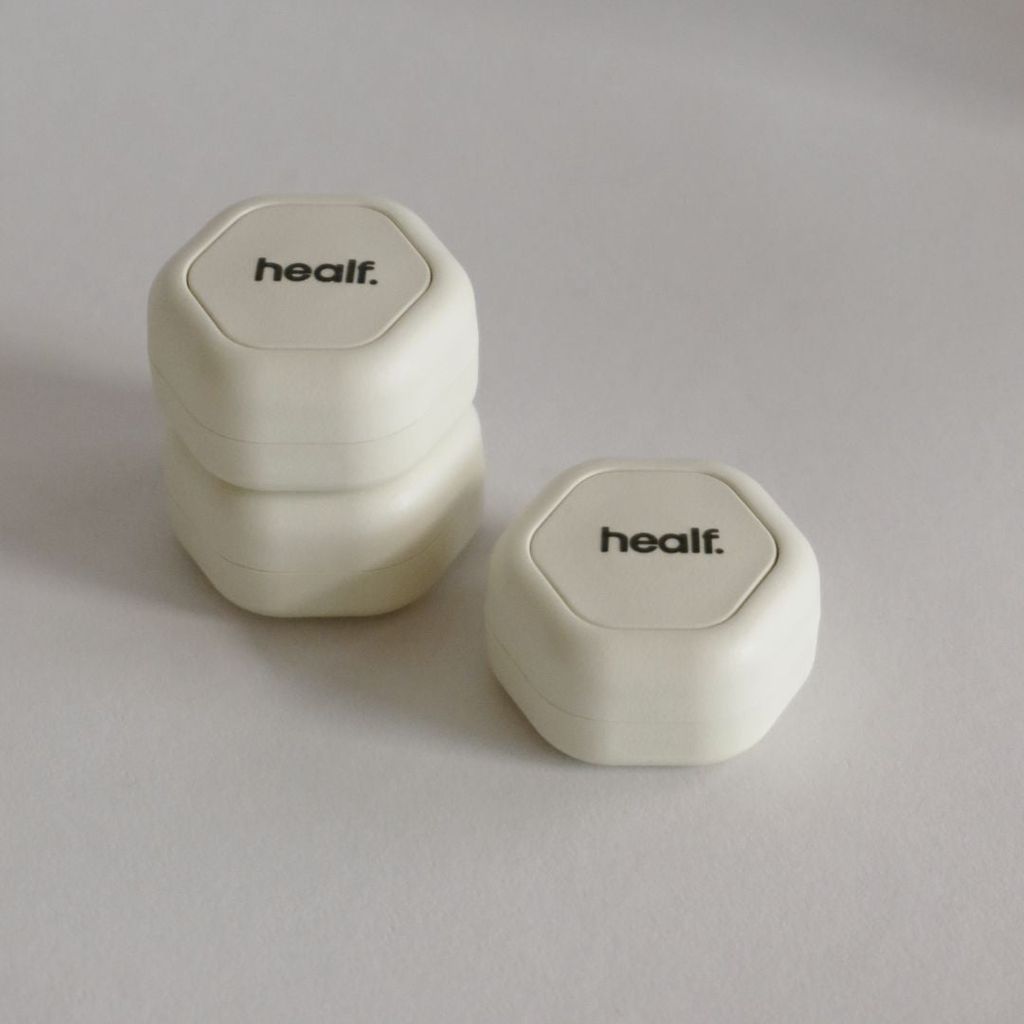
Carry and segment your daily supplement ritual in style with these leakproof, durable, TSA-compliant capsules, crafted from eco-friendly materials.
The Weekly Love Planner combines daily scheduling with the reflective aspects of a journal. Take yourself on a 90-day journey of planning your days while reflecting on your growth.

References:
1. https://worldhappiness.report/ed/2023/doing-good-and-feeling-good- relationships-between-altruism-and-well-being-for-altruists-beneficiaries-and-observers/
2. https://journal.obcon.org/article/spacious-mind/
3. https://journals.sagepub.com/doi/abs/10.1177/0956797613480186
This article is for informational purposes only, even if and regardless of whether it features the advice of physicians and medical practitioners. This article is not, nor is it intended to be, a substitute for professional medical advice, diagnosis, or treatment and should never be relied upon for specific medical advice. The views expressed in this article are the views of the expert and do not necessarily represent the views of Healf
Pippa is a content writer and qualified Nutritional Therapist (DipNT) creating research-based content with a passion for many areas of wellbeing, including hormonal health, mental health and digestive health.
As a contributor to The Healf Source, she regularly attends seminars and programmes on a plethora of contemporary health issues and modern research insights with a drive to never stop learning. In addition, interviewing experts and specialists across The Four Pillars: EAT, MOVE, MIND, SLEEP.
In her spare time, she is an avid swimmer, mindfulness and yoga lover, occasionally bringing a raw, honest approach to the topics she faces. You may also discover some personal accounts of eye-opening wellbeing experiences amidst the reality of a disorientating, and often conflicting, modern wellbeing space.