


























_2026-10-13_14-11-48.png)

How To Increase Ferritin Levels: Symptoms, Causes & What Experts Actually Recommend
Tired, shedding more hair than usual, or struggling through workouts? Low ferritin could be a contributing factor. Here’s what experts want you to know.
-2.jpg)
Written by: Samantha Nice
Written on: 4 June 2026
If you’re constantly tired despite sleeping properly, shedding more hair than usual, feeling unusually flat, or finding workouts harder than they used to be, it could be worth checking in on your ferritin levels. It’s one of those biomarkers that can affect everything from energy to concentration, hair health, and recovery long before anaemia shows up on a blood test.
Part of the confusion is that ferritin often gets grouped in with iron, even though they measure different things. You can be told your iron looks “normal” and still be dealing with symptoms linked to depleted iron stores.
This is where symptoms and blood results do not always line up, according to Dr. Lafina Diamandis, BSc, MBBS, MSc, GP and lifestyle medicine doctor. “Reference ranges are designed to help us detect disease, not whether someone is thriving,” she says. “Normal and optimal are very different things.”
If you’ve found yourself trying to figure out how to increase your ferritin levels naturally, actually understanding what may actually be lowering them is usually the best place to start.
What is ferritin and how is it different from iron?
If iron is the fuel your body uses every day, think of ferritin as the backup supply sitting in reserve. Technically, it’s a type of protein that binds to iron in your body and stores it inside of your cells. That distinction matters because your ferritin and iron levels are related, but they’re not measuring the same thing. Put simply:
- Iron levels show what is circulating in your bloodstream right now and immediately available for use
- Ferritin levels show how much iron your body has stored up in reserve
- Haemoglobin is the protein in red blood cells that uses iron to carry oxygen around the body
“When we just check iron levels in the blood, we’re only seeing what’s circulating at that moment, so it’s more like a snapshot in time,” says Dr. Diamandis. “Ferritin tells us how well stocked your iron reserves actually are.”
This is why ferritin can sometimes explain symptoms that standard iron tests miss. You can technically have “normal” circulating iron, while your stored iron is running low. Over time, that can start showing up as fatigue, hair shedding, brain fog, or feeling noticeably less resilient than usual.
Dr. Diamandis says ferritin should ideally be interpreted alongside other markers, including transferrin saturation and TIBC (total iron binding capacity), to understand how efficiently iron is being transported and used. “Someone could have a ferritin that looks acceptable but a transferrin saturation that tells you the body is already struggling to deliver iron where it needs to go,” she says.
Symptoms of low ferritin
Low ferritin symptoms can be surprisingly broad, which is partly why they’re easy to dismiss or put down to something else. The most common signs Dr. Diamandis sees in clinic include:
- Fatigue that sleep doesn’t fix
- Hair loss or increased shedding
- Brain fog and poor concentration
- Low mood
- Breathlessness
- Feeling cold all the time
- Restless legs at night
- Slower recovery from exercise
- Feeling weaker during workouts
What makes ferritin tricky is that these symptoms are easy to write off as being the result of stress, hormones, poor sleep, or a chaotic and busy life. Low ferritin can also exist without anaemia, meaning blood tests do not always flag an obvious problem straight away.
Why is my ferritin low?
Low ferritin is rarely down to one thing. More often, it’s a few factors stacking up at once, from blood loss and diet to absorption issues or periods where your body simply needs more iron than usual.
Nutritionist Megan Hallett, mBANT, rCNHC, says low ferritin is not always a reflection of how much iron you’re eating. “Absorption, not intake, is usually the issue,” she explains. “Iron is difficult to absorb regardless of how much you eat.”
Some of the most common reasons ferritin drops include:
Heavy, long or irregular periods: This is one of the biggest drivers of low ferritin in women. “Each cycle depletes stores and if intake does not keep pace, ferritin drops over time,” says Hallett.
Pregnancy and postpartum: Iron demands rise significantly during pregnancy, and rebuilding stores after birth can take longer than many people expect.
Eating little or no red meat: Vegetarian and vegan diets can absolutely support healthy ferritin, but they often need more planning. Haem iron, found in foods like red meat and shellfish, is generally absorbed more easily than non-haem iron from plant foods.
Gut issues or poor absorption: Sometimes intake isn’t the issue at all. Conditions like coeliac disease, inflammatory bowel disease, H. pylori (a common stomach bacteria linked to digestive symptoms) and low stomach acid can all make iron harder to absorb, meaning ferritin stays stubbornly low despite eating well.
Endurance exercise or intense training: Frequent running and high training loads can increase iron needs, particularly when fuelling and recovery are not keeping pace.
Perimenopause and changing cycles: During perimenopause, periods can become heavier or less predictable, which may gradually affect iron stores over time.
Growth, ageing and changing needs: Teenagers going through growth spurts and older adults with reduced absorption or lower dietary variety can also be more vulnerable to low ferritin.
Can ferritin be low even if haemoglobin is normal?
Yes. In fact, low ferritin with normal haemoglobin is much more common than many people realise. You can have depleted iron stores while haemoglobin still sits comfortably within the “normal” range, which is partly why low ferritin is so easily missed.
“A ferritin level below 30 µg/L confirms iron deficiency, but you don’t have to be anaemic to feel the effects,” says Dr. Diamandis. “Plenty of women, particularly those with heavy periods, are functioning with low ferritin and normal haemoglobin and feeling awful as a result.”
This is usually the point where things stop adding up. You’re exhausted, struggling to concentrate, noticing more hair shedding than usual or finding workouts harder, yet your blood results come back looking “fine”.
Ferritin can also be tricky to interpret. Dr. Diamandis explains that inflammation, infections, and autoimmune conditions can artificially raise ferritin levels, making stores appear healthier than they actually are. “Someone could have a ferritin of 60 or 70 and still actually be iron deficient because inflammation artificially inflates the number.”
That’s why ferritin tends to make more sense when it’s looked at alongside symptoms, health history and other blood markers, rather than as a number on its own.
What ferritin level is considered low?
In the UK, low ferritin levels are generally flagged somewhere below 11–24 µg/L depending on the lab and sex. A ferritin level below 30 µg/L is widely considered consistent with iron deficiency.
The challenge is that “normal” and “optimal” are not always the same thing.
“I regularly see patients with ferritin levels of 18 or 22 who have been told their results are normal, yet they feel terrible,” says Dr. Diamandis. “Most people feel truly well when ferritin levels sit somewhere between 50–100 µg/L.”
That does not mean there is one perfect ferritin number for everyone or that supplements are always the answer. Symptoms, health history and the wider picture of your blood work still matter.
How to increase ferritin levels
If you’re wondering how to increase your ferritin levels, simply eating more iron is not always the full answer. How well your body absorbs and uses that iron matters just as much. In most cases, the biggest difference comes from a handful of practical changes that should be done consistently.
1. Prioritise foods that naturally increase ferritin levels
Not all iron is equal. Haem iron, found in animal foods, is absorbed much more efficiently than plant-based sources. “Small amounts eaten consistently make a real difference,” says Hallett. Foods richest in highly absorbable iron include:
- Red meat
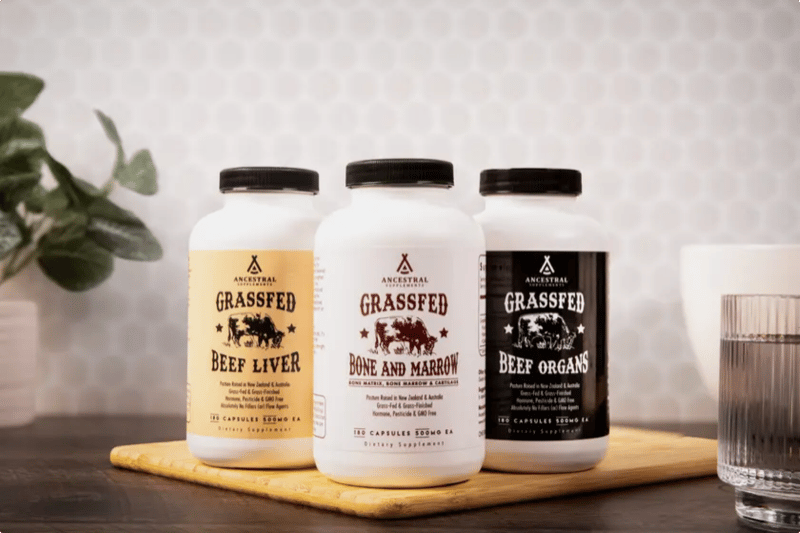
- Liver
- Shellfish such as mussels and oysters
- Sardines
- Dark poultry meat
If you follow a vegetarian or vegan diet, ferritin support becomes more about strategy. Plant-based iron is harder to absorb, so pairing foods well matters more.
2. Pair iron with vitamin C
Vitamin C helps convert iron into a form your body can absorb more easily, especially if most of your iron comes from plant foods. “Vitamin C alongside non-heme iron substantially improves uptake,” says Hallett. This could look like:
- Squeezing lemon over lentils or beans
- Adding peppers to bean-based meals
- Having kiwi, berries, or citrus with an iron-rich lunch
- Adding tomatoes to meals with legumes or leafy greens
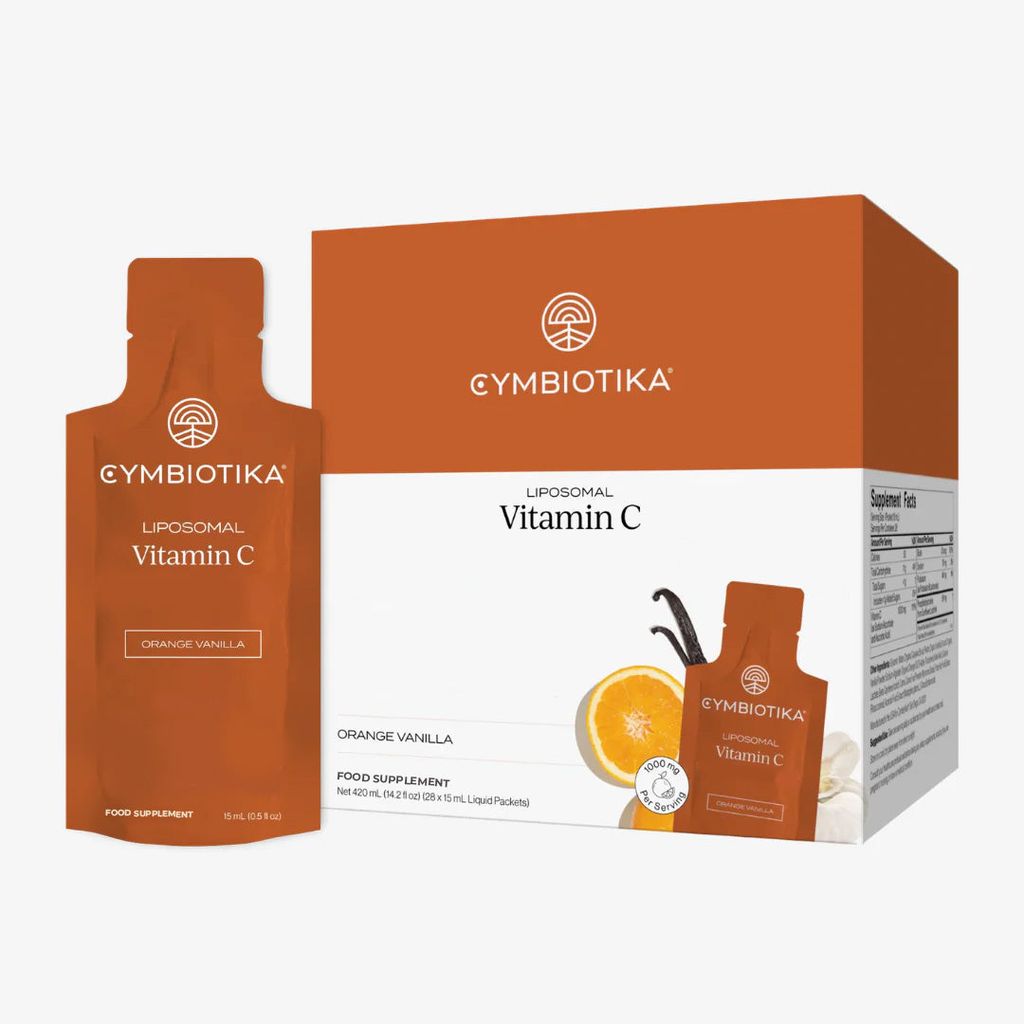
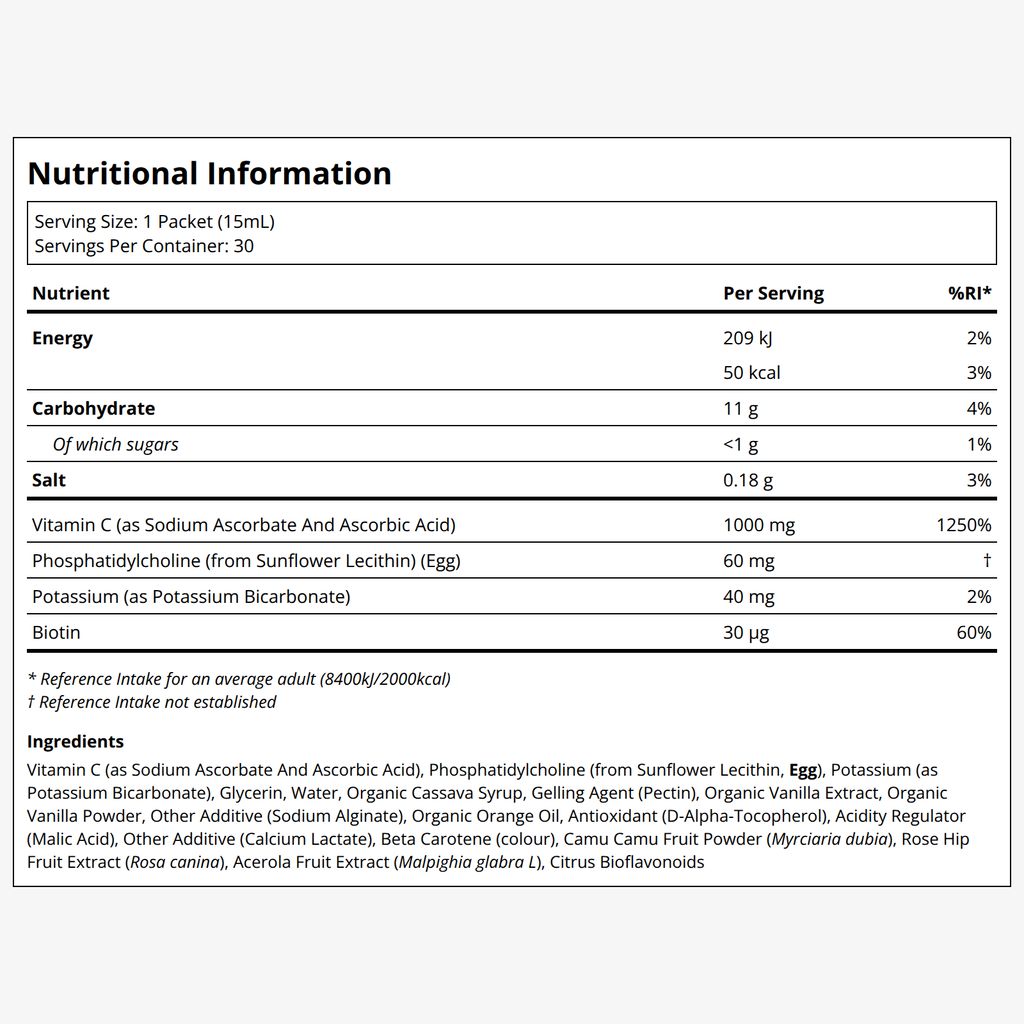
If food pairings feel unrealistic day-to-day, taking iron alongside a vitamin C supplement can help support absorption.
3. Stop accidentally blocking absorption
Sometimes, improving ferritin is less about adding more iron and more about removing the things getting in the way. Tea and coffee are a big one. “Drinking either within an hour either side of an iron-rich meal can reduce absorption by up to 60%,” says Hallett. If you’re rebuilding ferritin, it may be worth moving coffee slightly later rather than having it with breakfast or supplements.
Other things that can interfere include:
- Calcium supplements
- Large amounts of dairy alongside iron-rich meals
- Antacids
- Zinc or other mineral supplements taken at the same time
If most of your iron comes from plant foods, preparation can matter too. Soaking, sprouting, or fermenting grains and legumes may help reduce compounds called phytates, which can make iron harder to absorb.
4. Be strategic with supplements
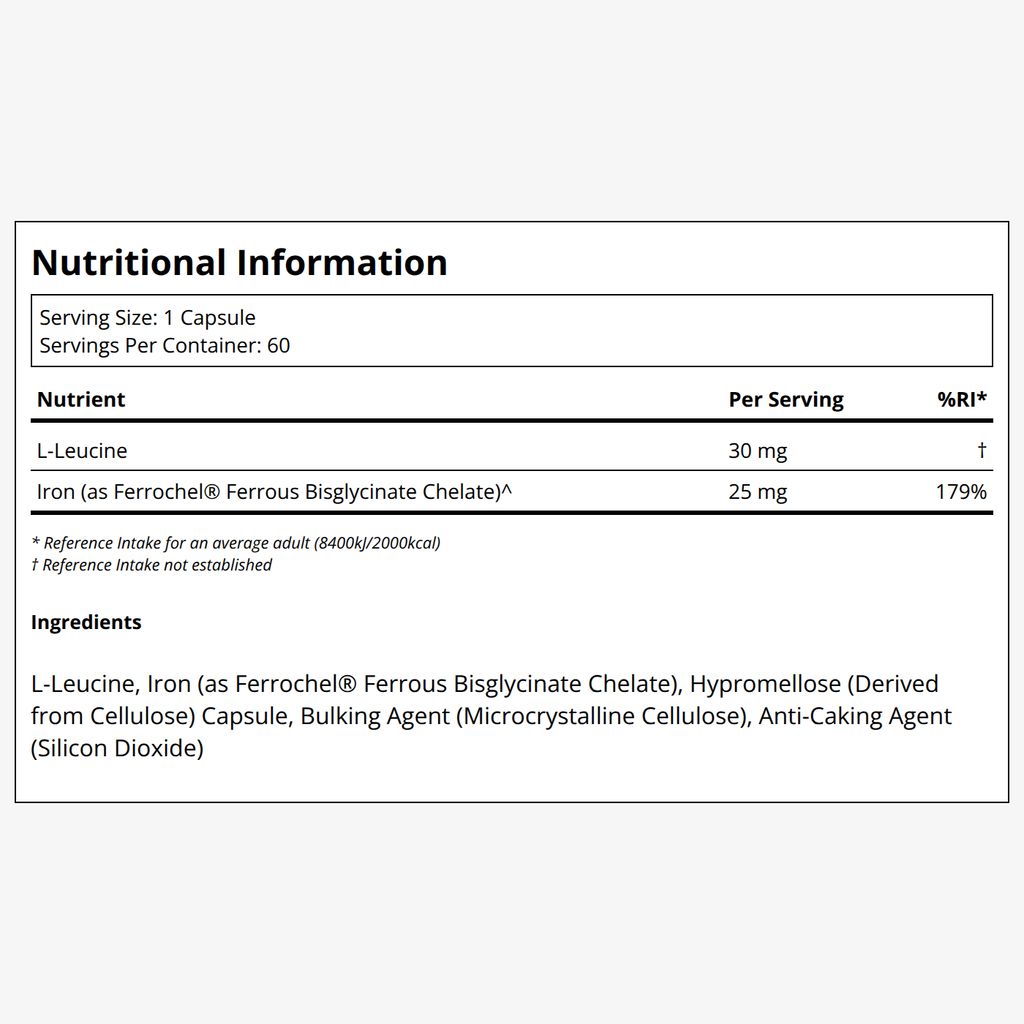
If ferritin is very low, food alone might not be enough. “Ferrous bisglycinate tends to absorb better and causes fewer side effects than ferrous sulphate,” says Hallett. “It’s ideally taken on an empty stomach and away from tea, coffee, and calcium.”
Timing matters too. Taking iron with milk, tea, calcium, or other mineral supplements like zinc at the same time can blunt absorption. Feeling better also does not necessarily mean stores are fully rebuilt, which is why follow-up testing matters.

5. Figure out what’s draining your ferritin
If your ferritin levels keep dropping or never seem to improve, it’s worth asking why.
Heavy periods, gut issues, low stomach acid, coeliac disease, H. pylori, intense endurance training and chronic inflammation can all make it harder to maintain healthy iron stores. If you also struggle with bloating, digestive discomfort, or heaviness after meals, poor absorption may be worth exploring too.
How long does it take to raise ferritin?
Probably longer than you’d hope. You might start to feel better before your ferritin stores have fully caught up, but it’s important to remember that truly rebuilding iron stores takes time. Dr. Diamandis says she typically rechecks ferritin after around three months. “Symptoms often improve at six to eight weeks, although hair-related changes can take much longer, sometimes six to 12 months.” Hallett sees a similar pattern: “Rebuilding ferritin to a functional level above 50 to 70 mcg/L often takes three to six months, sometimes longer.”
Feeling better is a good sign, but it does not necessarily mean ferritin stores are fully rebuilt yet.
Can low ferritin cause hair loss and fatigue?
It can, particularly when the two show up together. Ongoing tiredness and increased hair shedding are often what prompt someone to look into ferritin in the first place. Fatigue linked to low ferritin is often the kind that does not properly improve with rest, according to Dr. Diamandis. It’s less “I need an early night” tired and more a lingering exhaustion that sleep does not seem to fully shift. Hair changes tend to show up as increased shedding or thinning over time, rather than sudden dramatic loss.
Hair growth is surprisingly demanding from an energy perspective, so when iron stores are running low, the body prioritises more essential functions first.
Ferritin is not the only possible explanation, though. Thyroid health, hormones, stress, poor sleep, and under-fuelling can all contribute to low energy and hair changes too. If both are showing up at the same time, ferritin is one useful place to investigate.
When should you check ferritin levels?
If symptoms have been hanging around and nothing quite explains them, it’s worth checking in on your ferritin. Dr. Diamandis recommends testing if you:
- Have heavy or irregular periods
- Are pregnant, postpartum, or planning pregnancy
- Do a lot of endurance training
- Follow a vegetarian or vegan diet
- Feel persistently tired, foggy, or unlike yourself without a clear reason
You know what your ‘normal’ is better than anyone. If something feels off and the usual explanations are not stacking up, ferritin is one of the more useful places to look.
If this all feels a little too familiar, testing can help take some of the guesswork out of it. Our Healf Zone at-home blood testing looks at 38 key biomarkers, including markers relevant to energy, recovery, and nutrient status, helping you build a clearer picture of what may actually be driving symptoms.
You also have the option to speak with a Healf Zone nutritionist to go through your results and work out what’s genuinely worth focusing on rather than guessing.
So, what should you actually do?
If all this seems familiar, and you think you may have low ferritin, start by getting specific. Check your ferritin levels rather than guessing, especially if tiredness, hair shedding or poorer recovery have been hanging around for a while.
From there, think bigger than simply “eat more iron”. Ferritin is shaped by absorption, periods, training load, gut health, inflammation and how consistently you’re supporting recovery overall.
The good news is that low ferritin is usually something you can improve. A few smart changes done consistently tend to go much further than trying to overhaul everything overnight.
Your ferritin questions, answered
Is ferritin the same as iron?
Not quite. Iron measures what is circulating in your bloodstream at that moment, while ferritin reflects stored iron. You can have “normal” iron levels but still have low ferritin.
Why is my ferritin low but haemoglobin normal?
Likely because ferritin measures stored iron, while haemoglobin reflects oxygen transport. Iron stores can become depleted before anaemia develops.
Can you have low ferritin without anaemia?
Yes. Many people experience fatigue, hair loss, and poor concentration despite normal haemoglobin.
What foods increase ferritin fastest?
Haem iron foods such as red meat, liver, and shellfish tend to be absorbed most effectively.
How long does it take to increase ferritin levels?
Symptoms may start improving within six to eight weeks, but ferritin stores usually take longer to rebuild. For many people, this means around three to six months, depending on the starting level, absorption, and what’s causing ferritin to stay low.
What blocks iron absorption?
Tea, coffee, calcium, dairy, and some medications like antacids can interfere with iron absorption if taken too close to meals or supplements.
Should I take iron morning or night?
Timing depends on tolerance and the supplement form. Many iron supplements absorb best on an empty stomach, but consistency matters most.
Can low ferritin cause anxiety?
Low ferritin can contribute to symptoms like fatigue, poor concentration and feeling physically run down, which may overlap with anxiety symptoms in some people.
Can low ferritin affect hormones?
Indirectly, yes. Heavy periods are a major driver of low ferritin, and hormonal changes during perimenopause or pregnancy can influence iron needs.

This article is for informational purposes only, even if and regardless of whether it features the advice of physicians and medical practitioners. This article is not, nor is it intended to be, a substitute for professional medical advice, diagnosis, or treatment and should never be relied upon for specific medical advice. The views expressed in this article are the views of the expert and do not necessarily represent the views of Healf
Samantha Nice is a seasoned wellness writer with over a decade of experience crafting content for a diverse range of global brands. A passionate advocate for holistic wellbeing, she brings a particular focus to supplements, women’s health, strength training, and running. Samantha is a proud member of the Healf editorial team, where she merges her love for storytelling with industry insights and science-backed evidence.
An avid WHOOP wearer, keen runner (with a sub 1:30 half marathon) hot yoga enthusiast and regular gym goer, Samantha lives and breathes the wellness lifestyle she writes about. With a solid black book of trusted contacts (including some of the industry’s leading experts) she’s committed to creating accessible, well-informed content that empowers and inspires Healf readers.