





















_2026-10-13_14-11-48.png)


Why Hair Thins And What Actually Works To Slow Hair Loss
From DHT and follicle miniaturisation to red light therapy and PRP, expert trichologist Hannah Gaboardi explains the science of hair loss and which non-surgical approaches are genuinely worth your time.
Written by: Samantha Nice
Written on: 12 January 2026
Hair thinning happens when the hair growth cycle becomes disrupted, follicles gradually shrink or shedding outpaces regrowth. For millions of men and women, changes in hair density, widening partings or increased shedding are often one of the earliest visible signs that something deeper is happening in the body. Hormonal shifts, nutrient deficiencies, inflammation and chronic stress can all cause hair to thin long before other symptoms appear.
At the same time, the hair-loss space has become increasingly noisy. From viral oils and supplements to laser caps and injectables, advice moves fast and claims often contradict one another. It’s difficult to know what’s genuinely evidence-based, what’s early-stage science and what’s simply good marketing.
To bring clarity to the conversation, we spoke to expert trichologist Hannah Gaboardi, whose work is rooted in scalp biology, clinical testing and personalised treatment plans. Here, she explains why hair thins, how different types of hair loss behave and which non-surgical approaches are genuinely worth your time, money and consistency.
Shedding, thinning and balding aren’t the same thing
One of the biggest misconceptions Hannah sees is that all hair loss is the same. Biologically, it isn’t. “There is a difference between hair shedding and hair loss or balding,” Hannah explains.
Temporary shedding = telogen effluvium
“Hair shedding is called telogen effluvium,” she says. “It’s a temporary form of hair shedding that happens when a higher-than-normal number of follicles shift prematurely into the resting phase of the hair growth cycle.” This often happens after internal stress, such as:
- Illness or infection
- Nutrient depletion
- Hormonal disruption
- Postpartum changes
- Medication or contraceptive changes
- Psychological stress
Another important thing to note here is that shedding usually appears a few months after the trigger, which is why it can feel sudden and confusing. “People most at risk are those with existing imbalances,” Hannah adds, including anaemia, thyroid issues or hormonal conditions. “When vital nutrients are already low, losing more can speed up the process.”
Hair thinning and balding = progressive follicle change
Hair thinning and pattern hair loss follow a different mechanism entirely. “Hair thinning is primarily driven by androgens, particularly dihydrotestosterone (DHT),” Hannah explains. Over time, DHT causes follicles to shrink and miniaturise, producing finer, shorter hairs until the follicle eventually stops producing hair altogether.
What is DHT and why does it matter so much?
DHT (dihydrotestosterone) is a hormone derived from testosterone. In those who are genetically sensitive to it, DHT binds to hair follicles and gradually weakens them. “Androgenetic alopecia is caused by excessive amounts of DHT,” Hannah explains. “This causes the follicle to shrink and become miniaturised.” This typically affects:
- Both men and women
- Often worsens with age
- Is influenced by genetics and hormones
For women, hormonal shifts play a pretty big role. “Menopause is one of the biggest causes of hair thinning in women,” Hannah says. “The drop in estrogen shortens the hair growth cycle, while higher relative levels of androgens like DHT shrink follicles.”
Is all hair loss hormonal?
DHT and hormones play a major role in most cases of hair thinning, but they’re not the whole story. “There are many different types of alopecia, each with different underlying drivers,” Hannah explains, and not all of them are hormonal. In practice, hair loss tends to fall into a few broad categories:
- Hormonal hair loss, including androgenetic alopecia, PCOS-related thinning and menopause-related changes driven by shifts in estrogen and androgens.
- Chronic telogen effluvium, where prolonged internal imbalance keeps hair stuck in the shedding phase.
- Autoimmune hair loss, such as alopecia areata. “The immune system mistakenly targets hair follicles,” Hannah explains, “leading to sudden and unpredictable hair loss in localised patches.”
- Nutrient-driven hair loss, linked to low ferritin, vitamin B12, vitamin D or zinc deficiencies.
- Stress-related hair loss, where elevated cortisol disrupts the normal hair growth cycle.
This distinction matters because the solution depends entirely on the cause. A treatment that works well for DHT-driven thinning, may do very little for autoimmune or nutrient-related hair loss. This is why an accurate diagnosis is one of the most important things you can do in any hair-loss plan that’s actually going to get you good results.
Can hair loss be slowed once it starts?
Yes, but timing really is critical. “Hair loss can be slowed and prevented by using the correct plan,” Hannah explains. “As mentioned, the first step is identifying the type of hair loss early, before irreversible follicle damage occurs.” Once follicles have fully miniaturised, regrowth becomes much harder. Early intervention focuses on:
- Slowing progression
- Protecting existing follicles
- Improving the scalp environment
Which non-surgical approaches actually have strong evidence?
For those understandably not wanting to go down the surgical route, there are some worthwhile non-surgical options with real science behind them. The trick with these is that they work best when layered, personalised and used consistently. “The strongest evidence sits with approaches that address both the hair follicle itself and the internal drivers influencing it,” Hannah explains. The non-surgical interventions with the most clinical support include:
- Anti-androgenic approaches to reduce the impact of DHT on genetically sensitive follicles.
- Minoxidil (topical or oral), to prolong the growth phase of the hair cycle and stimulate follicle activity.
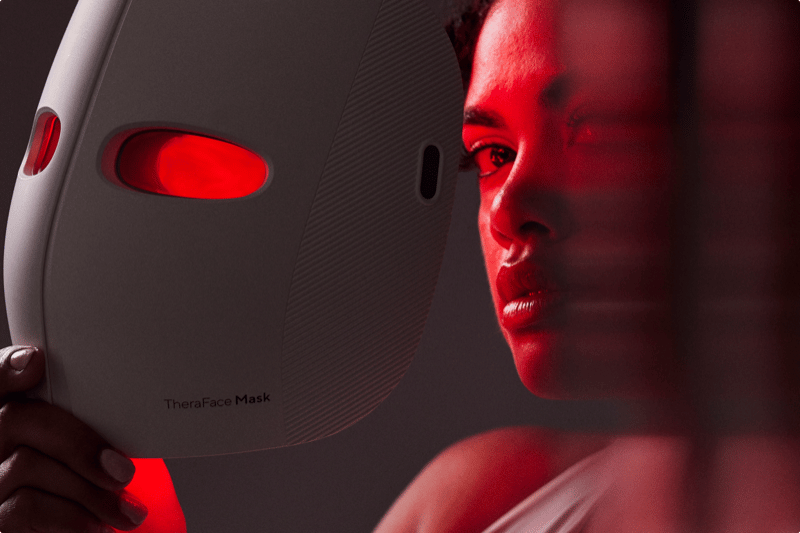
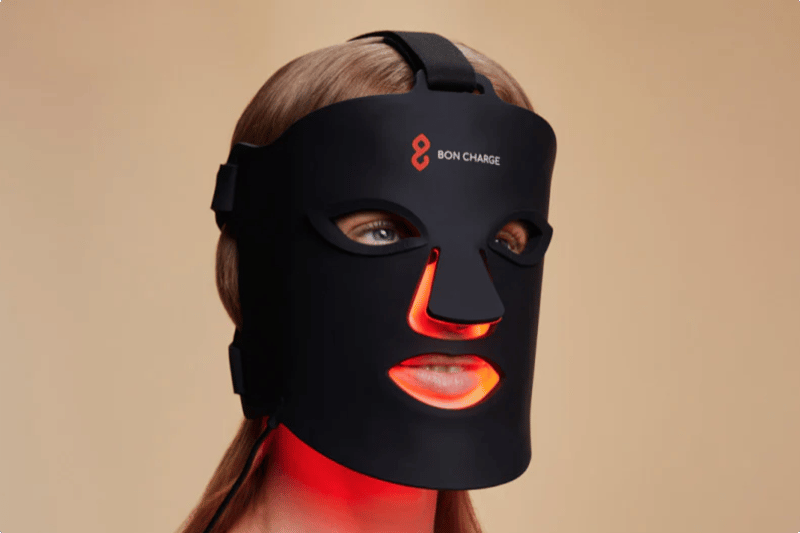
- Medical-grade red light therapy (LLLT) to improve scalp circulation, reduce inflammation and support follicle metabolism.
- PRP (platelet-rich plasma) to enhance follicular signalling, density and thickness using your body’s own growth factors.
- Microneedling (professionally delivered) to stimulate collagen production and improve follicle responsiveness.
- Correcting internal deficiencies - particularly ferritin (iron stores), vitamin D, B12, zinc and thyroid imbalance.
“Hair growth can’t be optimised without internal balance,” Hannah adds. “Treatments work best when the body is supported from the inside, as well as the outside.”
Red light therapy and why the Blueprint cap stands out
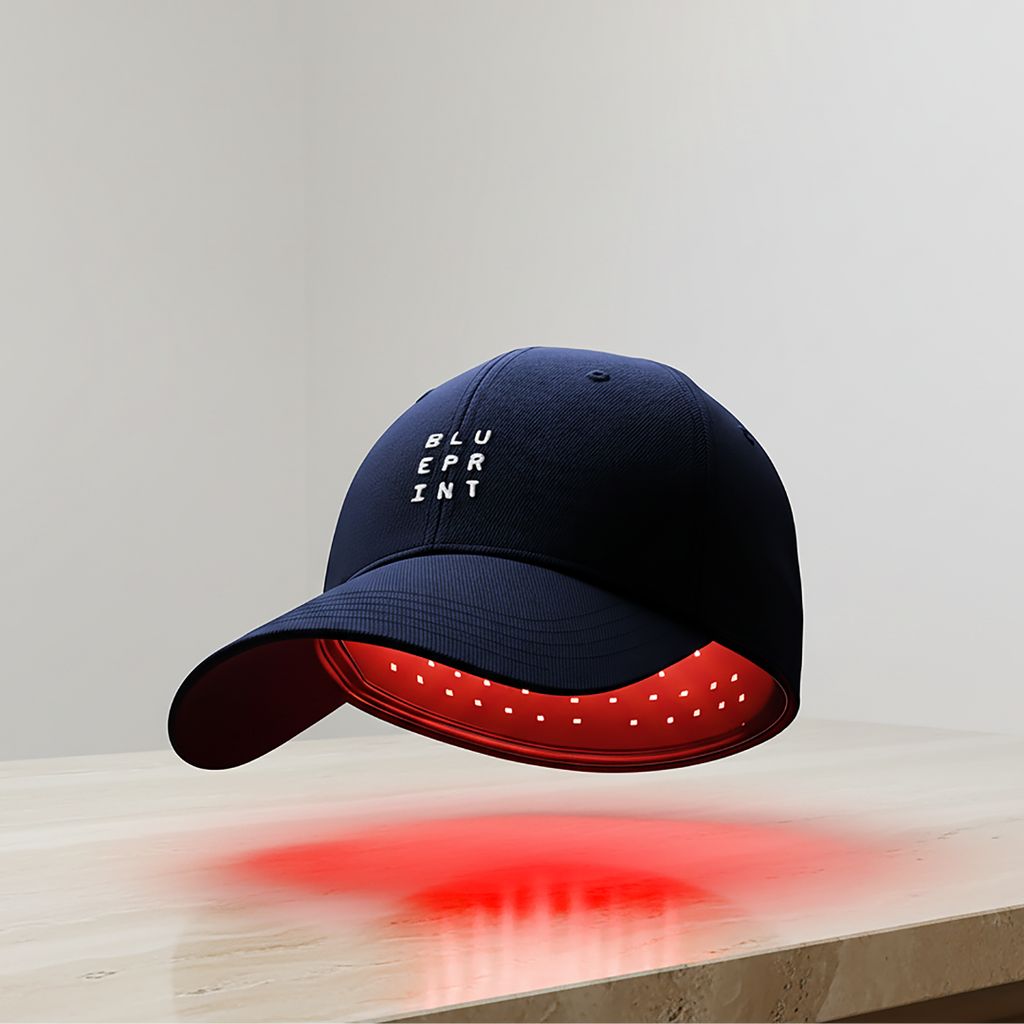
“Red light therapy is used as a non-invasive method to stimulate hair follicles and encourage growth,” Hannah explains. At a cellular level, low-level laser therapy (LLLT) works by delivering red light at a clinically validated wavelength (around 650nm) to the scalp, which has been shown to:
- Increase blood flow and oxygen delivery to follicles
- Improve cellular metabolism within follicle cells
- Reduce inflammation in the scalp environment
- Extend the growth (anagen) phase of the hair cycle
Where many at-home devices fall short is power and precision. Medical-grade LLLT uses laser diodes, not LEDs which is a distinction that matters. The Blueprint 302 Laser Cap uses 302 FDA-cleared medical-grade laser diodes, to deliver full-scalp coverage in just six minutes a day. Laser diodes produce significantly more precise intensity than LEDs, allowing light to reach follicles with clinically validated accuracy. With consistent use (we’re talking every day), studies show visible and impressive improvements in thinning areas in as little as 16 weeks.
Hannah’s take is measured but optimistic. “Red light therapy on its own doesn’t guarantee results, but when combined with other treatments it becomes a powerful supportive tool.” For anyone seeking a drug-free, non-invasive option that fits easily into your daily routine, medical-grade red light therapy is one of the strongest tools available right now.

Microneedling, dermarollers and dermastamps: what actually helps
As mentioned, microneedling can support hair growth, but technique is everything. “Microneedling creates micro-tears in the scalp, triggering a wound-healing response,” Hannah explains. This process increases collagen production, improves blood flow and can stimulate dormant follicles. However, she’s cautious about unsupervised at-home dermarolling. “There are more risks than benefits,” she says. These include things like infection from improper sanitisation, scalp irritation or inflammation, triggering conditions like psoriasis or eczema or accidentally cutting the hair shaft. Her preferred option? “I recommend a dermastamp instead of a dermaroller,” Hannah explains. Dermastamps are more precise, less invasive and safer for targeting specific thinning areas without dragging across the scalp. When microneedling is done professionally or carefully at home with the right tool, it can meaningfully enhance the effectiveness of treatments like PRP, peptides and topical treatments.
Peptides are promising support, but they’re not a standalone solution
Peptides are one of the more interesting areas of emerging hair science but they do need context. “Peptides improve follicle signalling, scalp health and the growth environment,” Hannah explains. Early research suggests certain peptides may support microcirculation, reduce inflammation around follicles, strengthen the hair shaft and help follicles stay active for longer. What they don’t do however is block DHT.
“Peptides aren’t a replacement for proven medical treatments,” Hannah stresses. They’re best positioned as a supportive layer particularly for diffuse thinning, chemical damage or as part of a broader in-clinic plan. They tend to work best when combined with PRP, microneedling, red light therapy and hormone-focused approaches where needed. Think of peptides as optimising the environment, not overriding the underlying cause.
Supplements, nutrition and scalp products: what actually supports hair health
When it comes to hair loss, what’s happening internally matters just as much as what you apply topically… if not more. Hannah is clear that hair growth depends on having the right building blocks available in the body first. Without that foundation, even the most advanced treatments struggle to work.
Start internally with food and supplements that genuinely matter
“The key to maintaining healthy hair is focusing on internal factors like vitamins, nutrients and proteins,” Hannah explains. Without these, follicles simply can’t function optimally. The nutrients below are consistently linked to hair strength, density and resilience:
- Protein: “Protein is a building block for hair,” Hannah explains. “Deficiency can lead to hair thinning and loss.” Hair is made primarily of keratin, a protein structure, so inadequate intake can directly affect density and strength.
- Iron (ferritin): Iron supports oxygen delivery to hair follicles. “When iron levels are low, the body prioritises vital organs,” Hannah explains, “which means hair is often one of the first things to suffer.”
- Zinc: Zinc plays a role in hair tissue repair and follicle function, particularly during the growth phase.
- Biotin: “Biotin is crucial for keratin production,” Hannah says. While deficiency isn’t common, low levels can contribute to brittle hair and shedding.
- Vitamins A and E: These support scalp health, cellular turnover and antioxidant protection.
- Omega-3 fatty acids: Omega-3s help regulate inflammation and support scalp health, creating a more favourable environment for growth.
Hannah strongly emphasises food over pills where possible. “Food is the easiest source for the body to absorb vital nutrients,” she explains. Diets rich in lean proteins, healthy fats, fruits, vegetables and whole grains help reduce breakage, strengthen the hair shaft and support healthier growth overall.
Where collagen fits (and where it doesn’t)
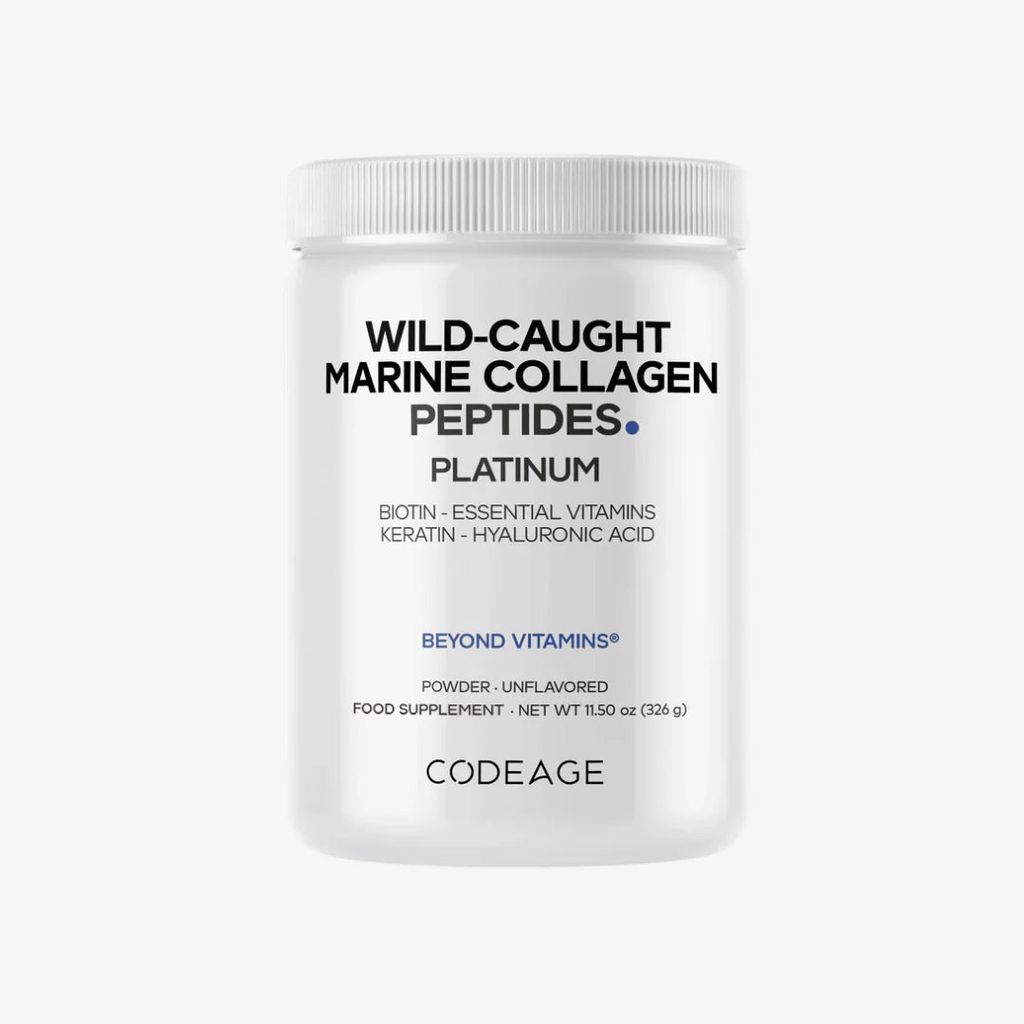
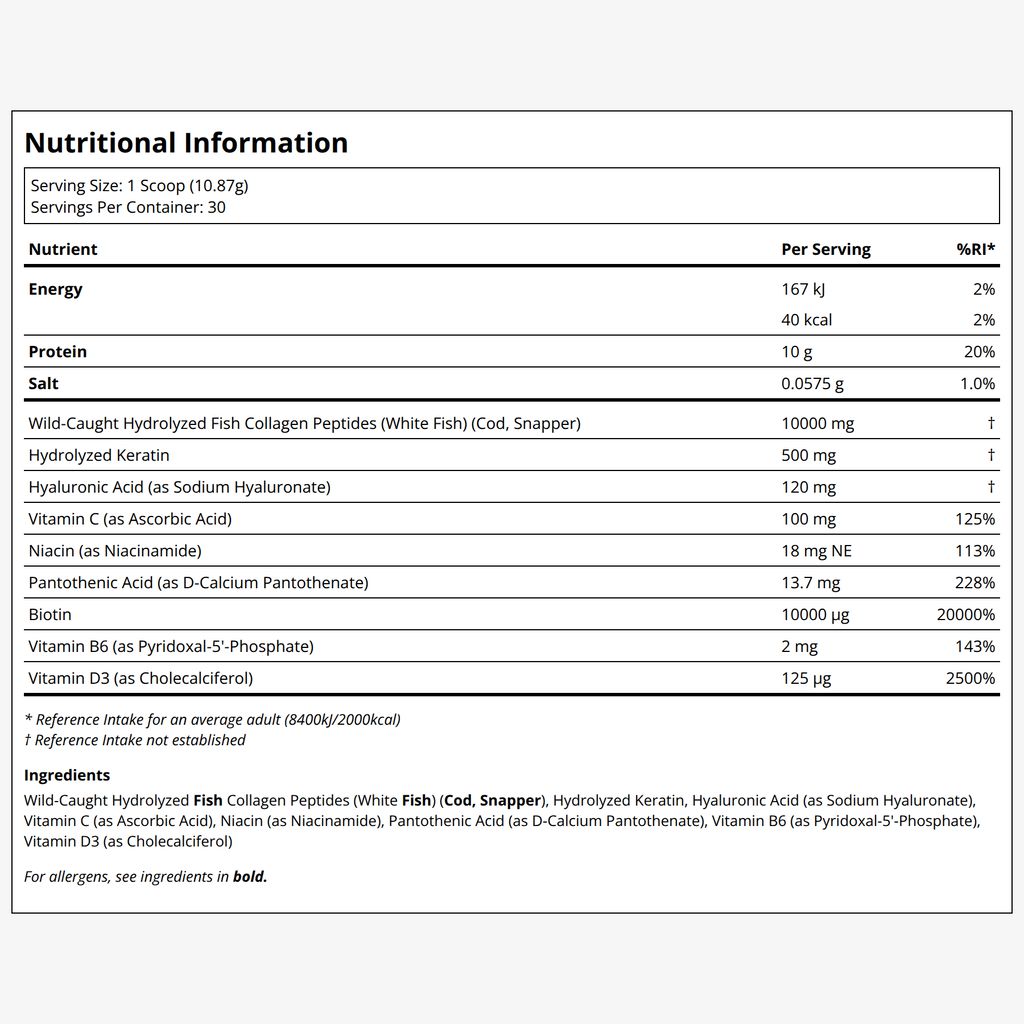
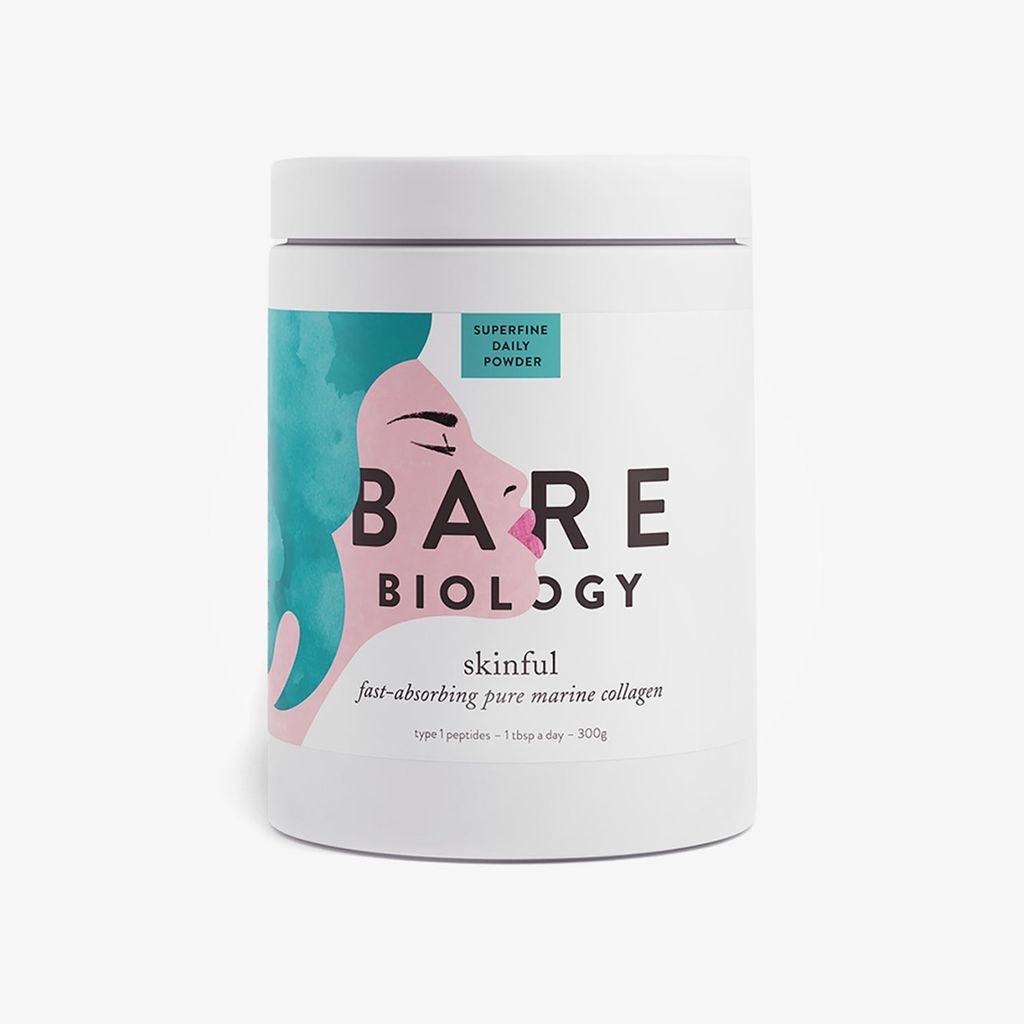
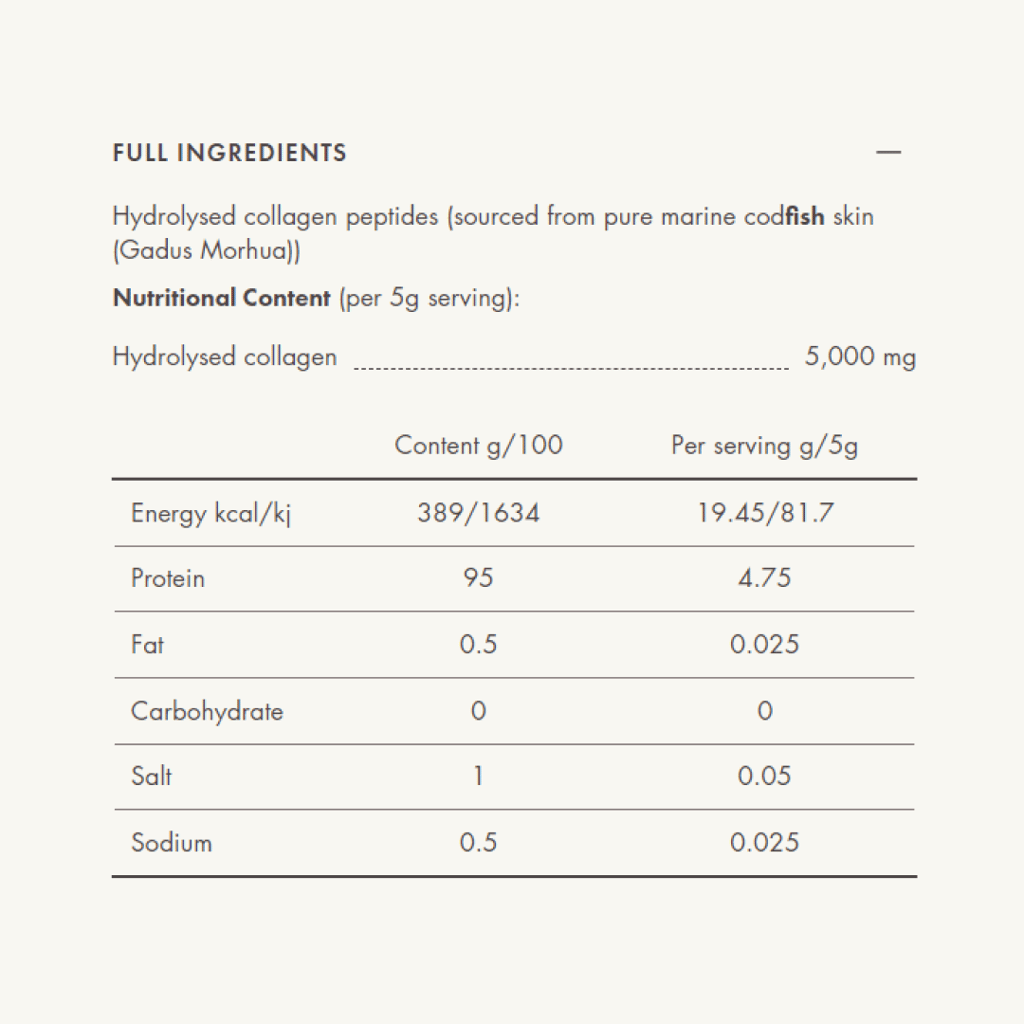
Collagen is heavily marketed in the hair-loss space and while it isn’t a cure, Hannah does see value in it. “Collagen plays a role in maintaining healthy hair, especially the scalp,” she explains. “It creates strength and elasticity in the scalp, leading to a healthier environment for hair to grow.”
As we age, collagen production naturally declines. “This leads to weaker scalp health and thinner follicles,” Hannah says, which can make hair appear more diffuse, dry and brittle over time. Collagen supplementation may help support scalp structure and reduce breakage, but it works best as part of a broader nutritional approach, not as a standalone fix.
What you apply: Scalp products and ingredients that actually help
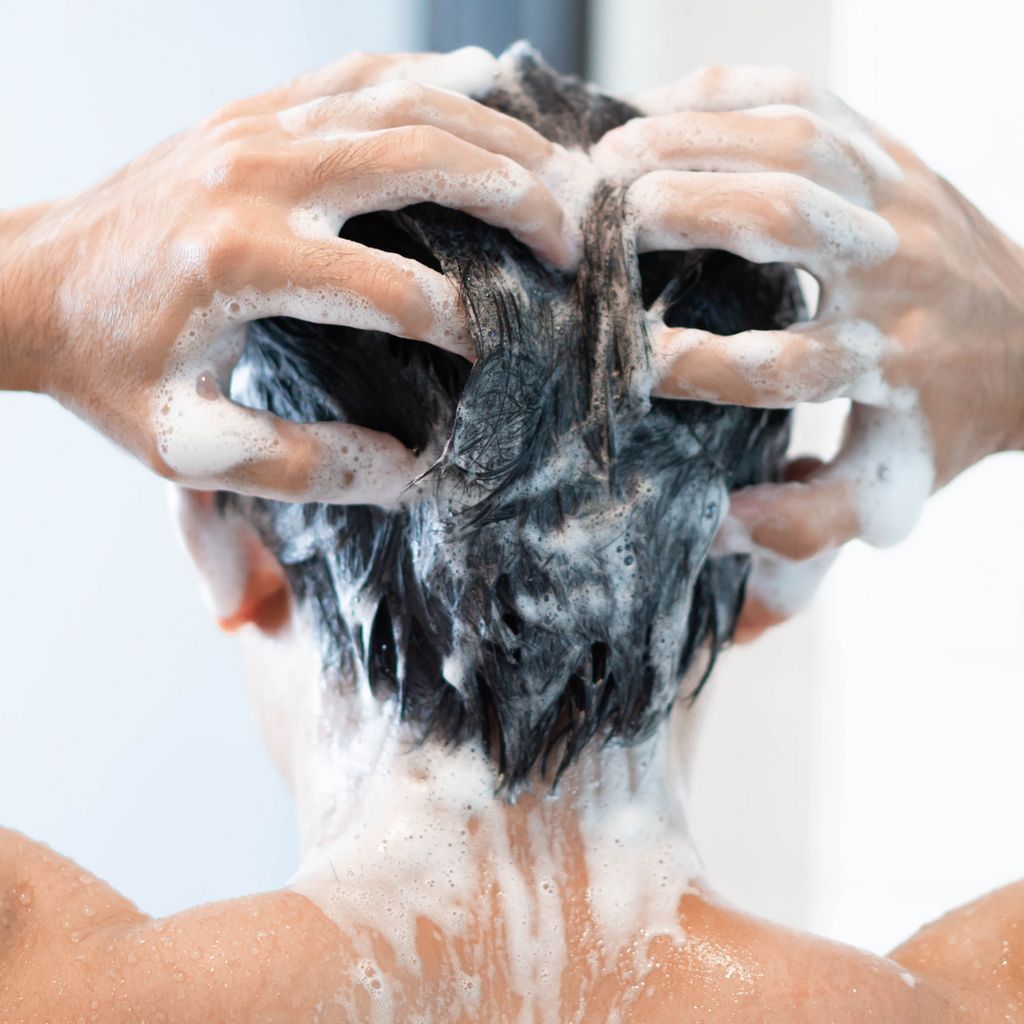
Topical products won’t regrow hair on their own, but they do matter. “Shampoos won’t directly promote hair growth,” Hannah explains, “but they help create a healthy scalp environment, which is essential.” When choosing haircare, she recommends ingredients that support circulation, reduce inflammation and help counteract DHT locally at the scalp:
- Niacinamide: helps support scalp barrier function
- Saw palmetto: may help reduce the local effects of DHT
- Caffeine: stimulates blood flow to follicles
- Menthol and peppermint: increase circulation and oxygen delivery
- Ketoconazole: an antifungal that reduces scalp inflammation and dandruff, but also has DHT-blocking properties.
- Pumpkin seed oil
- Aminexil
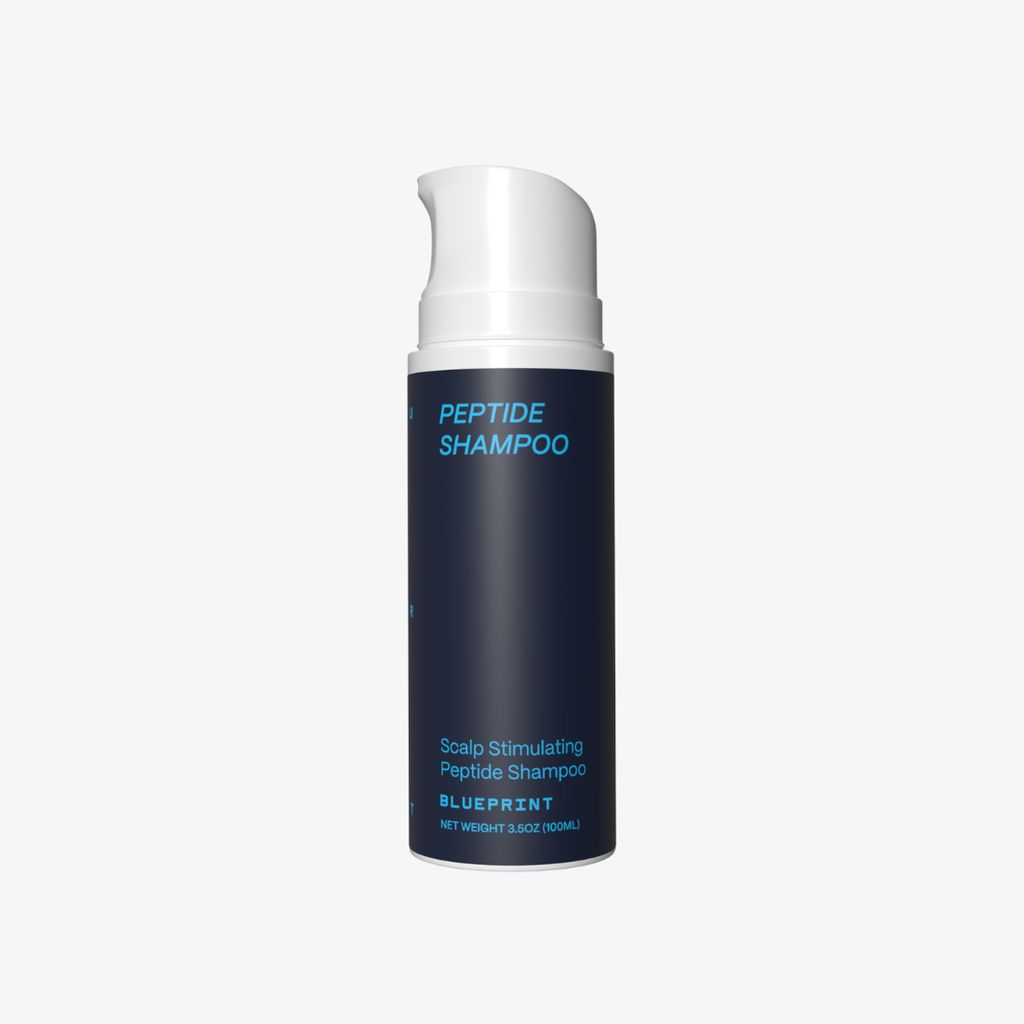
Peptide Shampoo

The hair oil myth (and why rosemary isn’t the answer)
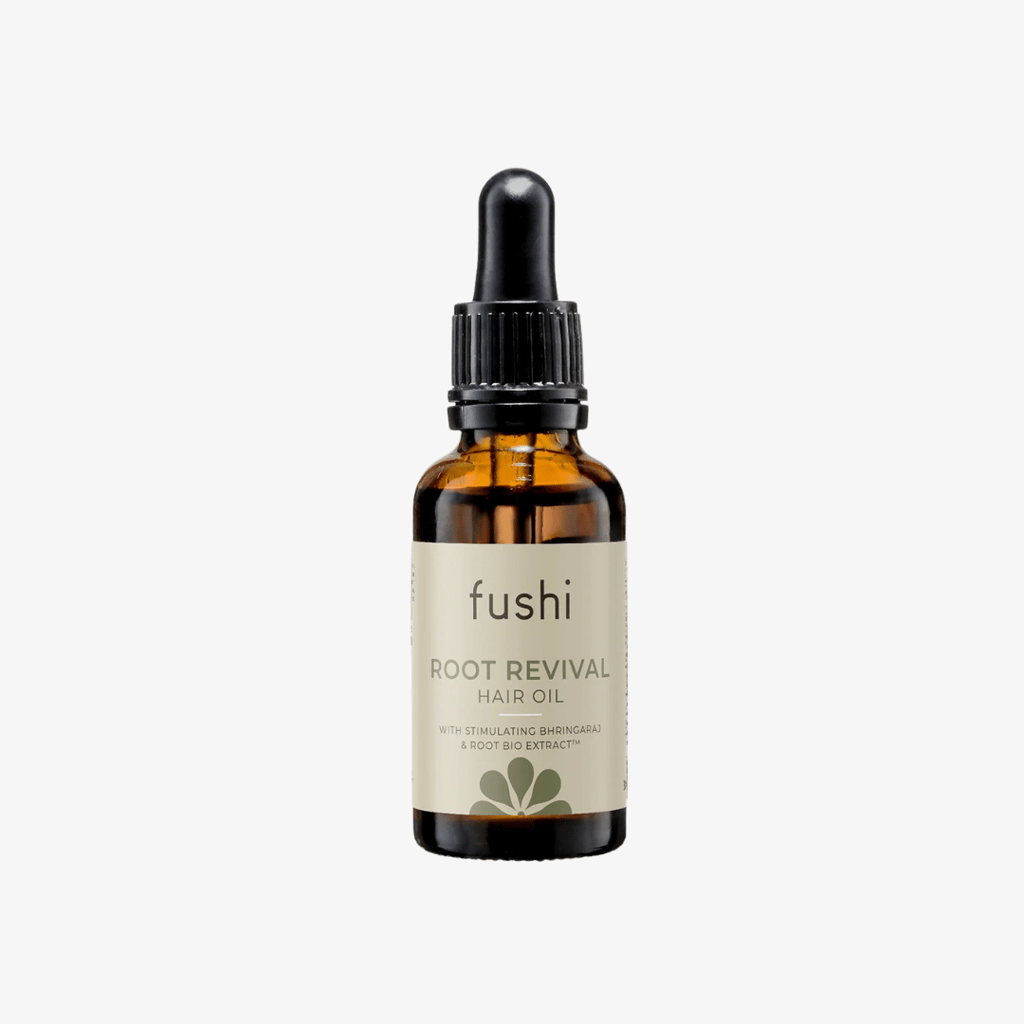
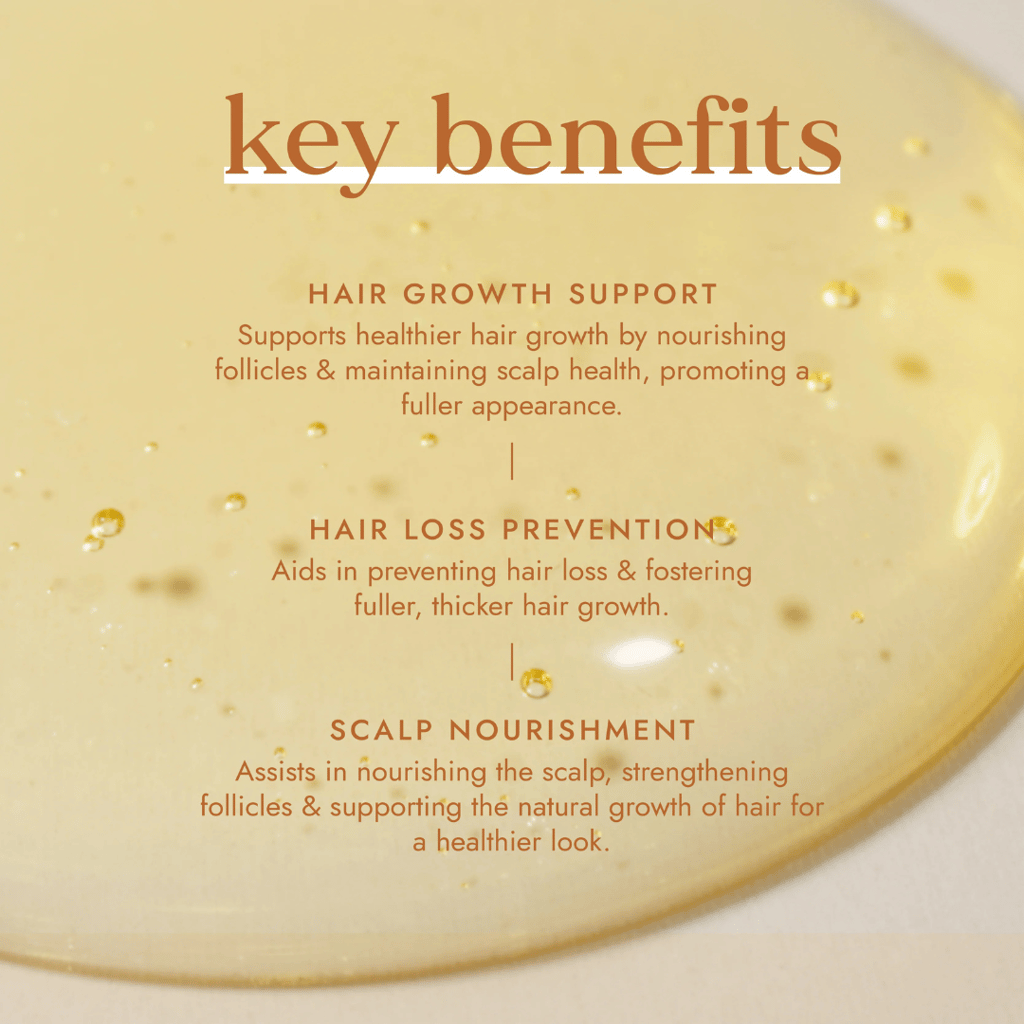
One of the biggest misconceptions Hannah sees online is the idea that oils can “fix” hair loss. “Hair oil won’t directly grow your hair,” she says plainly. Rosemary oil, in particular, is often promoted as a natural growth solution, but Hannah urges caution. “Rosemary oil can actually block follicles and delay growth depending on hair porosity,” she explains. “It can create a barrier on the follicle, cause buildup and worsen scalp conditions like seborrheic dermatitis or psoriasis.” While rosemary oil may have mild stimulatory effects, Hannah is clear there are no long-term studies showing meaningful hair regrowth. For some people, excessive oil use may actually worsen shedding or inflammation.
The bottom line when it comes to supplements and products
They can support hair health yes, but only when they’re used in the right context.
- Internal deficiencies need to be identified and corrected first
- Food should be the foundation, with supplements filling genuine gaps
- Topical products support the scalp environment, not follicle regeneration
- Oils are not treatments and they can backfire for some
We’re sorry to say but lair loss isn’t solved by one ingredient or product. It’s about creating the right internal conditions, reducing inflammation and supporting follicles over time with science, not shortcuts.
What a realistic, science-backed hair routine actually looks like
“Hair loss is about addressing the full picture,” says Hannah whose clinical approach follows a clear sequence: assess first, stabilise second, then support long-term regrowth and resilience. Here’s what that looks like in practice.
Step 1: Assess before you act
Before adding treatments, supplements or topical products, it’s essential to understand why the hair is thinning or shedding in the first place. “Seek professional advice as soon as you notice changes,” Hannah explains. “When there is an internal imbalance, the hair suffers first.”
This is where comprehensive testing becomes invaluable. Hair growth is particularly sensitive to markers such as ferritin (iron stores), vitamin D, zinc, active B12, thyroid hormones and sex hormones, all of which can sit “within range” while still being suboptimal for healthy hair growth. Inflammation, metabolic stress and hormonal imbalance can also quietly disrupt the hair cycle long before other symptoms appear.
Our very own Healf Zone at-home testing brings these insights together by assessing nutrient status, thyroid function, hormone balance and inflammatory markers alongside overall metabolic health. This makes it possible to identify underlying contributors to hair loss early… before follicle miniaturisation becomes harder to reverse. A proper assessment typically includes:
- Comprehensive blood tests Looking beyond standard GP ranges to assess ferritin, vitamin D, zinc, active B12, inflammatory markers and metabolic health.
- Hormonal panels Particularly important for women, as menopause, PCOS and thyroid imbalance are major contributors to thinning and shedding.
- Scalp and follicle analysis To determine whether hair loss is due to shedding, follicle miniaturisation, inflammation or autoimmune activity.
Without this step, treatment becomes guesswork… and hair follicles don’t respond well to guesswork.
Step 2: Stabilise hair loss at the follicle level
Once the cause is identified, the next goal is to slow progression and protect existing follicles. For hormone-driven thinning, the most evidence-based tools focus on preventing further miniaturisation and supporting the hair growth cycle:
- Addressing DHT where appropriate. Especially important in androgenetic hair loss, where follicles gradually shrink over time.
- Look into minoxidil (topical or oral). “Minoxidil works by widening blood vessels, improving blood flow to the follicle and prolonging the growth phase,” Hannah explains. Try medical-grade red light therapy. Used consistently, this can improve circulation, reduce inflammation and help follicles stay in the growth phase.
- Use scalp-supportive haircare to reduce inflammation, product buildup and irritation. This helps to create an environment where hair can actually grow.
This phase is about protecting what you already have before pushing for regrowth.
Step 3: Support regrowth and long-term resilience
Once hair loss is stabilised, supportive strategies help strengthen new growth and improve density over time. This may look like:
- Personalised supplementation that’s guided by blood results rather than blanket formulas.
- A nutrient-dense diet that’s big on protein, iron, omega-3s and key micronutrients to support follicle function.
- Stress and nervous system regulation. Chronic stress can push hair into the shedding phase. Techniques such as acupuncture, breathwork and adequate sleep can all support recovery.
- In-clinic treatments when appropriate “PRP, exosomes and microneedling can strengthen follicles and improve signalling,” Hannah explains, particularly when used alongside medical therapy rather than just on their own.
The takeaway
Hair thinning is not random and it’s rarely just cosmetic. It’s a biological process influenced by hormones, nutrient availability, inflammation, stress and follicle signalling.
Understanding why hair thins, whether driven by DHT, internal deficiencies or systemic imbalance, is the most important step in slowing hair loss and protecting long-term follicle health.
The most effective approach isn’t chasing trends or quick fixes. It’s early assessment, accurate diagnosis and evidence-based intervention layered consistently over time. When science leads the way, hair loss can often be stabilised, progression slowed and hair quality meaningfully improved. The key is acting early, supporting the body internally and giving follicles the environment they need to keep growing.
Your most asked hair loss questions, answered
Why does hair thin even when blood tests are “normal”?
Standard blood test reference ranges are designed to detect disease, not optimal hair growth. Markers such as ferritin, vitamin D, zinc and active B12 can sit “within range” while still being too low to support healthy follicles. Hair is highly sensitive to internal imbalances, meaning thinning often appears before other symptoms.
Is hair thinning reversible?
It depends on the cause and how early it’s addressed. Hair thinning caused by nutrient deficiencies, stress or telogen effluvium is often reversible once the underlying trigger is corrected. DHT-driven thinning can be slowed and stabilised with early intervention, but regrowth becomes more difficult once follicles are fully miniaturised.
How long does it take to see results when treating hair thinning?
Hair grows slowly, so visible improvements typically take three to six months. Treatments like red light therapy and minoxidil often show early improvements in shedding and density after around 12–16 weeks, with continued gains over time when used consistently.
Does rosemary oil actually help hair growth?
There is limited long-term clinical evidence showing meaningful hair regrowth from rosemary oil. In some cases, oils can cause scalp buildup, block follicles or worsen inflammatory scalp conditions. While rosemary oil may mildly stimulate circulation, it is not a reliable treatment for thinning or hair loss.
What is the most effective non-surgical treatment for hair thinning?
The strongest results come from layered, personalised approaches. These often include addressing DHT where relevant, using minoxidil, supporting follicles with medical-grade red light therapy, correcting nutrient deficiencies and improving scalp health. No single treatment works in isolation.



This article is for informational purposes only, even if and regardless of whether it features the advice of physicians and medical practitioners. This article is not, nor is it intended to be, a substitute for professional medical advice, diagnosis, or treatment and should never be relied upon for specific medical advice. The views expressed in this article are the views of the expert and do not necessarily represent the views of Healf
Samantha Nice is a seasoned wellness writer with over a decade of experience crafting content for a diverse range of global brands. A passionate advocate for holistic wellbeing, she brings a particular focus to supplements, women’s health, strength training, and running. Samantha is a proud member of the Healf editorial team, where she merges her love for storytelling with industry insights and science-backed evidence.
An avid WHOOP wearer, keen runner (with a sub 1:30 half marathon) hot yoga enthusiast and regular gym goer, Samantha lives and breathes the wellness lifestyle she writes about. With a solid black book of trusted contacts (including some of the industry’s leading experts) she’s committed to creating accessible, well-informed content that empowers and inspires Healf readers.