




















Andrew Huberman’s Stack For Ultimate Mental Performance And Brain Health
The neuroscientist and podcaster is known for translating complex science into a practical blueprint for how we eat, move and sleep. Here’s how to protect the grey matter that underpins it all

Written by: Ed Cooper
Written on: 25 February 2026
by Ed Cooper
In 2026, if you’re looking to improve any aspect of your health and wellbeing, the internet is usually the first port of call. Podcasts, listicles, long-form essays, YouTube deep dives and endless social feeds promise a better, smarter, more optimised you — if you can filter through the noise. American neuroscientist Andrew Huberman has built a reputation on doing exactly that. And it works.
The host of the immensely popular vodcast, Huberman Lab, is known for translating complex brain science into practical, no-frills tools listeners can immediately apply to their own lives. As an associate professor of neurobiology and ophthalmology at Stanford University School of Medicine, Huberman frequently shares the protocols he uses in his own life — from sleep and sunlight to supplementation and focus techniques.
One area he returns to again and again is memory and long-term brain health. After all, this truly dictates total-body health and wellbeing, especially as we age. Want to live a long time in great health? Start with your head. But rather than giving listeners a single silver bullet, Huberman’s list of do’s and dont’s provides small habits designed to keep the brain sharp, resilient, and adaptable. Here’s how you can harness Huberman’s brain power tips for yourself.
Brain health starts with the proper nutrition and supplementation
“Quality nutrition,” Huberman says on Huberman Lab, is one of “the most important steps toward robust mental and physical health.” He places it alongside sleep, sunlight, movement, and social connection as a foundational pillar of wellbeing. It’s not an optimisation trend, but a crucial part of your brain's biological infrastructure. On his vodcast, he explains that “the foods that we eat actually provide the structural basis… of the very neurons that allow us to think,” framing diet as literal brain-building material.
Don’t forget about omega-3 fatty acids
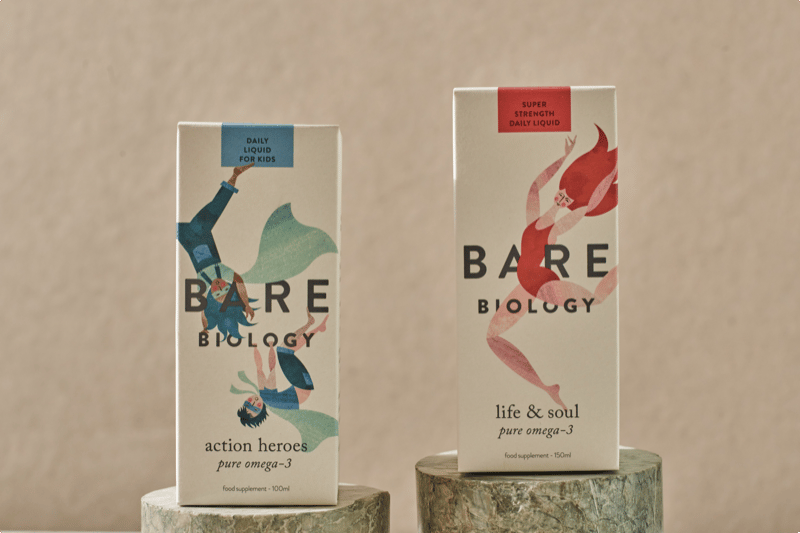
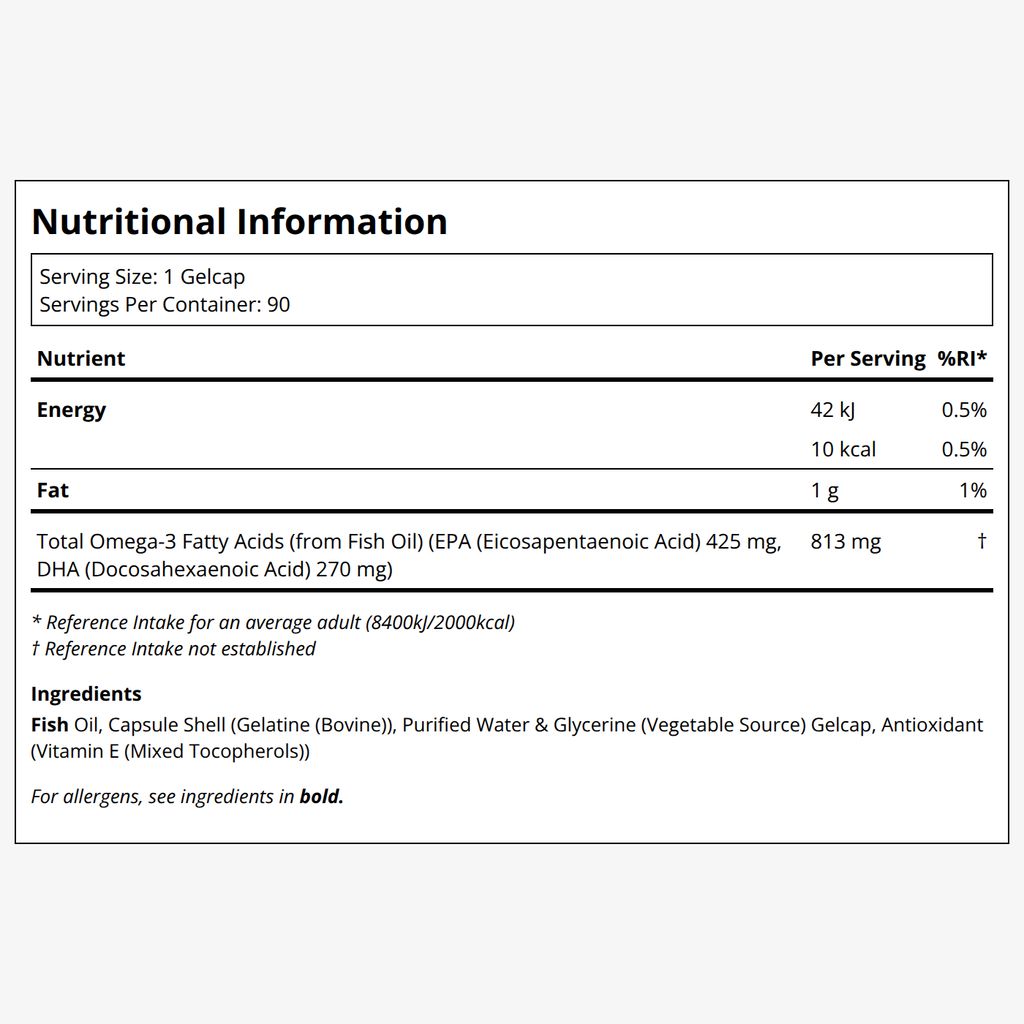
Huberman loves to talk about the importance of omega-3 fatty acids—and for good reason. They're absolutely critical for proper brain function, promoting cell membrane health and helping your brain cells communicate with each other. They can also have an anti-inflammatory effect, which is great for your brain and body.
“Eating foods that are rich in omega-3s, and/or supplementing with omega-3s can be very beneficial for cognitive function,” Huberman says, adding elsewhere on his platform that you should target a “minimum [of] one gram per day of EPA,” or Eicosapentaenoic Acid, which is a specific type of omega-3.
Specifically, he has been vocal about his support of Thorne Super EPA supplements.

Keep blood glucose levels stable
Another big nutrition tip? Maintaining stable energy levels. Huberman has noted that “you want to keep your blood glucose relatively steady without any big spikes or crashes” to support focus and mood. About 30 to 60 minutes of zone 2 cardio done three to four times a week should help with that. This exercise helps your body regulate blood sugar and insulin sensitivity, which in turn helps maintain steady energy, sharpens cognitive performance, and reduces mood swings.
Load up on creatine
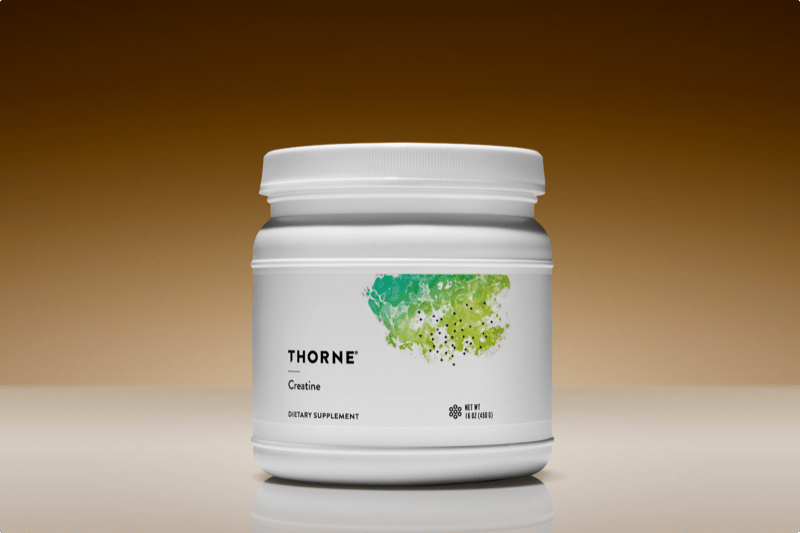
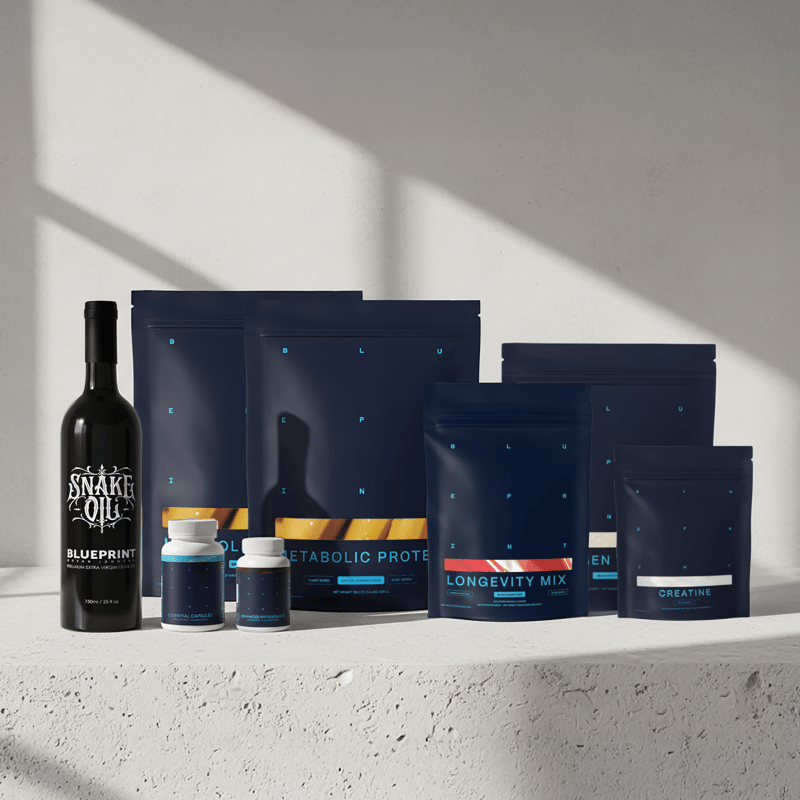
Once confined to the world of gym bros, creatine now has strong evidence suggesting it benefits both muscles and the brain, making it an important supplement for anyone, regardless of their workout habits. In fact, on his podcast, Huberman has explored creatine's potential abilities to ease symptoms of neurodegenerative diseases like Alzheimer's and Parkinson's, along with it's abilities to help regulate mood and boost both brain metabolism (converting nutrients into energy) and concentration.
A 2024 meta‑analysis of clinical trials found that creatine monohydrate supplementation appeared to improve memory, attention and processing speed in adults, suggesting genuine cognitive upside beyond muscle growth. Creatine monohydrate is the best‑studied form, and while dosing varies by body size and goals, many experts recommend around 3 to 5 g daily for general benefits — with higher intakes used in strength training protocols in practice.
Huberman says he generally takes about 5 grams of creatine monohydrate in the morning or after a workout.
Cut the alcohol
On one his most popular videos, Huberman describes alcohol as biologically disruptive, even when consumed at levels that many people would consider to be “moderate." He is very vocal about the fact he doesn’t drink, and touts the relative health benefits from abstaining, and drawbacks that come from imbibing.
Research shows that alcohol is linked with structural brain changes, including reduced cortical thickness and hippocampal shrinkage, and may accelerate cognitive decline over time. Huberman has pointed out that it also disrupts your gut microbiome and increases inflammation throughout the body. While public health guidelines vary, the science increasingly supports the view that consuming fewer alcoholic bevs is optimal for long-term brain health.
Exercise—and specifically HIIT work—is key for neurochemical pathways
Huberman reframes physical activity as not just something that's good for your heart, but a core component of brain health. Regular movement, he says, strengthens memory, accelerates skill learning, and helps the brain recover from stress or injury.
Not a big gym goer? Huberman has an answer for that, frequently citing a quote from Bill Bowerman, co-founder of Nike, who says that “if you have a body, you’re an athlete.”
On Huberman Lab, he explains that exercise triggers neurochemical pathways that enhance alertness, learning, and longevity. Key among these is brain-derived neurotrophic factor (BDNF), a protein that supports neuroplasticity, which is the brain’s ability to form new neural connections, reorganise existing networks and adapt to new experiences.
Huberman's approach to exercise for optimal brain health is actually pretty straightforward: 20 to 60 seconds of all-out sprints with 10 seconds of rest, repeated 8 to 12 times, on an Assault bike, rowing machine, ski erg, or treadmill/running. Even just one session a week can enhance cardiovascular health, stimulate neuroplasticity, and support overall cognitive performance, research shows.
Try a physiological ‘sigh’ to down-regulate the nervous system
Two concepts central to Huberman’s approach to mental fortitude are stress regulation and self‑awareness. One tool he often highlights for immediate nervous system down‑regulation is the physiological ‘sigh’ — two quick inhales through the nose followed by a long exhale — which neuroscience research shows can reduce stress and bring the autonomic nervous system back toward calm within seconds.
He is also a big advocate for emotional labelling — the practice of identifying and naming specific emotions, such as “I’m stressed and I’m craving snacks, but I recognise this is my body signalling tension, not hunger” — as a physiological regulator that helps reduce reactivity and improve self‑control. In theory, these practices cultivate self‑awareness and agency, which research links to better emotional processing. Huberman pairs this with gratitude and kindness exercises, both of which consistently show benefits for well-being and social connectivity.
Notably, his gratitude exercises are not the typical ones you’ve probably heard about, which often involve writing lists of things you’re grateful for or journaling (which don’t seem to have the same effect on neural circuitry, he says). Instead, Huberman recommends listening to or observing stories of people who receive something from another person and feel gratitude during difficult life moments. That observation — even of someone else’s story — triggers positive feelings in the observer, too.
Good sleep is the best nootropic
Speaking to Gina Poe, a sleep expert and professor in the Department of Integrative Biology and Physiology at the University of California, Los Angeles, Huberman discusses the perfect formula for improving your shut-eye, from supplementation to time spent in bed. Recent evidence, Poe explains, points towards the importance of going to bed at the same time every single night— including, crucially, the weekend — a behaviour that’s essential for the natural production of human growth hormone (HGH).
Here are some more toolkit items Huberman recommends on his website for great sleep (and enhanced cognition):
Avoid caffeine 8 to 10 hours before sleep.
Avoid bright lights between 10 p.m. and 4 a.m.
Limit naps to 90 minutes
Try a Yoga Nidra protocol if you wake up in the middle of the night.
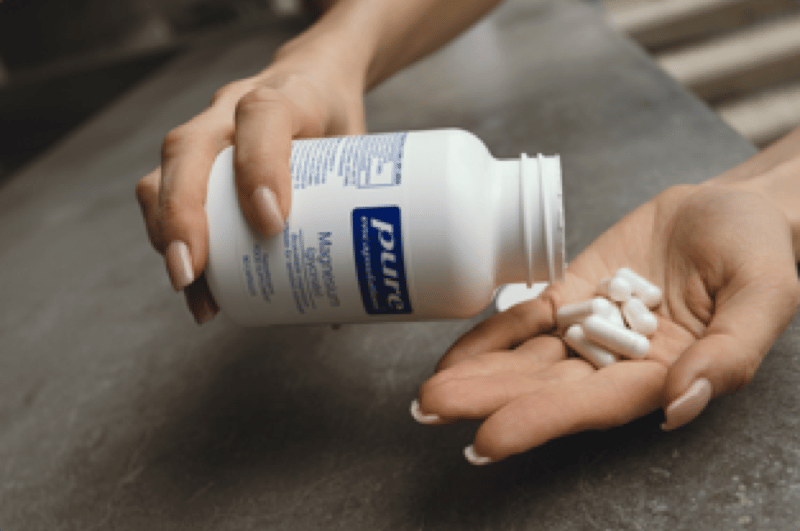
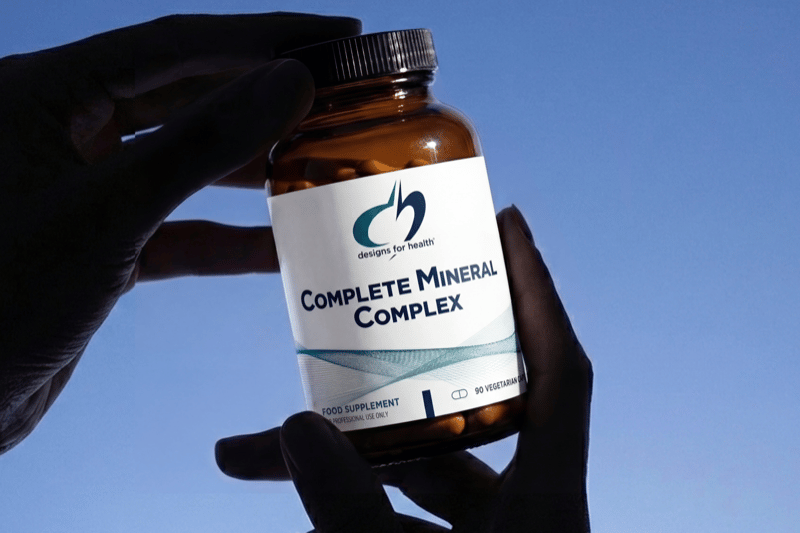
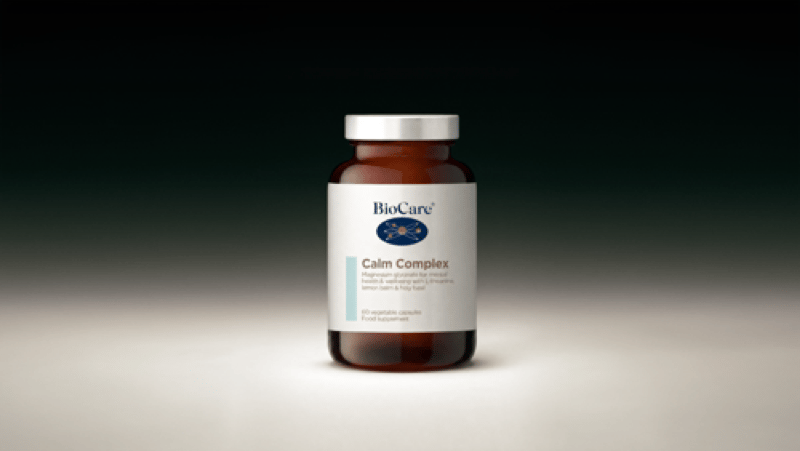
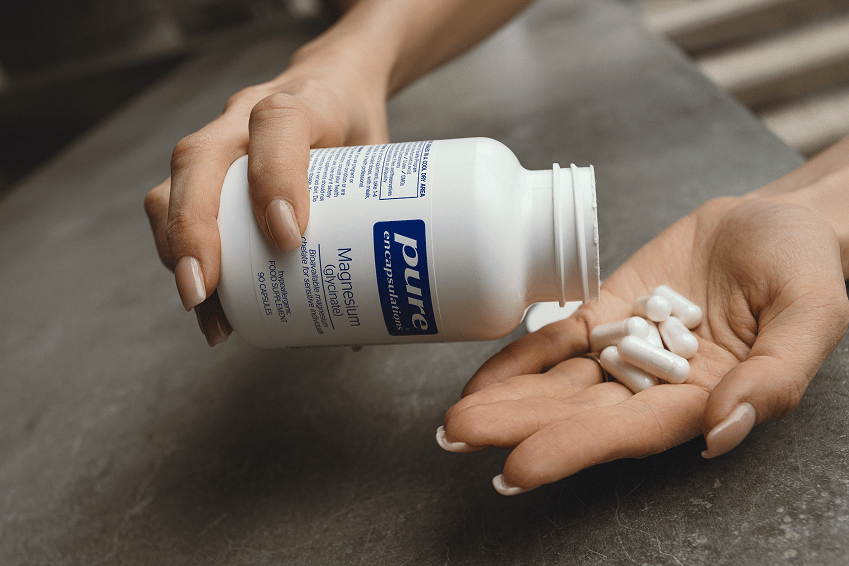
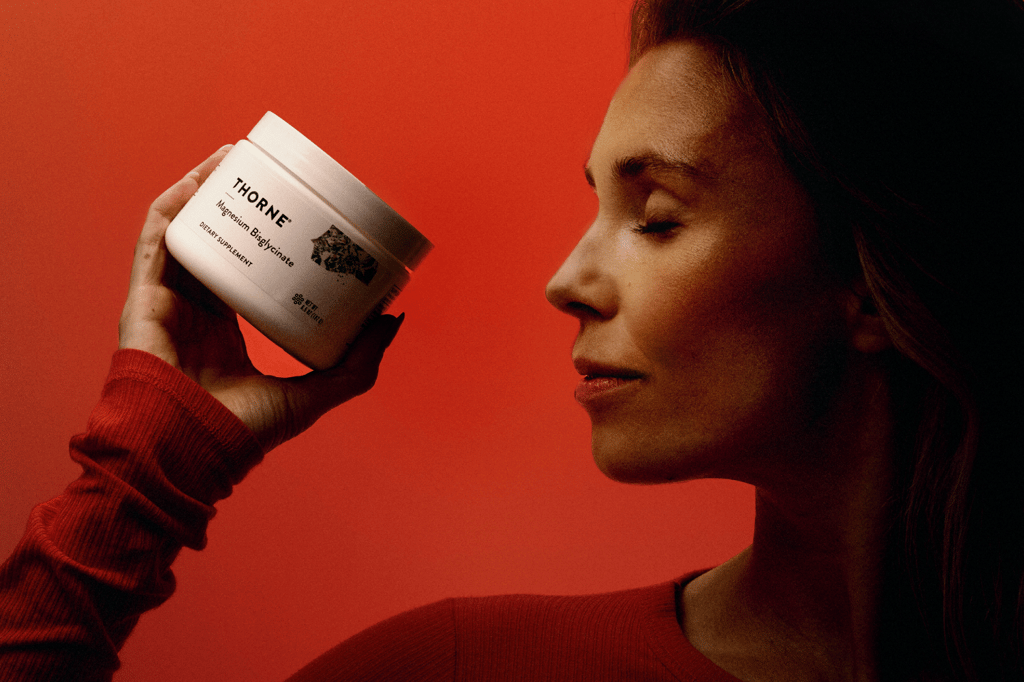
Try Magnesium Threonate, Apigenin, Theanine, or Magnesium Bisglycinate half an hour to an hour before bedtime.
Over the years, Huberman has become known as an advocate for behavioural change “(daily actions toward persistent wellbeing,” as he describes it), and Poe’s advice is the perfect example of this approach—by prioritising habits over sudden dietary changes, for example, you’re more likely to stick to them. Apply this to your sleep, Poe explains, and the higher levels of HGH will increase metabolism, aid tissue repair and even slow rates of aging. All of which makes sleep, as Huberman says, the best nootropic there is.




This article is for informational purposes only, even if and regardless of whether it features the advice of physicians and medical practitioners. This article is not, nor is it intended to be, a substitute for professional medical advice, diagnosis, or treatment and should never be relied upon for specific medical advice. The views expressed in this article are the views of the expert and do not necessarily represent the views of Healf
Ed is a freelance journalist and former Men’s Health digital editor, with bylines in Red Bull, BBC StoryWorks, Guardian Labs, Third Space, Natural Fitness Food and Form Nutrition, among others. Having run marathons, conducted sleep experiments on himself and worked with some of the world’s most in-demand experts — from sleep scientists and strength athletes to high-performance trainers and elite-level nutritionists — one thing remains clear for The Healf Source contributor: fitness trends come and go, but as long as you keep turning up for yourself, consistency will win every time.