










































5 Signs You Have Social Burnout And What To Do About It
If recently you find yourself secretly relieved when plans fall through, you might need a change.

Written by: Pippa Thackeray
Written on: 10 December 2025
Call it a cry for help, turning into a recluse, call it social fatigue, call it whatever you need to. The feeling is real, and it creeps up sometimes.
Why am I so tired after socialising?
If you are constantly exhausted after socialising or feel disconnected from events you would usually enjoy, you may be running on an empty social battery.
So, here’s how to recover without going off-grid completely.
Why you feel wiped out when you are meant to be having fun
You like people, you like your friends. You probably even feel like your cup is full when you see a lively schedule filled with birthdays, drinks, and dinners.
But if you find yourself smiling blissfully when plans fall through, or wondering if it would just be easier to sit under a duvet and ignore everyone entirely for a week, you could be dealing with the rather unpleasant side of social burnout.
What is social burnout?
It can affect anyone
Introverts, ambiverts and extroverts (and everyone in between).
It can creep up on you
Unlike burnout from overworking, which often shows up rather obviously along with stress, fatigue and illness, social burnout can be oddly insidious. That’s because it does not always appear as distress or crisis.
Sometimes it might just be an uncontrollable urge to switch off and disappear, or a feeling that’s hard to put your finger on.
It isn’t about being introverted, flaky, or anti-social
Social burnout occurs for many reasons, but mainly when you are spending a disproportionate amount of time doing outward-facing activities and not enough time coming inward. That’s important too.
It can lead to issues long-term if not addressed
Over time, the symptoms of social burnout can extend beyond the obvious.
Chronic social exhaustion often manifests physically as persistent fatigue, insomnia, frequent headaches, and a weakened immune system, leading to increased susceptibility to illness.
Thankfully, there’s a way out of all this. But first you need to understand the drivers of your flat battery syndrome.
So, what are the signs?
1. Tiredness that no amount of sleep can render
You could be getting a full night’s sleep, eating well, moving your body, or you might have even tried cutting back on caffeine and alcohol, but, still, that inexplicable tiredness is not budging.
Other things to rule out are laziness and depression.
2. Low mood, short temper, or unexpected anxiety
If your patience is slipping away and the threshold you usually have for stress is becoming a short-fuse, you are probably operating somewhat beyond your natural capacity.
Social burnout shows up emotionally in lots of ways. These changes are often written off as mood swings, but they are more accurately emotional warning signs.
In any case, it becomes harder to regulate how you feel or respond.
3. A craving for solitude
One of the most recognisable signs of social burnout is the sudden desire to pull back.
You might notice yourself withdrawing, leaving messages on read, or cancelling plans last minute not because you don’t care, but because you genuinely feel unable to engage and show up fully.
This is not the same thing as loneliness. In fact, solitude is often exactly what your mind could benefit from in times of social burnout.
Studies have shown that spending time alone activates the brain’s Default Mode Network, a region associated with introspection, memory processing, and creative thinking.
In other words, alone time is not indulgent, more like a neurological necessity.
4. Cognitive fog
Another often overlooked sign of social burnout is the sense that your thinking has slowed down.
You might find it harder to concentrate, struggle to finish tasks, or you might notice that you lose your train of thought mid-sentence.
Yet, this cognitive dip is not a coincidence; constant social stimulation without adequate recovery time reduces your ability to access higher-level mental processes.
Interestingly, researchers have linked this mechanism to the rise in popular ‘brain rot’ social media pages online.
5. Headaches, fatigue and a body that feels heavy
When you are socially burned out, the effects are rarely confined purely to the mind. The body is often the first to show the signs of strain. You may notice recurring tension headaches, a clenched jaw, muscle tightness, even changes to digestive health.
This is because your nervous system is stuck in a low-level state of alertness. It has not been given the opportunity to regulate itself.
As Nadia Miller, a mindfulness practitioner trained in somatic work, explains: “You can be aware of thinking ‘I’m tired, I’m stressed, or I’m overwhelmed’ but your body might already be in a freeze state and you’re not consciously noticing it. This can also lead to deeper burnout patterns.”
6 recovery steps for the over-socialised
No need to leave it all and retreat to a cave. Social burnout is not a sign that your life is too full, rather a sign that your ratio is off.
Maybe there is something in your deeper work that you might be procrastinating on, now requiring your attention.
Thankfully, there are some practical adjustments you can try to help you reset your balance:
1. Schedule one ‘no-plans’ day a week
This might be exactly what you need. A full day with no scheduled social interaction lets your nervous system recalibrate.
It might feel weird at first, especially if it isn't what you are used to, but the benefits accumulate fast. Use it for rest, solo activities or simply doing nothing at all.
2. Colour-code your calendar
It might sound basic, and you could do without yet another thing to restrict your routine.
But visualising your week with different colours for work, social events, and rest makes imbalance impossible to ignore. If your week looks like a confetti explosion of plans, it is time to create some blank space.
3. Cut back on interactions that feel performative
Not every social connection is restorative.
If you constantly feel like you are performing, placating, or overextending around certain people, it is time to reconsider how you engage. Begin by prioritising relationships that feel nourishing, over those which are transactional.
Experts say that being a people pleaser long-term is bad for your health, as sometimes people begin to neglect their own basic needs for the sake of others.
4. Communicate honestly and early
A simple message like “I’m feeling a bit low-energy this week and taking it slow” can prevent the guilt of last-minute cancellations.
According to Harvard Business Review, people find burnout still a pretty taboo topic to approach, especially at work. And this attitude could extend to more casual settings also. But, the more we talk about it, the closer we get to setting a positive precedent for how mental health is discussed.
5. Scale social plans to match your bandwidth
It is fine to say yes to shorter or easier plans, or meet for a walk instead of dinner. Or a daytime coffee break instead of a late one.
6. Support your brain and body from the inside out
Sometimes slowing down isn’t quite enough.
When your mind feels foggy or your body stays tense no matter how many early nights you get in, it helps to support what’s happening behind the scenes.
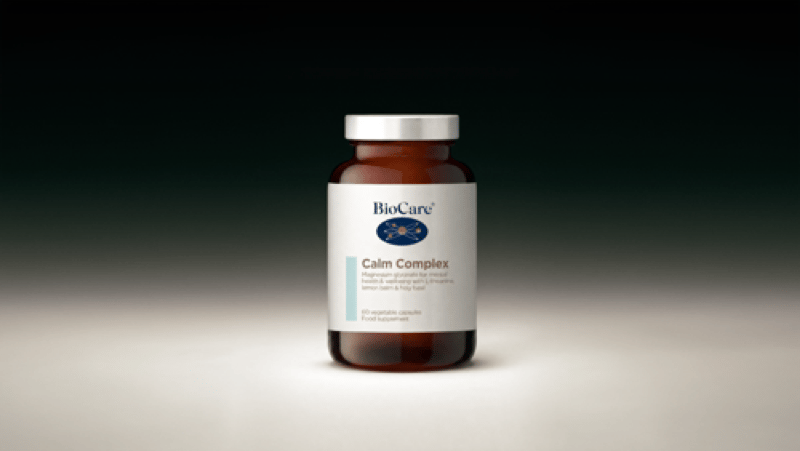
These are examples of nutritionally and neurologically supportive blends including herbs and compounds that work with your nervous system, regulate mood and restore a sense of internal steadiness, even when everything feels a little bit scrambled.
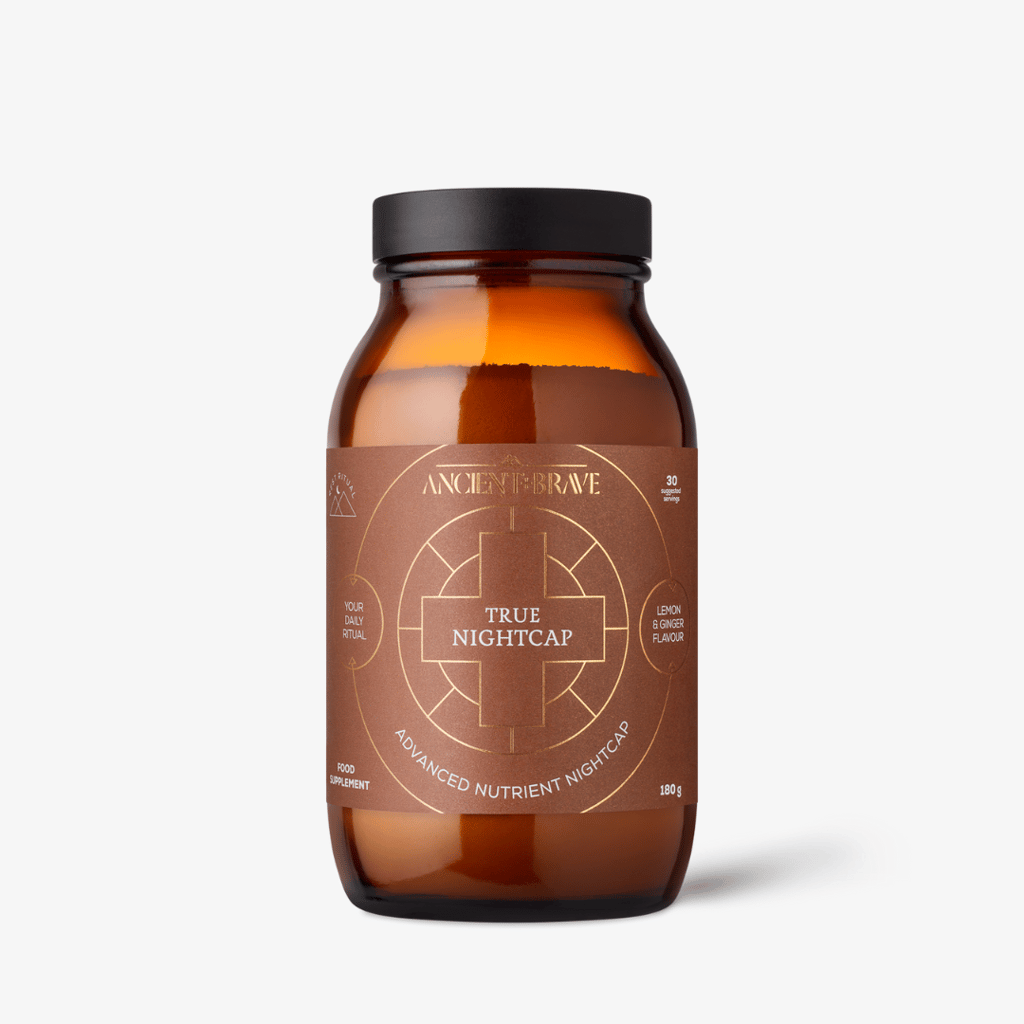
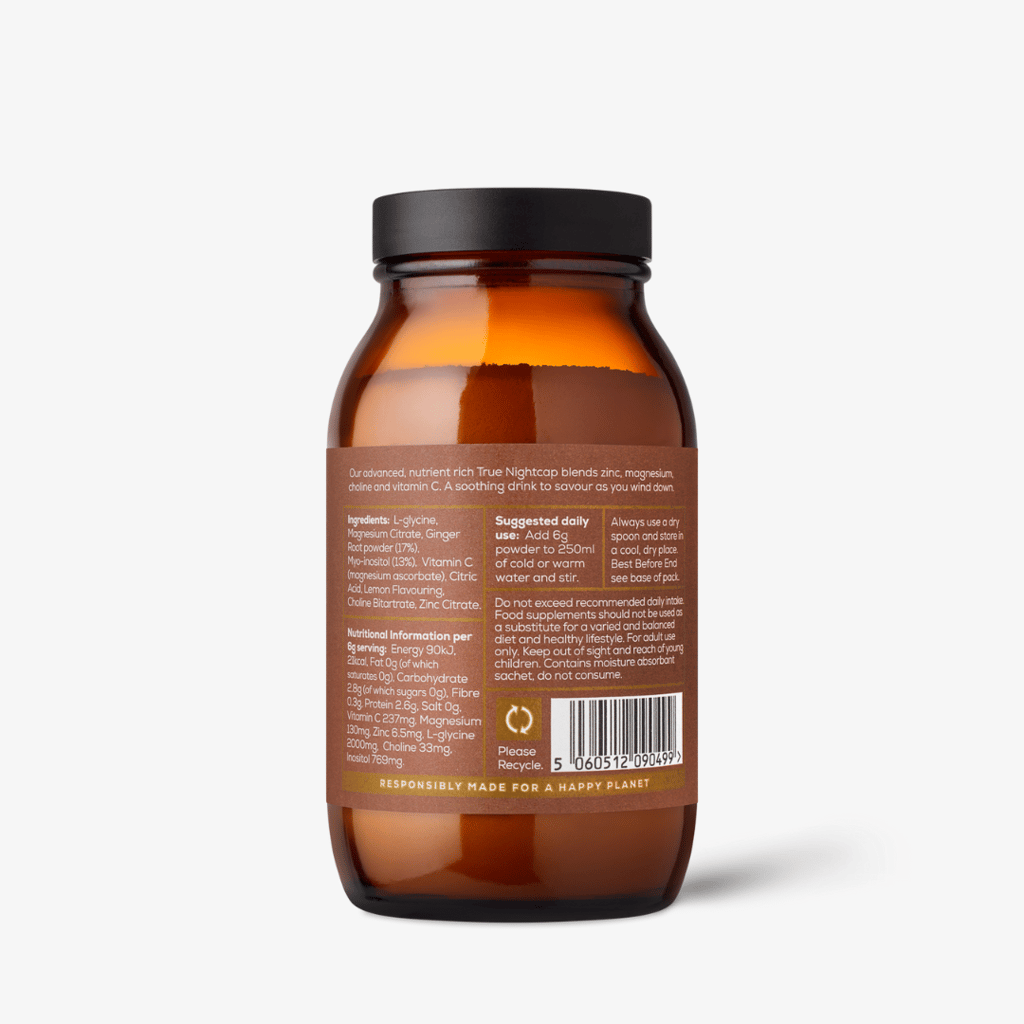
Ancient + Brave True Nightcap: a calming blend to help you wind down mentally before bed
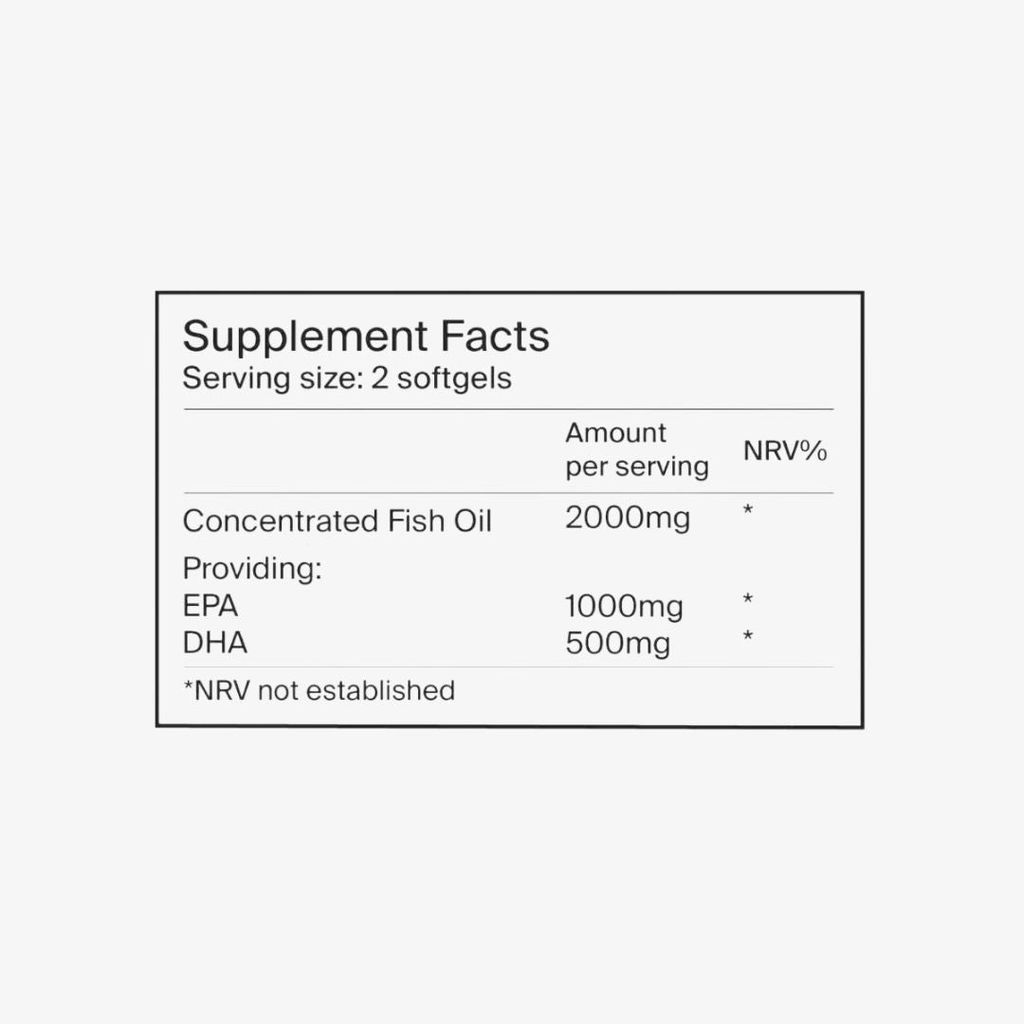
ARTAH Essential Omegas: rich in omegas that support brain function and emotional balance
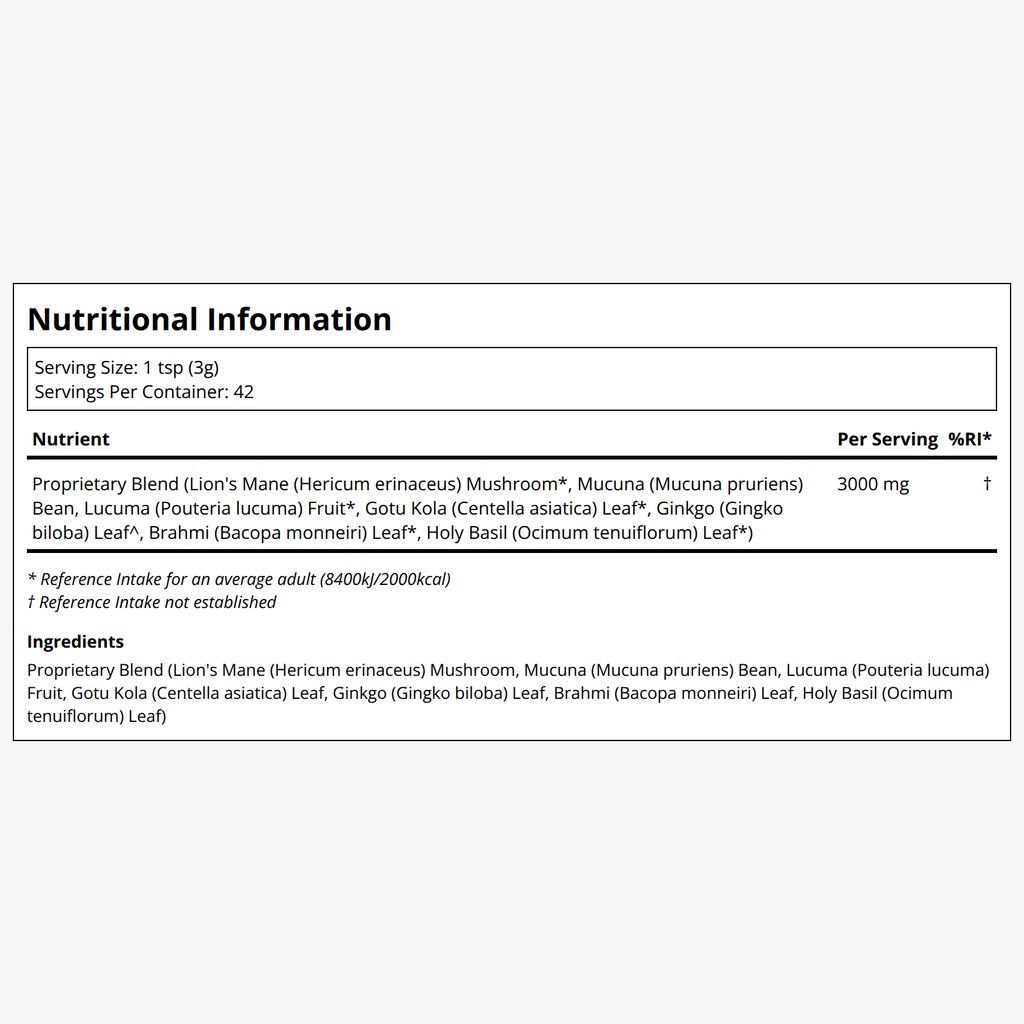
Anima Mundi’s THE MIND: a natural nootropic mix to sharpen attention and lift brain fog
Cymbiotika Magnesium L-Threonate: supports healthy stress responses and helps the body unwind at night


There is power in a pause
In case you need to hear it again, social burnout is not a personality flaw.
It should be viewed more so as a physiological response to overstimulation, constant output, and too little time to process, restore and just be.
It affects memory, mood, emotional steadiness, and your ability to feel present.
And in a culture that still celebrates being busy over being balanced, it is often overlooked until it becomes too big to ignore.
The need to retreat is not a weakness
It is a positive sign of self-awareness, and a deep knowing that space is required to get back to functioning at your best.
Therefore, it could be said that solitude, far from being a luxury, is a form of ‘psychological hygiene’. Not about withdrawing from the world, but about finding better ways to show up in it.
Shop MIND at Healf
Discover tools that support deep rest, clarity and emotional reset.



This article is for informational purposes only, even if and regardless of whether it features the advice of physicians and medical practitioners. This article is not, nor is it intended to be, a substitute for professional medical advice, diagnosis, or treatment and should never be relied upon for specific medical advice. The views expressed in this article are the views of the expert and do not necessarily represent the views of Healf
Pippa is a content writer and qualified Nutritional Therapist (DipNT) creating research-based content with a passion for many areas of wellbeing, including hormonal health, mental health and digestive health.
As a contributor to The Healf Source, she regularly attends seminars and programmes on a plethora of contemporary health issues and modern research insights with a drive to never stop learning. In addition, interviewing experts and specialists across The Four Pillars: EAT, MOVE, MIND, SLEEP.
In her spare time, she is an avid swimmer, mindfulness and yoga lover, occasionally bringing a raw, honest approach to the topics she faces. You may also discover some personal accounts of eye-opening wellbeing experiences amidst the reality of a disorientating, and often conflicting, modern wellbeing space.