




























Your Body Isn’t Just Tired. Why Burnout Might Be Something Else Entirely
Constantly wired, feeling flat or overstimulated? You might not be just stressed or tired. Nadia explains how burnout could be a sign of freeze response in your body.

Written by: Pippa Thackeray
Written on: 24 November 2025
“With somatic experiencing, we work with the felt sense. We invite curiosity, small impulses, shaking off energy. It’s the body expressing what is incomplete.” – Nadia Miller, Somatic Experiencing Practitioner
Introducing Nadia
Nadia Miller is a trauma therapist and founder of Embody With Nadia.
Along with a depth of knowledge from her experience as a practitioner, she’s trained in somatic experiencing, compassion-based mindfulness and neuroaffective touch. She’s also a practising Buddhist, working from a body-based, inclusive and LGBTQ+ affirming approach.
Mind-body: The mindfulness link
Mindfulness training is what brought her to study somatic experiencing.
“It’s one thing having an awareness of the mind and the thoughts that pop up, noticing patterns, et cetera, like how often they come. But real change can start when beginning to notice the body’s response to what is happening in the mind, and being really curious about that.”
It’s a curiosity that led her deeper into working with nervous system regulation and how trauma is held in the body.
In this conversation, we explore how freeze response may often be mistaken for tiredness, why talking therapy may not always be enough, and what it really means to return to presence.
Burnout isn’t always what it seems
Burnout, especially in the mainstream, is usually seen through an oversimplified and isolated lens, being exhaustion or overwhelm.
Nadia introduces the point that for many people, the body entering a survival state gets mistaken for tiredness. As a result, the nervous system begins to slow everything down, even while the mind is still desperately trying to cling on.
Nadia: “You can be aware of thinking ‘I’m tired, I’m stressed, or I’m overwhelmed’ but your body might already be in a freeze state and you’re not consciously noticing it. This can also lead to deeper burnout patterns.”
As such, it can be harder to recover, because the strategies we usually reach for might not be what the body actually needs. So, what does it need?
Firstly, what is functional freeze?
Some people continue to perform, deliver and interact ‘normally’ while feeling emotionally distant or mentally flat. Nadia describes this as a functional freeze, where you are able to get through the day but no longer feel fully present in it.
Nadia: “It’s like going through the motions, robot-fashion. We might feel like we’re in a functional freeze when we’re doing the things on the to-do list, but we’re not actually feeling or existing in that moment.”
Without it being too pronounced, and maybe even without recognising it, people can live from a place of mild shutdown. When this is happening, there’s often a sense of being disconnected from time, procrastinating, or being slightly removed from daily experiences. Simply put, you do what you need to do, but don’t register it.
Trauma is often expressed as incompleteness
A core idea behind somatic experiencing is that trauma is both held in memory or thought, but it also becomes stored in the body as a physical response that never ended.
As a result of this, the body gets stuck in a protective state long after the danger has passed. Even if, mentally, we feel as though we have processed it.
“With somatic experiencing, often what occurs is this. When a difficult event happens and it’s too much, too soon, too fast, we feel overwhelmed. The life force energy then jumps out of the body, and we have hardly any capacity remaining to feel present when bodily we are stuck in the past.”
She expands on this point:
“It is like being stuck or frozen in a specific moment in time. The moment that trauma occurred or that point when the memory became stored. The energy that results is held there, so the body doesn’t get the message that the event has passed. What we’re doing in somatics is supporting the nervous system to come out of that response, slowly, gradually. So you don’t have to relive it. You just complete a process that never had the chance to be completed. This, depending on the person, can take months if not years as the practitioner must judge truthfully when a client is ready to move onto the next stage of treatment, when it is safe to do so”.
Somatic work offers a way to notice what the body is still holding onto and, with very subtle interventions, help it to come back into the present.
“Eventually, as we start to feel into the body, there may be an incomplete response that begins to arise.
To address this, and when the client is ready, we may introduce imagery from a specific time or place to bring up the main difficulty that the client is dealing with. We do so in a manner that Peter Levine calls titrated, meaning that we might work with one piece of a person’s experience first, then introduce another, so that we reduce the risk of overwhelming the nervous system all at once. So, we’re doing it a way that the body feels it can manage that right and only moving on when we have more capacity”
When fear and joy feel the same
In a nervous system that is constantly on guard, even positive experiences can feel unsafe. The body might register minor stimulation as threat, even when the mind labels it as excitement.
“Sometimes when something happens, we might have a sense of fear and joy feeling merged together. We don’t actually know, am I excited or am I fearful?”
This kind of confusion can make people pull back from things that might matter to them.
But it isn’t a failure of mindset, like we are so often led to believe. It is more so the body reacting to a kind of stimulation that still feels unsafe, even when the initial threat has long passed.
A freeze response is more common than we think and it might actually be bad for our physical health
P: You mention freeze. What actually happens in the body when that state kicks in?
N: “You’re essentially immobilised when you go into a freeze, as the phrase might suggest. In a very physical sense, you’re cutting off your oxygen supply, too. Most importantly, when you do that for a long period of time, it can have a big impact on the health of the body, the immune system, and so on.”
Why don’t animals experience shutdown in the long-term?
To further illustrate the freeze response in humans, she gives the comparison of wild animals who instinctively release survival energy after a threat passes. Humans, she says, have lost this ability, most likely through socialisation and other areas of development.
“What happens in the wild is that when, say, the polar bear sees that the threat has gone, it eventually starts to move again after being frozen. It starts to shake off that energy, and then eventually it comes back up onto its feet, it looks around, checks that there’s no more danger, that everything’s okay – and then it just gets on with its life.
Whereas often we, as humans, have not got the capacity to do that. We ruminate. And so, we want to know that we can do that somatically, just as an animal would.”
She then stresses that we don’t have to stay in a frozen or hyper-alert state, because recovery is possible when the nervous system is given the right cues.
“We come back to baseline so we can be more resilient, have more capacity to just be with life and feel actually present, when you’re having a conversation, when you’re out and about, taking in nature and the colours around you. Just having more capacity, more periphery, really.”
Why talking alone may not be enough
P: Talking therapy is an incredibly common prescription for those who have experienced trauma, or those dealing with feelings of depression or anxiety. When someone is burnt out from cumulative stress or more serious trauma responses, is talking therapy enough?
N: “Sometimes yes, but often, in a situation such as a person that has already done a lot of talking therapy, then no. This is because, if your body has gone into a freeze response, your brain might be verbally processing things but your nervous system is still coping and sending signals of danger. If those are not addressed you’re talking to a brain that is wired for survival mode. So, essentially, you might talk and understand but still feel stuck regardless.”
She often works with clients who are doing all the right things, like resting, positively reframing things mentally, but still not feeling any different. This is where somatic work can help reconnect what words alone cannot reach.
What somatic experiencing does differently
P: How does your work change the picture we see so commonly in talking therapy? Because a lot of people are now familiar with talking therapy, and, on the whole, less informed about the kind of approach you offer, which puts the body first.
N: “With somatic experiencing we work with bodily felt sense. We notice the change in sensations, we help the nervous system renegotiate the freeze. We invite small impulses of movement, curiosity about tension, or shaking off energy. We ask: ‘What happens if you allow the body to finish the defensive response it started?’ Because often the freeze response usually arises from an incomplete defence action.”
By supporting the completion of responses the body never got to carry out, clients often feel a new sense of presence in their body. There is more space to notice, to choose, and to rest, without shutting down.
“By allowing this sense of completion, you give the nervous system more choice again. You move from being stuck in a survival loop to having freedom in regulation. Ultimately, that’s when burnout starts to reverse.”
Burnout recovery tips inspired by meditation and mindfulness
P: So, how exactly does your background in mindfulness tie into this work involving the body, and less so the mind?
N: “When I trained in mindfulness I loved the compassion-based and trauma-sensitive side. It taught me to sit with what was arising in the mind. But then I realised we also need to sit with what is arising in the body. The mind might reach calm but the body is still holding. So combining mindfulness with somatic experiencing means we include the body in the attention.”
She finds that people who already practise mindfulness can deepen their experience by noticing what the body is doing beneath the breath. Awareness of thought is a useful starting point, but it is often not the whole story.
Getting practical with mindfulness at home: Nadia's routine for you to try
Nadia recommends starting with something simple. Find a space that feels safe. It might be a room at home, a quiet spot on holiday, or just the corner of your bedroom. Wherever it is, give yourself a few minutes to pause.
“Feel the weight of the body,” she says. “You can lie down, sit on a sofa or use cushions. Then take a moment to look around. Notice the colours, the textures, the things in the room. That tells the body you’re here now. Not in the past, not in the future, but right here.”
She suggests apps like Insight Timer and accessing the mindfulness content through headphones to help reduce distractions.
Additionally, she tells me how she sometimes utilises a gentle breathing practice in four stages, though you don’t need to do all of them. And you don’t need to close your eyes unless it feels truly comfortable for you.
Stage one: Breathe in, then breathe out and count one. Inhale again, exhale and count two. Continue to ten, then return to one. Let the rhythm of the counting follow the out-breath.
Stage two: Now count the in-breath instead. As you breathe in, count one, then two, continuing up to ten. Notice how the breath lifts the chest or moves through the body. Try to stay with the movement.
Stage three: Let go of the counting. Simply follow the breath as it moves in and out. A hand on the stomach or chest can help you feel the rise and fall if that’s easier than tracking it internally.
Stage four: Now bring your attention to where the breath first enters the body. It might be the nostrils or mouth. Notice the texture, temperature or movement of air. What changes as you breathe?
And that’s it. If you are starting out, there is no need to power through a long session. If it feels like too much, you can pause. Look around the room again, feel the ground, and come back when you’re ready.
The power of daily mindfulness practices
She also encourages people to bring this into daily life. If you’re working from home, doing something as simple as just stepping away from your screen and placing a hand on your stomach can be an effective way to re-centre. “Feel the chair beneath you, your feet on the floor,” she says. “Just breathe for a minute or two. You don’t need anything fancy, really.”
And if your breathing ever feels tight or panicked, she advises against focusing too closely on it. In that case, another grounding method may be more helpful.
“Not everyone wants to sit for half an hour,” she adds. “That’s okay. You can break it up. A few breaths here, a quiet check-in there. Don’t be discouraged, it all counts.”
Where this leaves us
Speaking with Nadia, I realised more and more, perhaps there is not a fixed method for escaping burnout.
By contrast, as a society we’re seemingly accustomed to believing there is. Usually it involves booking a long weekend away, walking in the park, sitting in a hot tub after work, or going to talking therapy. And, while these approaches still have their place in successfully helping many people through bouts of burnout, they may not always touch the root cause, such as the expressions trapped inside our body, or emotions suppressed for long durations.
Beneath the mind’s stories, beneath the list of things you’ve tried, the body may still be waiting to complete what it never had the chance to finish.
If we take this perspective, recovery might begin, not with verbal insight, but by accessing a small moment of contact with something inside you that has not moved, or been felt in a long time.
Where to learn more
If you’re interested in understanding somatic experiencing more deeply, Nadia recommends Peter Levine’s Waking the Tiger. It lays out the thinking behind the approach in clear, accessible language and introduces the key idea that trauma is not just psychological. It can be held in the body, especially when the nervous system does not get the chance to complete a defensive response.
Meet your nervous system
Shop the MIND collection at Healf and give yourself the tools that match what you’re unlocking in your somatic practices.
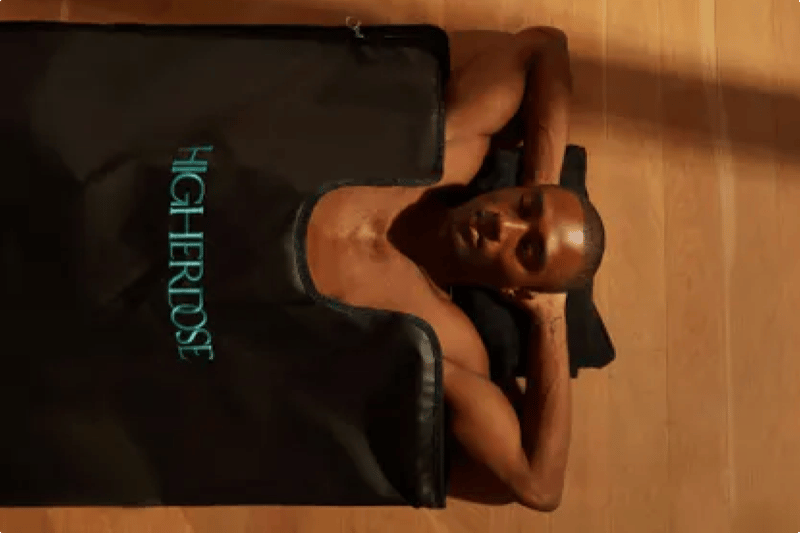
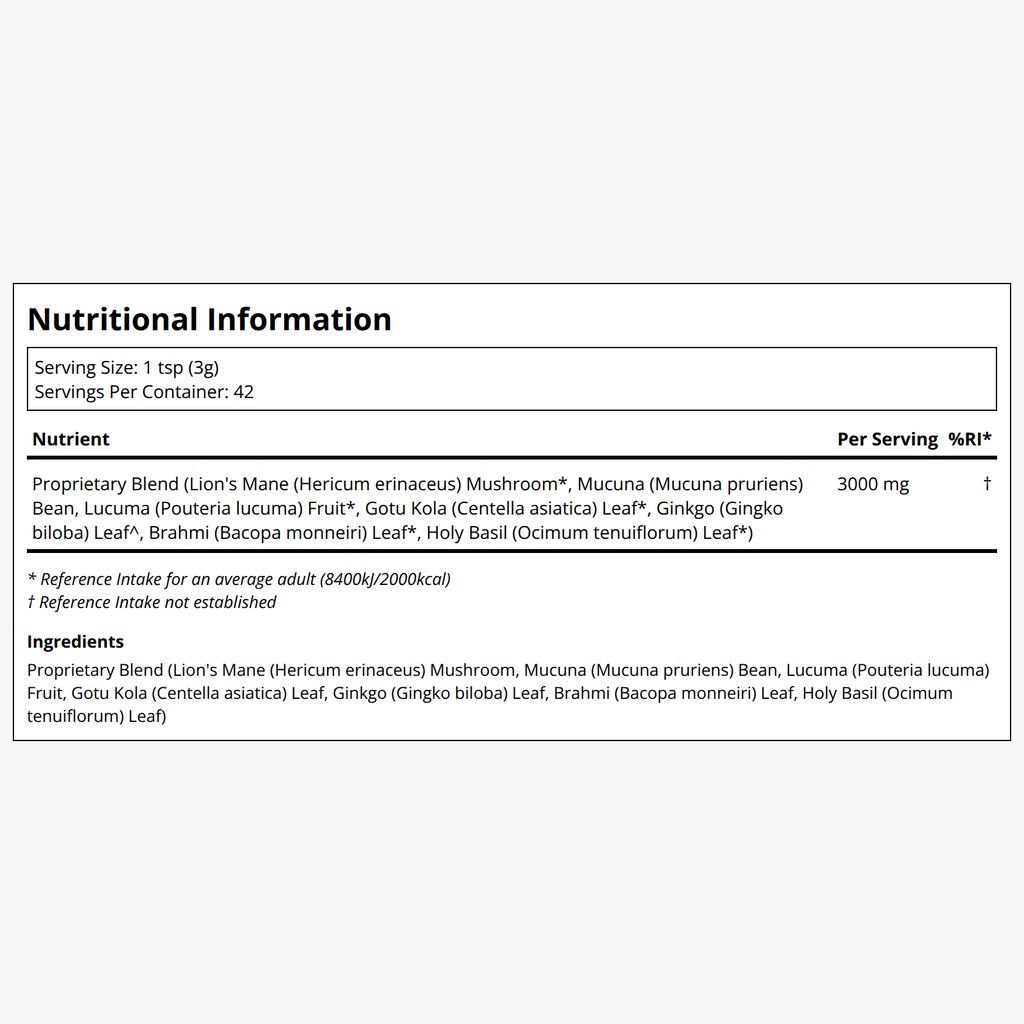
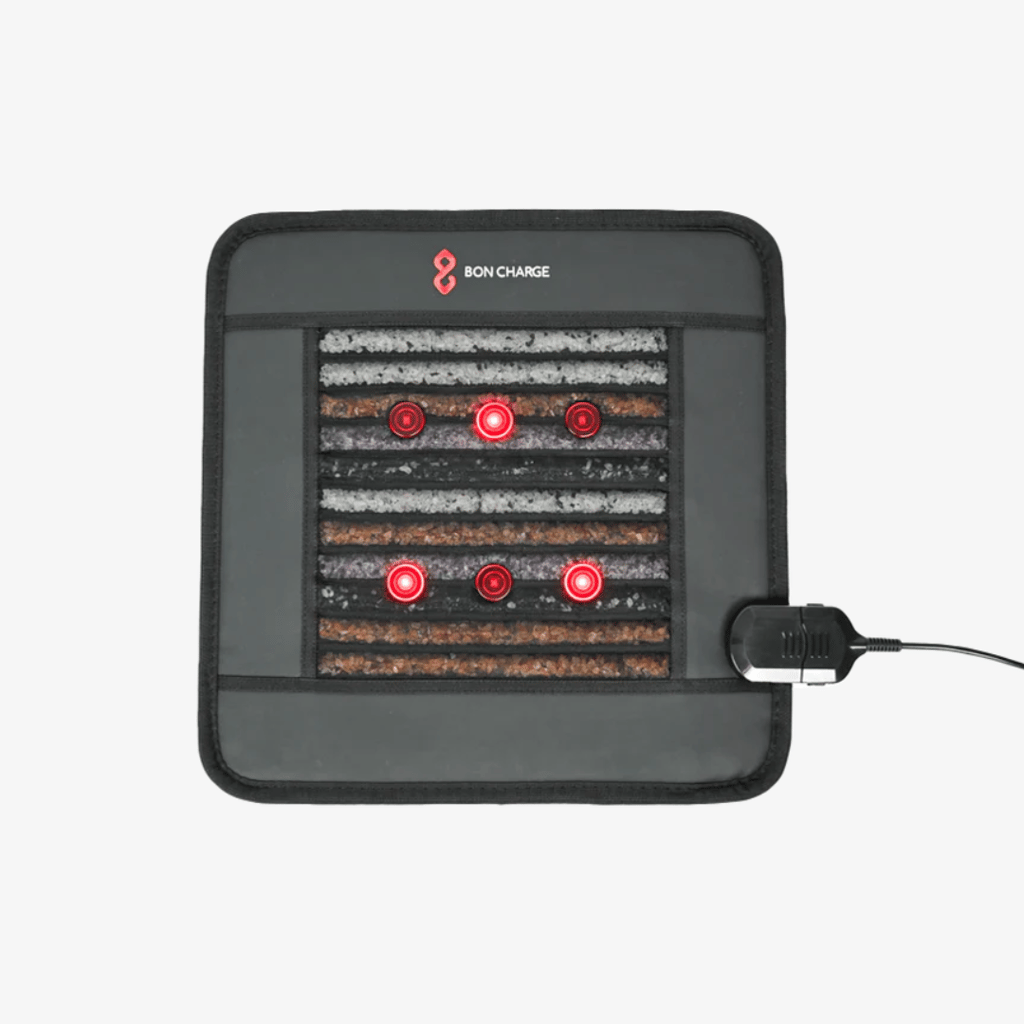
Qualia Mind offers a clear and steadying lift in focus. THE MIND: Adaptogenic Brain Nootropic brings a gentle rise in mental energy without feeling overstimulating. And for something more tech-based, the BON CHARGE PEMF Mat Mini is a compact tool that supports calm and helps the nervous system settle.


Frequently asked
What is somatic experiencing?
It’s a body-based approach to working with stress and trauma. Rather than focusing on memory or story, it supports the nervous system to complete responses that got stuck during overwhelming events.
Is burnout really connected to trauma?
It isn’t always connected directly, but in some cases, yes. With or without trauma, long periods of stress or emotional overload can push the body into a freeze state. It may look like tiredness, but it could be a deeper ‘shutdown’ that needs more than rest.
How is this different from talking therapy?
Talking therapies, including CBT, focus on thoughts, behaviour and reframing patterns in the mind. Somatic experiencing works through the body. It helps release tension, restore regulation and complete physical responses that talking alone might not reach. The two approaches can complement each other, depending on what you need.
Can I do somatic work on my own?
There are simple practices you can try, like breathwork and body awareness. But if you feel stuck or overwhelmed, it’s worth working with a qualified somatic practitioner.



This article is for informational purposes only, even if and regardless of whether it features the advice of physicians and medical practitioners. This article is not, nor is it intended to be, a substitute for professional medical advice, diagnosis, or treatment and should never be relied upon for specific medical advice. The views expressed in this article are the views of the expert and do not necessarily represent the views of Healf
Pippa is a content writer and qualified Nutritional Therapist (DipNT) creating research-based content with a passion for many areas of wellbeing, including hormonal health, mental health and digestive health.
As a contributor to The Healf Source, she regularly attends seminars and programmes on a plethora of contemporary health issues and modern research insights with a drive to never stop learning. In addition, interviewing experts and specialists across The Four Pillars: EAT, MOVE, MIND, SLEEP.
In her spare time, she is an avid swimmer, mindfulness and yoga lover, occasionally bringing a raw, honest approach to the topics she faces. You may also discover some personal accounts of eye-opening wellbeing experiences amidst the reality of a disorientating, and often conflicting, modern wellbeing space.