





































_2026-10-13_14-11-48.png)


The Growing Fascination With Light Language Activation
Written by: Pippa Thackeray
Written on: 29 October 2025
A language not of this world
Light language is trending
Although, those who experience it find it difficult to express it in mundane terms, it’s often painted to be something that is not of earth, but of another realm entirely, perhaps angelic or cosmic in origin.
Light language, or sound language, is said to arrive as frequency, a flow of sound or movement that allows universal energy to move through the body exactly as it needs to.
For some it comes as song, for others as movement, or as a succession of verbal expressions and intonations.
Returning to what has always been known
At first glance, light language might seem quite abstract. For those that have experienced it, many didn’t think it was possible for them, until it happened.
Those who experience it also speak of a deep familiarity. As if it is not mysterious, but something that has always been there, and that they have simply remembered or reignited.
It is described as the language of the soul, something the conscious mind cannot interpret but the heart understands completely.
It is also purported for wellbeing benefits, clearing entities and blockages.
The many ways it appears
Mina Lumena, on YouTube, introduces light language as an energetic form of communication expressed through sound, written symbols or movement.
In a person, it can emerge as melody or rhythm. Some feel it rise through their hands during meditation, their fingers moving instinctively as though guided.
Interactions with light language can be compared to a state of flow. In a way, ancient yet entirely new, or even futuristic.
Can you practise light language?
You can practise making sounds or movements that emulate light language, but many say that until it comes to you, it remains a concept rather than a true experience.
Each expression is considered unique, because what comes through one person may never appear the same way in another.
In terms of wellbeing, exploring light language becomes a process of looking inward, learning to listen to what the body and energy field are looking to express.
A voice from another realm
“It felt like something beyond my control, my hands began to move in shapes and patterns I had never experienced before.” – Mina Lumena, Light Language Practitioner
Mina is a practitioner who discovered her light language during a music festival, describes it as a sudden and unstoppable awakening. “It felt like something beyond my control,” she recalls.
That night marked the beginning of her ability to channel what she calls a living transmission, energy infused with consciousness.
She says light language is much more than sound, because it arrives as packets of information code that unlock parts of the self that have long been dormant. “It is like the energy knows what you need before you do,” Mina says. “It works on its own timeline. Sometimes you feel it immediately, and sometimes it unfolds over days or weeks.”
What is source frequency?
Mina believes that these transmissions come from Source frequency, what she calls a multidimensional space that exists beyond language or thought.
Within each sound is a field of information that works on the energetic body. Some sessions, she says, bring lightness to the heart. It also has the potential to help release stored memories or energy that has been held and become stagnant.
Light language traditions throughout history
While light language is described as ‘new age’ and is discussed as a relatively contemporary concept, it mirrors something ancient.
Across time and tradition, vibration has been used as a bridge between the physical and the divine.
In Yogic philosophy, sound or nada is considered the pulse of creation, the vibration underlying all things. Chanting and mantra share a similar principle, that vibration shapes reality.
For those who practise it, light language is a pulse expressed spontaneously. Its multidimensional nature means that meaning cannot be contained by words.
Ultimately, the practice opens a field of communication that the intellect cannot grasp, yet the body recognises completely.
Some practitioners see it as a modern form of glossolalia, or speaking in tongues, a religious practice associated with divine inspiration. Yet light language is broader and more universal, in that it is not bound to one faith but instead framed as a ‘soul-level communication’. A conversation between the individual and the greater field of consciousness.
How it works on energy
“Each sound is like a key, it unlocks something inside you that words cannot reach.” – Mina Lumena
Light language experiences tend to be deeply personal. Mina describes moments during her sessions when she feels guided to bring through specific transmissions for those she works with.
“Sometimes I see a column of light surrounding someone,” she explains. “Sometimes a message comes through in sound, understood as signs, such as to ‘activate your warrior’ or ‘remember to embrace your playful energy’. Each person receives what their energy is ready for.”
Some even say animals respond to its vibration, as it is believed to be a universal language shared by all beings.
What is the role of light language activation in healing modalities?
Its purpose is not only to restore but to awaken. A catalyst for balance, helping release energetic blockages and deepen connection to the higher self.
Key roles in healing:
Clearing blockages: Light language channels energy to help dissolve emotional, physical and energetic stagnation that may contribute to imbalance or illness.
Raising vibration: The tones, gestures and symbols are used to increase vibrational frequency, creating a state that supports healing and wellbeing.
Connecting with higher self: Many use it as a way to communicate directly with their higher consciousness or spirit guides for guidance and alignment.
Activating energy centres: Light language is often integrated into meditation or breathwork to open and activate energy centres within the body.
Facilitating self-healing: Practitioners believe individuals can direct these frequencies toward specific areas of the body or emotions that need balance.
Sending healing to others: It can be used to transmit energy to others who may need support, regardless of distance.
Activating spiritual codes: Some see light language as a key to unlocking dormant energetic codes within the DNA, facilitating spiritual evolution.
A living transmission
Those who work with light language describe it as living language. Perhaps like the energy has its own intelligence.
“It is a living transmission. It knows what you need before you do. It starts to move through you, to reorganise things, to clear what has been blocking your higher self from flowing.” – Mina Lumena
In her sessions, she has witnessed remarkable responses. She recalls one moment when a client’s energy changed before her eyes, as if years of weight had visibly lifted.
Another time, she says, the transmission brought laughter and a sense of reignited joy. “Everyone’s experience is different,” she says. “No two languages are the same because we all hold different frequencies.”
Exploring your own activation
While light language cannot be taught in the traditional sense, many believe that anyone can activate it when the moment is right. It often begins in silence, in meditation, deep rest or even in nature.
The more people practise, the more fluent they become in their own energetic dialect. It can be a personal ritual used in meditation or a healing modality, based on the individual and their place along their healing journey. It could also be prompted by a life experience that caused a big change in one’s energy or overall perspective.
You could even say that it meets you exactly where you are on your spiritual path and cannot be obtained by force.
That said, a state of openness must exist for the process to begin. One that invites you to look inward, to listen without judgement, to trust the movements and sounds that emerge, even when they feel unfamiliar. In that openness, something gives way.
The self and the unseen: What it feels like
Light language can feel different each time. Sometimes it brings peace, sometimes it unravels layers of emotion, surfacing as tears or feelings of ecstasy.
It can also be joyful, rhythmic and alive. Mina describes it as both grounding and expansive. “It is like remembering a part of yourself that you forgot existed,” she says.
Some practitioners describe it as energy that continues to work long after a session ends. It may bring clarity in dreams or inspiration in creative work, it could even regulate emotions over time and deepen your meditation practice.
@Skycowens on Instagram discusses her experience of light language, expressing that the analytical part of her brain wants to understand, but probably never will. That’s because it is important to note that these experiences come from the subconscious mind.
Both tool and teacher
Light language is not about performance, rather allowing energy to move in its natural form, offering a space for healing, expansion and expression beyond language.
It becomes a reminder that communication is not limited to speech, that the soul has its own ways of speaking, and sometimes, all it needs is permission.
Support your practice
If you are drawn to explore light language as part of your wellbeing journey, try grounding tools to help you connect more deeply with your own energy:
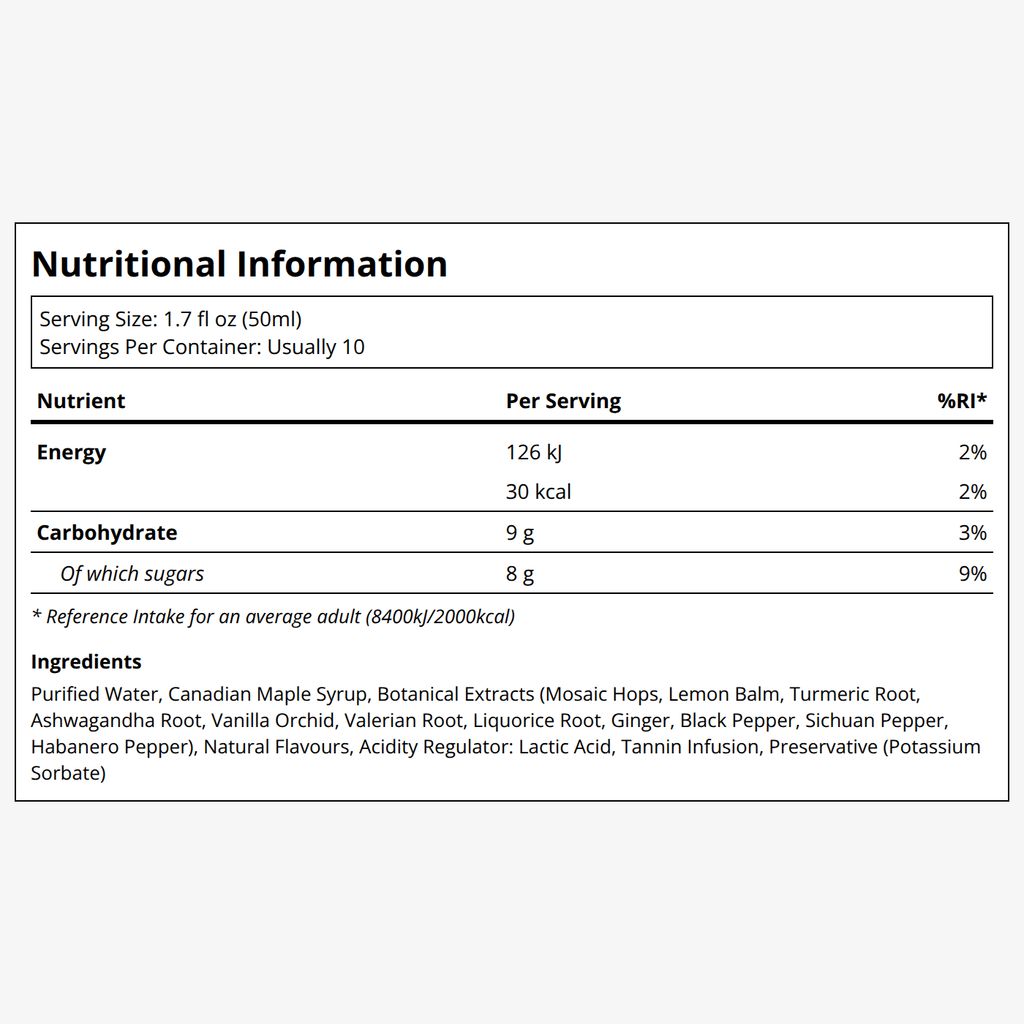
Three Spirit Nightcap: a naturally calming elixir made with adaptogenic plants to encourage stillness and open the heart space before meditation.
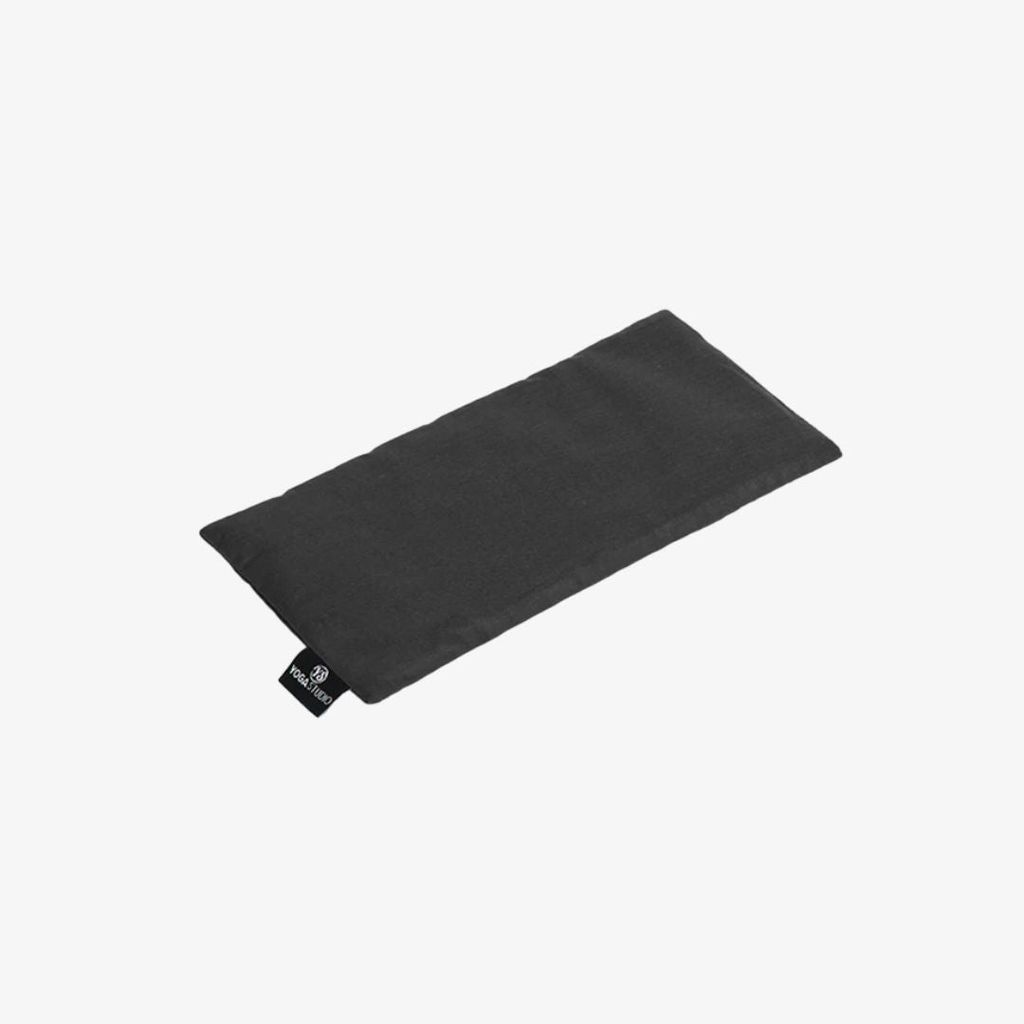
Yoga Studio Scented Organic Lavender & Linseed Eye Pillow: Soft, weighted and scented, this eye pillow helps quiet the visual field so your inner senses may open more fully.
Anatome Pillow Spray – Somali Frankincense: A grounding blend of essential oils that enhance calm, clarity and energetic receptivity.
Manta SILK Sleep Mask – Classic: 100% blackout, silk design that helps block out distractions and anchor attention inward.


Shop MIND at Healf
Explore grounding teas, meditation accessories and soothing rituals that help you reconnect with calm, clarity and presence.



This article is for informational purposes only, even if and regardless of whether it features the advice of physicians and medical practitioners. This article is not, nor is it intended to be, a substitute for professional medical advice, diagnosis, or treatment and should never be relied upon for specific medical advice. The views expressed in this article are the views of the expert and do not necessarily represent the views of Healf
Pippa is a content writer and qualified Nutritional Therapist (DipNT) creating research-based content with a passion for many areas of wellbeing, including hormonal health, mental health and digestive health.
As a contributor to The Healf Source, she regularly attends seminars and programmes on a plethora of contemporary health issues and modern research insights with a drive to never stop learning. In addition, interviewing experts and specialists across The Four Pillars: EAT, MOVE, MIND, SLEEP.
In her spare time, she is an avid swimmer, mindfulness and yoga lover, occasionally bringing a raw, honest approach to the topics she faces. You may also discover some personal accounts of eye-opening wellbeing experiences amidst the reality of a disorientating, and often conflicting, modern wellbeing space.