
























How Does A Nutritionist Prevent Burnout?
Written by: Rosie Millen
Written on: 25 August 2025
Unless you’ve been living under a rock, you’ll know that we are living in a burnout epidemic and dealing with stress and overwhelm is very, very real.
It’s so real in fact that the average professional burns out by the age of 32 and it’s now so widespread that the WHO have labelled it as a legitimate condition.
Trust me, I’ve been there, I know what it’s like. In 2014 I collapsed from too much stress and was bed bound for three years straight! I had to make a lot of changes to get back on my feet because I missed all the waning signs.
If you feel like you’re on the brink of burnout here are the 5 red flags to look out for:
You’re extremely exhausted all the time
You wake up in the morning even after a good nights’ sleep but still feel tired
You experience dizzy spells
You’ve lost your drive and motivation
You find small tasks challenging
I’m a nutritionist and here are my top 10 tips to prevent burnout:
Slow down – You get burnout because your plate is already full but you keep on adding to it. What can you stop doing? Where is your life can you say no? Your life will always feel 100mph if you don’t stop or slow down. It’s essential to pull on the reins and take some of the load off because no amount of pushing will heal burnout. Rest and patience are the bottom line.
Identifying your stressors – If you don’t eliminate your stressors, you will just be adding fuel to the fire. Ask yourself – who or what is zapping your energy right now? Is it your work demands? A relationship you have with someone? Financial stress? The key here is to ‘label’ your stressors so you can either eliminate it, reduce the exposure to it or respond to it differently so that your adrenal glands don’t mount a stress response.
Don’t skimp on sleep – It is paramount for the adrenal glands! When you are sleeping that is when the adrenal glands are manufacturing cortisol for the next day. You need to be getting at least 8 hours a night to function properly. The hours of sleep you get between 10pm and midnight and 7am and 9am are the most refreshing. If you miss out on sleep and start to make it less of a priority it is a stress on the adrenals glands and will eventually catch you out.
Don’t over exercise – Be mindful of the type of exercise you do and the frequency of it. Too much aggressive exercise can mount a stress response and tell your body that you are under attack. The worst thing you can do if you’ve been feeling exhausted and burnt out for a while is over exercise. It will make you more tired in the long run. Rest when you need to. It is productive! Try to swap some of the intense exercises for more restorative ones like yoga and walking in nature.
Take regular breaks – Make sure you are having intervals during the day to breathe and get away from current stressors. Studies suggest that taking regular breaks improves concentration, memory and focus! If you are at work make sure you take the full hour for lunch and step outside to interrupt the stress response and tell your nervous system that you are ‘safe’. Getting away for a break is always a good idea because it takes you out of a toxic environment. You can’t get well in the same place that is making you sick.
Eat adequate calories around the clock – Most people I see are not eating enough calories and over exercising! This coupled with a mountain of stress is the fastest way to burnout! Eat every 3-4 hours and nourish the body. Women need 2000 calories per day and men need 2500. Please remember that food in is energy in!
Nutrient dense foods – Every meal is an opportunity to ‘feed’ or ‘fail’ the body. What are you actually eating? Is it mostly whole foods, with plenty of protein, healthy fats, veg, fruit and water everyday?! Or is it packed with too much sugar, processed foods and caffeine? Food is not just energy it’s information. Food contains instructions that communicate messages to your genes, hormones, immune system, gut flora and every system of our body!
Avoid caffeine – Caffeine behaves like sugar in the body and gives us an initial energy rush which is followed by a crash. It also whips the adrenal glands. It is ‘superficial’ energy. If you are exhausted, please swap it for caffeine-free versions! It also inhibits the production of melatonin which is the hormone that tells the body to fall asleep.
Cut back on alcohol – Alcohol is an anti-nutrient robbing vitamins and minerals from the body. It causes inflammation in the body and poisons the cells including ATP. Swap your drink for red wine for a non-alcoholic mocktail. Or cut it out completely! I cut it out for a year now and it’s been totally game changing particular on my mental health. My thinking is sharper, and my productivity is through the roof. You have to remember that alcohol is a neurotoxin and that feeling of being drunk is your body telling you that you’re being poisoned.
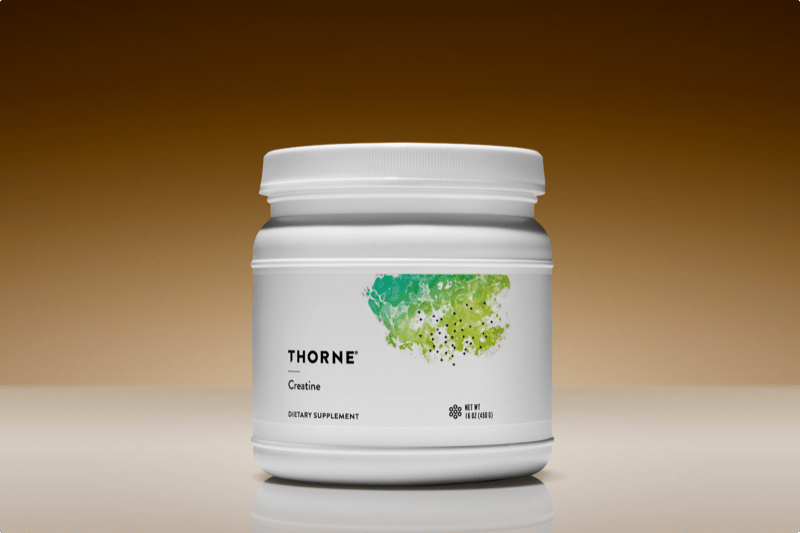
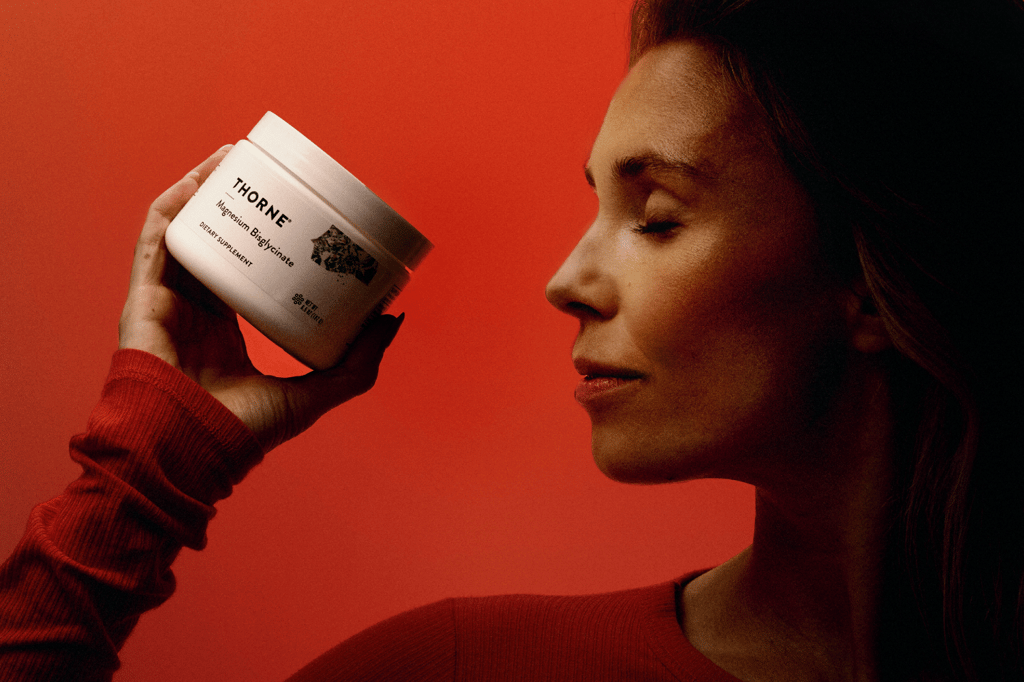
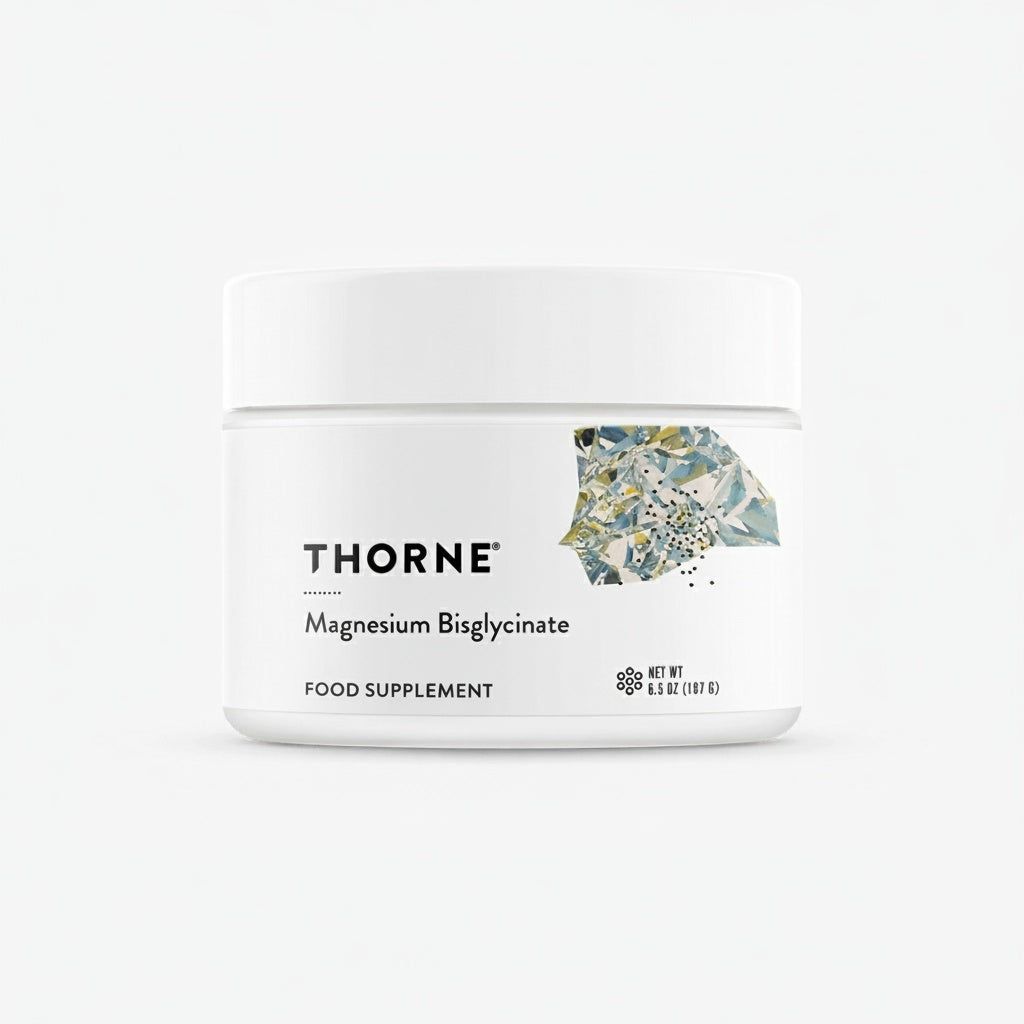
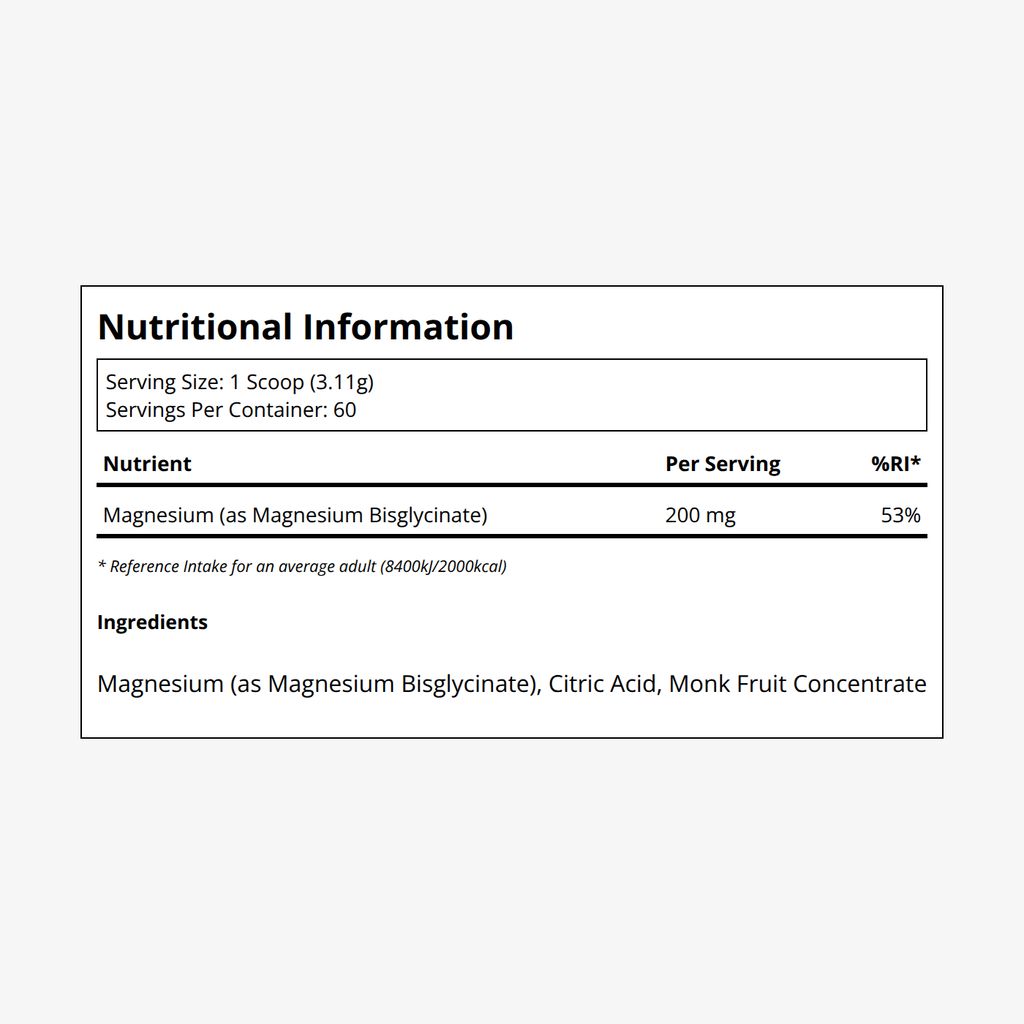
Take targeted nutrients – Stress massively depletes vitamins and minerals from the body. Particularly magnesium and 50% of the population are deficient in Mg. It is needed to produce ATP (Adenosine Triphosphate) in the body. This is your body’s energy molecule. ATP is not active until it’s bound to Mg so if you want energy you need Mg to make it. I love the by Magnesium Bisglycinate by Thorne because it is the better forms of Mg to absorb.
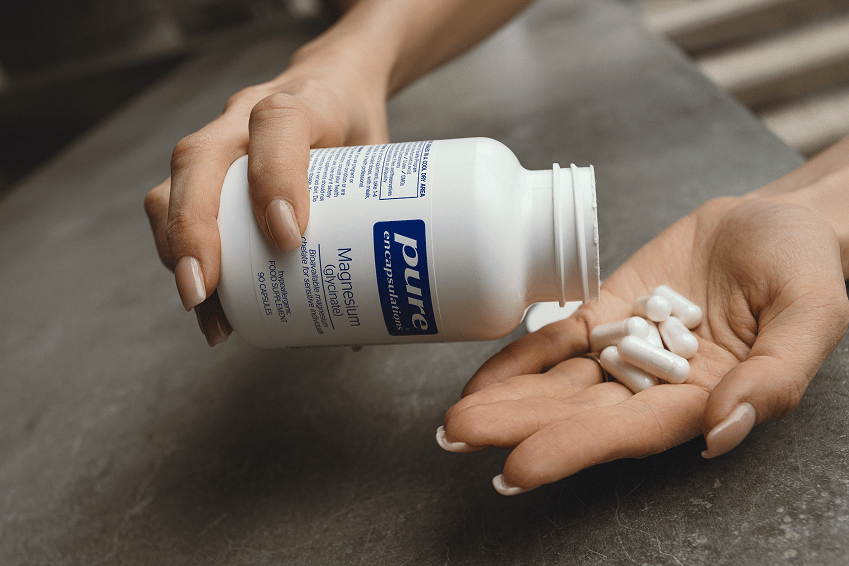
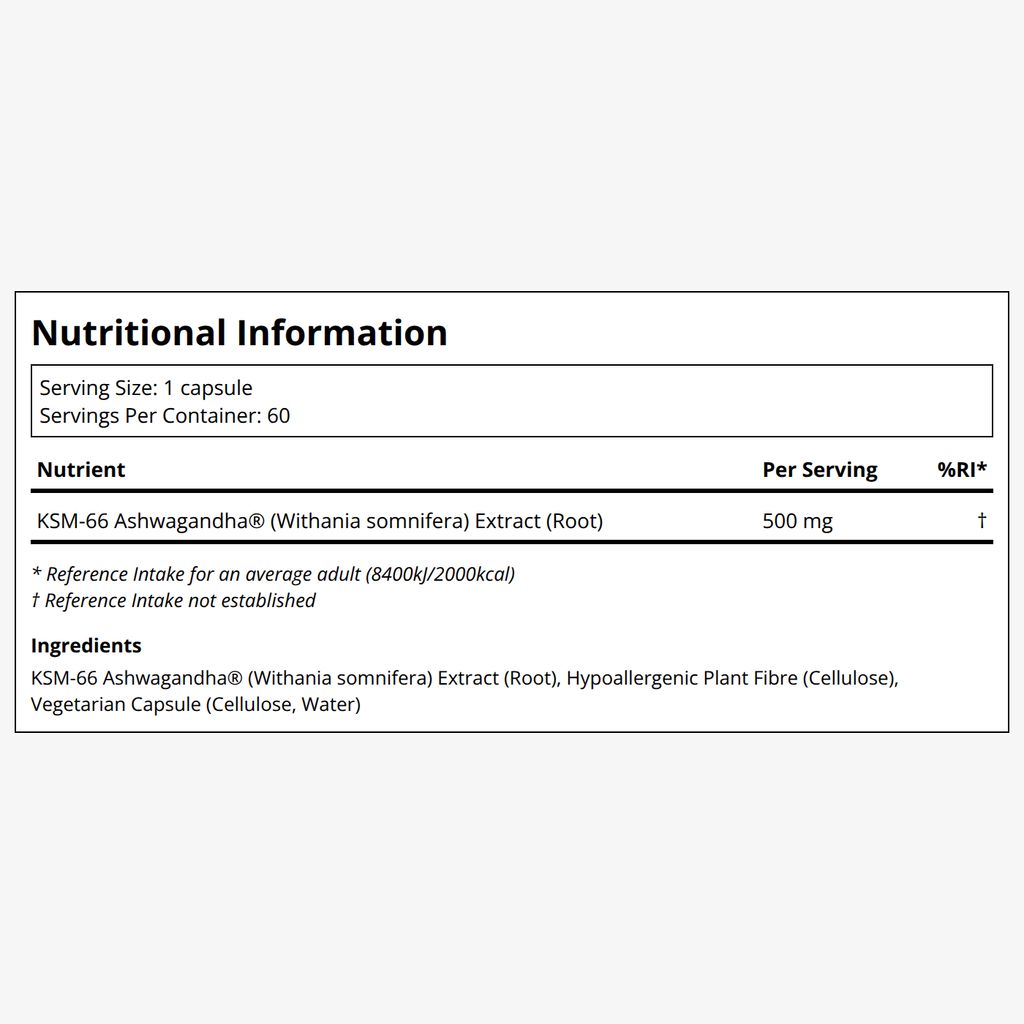
Another key nutrient to support the adrenal glands at times of stress is ashwagandha – Ashwagandha is an adaptogenic herb which brings cortisol levels back into balance. A study of 58 participants had lower levels of cortisol in the bloodstream after taking ashwagandha for 8 weeks. A high quality one like the pure encapsulations provides 500 mg of concentrated ashwagandha extract. Love it.

About the author
Rosie Millen is a fully qualified Nutritional Therapist who set up her company Miss Nutritionist in 2010. In 2014 she collapsed from too much stress and was bed bound for three years straight. After being diagnosed with severe burnout she had to make a lot of difficult changes to get back on her feet. Now she is 100% recovered she specialises in fatigue and helps men and women to regain their energy just by making changes to their diet and lifestyle.
She has personally coached thousands of women to increase their energy, helped multiple companies give their employees more energy and written hundreds of blog posts on how to recovery from burnout and has just published her first book on the subject: Burnout’s a B*tch – the antidote to the overworked world we live in.
In 2023 Rosie launched the UK’s FIRST mental wellbeing Festival. Go Mental is an empowering destination for all things mental health...
This interactive event takes place on Saturday 4th October and is designed to break the silence around mental health and reduce suicide rates. From keynote speakers, interactive workshops and food and supplement exhibitors, Go Mental is to support anyone on their mental wellbeing journey.
This festival is a safe space where you can learn from the experts and ask them ANY questions you have to get practical advice to implement straight away to make your wellbeing journey easier.
What can you expect from attending?
It’s a full day of inspirational talks, Q and A Panels, interactive workshops and a breathwork class. PLUS we are gonna introduce you to THE best brands and products that will change your mental wellness game.
In just one day you are going to learn:
How to build mental flexibility and resilience.
How to tackle anxiety, depression and burnout
How to rewire your brain to feel happier and more motivated
And most importantly of all, you’re going to learn how to create your own mental health toolkit to use for when times get tough.
When is it?
It takes place on Saturday 4th October from 10am in The Science Museum in South Kensington. Come and join us this year and transform your mental health. Join is this year and use code HEALF10 to get 10% off your ticket.


This article is for informational purposes only, even if and regardless of whether it features the advice of physicians and medical practitioners. This article is not, nor is it intended to be, a substitute for professional medical advice, diagnosis, or treatment and should never be relied upon for specific medical advice. The views expressed in this article are the views of the expert and do not necessarily represent the views of Healf