















































_Madeline_Spanier_Photos_ID7424.jpg)

Are You Burnt Out Or Just Bored At Work?
Discover what’s really draining your attention and how small science-backed shifts could help you get back in the zone…

Written by: Samantha Nice
Written on: 28 July 2025
You’re staring at your screen. A dozen tabs are open. Slack pings. Your to-do list grows by the hour. Sound familiar? We thought so.
In today’s hyper-connected world, focus has become a rare commodity. Between back-to-back meetings, constant notifications and the pressure to perform, even the most accomplished professionals can feel pretty overwhelmed and easily distracted. Add in the desire to maintain a healthy lifestyle with meal prepping, workouts and mindfulness and it’s no wonder our attention spans are stretched a little thin and concentration seems like an impossible task.
The good news? You’re not alone and the problem is certainly not a lack of willpower or motivation. Here we explore why it’s so tricky to focus at work, what’s actually happening in our brains, and most importantly, realistic strategies to help you reclaim your attention without quitting your job or moving somewhere off the grid.
So why are we struggling to focus?
Finding it tricky to concentrate even when you’re feeling super motivated is a common feeling. The modern workday throws so much at us that it’s no surprise our focus easily slips. So is it that our attention span is shrinking or are our environments just more distracting?
“It’s less about our attention span shrinking and more about the fact that today’s digital world is designed to pull us in a million directions,” explains Psychological Coach, Lucy Spicer. “Research has found that it’s the novelty and constant switching between content that’s changed - not the fundamental wiring of our brains (Lorenz-Spreen et al., 2019),” she adds. “In other words: our attention isn’t broken, but our surroundings are noisier than ever.”
Put simply, it’s not you - it’s everything that’s going on around you. Between endless emails, messages, meetings, and the lure of social media, it’s no wonder we can’t tune in to one task. Understanding these challenges is the first step but what’s actually going on?
What’s actually happening in our brains and in our body?
When it comes to being focused, it’s easy to assume we just need to try harder. The reality in fact is a lot more complex and far more physiological than most of us realise. “When focus slips, what’s really going on is that the brain’s attention systems aren’t firing as well as they should,” says Lucy. “The prefrontal cortex (the part of the brain that manages attention and decision-making) can get overloaded or tired, whilst the default mode network (which is linked to daydreaming) kicks in more easily.” In other words, the brain areas responsible for managing attention and decision-making can become overwhelmed, especially in the kind of overstimulating environments we now work in.
Stress is another major factor. “When we’re under constant stress, the body pumps out cortisol, and too much cortisol can actually interfere with the function of the prefrontal cortex and the hippocampus, which is key for memory,” Lucy adds. This means the systems we rely on to stay sharp and think clearly can start to falter when we’re under sustained pressure. “Burnout, which often comes with emotional exhaustion, further drains our cognitive resources, making it hard to concentrate for long periods,” she adds.
Sleep also matters too. Poor or irregular sleep plays a big part in how well we can focus and think clearly the next day. Without enough deep rest, the brain struggles to regulate attention and filter out distractions, even with the best of intentions.
This isn’t just about attention span though - it’s also about motivation. “Chronic distractions or constant task-switching can disrupt the brain’s dopamine system, which affects both attention and motivation,” Spicer says. Our phones, inboxes and social feeds are designed to be stimulating, and our brains respond with quick hits of dopamine - that pesky reward chemical that keeps us coming back for more.
Like with anything, a bit of understanding about what;s going on under the surface can help us to stop blaming ourselves and instead start building conditions and habits that will actually help our minds to stay in the zone.
The best expert-approved, science-backed ways for improving focus
When it comes to reclaiming your attention, there’s no one-size-fits-all hack but there are plenty of proven strategies that genuinely work. According to Lucy, small, consistent habits can lead to big and noticeable improvements. Here she shares four of the most effective, research-backed approaches:
1. Get Moving
“Movement acts like a reset button for the brain,” says Spicer. “Aerobic activity boosts blood flow and releases neurotransmitters (like dopamine and norepinephrine) that support sharper thinking. Regular aerobic exercise has been shown to improve attention and executive function (Hillman et al., 2008),” she adds. Even a brisk 10-minute walk can enhance focus, lift your mood, and help you shift perspective during a long day at your desk. So whether it’s a morning jog, a lunchtime stretch or walking meetings, building movement into your routine is one of the easiest ways for boosting brainpower.
2. Try Mindfulness
Mindfulness isn’t just for yoga retreats or Sunday mornings.“Regular mindfulness practice has been shown to enhance attention, improve emotion regulation and increase resilience at work,” says Lucy. “In fact, even short mindfulness interventions can improve concentration and reduce stress. Over time, this translates to more effective and sustainable work performance.”
A growing body of research supports this: studies show that mindfulness meditation can increase sustained attention and reduce cognitive fatigue (Zeidan et al., 2010). The key is consistency, not duration. Even a few minutes of mindful breathing can interrupt distraction and refocus your attention.
3. Prioritise Consistent Sleep And Try Early Starts
“Waking up earlier can enhance cognitive function, emotional regulation and overall wellbeing,” Spicer says.“Research suggests that early risers tend to experience improved focus and decision-making, as the brain is more alert and less overstimulated in the morning.”
By giving yourself extra time in the morning, you also create space for routines that support your nervous system (like movement, journaling or meditation), rather than jumping straight into reactive mode.
“A calm and structured start to the day reduces cortisol levels, preventing that frantic, fight-or-flight response that comes from rushing,” she adds. It also helps align your body with its natural circadian rhythm, which plays a crucial role in focus, mood and energy (Walker, 2008).
4. Time-Block Your Day
If you’re constantly multitasking or checking emails between meetings, your brain has no room to settle and properly engage. Time-blocking is a super simple but powerful technique where you assign specific times to specific tasks. Research shows this structured approach can reduce cognitive load and improve task performance (Kaufmann & Schulze, 2020). Lucy recommends carving out focused work periods (ideally with your notifications switched off) and batching similar tasks to avoid unnecessary switching.


Focus & Energy

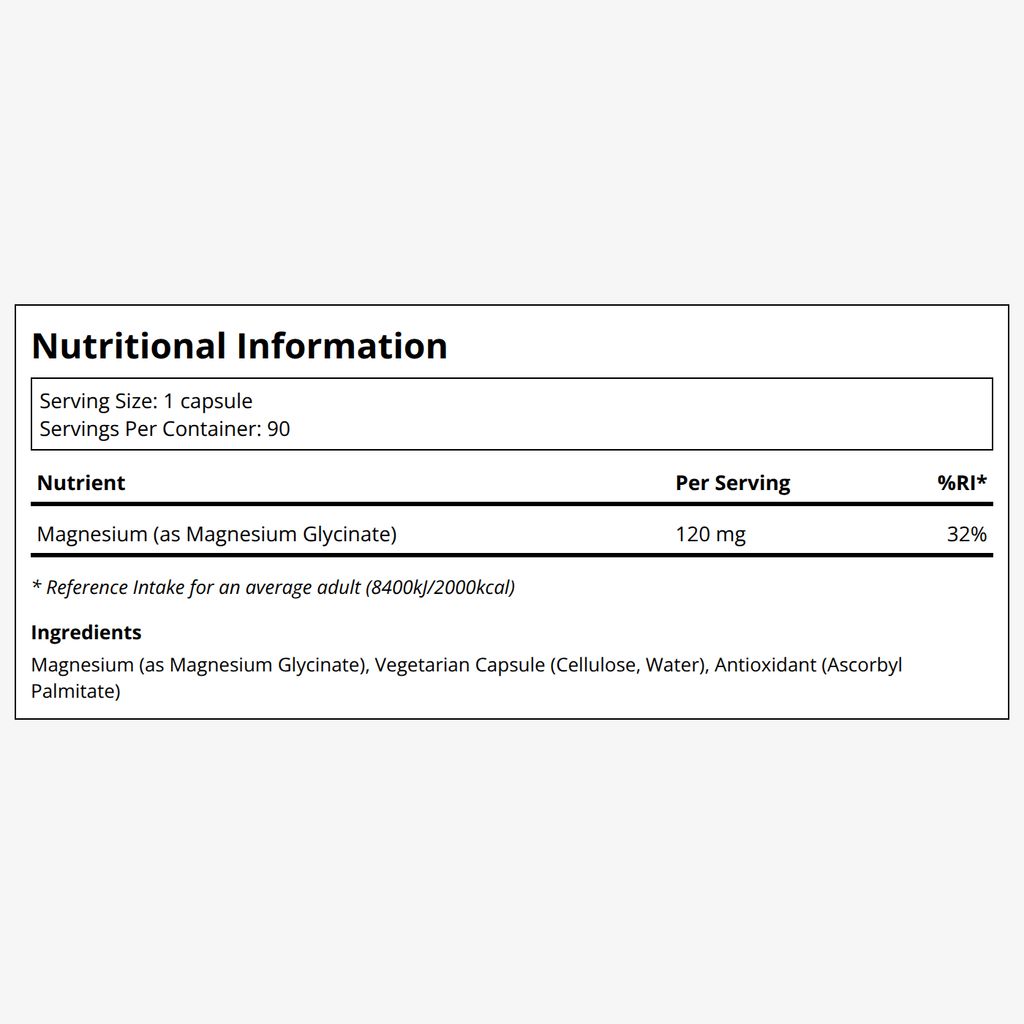
Is your lack of focus actually something else?
We all have off days but sometimes, persistent trouble focusing can be a sign of something deeper. “If you’re constantly struggling to focus, even on things you usually enjoy - that can be a red flag,” says Lucy. “Other signs to watch for include frequent memory lapses, chronic disorganisation, poor sleep, and difficulties with initiation - that sense of not being able to get started, even when you want to.”
Focus challenges that come and go with stress or sleep disruption are common. But if these symptoms are ongoing, Lucy says it may be a sign of burnout - especially if they’re accompanied by emotional exhaustion or a sense of numbness. If any of this feels familiar - you're not expected to figure it out on your own either so it’s worth seeking some professional support.
Five actionable tips to try
If you’re juggling a demanding job, endless notifications and the pressure to “do it all,” building better focus habits can feel like just another thing on the list but you don’t need a total reset. Here are a few simple shifts that can really help. “I would always recommend starting with small, manageable changes,” says Lucy. “Focus isn’t about perfection - it’s about creating better conditions, bit by bit.”
- Block out dedicated ‘focus time’ and protect it. This could be as simple as 60, distraction-free, minutes in your calendar each morning. Use this time for deep work and keep boundaries firm - no emails, no Slack, just tick one task off at a time.
- Take regular movement breaks. “The Pomodoro method works well for this,” says Lucy. Try 25 minutes of focused work followed by a 5-minute break. Use those breaks to stretch, move or get some fresh air, which helps reboot your mind and body.
- Try five minutes of mindfulness or breathwork. You don’t need a mat or an app - just a quiet moment at your desk. “Adding even a few minutes can sharpen focus and lower stress,” says Lucy.
- Prioritise quality sleep as a non-negotiable. Sleep is foundational for clearer thinking and emotional resilience. Where possible, stick to a consistent bedtime, reduce screen time before sleep and create time to properly wind down.
- Cut back on digital noise. Turn off non-essential notifications, especially during focus blocks. Lucy recommends reviewing your phone and computer settings weekly to create a cleaner, quieter digital environment.
The key? Start small and stay consistent.




This article is for informational purposes only, even if and regardless of whether it features the advice of physicians and medical practitioners. This article is not, nor is it intended to be, a substitute for professional medical advice, diagnosis, or treatment and should never be relied upon for specific medical advice. The views expressed in this article are the views of the expert and do not necessarily represent the views of Healf
Samantha Nice is a seasoned wellness writer with over a decade of experience crafting content for a diverse range of global brands. A passionate advocate for holistic wellbeing, she brings a particular focus to supplements, women’s health, strength training, and running. Samantha is a proud member of the Healf editorial team, where she merges her love for storytelling with industry insights and science-backed evidence.
An avid WHOOP wearer, keen runner (with a sub 1:30 half marathon) hot yoga enthusiast and regular gym goer, Samantha lives and breathes the wellness lifestyle she writes about. With a solid black book of trusted contacts (including some of the industry’s leading experts) she’s committed to creating accessible, well-informed content that empowers and inspires Healf readers.