

























_Madeline_Spanier_Photos_ID7424.jpg)
Is The 9-5 Work Day Made For Men?

Written by: Pippa Thackeray
Written on: 22 October 2024
Our bodies follow unique hormone cycles that are tangible and govern everything from our energy to productivity and focus. In light of this, some people are now saying the traditional 9-5 workday is a poor and outdated model for many, highlighting the need for more flexible ways of working. Let's explore.
“The 9-5 workday is built for men”
When people talk changing attitudes to the ‘typical workday’ they are usually discussing the aftermath of the pandemic, working from home or family responsibilities. But there may be other factors at play here.
In this article, we look at the changing attitudes towards the ‘9-5’ and why hormonal differences between the sexes may need to be discussed more in the modern workplace in order to create and maintain an environment that is beneficial to everyone. First, we start with the hard facts: the scientific evidence, more specifically, the research.
Are research methods skewed?
In scientific research, female subjects famously get a bad reputation: “Females have a lot going on in their bodies on a monthly basis”. “Females are just far too complicated and variable to conduct proper research on”.
Yet, the true answer to this question may not be as binary as you have been led to believe.
In 2011, a literature review was conducted to uncover the extent to which research regarding biology and pharmacology was not being conducted on females or even female animals or female tissues. It is staggering that research concerning medicines and treatments intended for women is actually, more often than not, conducted on males and male structures, due to rigid conventions that are arguably now outdated.
The 2011 study was a revelation that triggered a shift in mentality. Rule changes in 2014 meant that scientists have to justify not using females in basic research. However, in 2021, another study found that this new guidance was not yet proving to be as effective as once hoped. In fact, there were barely any actual changes recorded since the introduction of the 2011 rule. The evaluation found, whilst there has been progress in some areas, there have also been setbacks in female and minority inclusion due to factors like the COVID-19 pandemic.
What does medical research have to do with a 9-5 workday?
What about males? Do they experience fluctuations in brain function too?
The answer is yes, but less of the monthly structure. The follow-up study to 28andMe was 28andHe. It was based on a male subject over a 30 day period, where the same growth and stimulus of brain tissue was seen in response to hormones, but one which followed a diurnal (daily) pattern.
Researchers found the cycle in androgen hormones such as testosterone, tends to happen over a 24 hour period. More specifically, it was found that testosterone and cortisol peaked in the mornings and followed a gentle decline until the evening when measured again 12 hours later.
The testosterone surge, like oestradiol, caused an increase in brain connectivity, which was as expected. In addition, they confirmed oestradiol also peaked brain connectivity in males, following the same diurnal pattern as testosterone. This is significant regarding the 9-5 workday. For instance, higher connectivity in the prefrontal cortex — the area responsible for planning and complex thinking, may boost productivity and task performance during times when testosterone levels peak.
Are men more hormonally variable than females?
A controversial opinion is that men might even be more hormonally variable than their female counterparts in studies. This thinking stems from the way in which testosterone can be increased or lowered due to social environment factors. It can take effect as immediately as a person witnessing their favourite sports team losing or their favourite candidate winning an election. Even in the longer term, males who marry or have children tend to see a long-term decline in testosterone levels. In any case, it could be said that male hormone cycles are more easily disrupted due to a stronger relationship between testosterone levels and social triggers - but this doesn't quite explain how female cycles change their output and productivity through a monthly cycle.
How can I improve my workday?
Whether you experience monthly or primarily diurnal patterns in hormones, the good news is that there are many effective ways to boost productivity and focus for a workday that works for you!
A lot of people may feel that the 9-5 workday is simply not designed for them, it might be what has drawn you to this article today. To help you understand this multifaceted topic in a simpler format, let’s break it down.
The ‘Male Hormone Cycle’:
Morning: Testosterone and cortisol present themselves at high levels upon waking. This process sparks waking, focus and readiness to act on the tasks of the day.
Afternoon: A slight testosterone dip, allowing for more relaxed social engagements; this is a time for building connections and discussing ideas.
Evening: Testosterone begins to diminish, so males become relaxed into the evening.
The ‘Female Hormone Cycle’:
By contrast, females generally have a monthly cycle, which may seem more complex. But don’t be fooled by the longer time frame, there are simple methods in which you can plan for the best productivity and professional outcomes as a person experiencing a monthly cycle.
Menstrual bleed: If you think of menstrual phases like seasons in a year, this is the ‘Winter’ of your cycle. And like winter, it is a time to rest and reflect. It’s a great time to mull things over and prepare mentally for the month ahead. Although it is not always possible for all menstruators to rest during this time — it may be worth taking the pressure off, if you can. Perhaps you can ask for help or assistance in your professional or home life, where you need it. It might also be a case of simply being aware that you might not be at your most energetic at this time.
Follicular: During our ‘Spring’, the sensation of requiring planning may intensify and thoughts may appear clearer. This is a good time to set aside specific plans or dates you think will benefit your process. Socialising and building connections may also feel easier once the menstruation period has ceased.
Ovulatory: Ovulation is gaining a reputation as an energetic time, not just in terms of fertility, but for professional and social gains too. There is a spike in testosterone here which might explain the rise in energy and mental agility a lot of females tend to experience.
Luteal: Focus, productivity and, most commonly, a tendency towards thorough organisation may occur. This is because, as discussed previously, our hippocampus is most active at this time. However, it is also a time when a lot of people might experience premenstrual syndrome (PMS), due to these progesterone fluctuations. Here, one might feel more sensitive to stress and social situations may feel like more of a burden. So, it is important to recognise these issues and to plan ahead accordingly. Maybe plan an important interview when you're ovulating and not in your luteal phase, for example. Conversely, a lot of people may experience ‘a second wind’ in the luteal phase due to a second wave of oestradiol
“I don’t get a monthly period, what about me?”
Using your hormones as your superpower, rather than a hindrance
It’s a big question. The 9-5 workday has been a cultural norm or even a staple of our economy for many decades now. For some, a threat to the disturbance of this pattern may present insecurities and fears, while others might relish the idea of a workday that is more understanding of their individual needs and abilities.
In reality, the practicalities of implementing big changes in a professional environment might not be realistic for many who work within rigid structures. In such cases, having a monthly cycle and not a diurnal one may be seen as a weakness or a hindrance. However, it is worth remembering the positives a monthly cycle can bring, such as the creative insights, and moments of intuition and insight, these are all powerful traits which are often overlooked when females are derogatorily labelled as ‘hormonal’.
Awareness is important
Moreover, an internalised culture of shame amongst menstruators and those with monthly hormonal patterns might perpetuate the vicious cycle of negative thinking around such topics.
The internal becomes the external, if our work peers are not forced to consider the potential benefits of a monthly cycle, change will not happen. Perhaps it's time, then, to reframe what these elements of understanding can bring to our workdays and workweeks. This awareness might also allow more people to get the help they need if suffering from debilitating symptoms such as severe menstrual pain, menopause symptoms or PMS.
No one should suffer in silence or not meet their full potential due to hormonal differences. This unfortunately is the reality of the modern ‘glass ceiling’ that might be preventing progress for so many people. The answer lies in our attitude and openness to understand the variations between our unique experiences, so no one gets left behind.
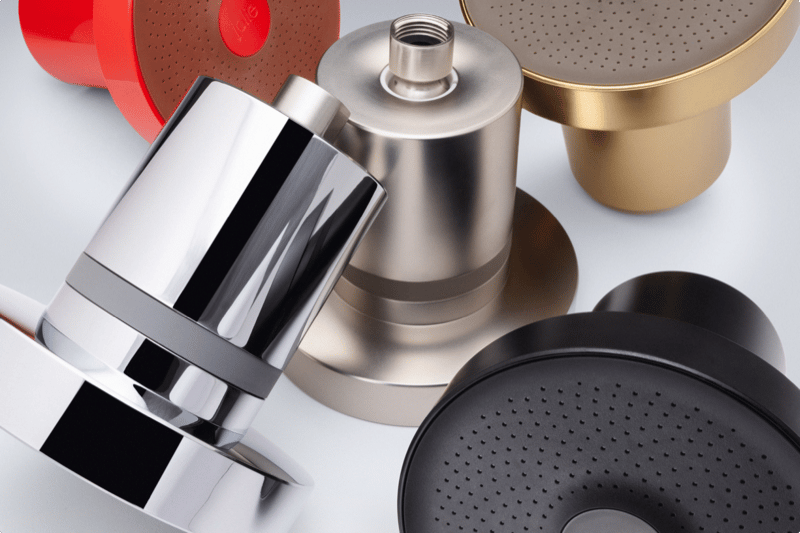
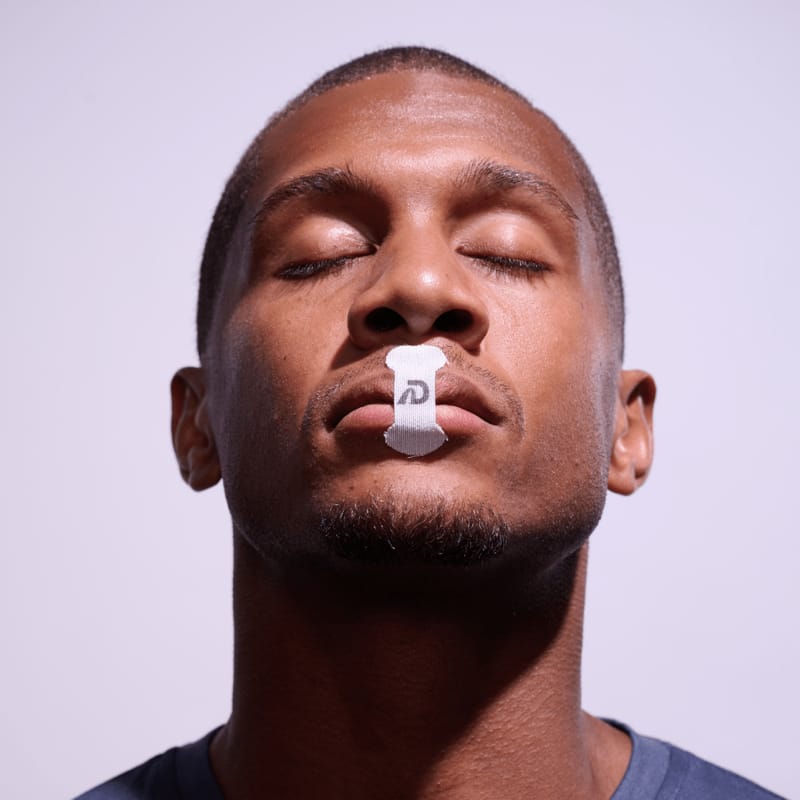
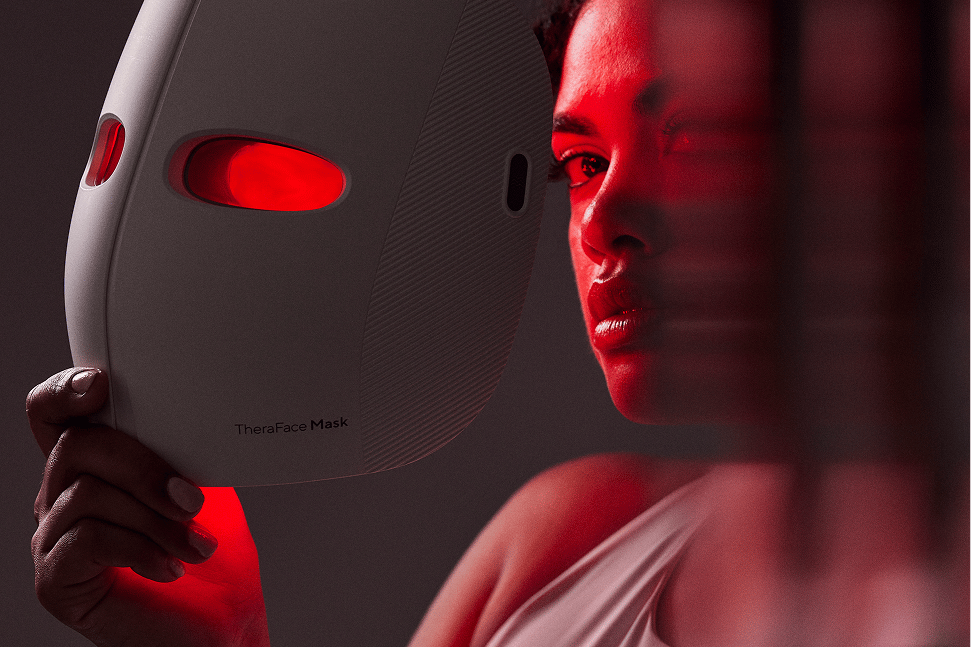
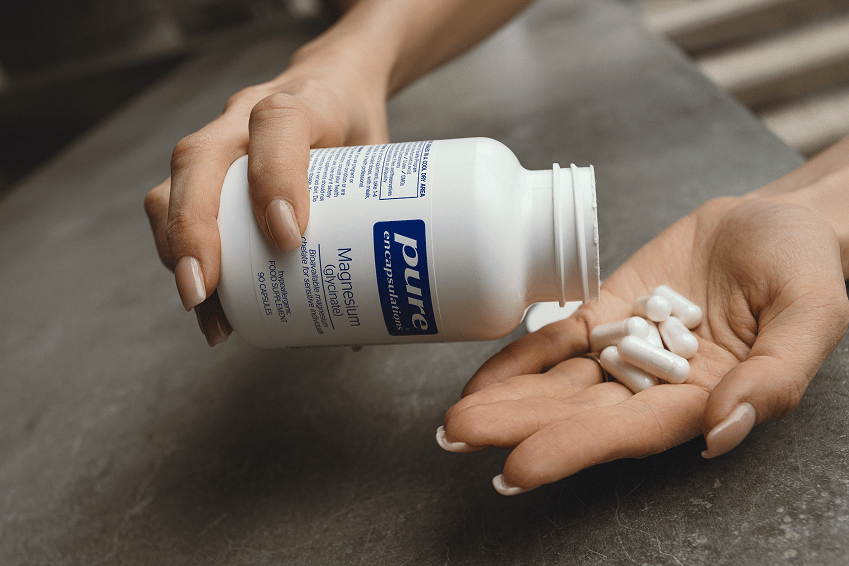
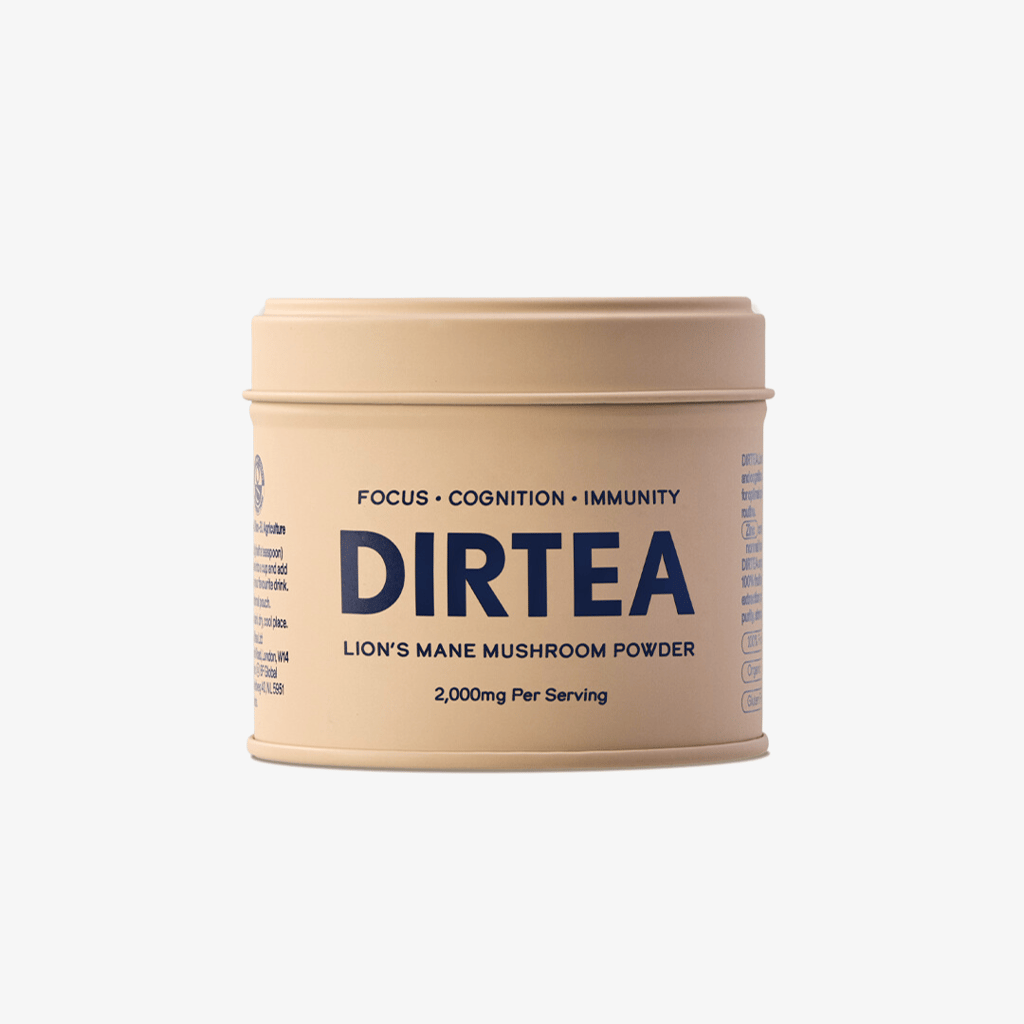
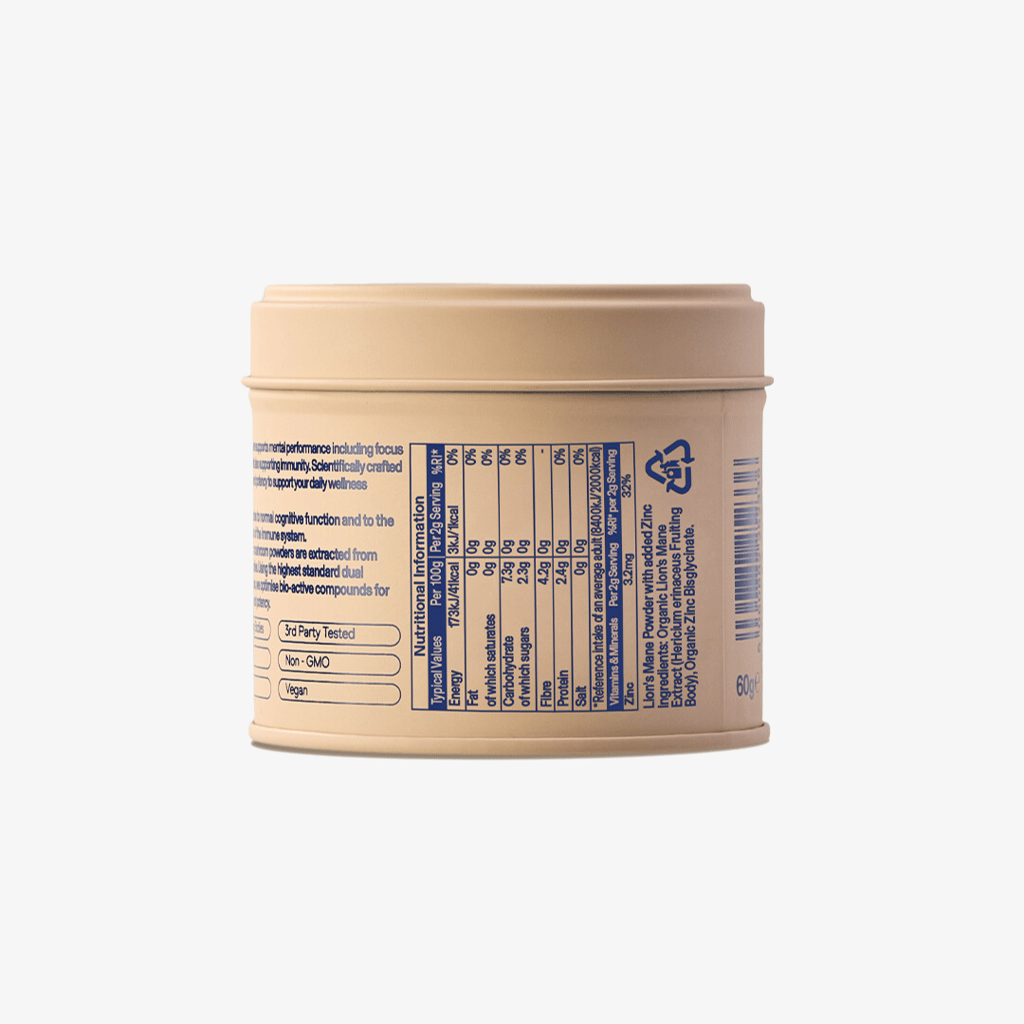
Healf Productivity Picks:


Disclaimer : This article is for informational purposes only and is not a substitute for professional medical advice. Hormonal cycles and their effects on productivity can vary widely between individuals. If you're experiencing irregular periods, severe PMS, or other health concerns related to hormones, it's important to consult a healthcare professional for personalised advice and treatment. Always seek medical advice for any concerns about your menstrual or hormonal health.


This article is for informational purposes only, even if and regardless of whether it features the advice of physicians and medical practitioners. This article is not, nor is it intended to be, a substitute for professional medical advice, diagnosis, or treatment and should never be relied upon for specific medical advice. The views expressed in this article are the views of the expert and do not necessarily represent the views of Healf
Pippa is a content writer and qualified Nutritional Therapist (DipNT) creating research-based content with a passion for many areas of wellbeing, including hormonal health, mental health and digestive health.
As a contributor to The Healf Source, she regularly attends seminars and programmes on a plethora of contemporary health issues and modern research insights with a drive to never stop learning. In addition, interviewing experts and specialists across The Four Pillars: EAT, MOVE, MIND, SLEEP.
In her spare time, she is an avid swimmer, mindfulness and yoga lover, occasionally bringing a raw, honest approach to the topics she faces. You may also discover some personal accounts of eye-opening wellbeing experiences amidst the reality of a disorientating, and often conflicting, modern wellbeing space.