

















Bouncing For Your Biofield

Written by: Samantha Nice
Written on: 20 October 2025
It’s gentle rebounding and energy healing paired with an aim to realign your subtle energy field.
The energy you can feel, even when you can’t see it
Have you ever walked into a space and felt instantly lighter, calmer, and you finally exhale with ease? Or quite the opposite, where the vibes are off and you feel like you need to leave immediately.
There might be a reason for that.
Animals are sensitive to electromagnetic fields
Plenty of animals depend on this kind of sensitivity to survive. Birds and whales use the Earth’s magnetic field to travel thousands of miles.
Do humans experience this too?
It turns out humans may not be so different. Studies on what's referred to as ‘magnetoreception’ from Caltech and the University of Tokyo show that the human brain responds to electromagnetic changes in the environment, even if we’re not consciously aware of it.
Additionally, some researchers suggest that electromagnetic and biofield therapies could interact with the body's magnetoreceptors.
Another recent article published in 2025 does not dismiss biofield theory as merely fringe, but as worthy of deeper exploration using physical and biological science, including quantum spin dynamics and electromagnetic theory.
So, what if, alike our animal counterparts, we’ve been tuning in all along?
Energy permeates everything: Introducing the concept of the biofield
The Earth’s magnetic field plays a protective role by shielding the planet from intense UV radiation, and may have shaped how life evolved here in the first place.
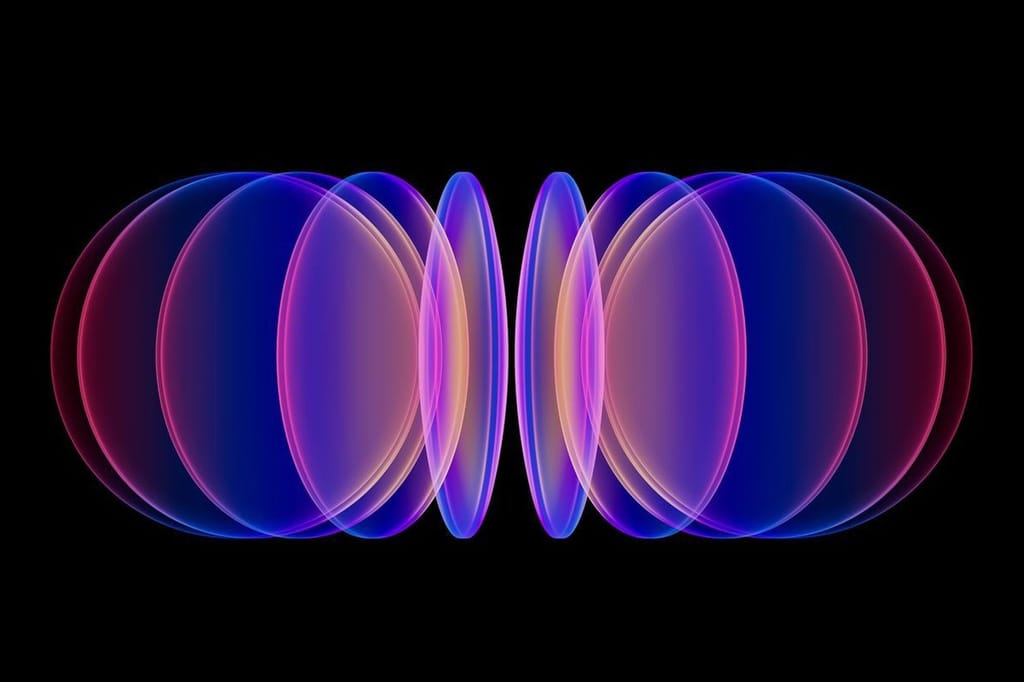
In essence, biofield theory proposes that living beings may also emit their own electromagnetic field, similar to how the Earth does. Yet, the biofield is not limited to just one type of energy. Some scientists propose it also includes optical (biophoton), acoustic, and other nonclassical energy fields.
When was biofield theory first proposed?
On record, the term "biofield" was put forward by a group of alternative medicine practitioners and researchers at a meeting convened by Complementary and Integrative Health (NIH), in 1992. Their goal was to create a unified framework for various energy-based healing traditions to facilitate research and understanding.
The term biofield therapy reflects this broader idea. It describes practices where a healer works with the body’s own field, both within and around the physical body. The committee used this description: “A massless field, not necessarily electromagnetic, that surrounds and permeates living bodies and affects the body.”
The theory of ‘the biofield’ encompasses other conceptual elements such as chakras, meridians, and the aura, which are all seen as channels through which the energy of life flows.
Biofield theory in therapeutic applications
Because this field is thought to mirror a person’s emotional, mental, and physical state, disturbances such as stress, trauma, injury, or illness are believed to block or imbalance energy.
Approaches like Reiki, healing touch and external Qigong are often grouped under what’s known as energy work, connected to biofield therapy.
What do biofield therapies aim to achieve?
These blockages, in the biofield model, can contribute to dysfunction or disease.
Biofield therapies are practices aimed at releasing energetic constrictions and restoring harmony to the field.
Electromagnetic therapies versus biofield therapies
Electromagnetic therapies use external energy from medical devices to support the body, often targeting pain, inflammation or tissue repair. PEMF is an example of this.
Biofield therapies tend to work differently. They focus on the body’s own energy field, using light touch or hands-off techniques like Reiki or therapeutic touch. While electromagnetic approaches are technology driven, biofield therapies are usually more varied.
What’s bouncing got to do with it?
“The ultimate approach to healing will be to remove the abnormalities at the subtle‑energy level which led to the manifestation of illness in the first place.” – Donna Eden in Energy Medicine
Trampolines support overall fitness and offer a simple way to build core strength and develop full-body coordination, but ‘biofield bouncing’ goes one step further.
Those proposing the benefits of bouncing for your biofield seem to present a set of intertwined physical, emotional, and energetic benefits.
As Donna Eden states in her book Energy Medicine, “the ultimate approach to healing will be to remove the abnormalities at the subtle‑energy level which led to the manifestation of illness in the first place.”
The idea, however, in terms of preventative medicine, is to prevent disease from manifesting in the first place, a purpose for which the bouncing movement has long been upheld.
How to bounce
Bouncing for your biofield is also named several other things like “health bouncing”, or “Shaking the Tree”. This is because a person’s biofield is said to act similarly to the rings of a tree, reflecting chronological growth shaped by changes and stressors.
These ‘rings’ of body memory can be tapped into through sound healing, movement or physical touch.
Here’s how you can get started with bouncing, with or without a rebounder:
Stand (on a rebounder mini trampoline, if you have one) with feet shoulder width apart and knees softly bent.
Keep your core gently engaged and your spine in neutral alignment with eyes looking ahead.
If you don’t have a rebounder you can use a mat to prevent injury or unnecessary impact. Press into the mat and begin a gentle, controlled bounce. Your feet should stay in contact or lift only an inch or two. If you're on a rebounder, get bouncing.
Find a rhythm that feels natural and continue bouncing for a minute or so (or however long feels comfortable) adjusting tempo as needed.
Throughout this practice, maintain mental focus or an intention if that fits. To get engaged, use the imagination to visualise blockages dissolving or energy flowing.
Although you might choose to practice for longer, it is recommended to start with short intervals and then gradually increase.
What about lymphatic drainage?
Can bouncing change your mood?
Many believe the rhythmic movement promotes stress relief by calming the nervous system and releasing tension. On a more subtle level, bouncing is said to facilitate the release of emotional blockages stored in fascia or energetic pathways.
Peter A Levine, Ph.D., is the developer of Somatic Experiencing, a neurobiological approach to healing trauma. In a YouTube clip, he explains that “When a person has experienced and internalised trauma, the negative sensations in the body mean that the body has become the enemy to that person”.
He also says trampolines minus springs are the best approach in such cases: “Smooth movements are the key. With trampolines that use springs, it jars the person, and that is what trauma does. It shakes them out of their body. But with elastic technology, it allows for a gentle reconnection. It helps bring people back into their bodies in a peaceful, vibrant way. I sometimes call this the gift of our embodied self, the capacity to be whole within our bodies.”
Furthermore, improved microcirculation and renewed energy flow are thought to infuse the body with greater vitality.
Many of these longevity benefits overlap with what light exercise and weight-bearing exercises, such as bouncing movements, already offer, such as increased bone density.
Scientific viewpoint and evidence on bouncing for your biofield
From a purely scientific standpoint, the notion of a biofield is considered, at this stage, hypothetical.
That said, some new evidence might point toward a scientific understanding of biofield theory to come in the future.
A 2025 narrative review explores possible biophysical explanations for how energy-based therapies like biofield interventions might work.
The review suggests that both of these ideas, light signals from cells known as ultraweak photon emissions (UPEs) and coordinated particle movement referred to as spin coherence, might be part of how biofield therapies could influence the body.
However, the study does not offer direct proof that the human biofield, as framed in many alternative health circles, exists as a structured field measurable in the same way as the heart’s or brain’s electromagnetic activity. Nor does it confirm that practices like ‘health bouncing’ specifically influence these electromagnetic processes.
The article simply acknowledges the need for more experimental validation, particularly for long-distance or non-contact effects associated with biofield therapies.
Mini trampoline exercises studied by NASA
The physical act of rebounding, however, has clearer evidential support.
A NASA study found that mini trampoline exercise can improve oxygen uptake more efficiently than treadmill running. Rebounding is also valued for offering a gentle cardiovascular workout with minimal joint stress.
Is it suitable for you?
You might consider trying bouncing for your biofield (or just bouncing) if you’re looking for a low impact way to combine gentle movement with intention or mindfulness.
The practice is generally safe for healthy adults, though it may not suit those with serious joint issues, balance problems, vertigo, or musculoskeletal conditions, without guidance.
Top tips?
Start small. Bounce for one or two minutes and notice how you feel. Does it improve your mood, energy or mental clarity?
Ultimately, if you enjoy it and feel better afterward, it may have value as a movement ritual or meditative moment in your day.
Keep a record of your personal progress for a later date.
Choosing the best fitness equipment
Other ways to improve balance and endurance, beyond bouncing on a mat or rebounder, include using equipment like ankle and wrist weights. These can be added to any workout or daily routine.
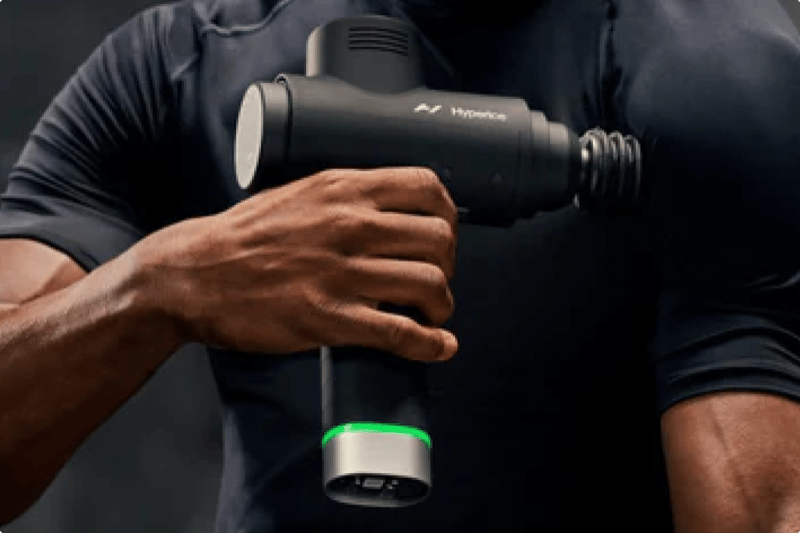
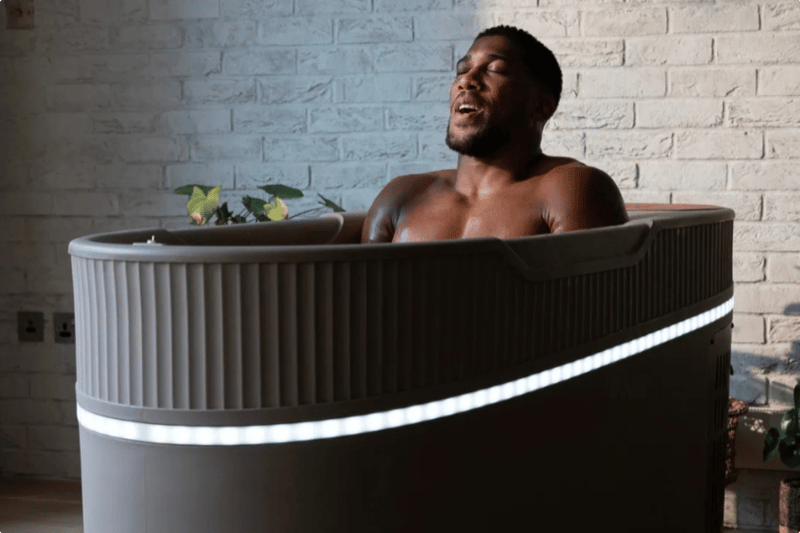
Plus, find relief and recovery for sore muscles with advanced technology from reputable brands offering percussion massagers, customisable heat and vibration settings, and instant heat, cold and contrast therapies.
What you should know
Bouncing for your biofield blends gentle movement with energetic ideas.
While biofields are often linked to healing practices, they may play a much wider role in how the body organises and communicates with itself.
Rather than viewing them only as part of treatment, this perspective sees the biofield as something that helps regulate and guide the body’s natural processes. It suggests that energy is not just used to fix something once it is broken, but is part of how the body stays balanced and responds to its environment in the first place.
Shop MOVE at Healf and reset your energy with mindful motion tools for balance, bounce, and daily rhythm.
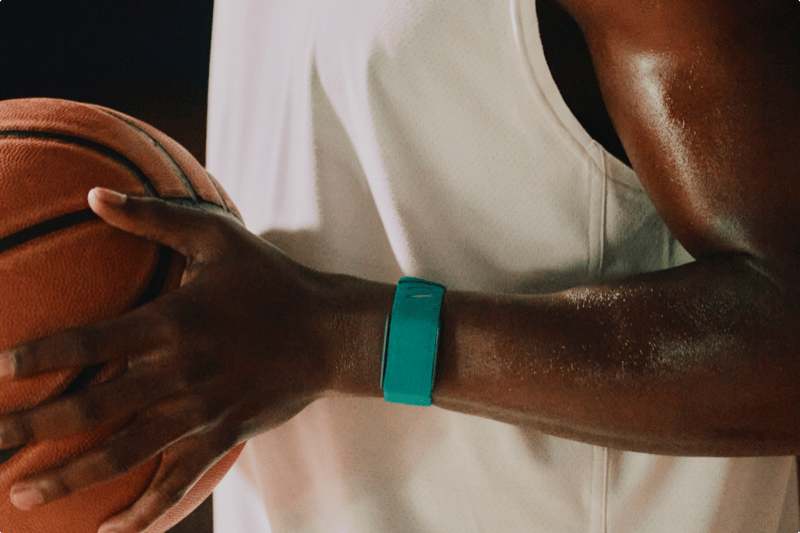
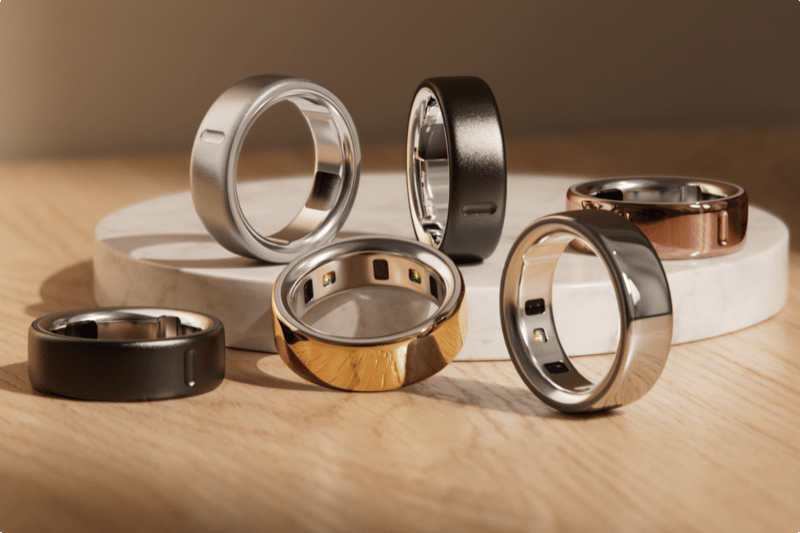
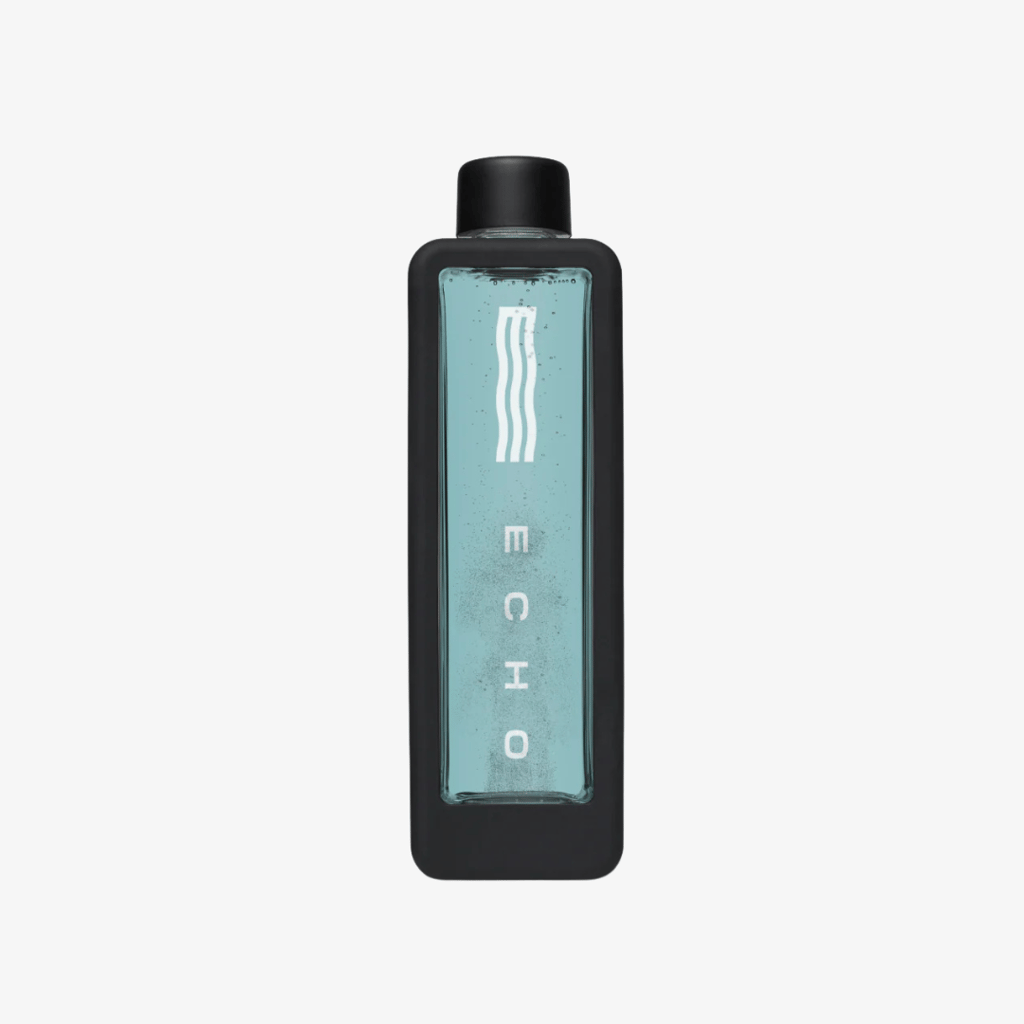
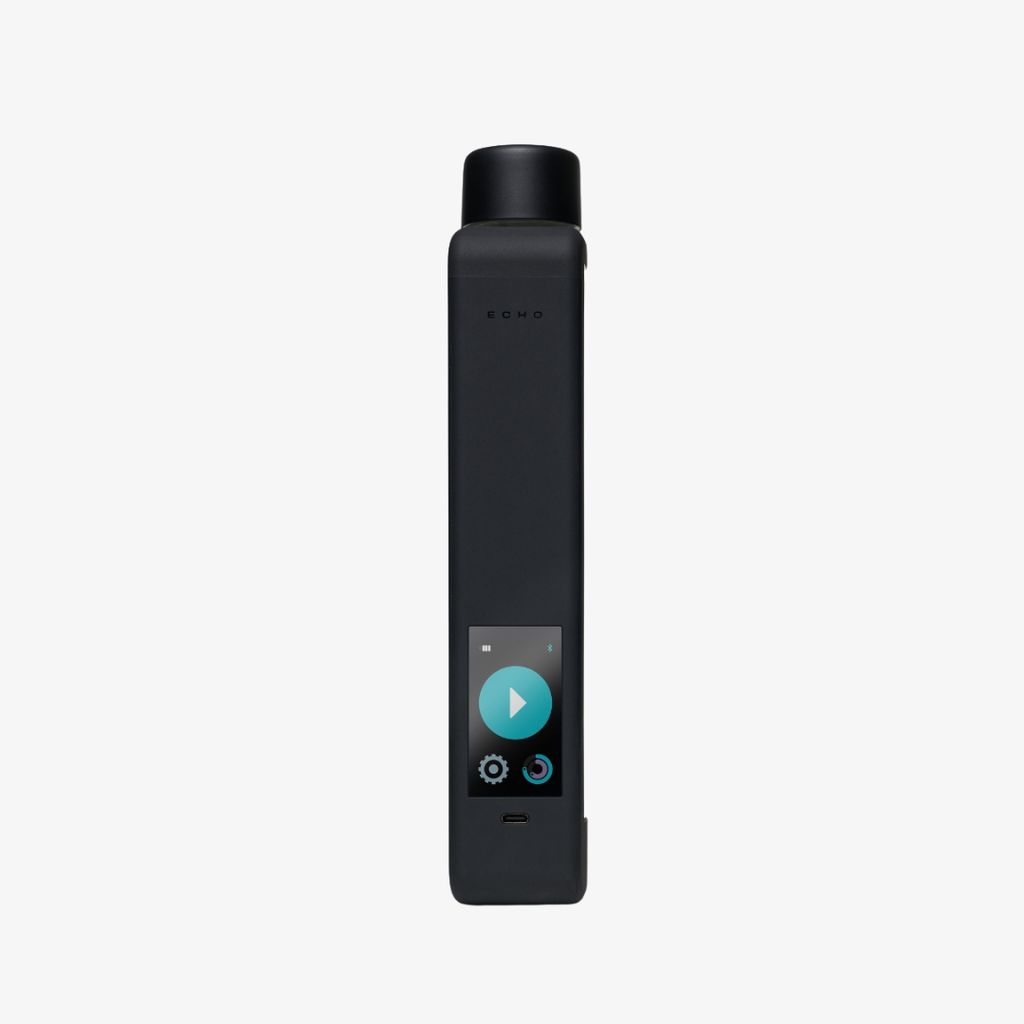
Take your recovery to the next level with smart devices like the WHOOP 4.0, Oura Ring Gen3 Horizon and Echo Go Plus hydrogen water bottle. Keep track of your biometric data, monitor sleep, and get personalised recommendations to unlock your full potential.

FAQs
1. What is bouncing for your biofield?
Bouncing for your biofield is a gentle form of movement which can be done with or without a mini trampoline. It aims to support the body’s natural energy field. The idea is that light, rhythmic bouncing helps improve physical wellbeing and may influence what some complementary therapies refer to as the biofield. This is described as the subtle energy surrounding and flowing through the body.
2. Does rebounding help with lymphatic drainage?
Rebounding is widely used to support the movement of lymph. Since the lymphatic system has no central pump like the heart, gentle bouncing helps circulate lymph through the body. This may assist in clearing metabolic waste and supporting the body’s natural detox process.
3. What is the biofield in alternative medicine?
In complementary and alternative medicine, the biofield is thought to be a subtle energy field that surrounds and permeates the human body. It is believed to reflect mental, physical, and emotional states. Therapies such as Reiki, healing touch, therapeutic touch and external Qigong are often described as forms of biofield therapy, aiming to restore energetic balance.
4. Is there any science behind biofield therapies?
While still considered theoretical, some studies point to possible biological mechanisms behind biofield therapies. A 2025 review highlighted how ultraweak photon emissions and electromagnetic interactions might play a role in internal communication within the body. Though early, this line of research supports further investigation into the potential effects of subtle energy interventions.
5. Electromagnetic therapies versus biofield therapies, what’s the difference?
Electromagnetic (EM) therapies use external EM fields to heal, while biofield therapies work with the body's own proposed energy field, often using hands-on or hands-off techniques like Reiki or therapeutic touch. EM therapies are device-based, while biofield therapies are more varied and include both device-based approaches and traditional hands-on healing practices.
This article is for informational purposes only, even if and regardless of whether it features the advice of physicians and medical practitioners. This article is not, nor is it intended to be, a substitute for professional medical advice, diagnosis, or treatment and should never be relied upon for specific medical advice. The views expressed in this article are the views of the expert and do not necessarily represent the views of Healf
Samantha Nice is a seasoned wellness writer with over a decade of experience crafting content for a diverse range of global brands. A passionate advocate for holistic wellbeing, she brings a particular focus to supplements, women’s health, strength training, and running. Samantha is a proud member of the Healf editorial team, where she merges her love for storytelling with industry insights and science-backed evidence.
An avid WHOOP wearer, keen runner (with a sub 1:30 half marathon) hot yoga enthusiast and regular gym goer, Samantha lives and breathes the wellness lifestyle she writes about. With a solid black book of trusted contacts (including some of the industry’s leading experts) she’s committed to creating accessible, well-informed content that empowers and inspires Healf readers.