






_2026-10-13_14-11-48.png)

An Acupuncturist’s Take On Sound Baths And Women’s Health: Myths, Missteps, And Finding Meaning
Written by: Pippa Thackeray
Written on: 14 July 2025
If you have ever just wanted to pick up the phone and get an expert’s opinion, this article is for you.
From acupuncture to sound healing, May Cheung’s methods challenge misconceptions and uncover the deeper connections between body and mind. May and I caught up casually to discuss wellbeing trends that might not be all that they’re cracked up to be, chronic pain, and what women’s cycles reveal about overall health.
Introducing May Cheung of Calma Healing Space
May’s journey into Traditional East Asian Medicine was inspired by personal experience. Years of chronic back pain led her to a professor who linked her symptoms to a gynaecological imbalance. “That moment changed everything,” she says. “It made me realise how deeply interconnected our bodies are.”
With over 20 years of experience in acupuncture, massage therapies, and holistic practices, May specialises in addressing the root causes of women’s health concerns—from menstrual irregularities to menopause. “I’ve always believed in treating the whole person, not just isolated symptoms,” she explains that it is a philosophy that drives her practice every day.
The hidden link between reproductive health and chronic pain
“For many women, chronic back pain isn’t just about their back, it’s about their reproductive health,” May explains. “When cycles are irregular or painful, the tension often radiates to the lower back. I’ve had clients come in unable to move properly and leave feeling freer after just one session.”
May’s own experience mirrors this connection. “I had back pain for years. I tried massage therapies, but the pain always came back. Then a professor of East Asian medicine told me, ‘Your chronic back issue is coming from a gynaecological problem.’ At the time, I couldn’t believe it, but when I paid attention to my cycle, it all made sense.”
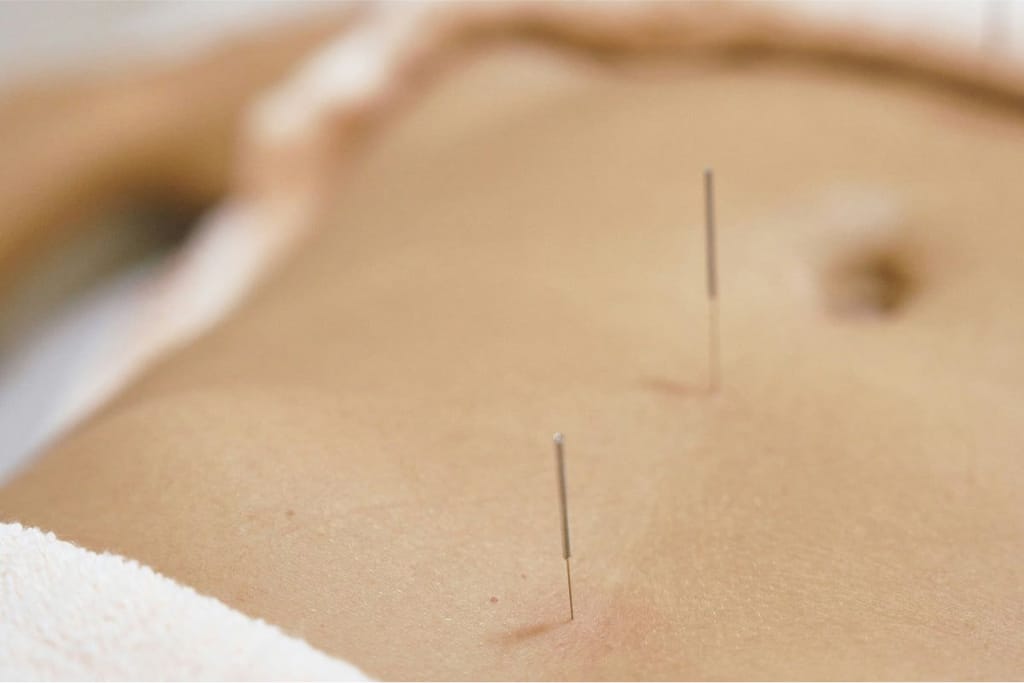
Acupuncture is far from a simple practice, there is much to learn and understand. Yet it offers truly remarkable results. Even May, in her many years of experience, remains in awe of its power. “People think, ‘How can needles make a difference?’ But I’ve seen transformations happen in front of my very eyes.”
Are sound baths the new fad?
Sound baths, often seen as the epitome of tranquillity, are popping up everywhere. But are they as harmless as they seem?
“Sound healing is powerful, but it’s a tool that needs to be used correctly,” says May. “At the moment, sound baths are everywhere—they’ve become this trendy wellness practice. But like any treatment, they’re not inherently safe for everyone. For some people, certain sound frequencies can trigger psychotic episodes. That’s why it’s so important to understand the person you’re working with and their history.”
True practices can never be forced or rushed
She continues, “Practitioners often rush through sessions. To truly heal, the heart and breath need to be still. It’s not just about striking a bowl—it’s about creating a connection with the sound. I’ve been to sessions where you hear a horrible scraping noise from the singing bowl. That’s not healing at all—it’s just irritating and can even do more harm than good.”
May likens sound healing to meditation. “You need to be fully present, with stillness in your breath and heart. Without that intention, it’s just noise. The singing bowl should create a consistent, soothing sound, not something jarring or rushed. It’s a sacred tool, not a performance.”
Sound healing in the right hands
For May, the growing popularity of sound baths is both a blessing and a risk. “If people embrace them as healing tools and learn to use them properly, they can be very effective. But without that understanding, they risk becoming just another passing trend.”
What your period is trying to tell you
“For me, menstrual cycles are like health report cards,” says May. “The blood’s colour, consistency, and texture reveal so much. Painful, heavy periods or large clots are not normal—they’re the body’s way of saying something is off-balance. These are signals we shouldn’t ignore.”
The problem with overlooking gynecological health
May believes these warning signs are often overlooked or dismissed. “I’ve seen it so many times,” she says. “Women come in after being told their severe period symptoms are ‘just normal.’ But debilitating pain, excessive bleeding, or irregular cycles aren’t things we should have to put up with. They’re signs that something deeper is going on.”
The root cause
Her concern extends to how such issues are handled within Western medicine. “In my experience, women are frequently offered drastic solutions like hysterectomies,” May explains. “I’m not against Western approaches, but we’re too quick to jump to extreme measures without exploring less invasive options. If we listened to our bodies earlier—when these symptoms first appear—we could bring them back into balance.”
May stresses the importance of recognising these early signals. “It’s all about addressing the root cause. The earlier we do that, the less likely we are to face severe conditions later on.”
Menopause: it’s all connected
Menopause might dominate health headlines, but May argues that the conversation is too narrow.
“Menopause is part of a continuum,” says May. “If we look after our hormonal health in our 20s and 30s, menopause doesn’t have to feel like such a shock. It’s not something that suddenly happens—it’s a transition that begins much earlier than we realise.”
Transitions continually happen throughout life
In East Asian medicine, the body is viewed in seven-year cycles, each phase preparing the foundation for the next. “Our bodies are constantly changing, and if we ignore subtle signs in our younger years—like irregular cycles or hormonal shifts—it can make the transition to menopause much harder,” May explains.
She emphasises the importance of proactive care. “The earlier you address imbalances, the better prepared you’ll be for what’s to come. Many women think they don’t need to worry until symptoms become severe, but by that point, you’re playing catch-up. Building a strong foundation in your reproductive years sets you up for a much smoother menopause.”
The bigger picture in women’s health
May believes this holistic perspective is missing from most mainstream discussions. “We need to see the bigger picture. Menopause isn’t an isolated event—it’s part of a lifelong journey. When we treat it that way, the whole experience becomes far less daunting.”
The takeaway lessons
May’s approach is clear: wellness isn’t about quick fixes but about tuning into the body’s signals. Chronic pain might not be about your back but your hormones, and sound baths aren’t inherently healing without intention. Menopause and perimenopause may begin long before you think it does. And, menstrual irregularities are ultimately warnings, not inevitabilities.
Wellbeing, she insists, isn’t about simply reacting to problems, but nurturing balance throughout life’s many phases and transitions.
A big thank you to May Cheung
If you enjoyed this article and want to learn more from May and her specialism in women’s health, you can reach out to her at Calma Healing Space.
Shop at Healf to explore thoughtful ways to nourish balance and clarity in your daily life, because the journey to harmony begins with understanding your body’s signals and supporting its needs.

This article is for informational purposes only, even if and regardless of whether it features the advice of physicians and medical practitioners. This article is not, nor is it intended to be, a substitute for professional medical advice, diagnosis, or treatment and should never be relied upon for specific medical advice. The views expressed in this article are the views of the expert and do not necessarily represent the views of Healf
Pippa is a content writer and qualified Nutritional Therapist (DipNT) creating research-based content with a passion for many areas of wellbeing, including hormonal health, mental health and digestive health.
As a contributor to The Healf Source, she regularly attends seminars and programmes on a plethora of contemporary health issues and modern research insights with a drive to never stop learning. In addition, interviewing experts and specialists across The Four Pillars: EAT, MOVE, MIND, SLEEP.
In her spare time, she is an avid swimmer, mindfulness and yoga lover, occasionally bringing a raw, honest approach to the topics she faces. You may also discover some personal accounts of eye-opening wellbeing experiences amidst the reality of a disorientating, and often conflicting, modern wellbeing space.