























_2026-10-13_14-11-48.png)


How Glycine 'Cools Your Brain' To Help You Sleep Better
Is it time to add the compound to your nightly roster? Here’s what you should know.

Written by: Tom Ward
Written on: 27 April 2026
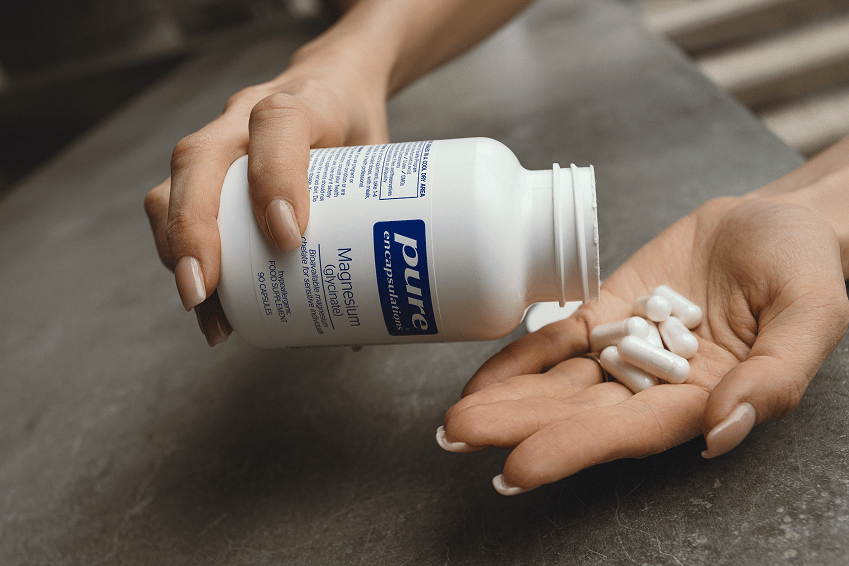
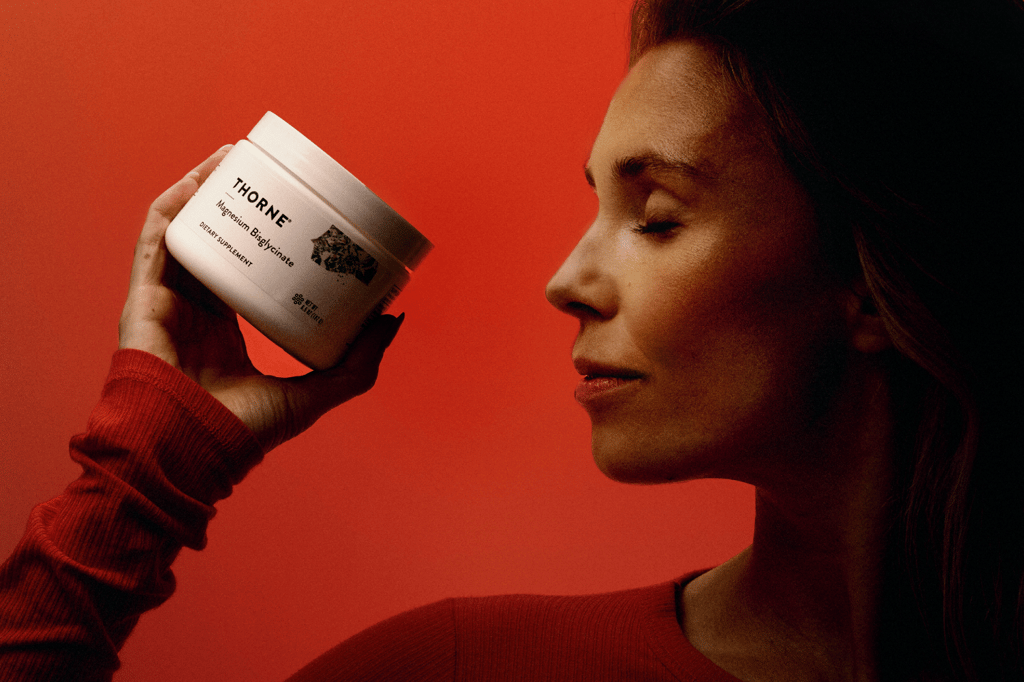
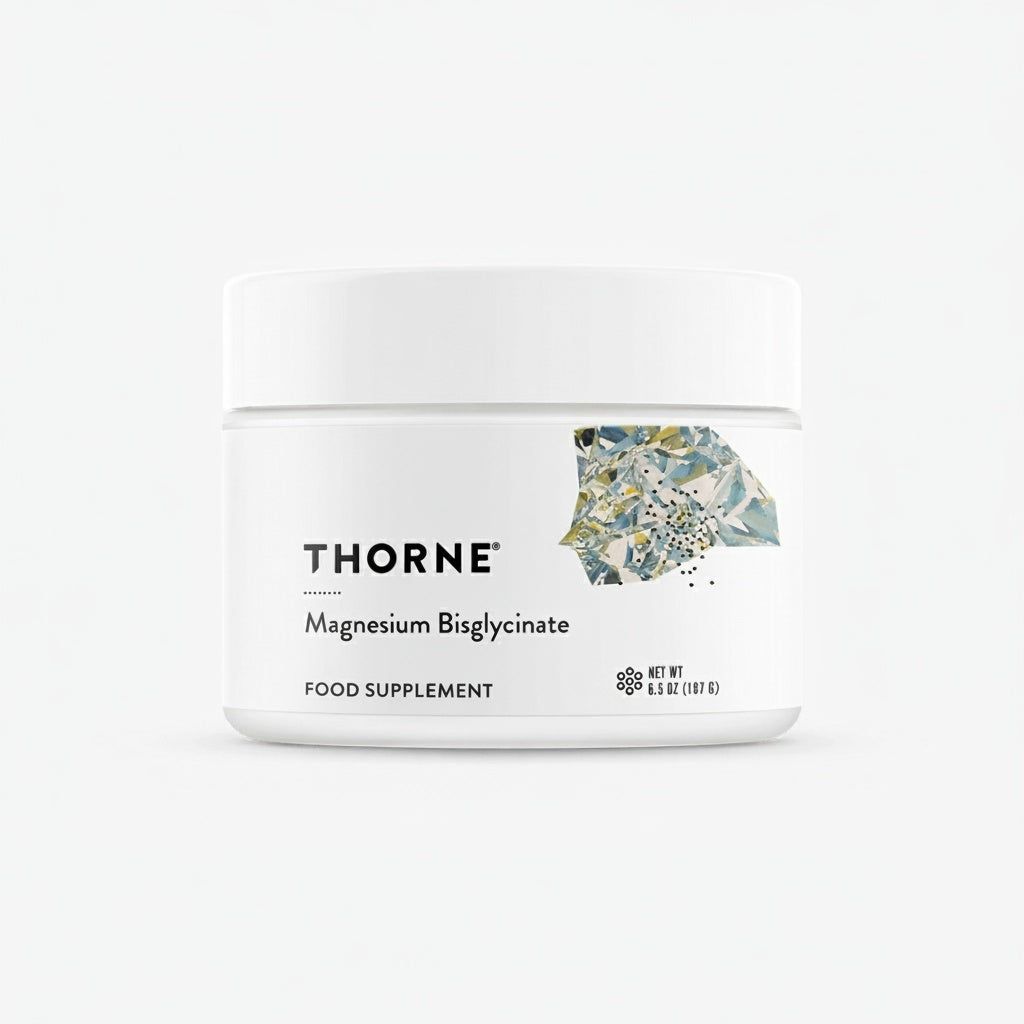
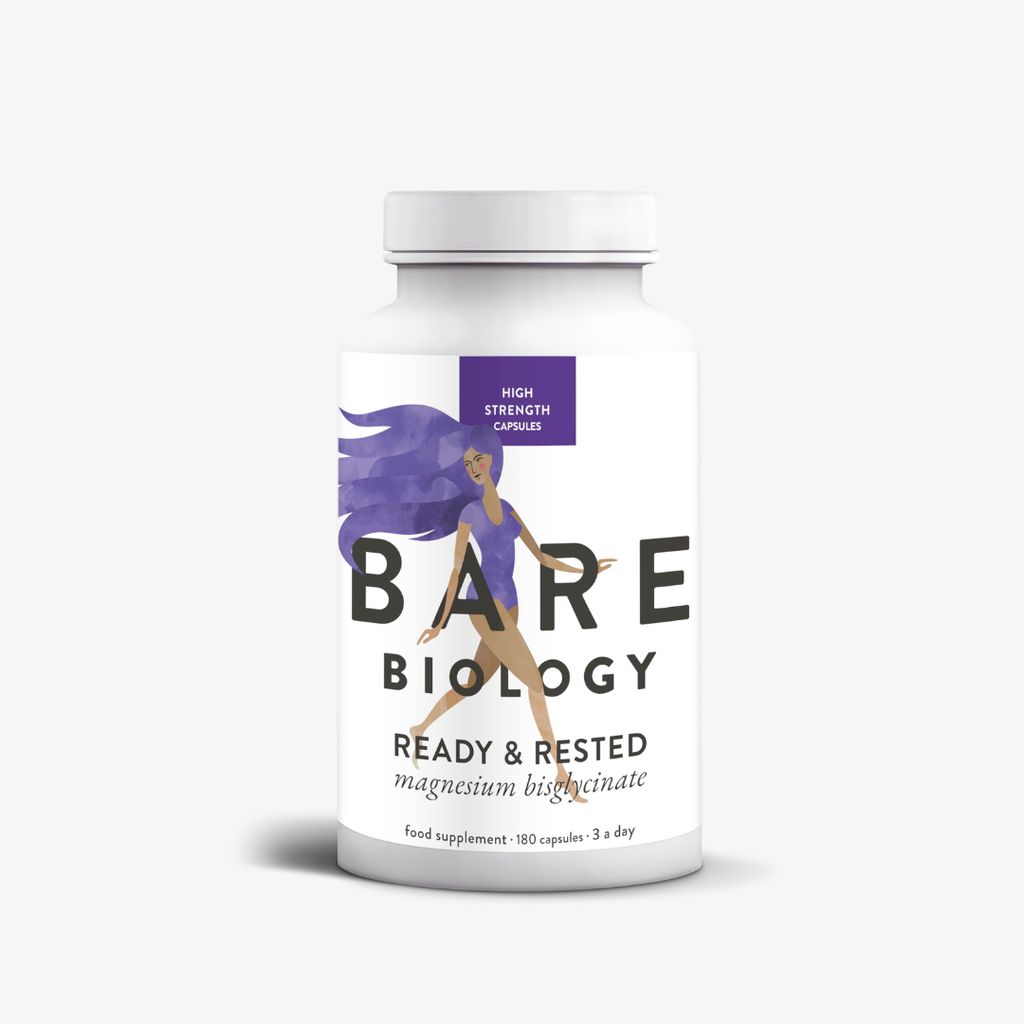
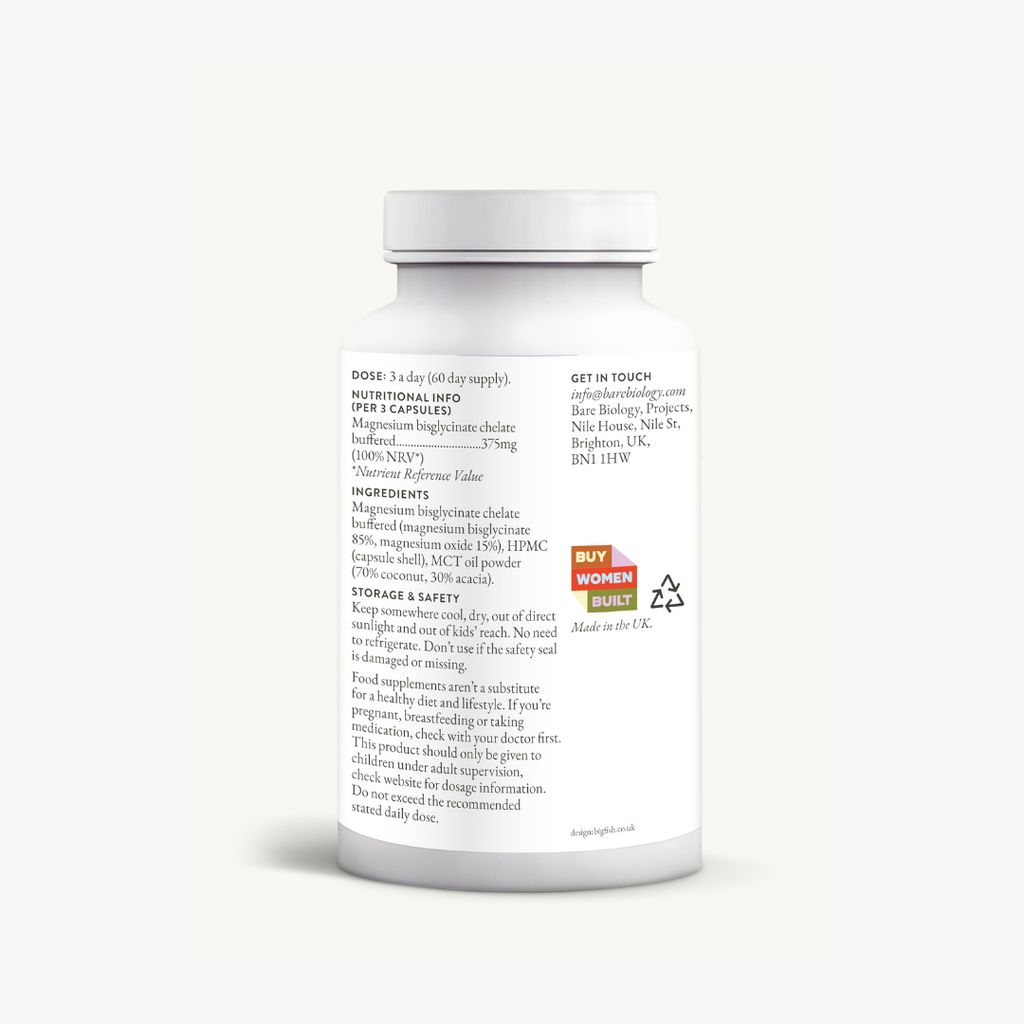
There’s a new supplement generating buzz for its surprising ability to help you get better sleep. Last year, a study in Nature and Sleep Science found that magnesium bisglycinate (that’s a compound made up of magnesium and glycine) reduced insomnia and allowed adults aged 18 to 65 to have a deeper night’s sleep.
The data is promising, and what's more, experts say that even taken on its own (without magnesium or melatonin), glycine still seems to help power our sleep scores. One study found that it can help reduce next-day fatigue among people who struggle to nod off. “Glycine taken about one hour before bed is a safe, gentle supplement that supports the body’s natural cooling and relaxation signals,” says Dave Gibson, sleep coach and founder of The Sleep Site.
So, is it time to add glycine to your nightly roster? Here’s what you should know.
What is glycine and why does it affect sleep?
Glycine is a non-essential amino acid found in collagen, so you typically get it from consuming foods like bone broth and chicken skin. At the most basic level, it helps calm the central nervous system when it’s time for sleep. “By acting as a quietening signal to the brain, glycine helps suppress the 'background noise' of daily stress, making it easier for the body to transition from a state of high alert into a restorative sleep cycle,” explains Dave Weinstein, a GP and men's health expert who runs Sussex Wellman Clinic.
Glycine also helps stabilise energy levels through the night, and along with GABA (an inhibitory neurotransmitter in the central nervous system), it stops us from restlessness during the Rapid Eye Movement (REM) sleep stage.
Most importantly, glycine is involved in our thermoregulation process. Specifically, it initiates a drop in our core body temperature, a primary trigger for the onset of sleep. Could glycine be the unsung hero of bedtime?
How the brain cools itself before sleep
Our circadian rhythm (the innate system that governs our sleeping and waking) is actually directly tied directly to our core body temperature. For the brain to initiate sleep, it's temp needs to drop by about ~0.5 to 1°C. The body achieves this through vasodilation (sending blood to the extremities, like our hands and feet, to diffuse and reduce heat). This process acts as a biological green light for the brain to begin its nightly reset.
This is important; your nightly temperature is more of a scientific requirement than personal preference. “If you stay too warm, you literally can’t switch off as the brain stays in alert mode,” explains Gibson.
Why glycine may help you fall asleep faster
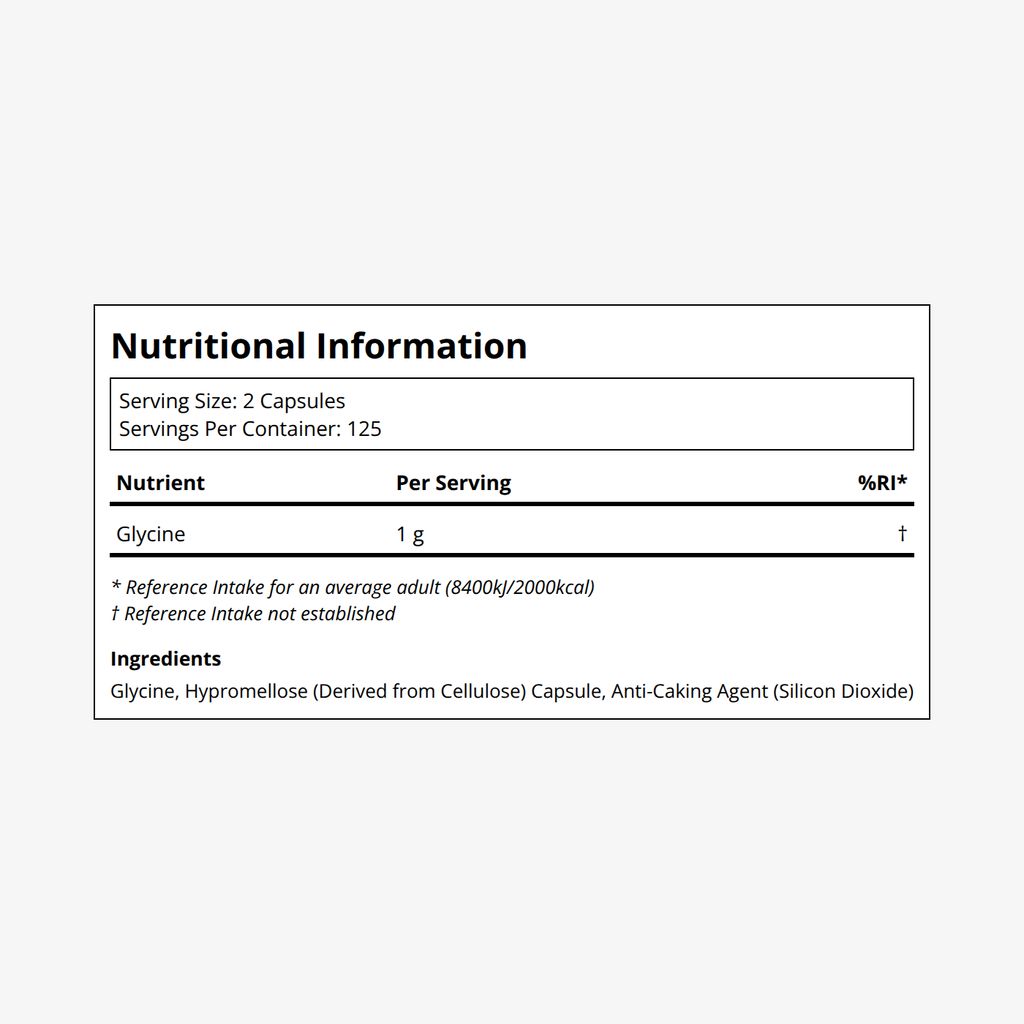
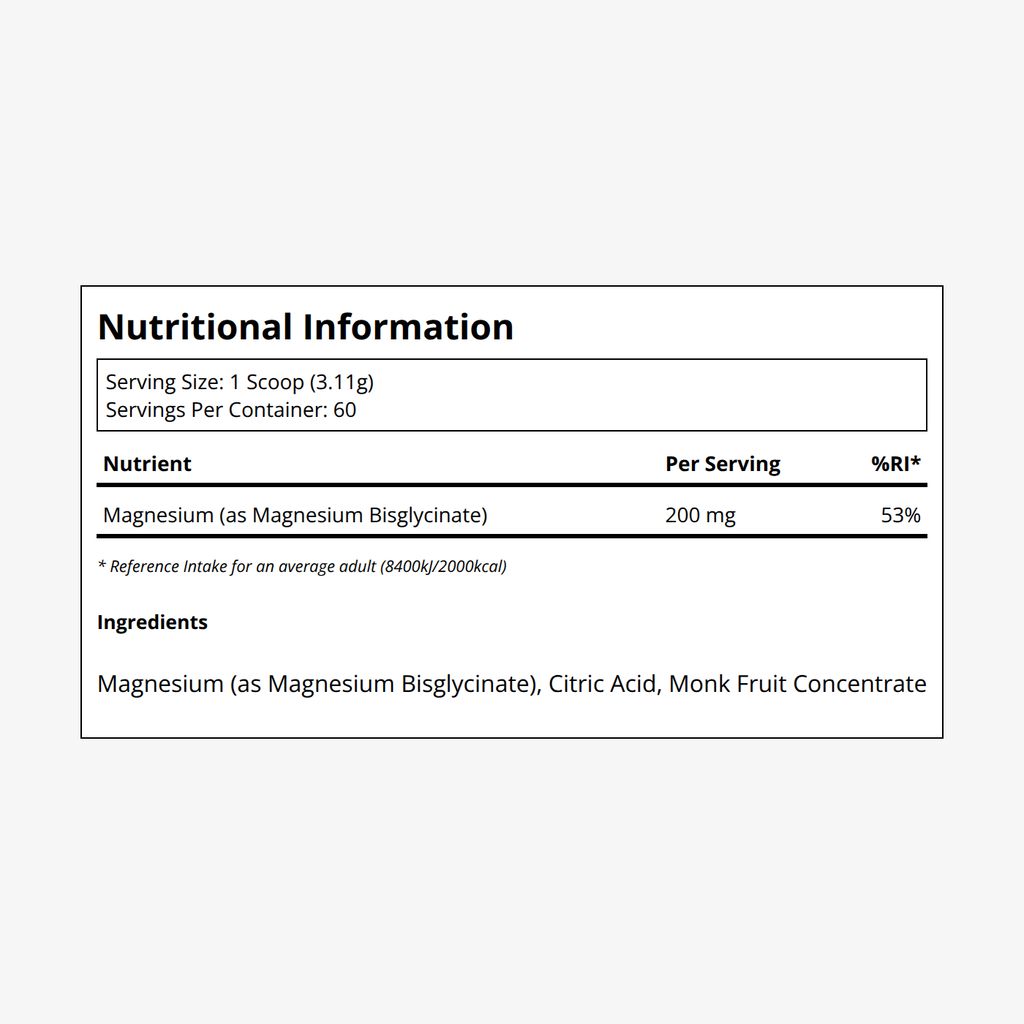
By helping to drop the core temperature more efficiently, glycine essentially 'fast-tracks' the physical signal to the brain that the day is over. This reduces the time spent tossing and turning in the sleep onset phase. Taken as a supplement, a 3g dosage is what you likely want to aim for, according to a Japanese Society of Sleep Research study.
Can glycine improve how you feel after a bad night’s sleep?
Aside from helping us fall asleep, can glycine also improve our mood if taken after a restless night? “Yes, but in a small way,” says Gibson. While the ‘why’ here isn’t particularly well understood right now, sleep-deprived participants have reported less brain fog and fatigue after taking glycine supplements in the morning.
“While no supplement can truly 'undo' the cognitive debt of a missed night, glycine appears to enhance the quality of 'slow-wave' deep sleep,” says Dr. Weinstein, meaning even if your sleep window is shorter than desired, with glycine, the time you do get tends to be more efficient.

Simple ways to support better sleep naturally
Alongside the usual things like keeping your bedroom around 18°C and cutting off caffeine after noon, Gibson recommends taking a warm bath one to two hours before bed. Interestingly, when you step into a cool bedroom, the heat generated from the bath encourages your body to cool down, helping it find a comfortable temperature more quickly.
“You could also eat glycine-rich evening meals, such as bone broth and slow-cooked meats with skin or connective tissue,” he adds. Traditional cultures often consume these types of foods before bed, from medicinal broths, to bone broth soups, slow-cooked stews, and more. “These meals containing collagen and gelatine (both sources of glycine) would have contained the equivalent of the recommended evening dose of 3 g of glycine,” Gibson says.
If the thought of a meat-heavy meal so close to bed doesn’t appeal, you can also up your glycine with yoghurt, pumpkin seeds, and chia seeds, all of which contain a good dose. Pumpkin seeds tend to have the highest content of glycine, up to 1.78g per 100g.
But be warned, glycine isn’t a miracle molecule. Rather, it can play a useful role in your overall sleep hygiene. “It’s most effective when combined with the fundamental foundations of a good night’s sleep,” says Gibson. For maximum impact, keep your sleep and wake times consistent, get morning light exposure as soon as possible, and keep your bedroom dark and quiet. Do all of this, and your sleep should thank you.


This article is for informational purposes only, even if and regardless of whether it features the advice of physicians and medical practitioners. This article is not, nor is it intended to be, a substitute for professional medical advice, diagnosis, or treatment and should never be relied upon for specific medical advice. The views expressed in this article are the views of the expert and do not necessarily represent the views of Healf
Tom Ward is a former Men's Health features editor, and writes regularly on sports, fitness and adventure for the Red Bulletin, Outside, and the Sunday Times. He is the author of the novels The Lion and The Unicorn, and TIN CAT.