



































_2026-10-13_14-11-48.png)


When Should I Start To Feel Better With My Supplements?

Written by: Caroline Roberts
Written on: 10 March 2025
Starting a new supplement can feel like a step toward better health, but it’s natural to wonder when the benefits will kick in. Whether you’re taking vitamins for energy, minerals for stronger bones, or omega-3s for inflammation, results don’t always happen overnight.
The timeline for feeling better depends on the supplement, your body’s needs, and how consistently you take it. Caroline Roberts, a registered nutritional therapist at Integral Wellness, provides a quick-tip guide on what to expect, how to tell if your supplements are working, and when you might want to tweak your routine for better results.
First things first, why are you taking the supplement in the first place? Knowing this, and introducing the supplement away from other changes can help you to assess whether you feel the benefit or not.
If you have a deficiency in a nutrient that impacts your energy levels, for example, you may notice a difference within a few days of starting a supplement. Getting out of bed might be easier, that afternoon slump may have gone, or you’re falling asleep at 10pm in bed and not 6pm on the train home.
For other supplements that are taken for their potential benefits on physical symptoms, such as brain fog, fatigue, hair loss, or cognitive symptoms, it may be weeks to months before you start to notice any changes.
Here are some recommendations on how to track and measure if you’re feeling better from a supplement.
Tracking symptoms and changes:
Can you scan your body and assess how it feels? Do you know what triggers specific health issues? Many of us are unaware of signs and symptoms, yet these are messages from the body telling you something is out of balance.
Getting to know your body is really important for overall health. One way to do this is to keep a diary of symptoms and to score on a set scale so you can judge how symptoms and health issues change over time. This is ideal for gut health, energy, sleep and mood symptoms.
For example, score your current symptoms out of 10, with 1 being ‘awful, as bad as it can be’ and 10 being ‘great, couldn’t be better.’ When you begin the supplement, continue to score your symptoms every few days or once a week to track if you notice any difference?
Your score may fluctuate, which is normal, as health is never just one thing but multifactorial. If you don’t notice any benefits after a few weeks, you may need to take the supplement for longer or consider if something else is driving your symptoms.
Objective measurements
If you have been diagnosed with a nutrient deficiency, lab tests before and after supplementation can tell you whether the supplement has worked as intended.
This would be common and advised with nutrients, such as:
- Iron: particularly for menstruating females.
- Ferritin: a measure of the amount of iron stored in the body.
- Vitamin D: for immune, bone and muscle health, blood pressure, blood sugars, mental health - and more.
- Folate and B12: necessary for energy and lowering inflammation.
- Omega 3: helpful if you are vegetarian, don’t eat oily fish or are experiencing issues with cholesterol or inflammation.
Be aware that standard healthcare reference ranges are based on a diagnosis of a disease state. If your results don’t fall out of that range, they are considered ‘normal’. However, you might feel anything but normal and may have a subclinical or functional problem. A qualified nutritional therapist can help you navigate the right tests to take and what supplements you need.
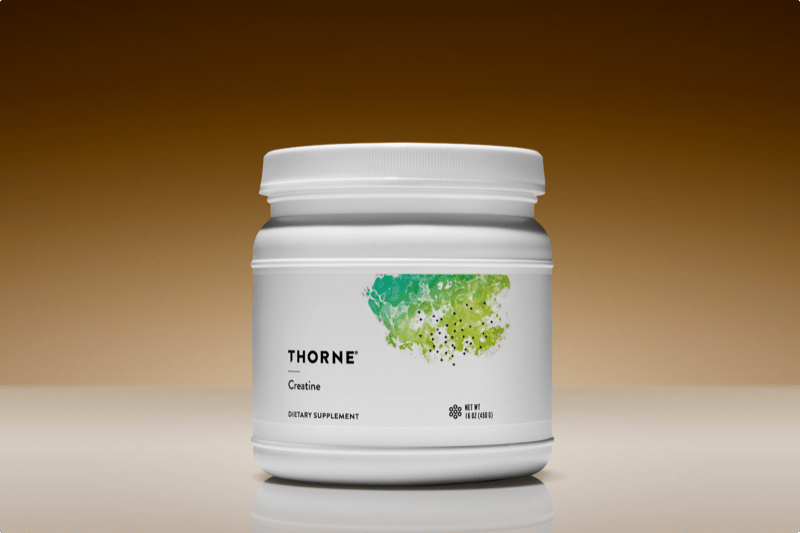
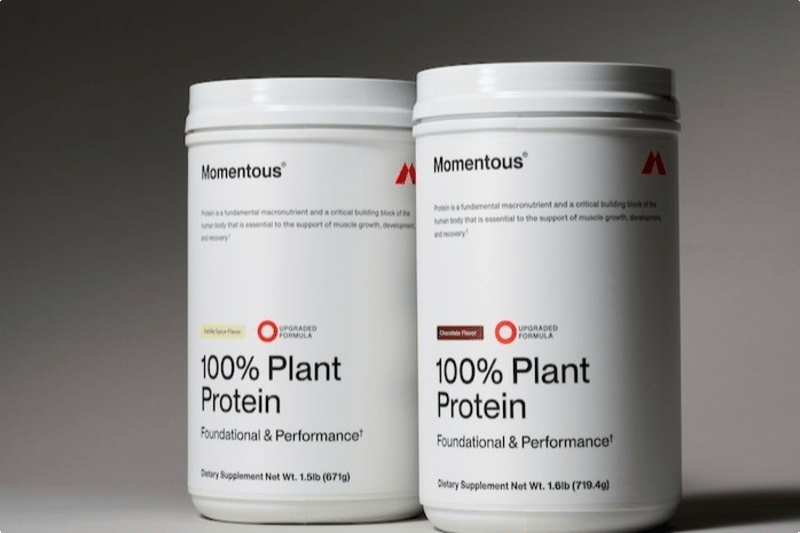
Alternatively, you may be supplementing for performance. Protein powders, creatine and electrolytes all have evidence of supporting sports and exercise performance. When you begin supplementing, you should notice gains in strength and muscle mass - and may have improved recovery rates as well. These metric stats are great for showing the benefits of supplements.
Don’t forget to check in on how you feel too. You may be seeing metric improvements, but has anything else changed? Some protein powders can have additives that impact your gut health, so tracking your improvements and health in multiple ways can keep you on top.
Timescale check
When do you expect things to improve? How long did the manufacturer say the supplement may need to be taken for? What else do you need to adjust to support the benefits?
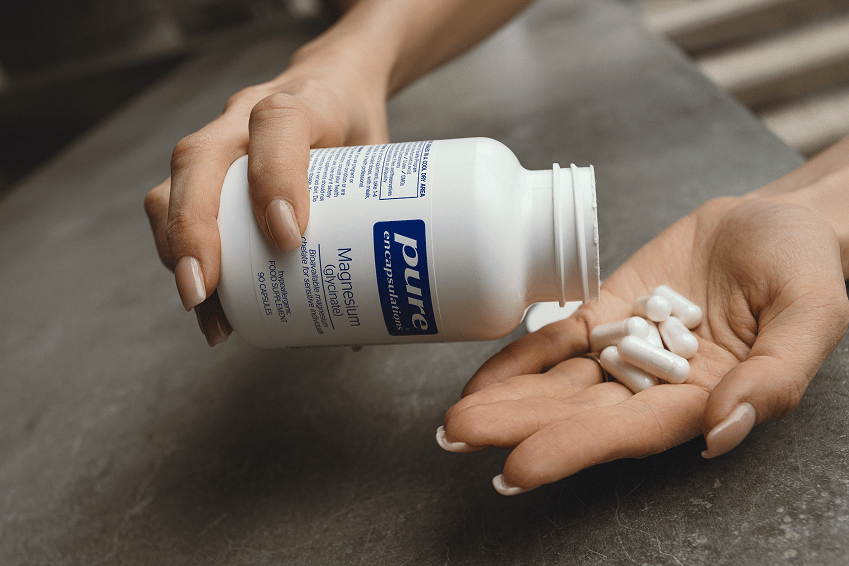
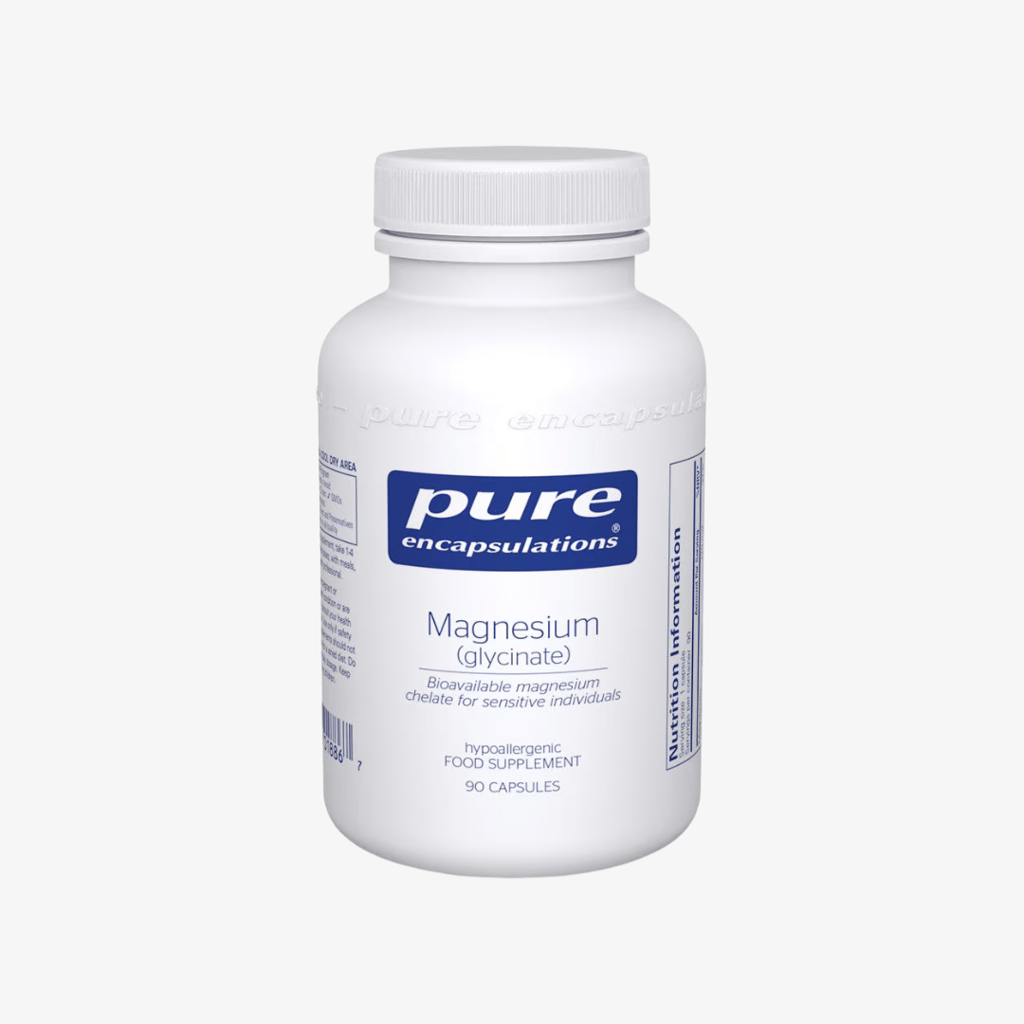
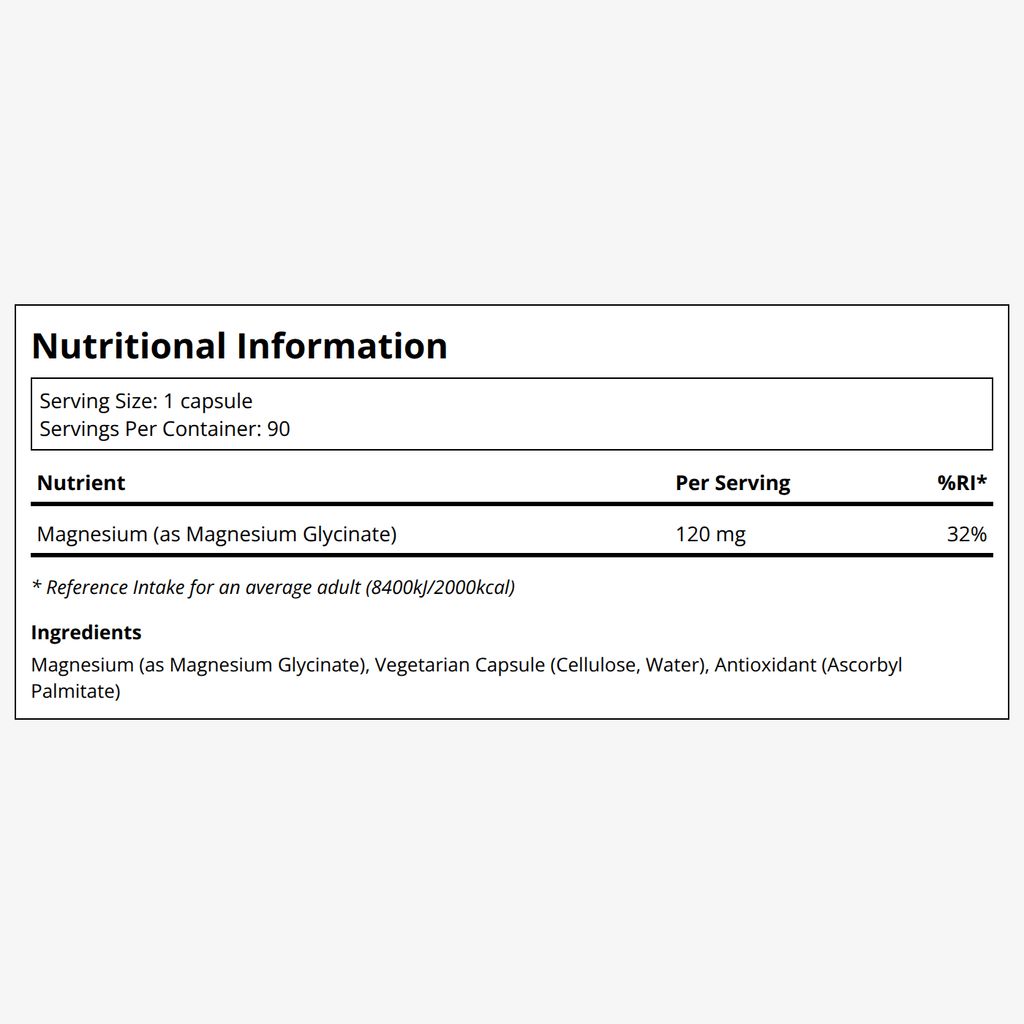
Supplements such as electrolytes for improving hydration or magnesium to help with relaxation and sleep, can work almost immediately. Other supplements, such as collagen, vitamin D, and iron, can take longer to have a positive effect, and it might take weeks or months to recognise if they are supporting your health goals or not.
Have you ever caught a cold and suddenly realised it’s been a couple of years since you had one, and yet you used to catch anything that was going around? Sometimes, we get reminded years later of just how unwell we used to feel.


Be aware of the placebo affect
It is possible to feel better because you expect to, which is why tracking symptoms and feelings can be very helpful. An initial placebo effect is unlikely to last long.
Don’t forget the holistic approach
It is important to remember that nutritional supplements are precisely that: they are supplemental to diet and lifestyle. While supplements can play a supportive role alongside dietary and lifestyle changes, they aren’t a quick fix or cure-all - and they aren’t cheap either.
If you’re taking all the ‘right’ supplements but not supporting your health goals with diet and lifestyle changes, it is still going to be an uphill battle to feel better.
It is vital to look at the root cause of your health symptoms and take a holistic approach to getting well and feeling the benefits long-term. A qualified nutritional therapist can support you with a full health review, guidance on what diet, lifestyle, and supplements you need, and tracking your improvements, too. It’s not always easy to see the wood through the trees when it comes to our own health, so get support if you need it.




This article is for informational purposes only, even if and regardless of whether it features the advice of physicians and medical practitioners. This article is not, nor is it intended to be, a substitute for professional medical advice, diagnosis, or treatment and should never be relied upon for specific medical advice. The views expressed in this article are the views of the expert and do not necessarily represent the views of Healf