























_2026-10-13_14-11-48.png)

What Should I Eat For My Genes

Written by: Pippa Thackeray
Written on: 6 May 2025
If you are feeling stuck with fatigue, restless nights or stubborn weight despite good nutrition and training consistently, nutrigenomics could be the answer. It is the study of how genes influence nutrient metabolism, stress response and brain chemistry. Results can allow smarter decisions for long-term wellbeing with personalised plans.
“It’s not about being a top biohacker. It’s about little changes to diet, lifestyle and a supplement protocol that can have a huge impact, both now and in the long term.”
Wendy Hill, NT at Hillstart Nutrition
Wendy Hill is a BANT-registered nutritional therapist and runs Hillstart Nutrition, where she helps clients rebalance hormones, regain their energy and make sustainable changes to their health.
"Nutrigenomics really transformed the way I looked at my practice," Wendy says. "It's an area especially helpful for clients who look like they've nailed their diet and supplements, but still feel off."
What is nutrigenomics?
Nutrigenomics looks at how your body responds to food and environmental factors based on your genes. Everything from how well you use B vitamins to how your liver detoxifies is shaped by your DNA. By identifying issues such as SNPs (single nucleotide polymorphisms), practitioners can offer more targeted advice.
"It's what makes you unique, and how what you eat and do has an impact specifically on you," Wendy explains. "No more following trends that you are told are foolproof but just don’t feel quite right. Testing is a way to start working with your body instead of against it."
Genetic issues commonly seen in practice
Wendy has seen many of her clients benefit from the knowledge that genetic testing can bring, with some key areas that can help explain mystery symptoms:
MTHFR and methylation
The MTHFR gene helps convert folate and B12 into usable forms. If it’s not working well, you might feel constantly tired, foggy or low. Methylated versions can often make a difference.
The Krebs cycle and energy
This is the chemical cycle your cells use to create energy. Some genetic variations can reduce how well it functions, even if your diet and fitness look near perfect. It could explain persistent low stamina or burnout that doesn’t appear to resolve.
Questioning our ‘personality traits’
Wendy says “You can work with a personality type.”
A lot of the time people assume their symptoms are their personality traits, until they realise they can be altered with a tailored plan suited to a certain genotype. Things like being an ‘overthinker’ or ‘crumbling under pressure’ may just be reflections of our biological makeup and factors including certain metabolic processes.
Understanding this can explain more scientifically what people expect of themselves and why stress hits them harder than others.
GABA: the calming neurotransmitter
Wendy often sees clients who appear to be thriving, but their genes say otherwise. "Some clients are high-functioning, stressed individuals. They seem to cope, but only when you look at the report, you see their COMT, MAO or GABA are under immense pressure."
These gene variants related to COMT, MAO and GABA, play a role in how neurotransmitters like dopamine, serotonin and GABA are broken down and recycled in the body. If they're not working efficiently, it may result in heightened stress, sensitivity, sleep issues or anxiety.
COMT and MAO are enzymes involved in degrading various neurotransmitters, while GABA itself is a neurotransmitter that regulates neuronal excitability and influences the release of other neurotransmitters.
When symptoms don’t match the lifestyle
Genetic testing can help solve the puzzle of why someone might be doing everything ‘right,’ and still not getting anywhere with their health goals or particular points of frustration:
- Constant tiredness
- Sleep disruptions
- Histamine overload
- Weight gain (around the abdomen)
- Mood swings and anxiety
- Difficulty digesting dairy
- High stress response
- Struggling to wake up early
"I've had clients with high histamine that we traced back to metabolism issues shown on their report. It’s not always about what you eat, but how your body clears it," Wendy says.
The CLOCK gene and sleep patterns
The CLOCK gene is known to affect circadian rhythm. "If someone’s naturally a night owl, and they’re forcing themselves into what doesn’t feel right for them, it’s just not going to work," Wendy says. "Once they understand their genetics favour staying up later, they can adjust their sleep routine by really working on it in the most helpful ways, instead of forcing it."
6 ways to make a big impact on your health
These tweaks can bring about real change when guided by your DNA:
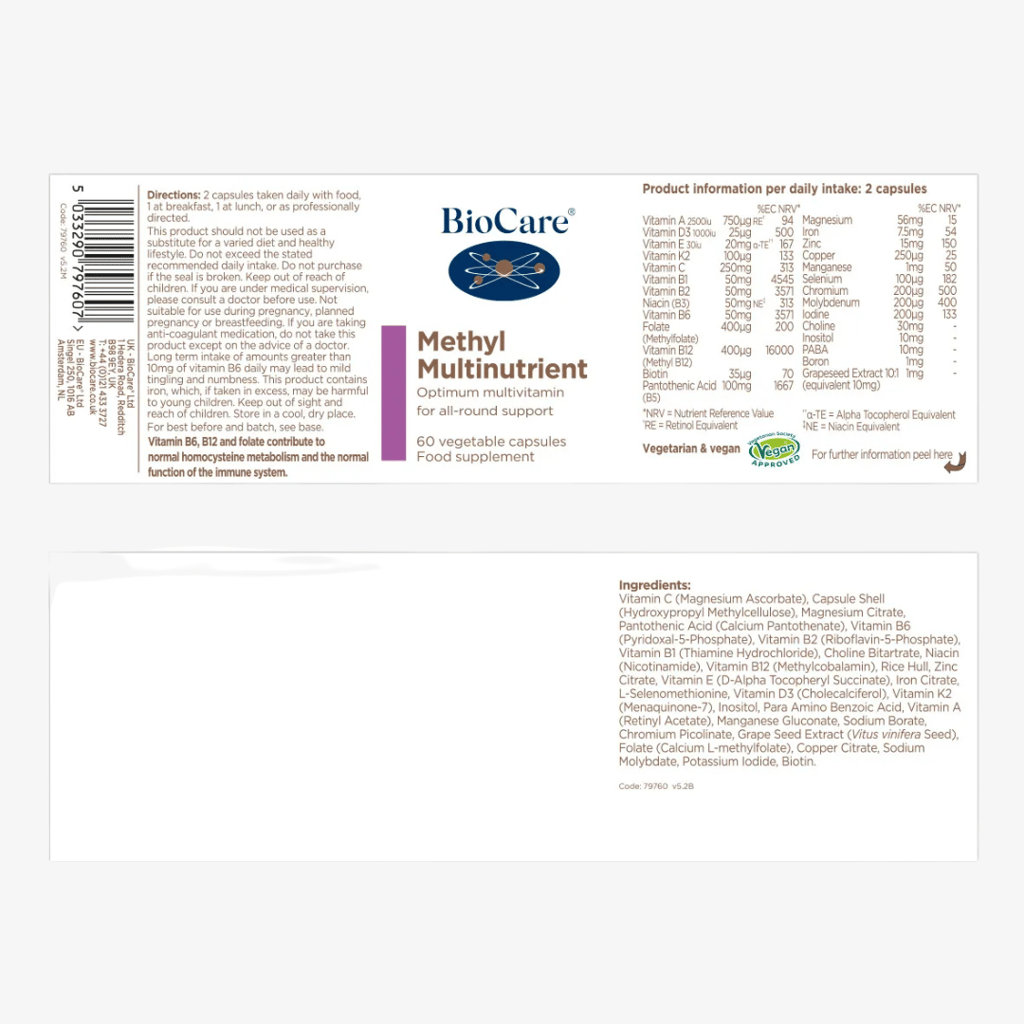
- Try methylated B vitamins: especially if your MTHFR gene affects how you process B12 and folate. Methyl Multinutrient by BioCare offers quick absorption, and a blend delivering active B vitamins for rapid energy.
- Support your gut microbiome: a full gut test reveals more than symptoms suggest. This is where Pre and Pro biotics can be useful
- Adjust your sleep window: if you have CLOCK variations, a bedtime factoring in a lengthy wind down could help bring about balance.
- Consider dietary changes: Wendy says dairy consumption may be an issue even if a person does not exhibit digestive symptoms typically associated with lactose intolerance. “If LCT says so, it might be helpful to cut dairy out for the benefit of your health overall”. Read more about going dairy-free.
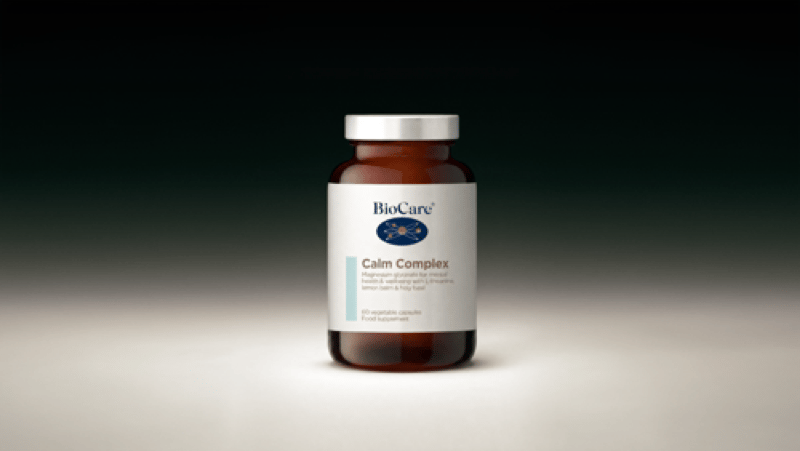
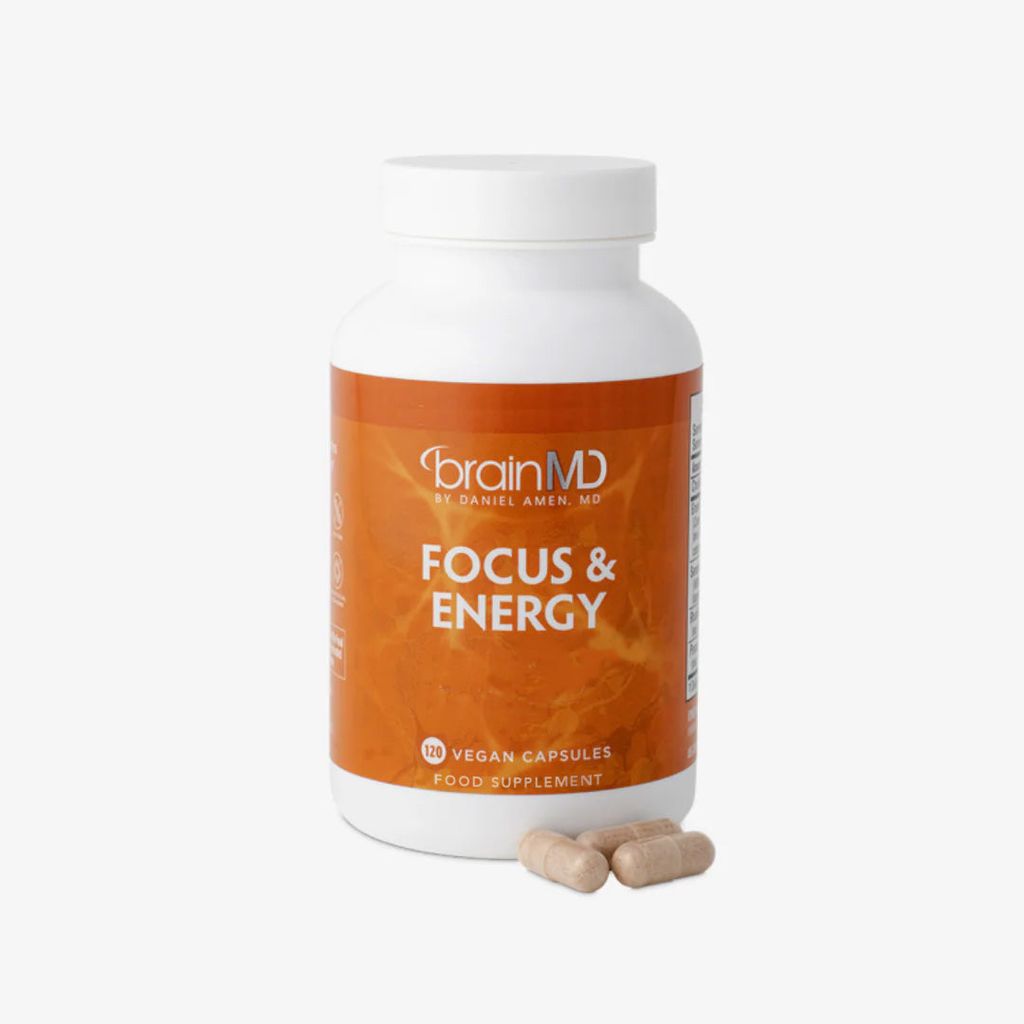
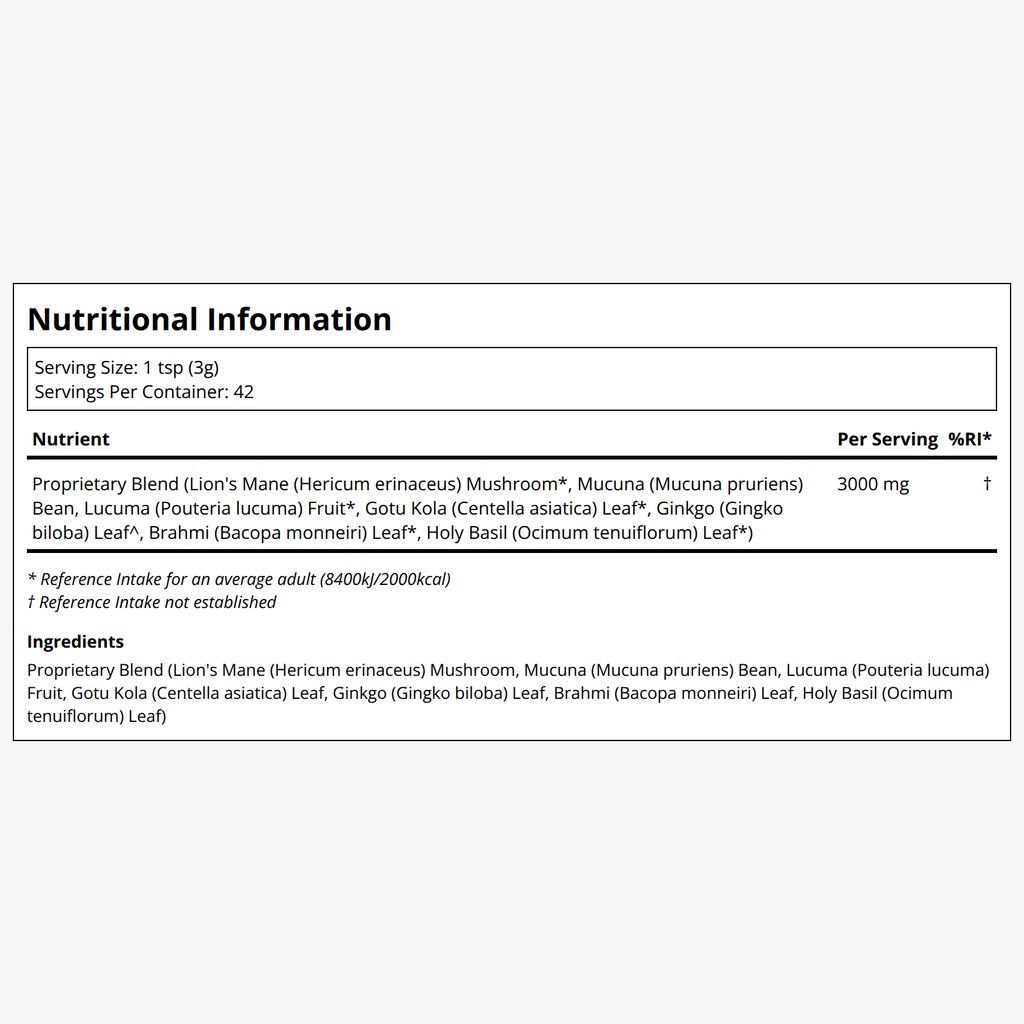
- Use targeted adaptogens: support COMT and GABA with calming botanicals recommended by your practitioner. Focus & Energy by BrainMD can support you in staying sharp and energised all day.
- Put stress management at the top of the list: general lifestyle advice is not to be undermined, but biochemistry, where genes can create differences between individuals. Learn more about adaptogens for stress.



Who benefits most from genetic testing?
"This kind of testing is for people who are ready to understand their body and are ready to make the changes," says Wendy. "It’s not for everyone. But for someone who’s hit a wall with the usual advice and wants to feel more like themselves again, it’s such a powerful tool and one I really believe in."
What you should know
- Nutrigenomics helps decode your health based on your DNA, and it explains why the right plan, daily routine, diet or workout habit doesn’t look the same for everyone.
- Understanding your genes can help you to improve many factors such as sleep, mood, energy and digestion.
- Some genes, for example, MTHFR, COMT, MAO and the CLOCK gene, may offer clear starting points for intervention, helping you to make supplement and lifestyle choices with true impact.
- Small changes informed by your DNA can lead to lasting results based on your personal makeup.


References:
https://www.sciencedirect.com/science/article/pii/S0925443997000355
https://onlinelibrary.wiley.com/doi/10.1111/j.1471-4159.1983.tb12674.x
This article is for informational purposes only, even if and regardless of whether it features the advice of physicians and medical practitioners. This article is not, nor is it intended to be, a substitute for professional medical advice, diagnosis, or treatment and should never be relied upon for specific medical advice. The views expressed in this article are the views of the expert and do not necessarily represent the views of Healf
Pippa is a content writer and qualified Nutritional Therapist (DipNT) creating research-based content with a passion for many areas of wellbeing, including hormonal health, mental health and digestive health.
As a contributor to The Healf Source, she regularly attends seminars and programmes on a plethora of contemporary health issues and modern research insights with a drive to never stop learning. In addition, interviewing experts and specialists across The Four Pillars: EAT, MOVE, MIND, SLEEP.
In her spare time, she is an avid swimmer, mindfulness and yoga lover, occasionally bringing a raw, honest approach to the topics she faces. You may also discover some personal accounts of eye-opening wellbeing experiences amidst the reality of a disorientating, and often conflicting, modern wellbeing space.