



































_Madeline_Spanier_Photos_ID7424.jpg)

What Time Should You Wake Up?

Written by: Pippa Thackeray
Written on: 1 March 2025
Waking up isn’t just about setting an alarm. In this article, we discuss the importance of discovering your unique waking time. Get it right, and you’ll feel sharper, healthier, and more energised.
Key questions
Is it possible to wake up ‘wrong’?: Morning lapses in concentration and energy might not simply be down to sleep quantity.
Are early alarms the answer?: There are nuanced responses to natural sleep and wake cycles. Learn how to listen to your body.
The science of waking up ‘right’
We all have days when it feels like we ‘got out the wrong side of the bed.’ For some, this is a more frequent reality. But, contrary to popular opinion, it could be down to more than just sleep quantity or even quality.
Increasingly, the evidence seems to be pointing towards sleep timings and our individual preferences relating to our unique biology. Additional factors like individual chronotypes, stress levels, and work patterns play significant roles in whether or not we feel ‘well rested’.
What’s a chronotype?
Your chronotype can be described as your body’s innate preference for sleeping and waking. Chronotypes are believed to be influenced by genetic factors.
Morning types “Larks”: Naturally wake up early and feel most alert in the morning.
Evening types “Owls”: Prefer staying up late and waking later in the day.
Intermediate types “Hummingbirds”: Fall somewhere between larks and owls, seemingly without a strong preference.
Extreme chronotypes: Fall on the far ends of the spectrum.
Can a person’s chronotype be changed?
There is some debate over whether a chronotype can be changed over time or augmented due to lifestyle. A study titled "Circadian Rhythms and Mood Disorders: Time to See the Light," published in 2023 found that individuals with an evening chronotype had a significantly higher risk of developing depression, even after adjusting for factors like sociodemographics and general sleep quality.
Meanwhile, other studies speculate on external variables, such as work schedules, and question the cause-and-effect relationship. One study in particular found that those with late chronotypes were more prone to workplace stress. From this, it could be deduced that the nature of our schedules and our mindsets could present a cyclical trap of ineffectual rest.
The ideal sleep schedule — what is really holding you back?
Disruptions to the sleep-wake cycle include artificial light, irregular schedules, and inconsistent wake-up times, all contributing to mood instability throughout the day.
Other factors to consider:
- Sleep need: Most adults need seven to nine hours of sleep, but needs vary due to genetics, lifestyle, and circadian rhythms.
- Sleep inertia: Waking up during deep sleep is known to cause excessive sleepiness on waking, lasting from a few minutes to hours. Sleeping in due to sleep inertia can push back your sleeping time, leading to later nights. The cycle can be hard to break.
- Social jetlag: This term can be described as the impact of misalignment between social schedules (e.g., work, school) and biological chronotypes, leading to ‘jetlag-like’ symptoms.
- Melatonin window: Identifying your ideal sleep onset period can improve sleep quality and reduce night-time restlessness, whilst defying it may have serious consequences for your health.
- The role of cortisol: Waking up at the right time coincides with the body's natural cortisol surge, boosting alertness. As such, misaligned wake-up times may disrupt this.
- Caffeine timing: Drinking coffee too early (before cortisol levels drop naturally) or too late (interfering with adenosine build-up) can affect sleep-wake cycles.
- Chronotype changes across life stages: Younger adults differ to older adults who tend to wake up earlier. Factors such as circadian rhythm changes due to natural ageing or hormonal issues during menopause can affect this.
- When your brain is most active: Some studies have shown that some people appear to have long-term tendencies toward late-night episodes of creativity.
Does creativity affect your preference for sleep time?
Previous studies have shown an association between morning and evening types and creative thinking.
Musicians are seen as creative individuals and a study set out to examine whether a select group of musicians were significantly more evening types than non-musicians. The results indicate that the musicians studied had a tendency towards eveningness, particularly those who composed music. The authors concluded that, in light of this evidence, there should be further discussion around chronobiology, sleep-times and creativity.
Explaining the “night owl struggle”
Night owls experience stronger sleep inertia with early wake-ups. Late chronotypes tend to have a delayed circadian rhythm and often enter deep sleep later than early risers. If they are forced to wake early, they may be more likely to wake from deep sleep, leading to prolonged grogginess and poor morning performance.
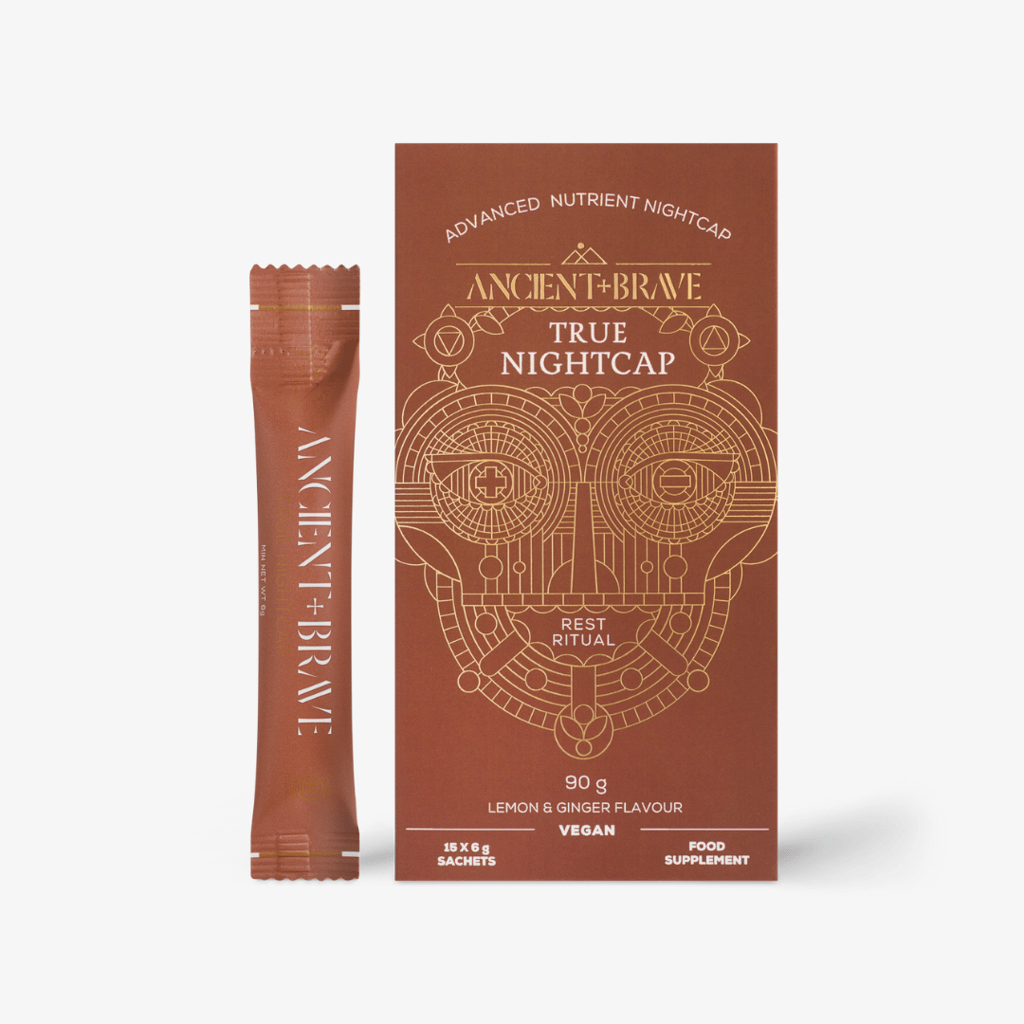
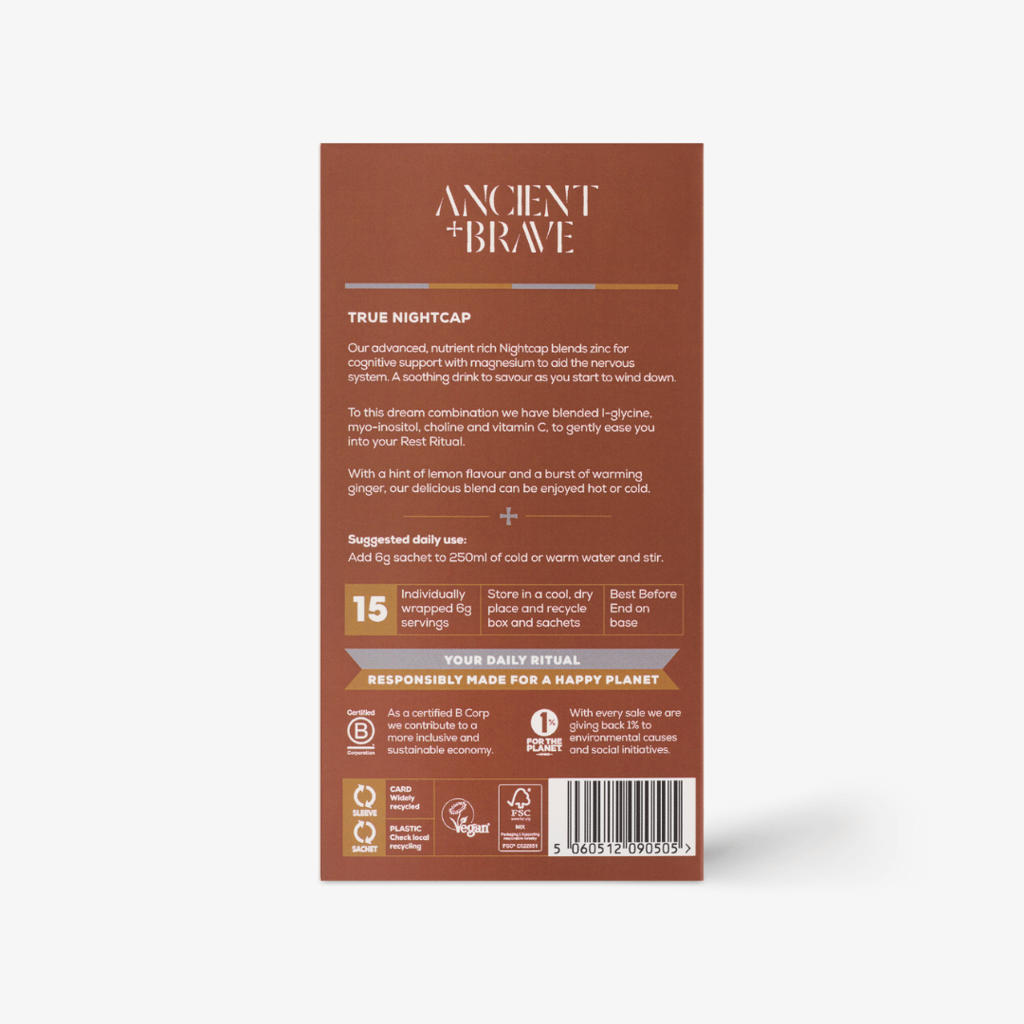
Shop SLEEP



The issue of sleep debt — why weekend rest isn’t always enough
A study found sleep debt and sleep restriction during weekdays to be a widespread issue, affecting around one third of adult participants. The researchers discovered that napping and “weekend catch-up sleep” was ineffective in most cases and only compensated for severe sleep debt in one in four subjects. Therefore, a case could be made for maintaining a regular sleep schedule across weekdays and weekends to avoid accruing sleep debt.
Is earlier always better?
Early rising is often promoted as the best route to optimal wellbeing and productivity. If you are not an early riser, there may be a vast variety of social media accounts out there making you feel like a ‘failure’ because you don’t conform to the archetype that is getting up at 5 AM for a run and going to bed at 9 PM.
But science says there is a reason that some people tend towards these habits more so than others. While early birds statistically are generally more physically active, productive in work hours and experience better mental health — this could all be attributed to lifestyle factors rather than the wake-up time itself.
The real issue, perhaps, is ensuring you’re getting enough sleep and waking at a time that suits your natural rhythm, and in turn, empowering your wellbeing routine with sufficient rest.
8 ways to wake up better
- Wake up at the same time every day: Consistency keeps your circadian rhythm in sync and prevents grogginess.
- Adjust caffeine timings: Reduce caffeine intake, allowing enough time for the caffeine to leave your body before sleep.
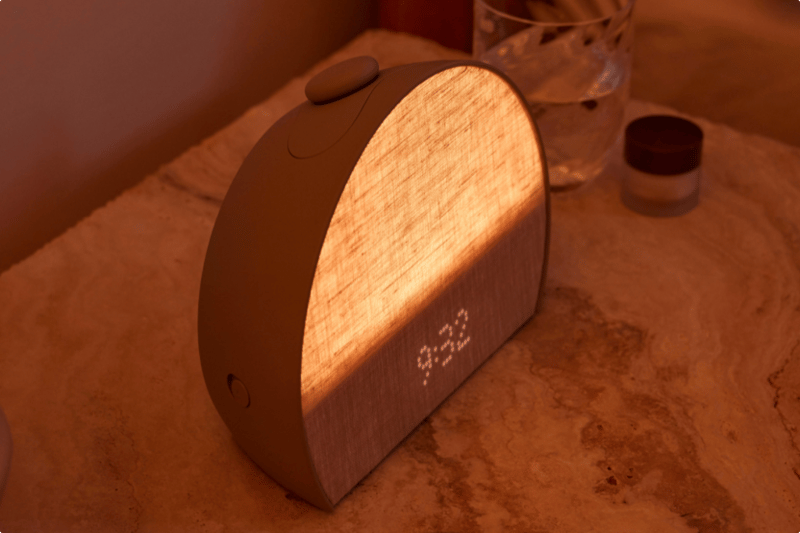
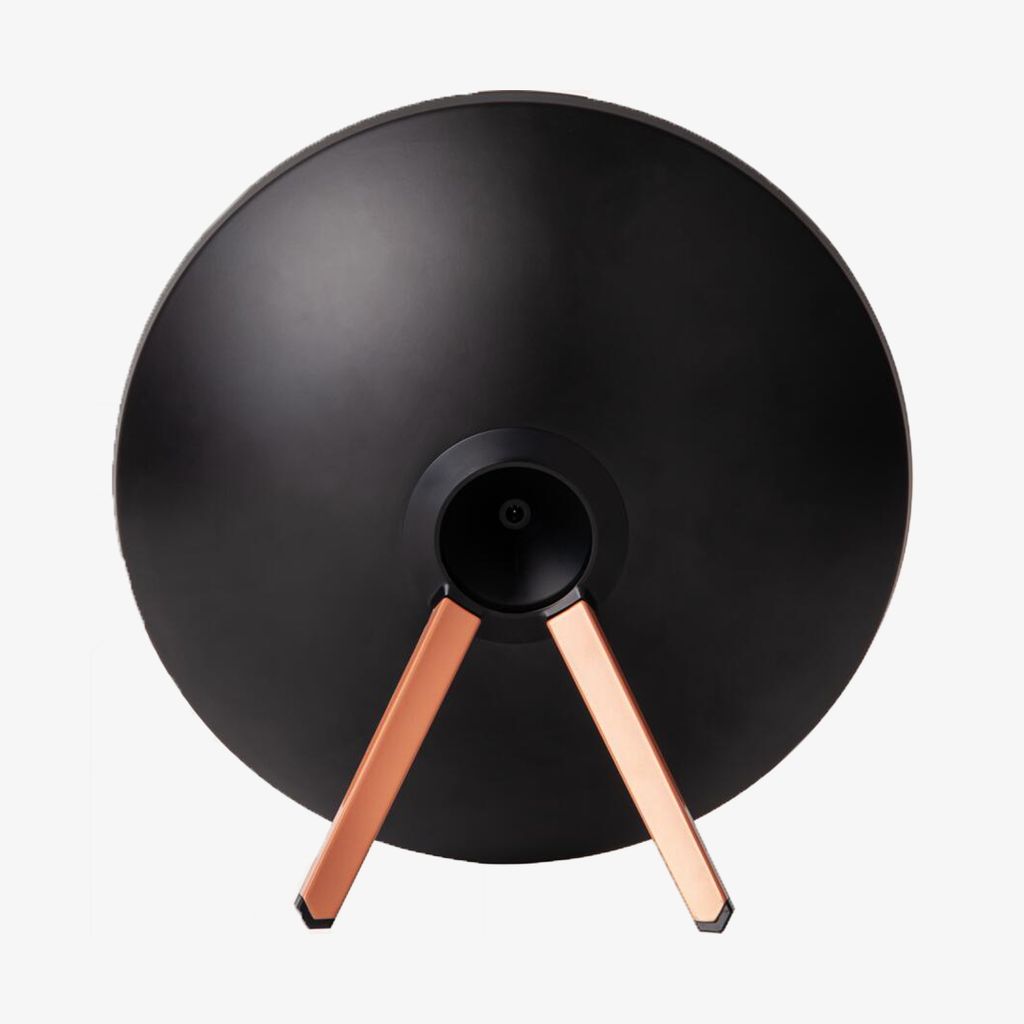
- Use natural light: Exposure to morning sunlight helps regulate melatonin and keeps your body clock on track. When natural light is not available, lamps such as Lumie Halo, with different light settings for the time of day, can have similar effects on sleep.
- Avoid snoozing: Hitting snooze can make you feel more tired by disrupting sleep cycles. Planning ahead can help reduce this issue.
- Try a sleep calculator: Tools like the WHOOP 4.0 track sleep cycles and help optimise wake-up timing through the "Sleep Planner" feature.
- Keep your bedroom dark at night: Blackout curtains or masks including the Ostrichpillow Eye Mask and Slip Silk Sleep Mask comfortably block out light for better rest.
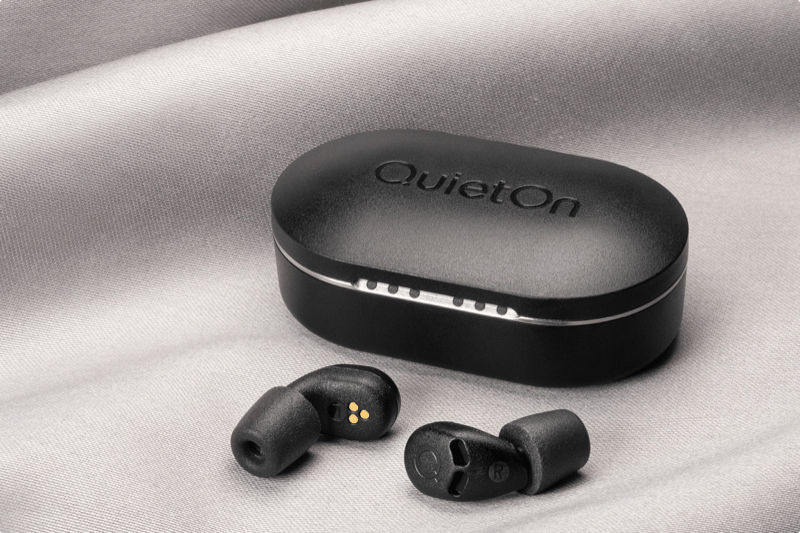
- Reduce noise disturbances: Earplugs or a white noise machine can block disruptive sounds.
- Stay active during the day: Exercise helps regulate sleep-wake cycles and promotes deeper sleep by modulating sleep latency (the time it takes to fall asleep).
The takeaways
There is no universal best wake-up time
It’s about consistency, sleep quality, and your natural rhythm.
Circadian rhythm matters
Aligning with your body’s clock improves energy and focus.
Early rising isn’t always better
Productivity depends more on sleep quality than alarm time.
Wake cycles affect grogginess
Waking at the right sleep stage prevents sluggish mornings.
What to remember
The best wake-up time must be sustainable for you, one that you can stick to consistently without feeling burnt out in the long run. Rather than aiming for a set time, find a wake-up schedule that ensures you get enough sleep, aligns with your natural rhythm, and fits your lifestyle.
Shop SLEEP at Healf and unlock better rest with expert-approved essentials.




This article is for informational purposes only, even if and regardless of whether it features the advice of physicians and medical practitioners. This article is not, nor is it intended to be, a substitute for professional medical advice, diagnosis, or treatment and should never be relied upon for specific medical advice. The views expressed in this article are the views of the expert and do not necessarily represent the views of Healf
Pippa is a content writer and qualified Nutritional Therapist (DipNT) creating research-based content with a passion for many areas of wellbeing, including hormonal health, mental health and digestive health.
As a contributor to The Healf Source, she regularly attends seminars and programmes on a plethora of contemporary health issues and modern research insights with a drive to never stop learning. In addition, interviewing experts and specialists across The Four Pillars: EAT, MOVE, MIND, SLEEP.
In her spare time, she is an avid swimmer, mindfulness and yoga lover, occasionally bringing a raw, honest approach to the topics she faces. You may also discover some personal accounts of eye-opening wellbeing experiences amidst the reality of a disorientating, and often conflicting, modern wellbeing space.