




























Feeling wired, tired, and ready to snap? You might have cortisol to thank for that. We're breaking down the top supplements to reduce chill out.

Written by: Dahlia Rimmon
Written on: February 13, 2026
Medically Reviewed by: Jared Meacham, PhD, RD, CSCS and Patricia Weiser, PharmD
We’ve all felt it — that rush of tension before a big deadline, the jolt of anxiety in a traffic jam, or your heart pounding when your toddler cries out in the middle of the night. That’s cortisol in action, the hormone that’s released in moments of stress, anxiety, or fear.
But cortisol is more than a simple stress signal. This powerful steroid hormone also supports energy metabolism, immune function, mood, and healthy sleep patterns. The trouble starts when cortisol levels stay elevated for too long.
In this article, we’ll explore the science behind cortisol, how it functions in your body, and which supplements can help reduce this hormone's levels in your body so you can stay grounded even when life gets hectic.
Cortisol does more than just fuel those fight-or-flight freak-out moments. It plays an essential role in keeping your body balanced and resilient to change. Below are cortisol's primary functions in the body.
When you face internal or external stressors — like illness, a traumatic event, or emotional strain — your brain signals the pituitary gland to tell your adrenal glands (located on top of each kidney) to release cortisol into the bloodstream.
Normal cortisol levels in the body follow your circadian rhythm, peaking in the morning and gradually declining throughout the day. But when we face a stressful situation, additional cortisol is released in response to that perceived threat. This keeps us alert and energised, an ancient adaptation that has helped humans survive.
When we’re chronically stressed or anxious, our cortisol pattern is disrupted and acts more like a roller coaster, which can ultimately affect our sleep, mood, digestion, weight management, and overall wellbeing.
When stress triggers the release of cortisol, the body adapts by increasing glucose production in the liver. At the same time, cortisol reduces glucose uptake by fat and muscle cells and decreases insulin secretion. These changes ensure that your body has enough energy (from glucose) to respond to stress.
But if cortisol levels remain high for too long, it can disrupt normal glucose metabolism and result in hyperglycemia (high blood sugar). Over time, this can lead to insulin resistance, when cells become less responsive to insulin and prompt your body to produce more to compensate, which increases your risk of gaining weight and developing type 2 diabetes.
Additionally, persistently high blood sugar combined with poor insulin function leaves your cells starved for energy. In response, your body sends hunger signals to the brain, which can lead to overeating. Plus, any excess glucose that isn’t used for energy ends up being stored in the body as fat.
Cortisol has anti-inflammatory properties and can help regulate the body’s immune response. “Cortisol is one of the major stress hormones involved in the fight or flight response and plays several key roles in human survival,” says Danny Ly, Dip.N.T., CFMP, Functional Medicine Nutritionist.
In situations of acute stress (like when you’re mildly injured), cortisol helps reduce inflammation to minimise the risk of infection. It also raises blood glucose levels to provide energy for high-intensity activities, whether you're escaping a threat or pushing through a tough workout.
Beyond its anti-inflammatory role, cortisol also initiates the body’s healing process by triggering the release of inflammatory cytokines at the site of injury. In a healthy system, cortisol levels rise in response to stress or injury and return to normal once the issue is resolved. “However with the rise of chronic health conditions we are seeing that there is a double-edged sword with cortisol,” says Ly. “Whilst initially acting as an anti-inflammatory, prolonged elevations of cortisol can induce what’s known as ‘glucocorticoid resistance’ and the body becomes less sensitive to the anti-inflammatory effects of cortisol and therefore inflammation is not dampened and continues to rise.”
Chronic stress and consistently elevated cortisol can also suppress immune function. Over time, this impairs the activity of white blood cells and reduces antibody production, weakening the body’s ability to fight off infections and increasing susceptibility to illness.
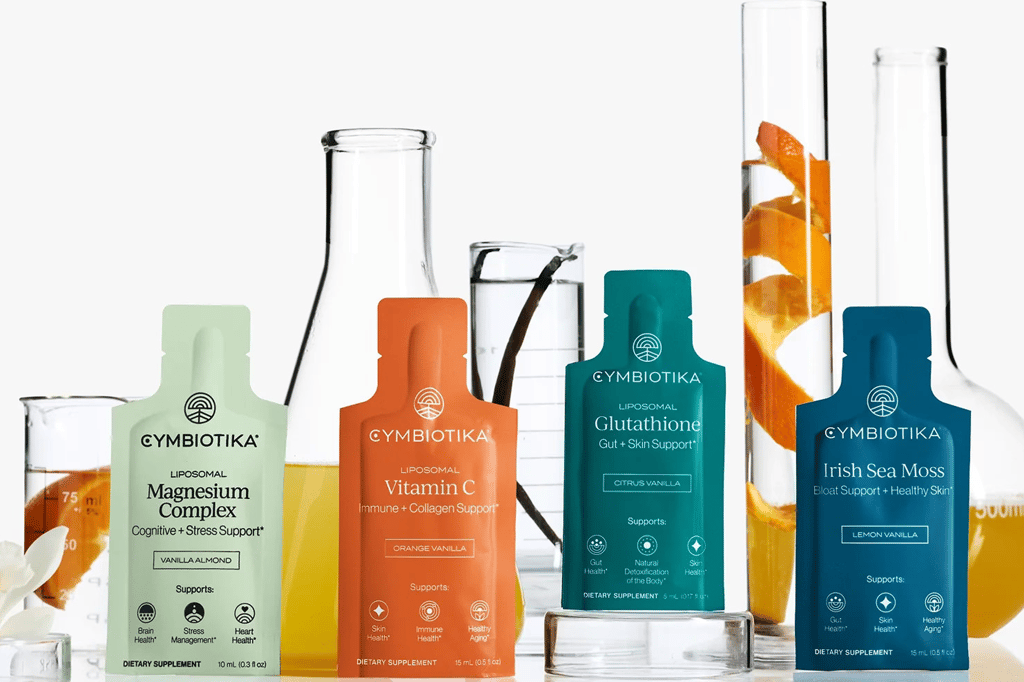
Curious to know which supplements lower cortisol when you’re overwhelmed by stress? You’re not alone. Fortunately, certain supplements can help naturally support your body’s stress response. Many of them are considered adaptogens, which are natural, herbal compounds that can help the body adapt to stressors and reduce cortisol. Let’s take a closer look at some of these potentially helpful supplements for high cortisol.
Ashwagandha is a medicinal herb and adaptogen that has been used for thousands of years in Ayurvedic medicine and is now gaining popularity in Western health circles. Adaptogens help the body adapt and better respond to stress.
“The exact mechanism behind this is still unclear but some suggested possibilities include Withania somnifera (the bioactive ingredient in ashwagandha) interacting with glucocorticoid receptors in the brain,” explains Ly. It does so by supporting deeper, more restorative slow-wave sleep over REM sleep and may influence levels of GABA, a neurotransmitter that promotes calm and relaxation.
A 2021 systematic review found that ashwagandha supplementation significantly reduced stress, anxiety, and serum cortisol levels compared to a placebo. A 2024 systematic review supports these findings, showing that ashwagandha can lower cortisol in individuals with high stress levels. However, because many of the included studies were small or of low quality, more high-quality research is needed to confirm these effects.
L-theanine is an amino acid primarily found in tea leaves known for its stress-reducing effects. Once absorbed, it crosses the blood-brain barrier to regulate certain neurotransmitters, including the chemical messengers in your brain that are involved in relaxation.
“It also works primarily by increasing alpha brain wave activity, which promotes a state of calm,” says Megan Hallett mBANT, rCNHC, Nutritional Therapist. “This calming effect indirectly dampens the activation of the hypothalamic-pituitary-adrenal (HPA) axis, and the HPA axis signals your adrenal glands to release cortisol.”
Additionally, L-theanine is structurally similar to glutamate (the brain’s main excitatory neurotransmitter) and can block glutamate from binding to its receptors and prevent it from overstimulating the brain, promoting a more relaxed state. It also increases levels of GABA, dopamine, and serotonin, neurotransmitters that support mood, sleep, and focus.
While L-theanine mostly works by affecting neurotransmitters, its impact on cortisol is still being studied. One study found that L-theanine lowered salivary cortisol in healthy adults under moderate stress. But a more recent 2024 study showed that while L-theanine reduced perceived stress, it didn’t significantly affect cortisol levels compared to a placebo.
Ultimately, more research is needed to determine whether L-theanine has a direct impact on cortisol levels. As Hallett notes, these effects are mild and are most effective when used in combination with other stress-reduction strategies.
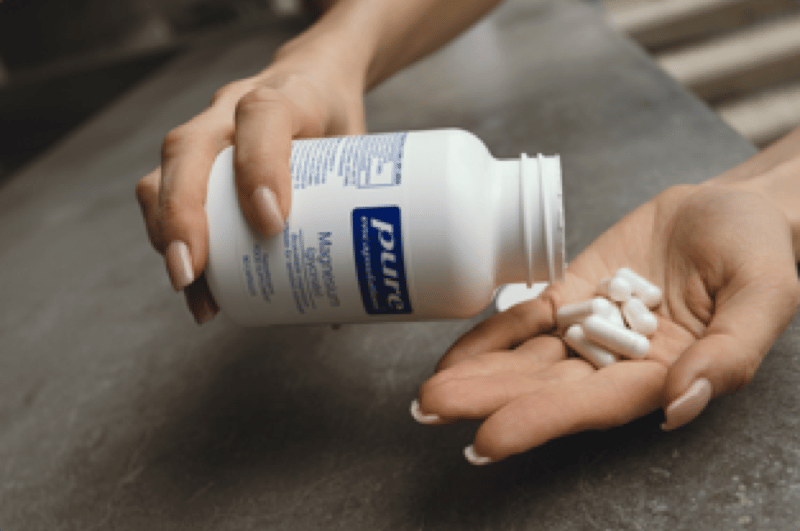
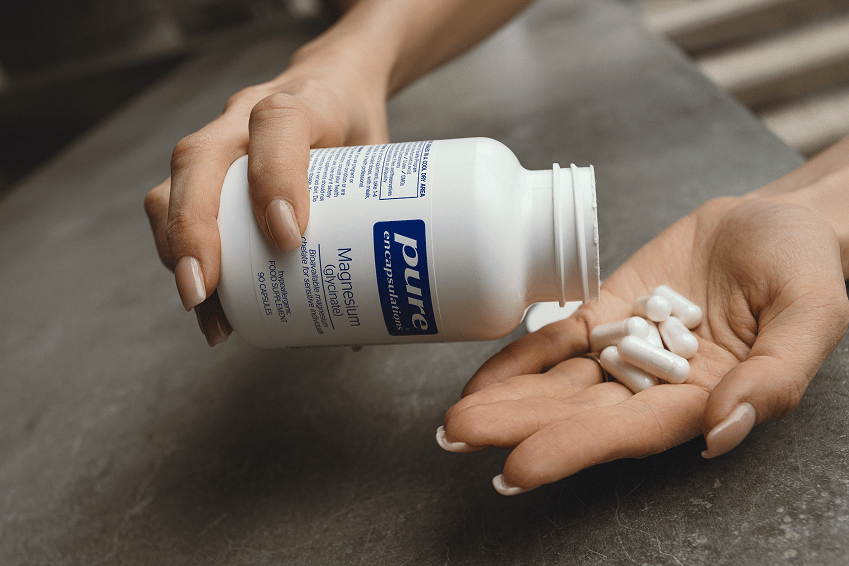
Magnesium helps regulate the stress response through its inhibitory effect on glutamate activity (an excitatory neurotransmitter) in the brain, and helps balance how the brain responds to stress. Research indicates that individuals experiencing high psychological stress often exhibit low magnesium levels, which suggests a bidirectional relationship.
“Stress could deplete magnesium stores and low magnesium could also increase one’s susceptibility to stress, creating a bit of a vicious loop,” says Ly. While this connection is promising, further research is needed to fully understand the mechanisms involved and to determine the effectiveness of magnesium supplementation for stress-related symptoms.
These edible mushrooms have long been used in Traditional Chinese Medicine and act as an adaptogen in the body to help manage stress and anxiety. Some preliminary animal studies show it can increase serotonin and dopamine, providing an antidepressant effect. It may also support brain function by boosting nerve growth factor (NGF), an important neurotrophic protein.
Rhodiola rosea is a flowering perennial plant and well-known adaptogenic herb, which helps the body adapt to stress. According to Hallett, rhodiola regulates cortisol by modulating the HPA axis, essentially tempering how strongly the body reacts to stress. “Rhodiola doesn’t just “suppress” cortisol — its adaptogenic nature means it helps the body normalise cortisol levels, whether they’re too high or too low,” says Hallett.
In a study involving participants with stress-related fatigue, those who took rhodiola rosea showed a healthier cortisol awakening response, indicating their bodies produced a more appropriate level of cortisol after waking up, which is a sign of better stress resilience.
Another study found that supplementing with rhodiola rosea for 28 days produced significant beneficial effects in patients experiencing burnout and stress-related fatigue compared to the control group.
Omega-3 fatty acids are polyunsaturated fats that have several health benefits. The three main types of omega-3 fatty acids include docosahexaenoic acid (DHA), eicosapentaenoic acid (EPA), and alpha-linolenic acid (ALA). One key benefit of omega-3s is their ability to help reduce cortisol, but they do this through a different mechanism than adaptogens.
“High cortisol is associated with inflammation and excessive sympathetic nervous system activity,” explains Hallett. “Omega-3s help reduce systemic inflammation and can lower the production of pro-inflammatory cytokines, which can otherwise keep cortisol levels elevated.”
Research shows that low levels of omega-3s, especially DHA, have been linked to greater dysregulation in the body’s three main biological stress systems, suggesting that omega-3s may influence how these systems interact. Because of this, omega-3 supplementation may help lower biological stress and could be useful in managing stress-related disorders.
In fact, one study found that taking 2.5 grams per day of omega-3s significantly reduced cortisol release during a stressful event, compared to a placebo group, which indicates that omega-3s may blunt stress responses. However, Hallet emphasises that taking omega-3s is not a quick fix for cortisol but rather an important part of building a strong foundation of stress resilience.
Can supplements really lower cortisol? Yes, and timing is key. By strategically scheduling your intake, you can maximize their impact on stress.
Ashwagandha: Take supplements with ashwagandha at night because it can cause drowsiness.
L-theanine: Hallett suggests taking L-theanine whenever you need a sense of calm focus, whether it's in the morning, midday, or evening. Many people find it especially helpful before stressful situations or in the evening to relax and unwind.
Magnesium: You can take magnesium at any time of day. Because it helps reduce anxiety and supports better sleep quality, many prefer to take it in the evening to wind down, though morning doses work well too.
Rhodiola rosea: Hallet recommends taking it in the morning or early afternoon since taking it late in the day may be too stimulating.
Omega-3s: Since omega-3 fatty acids absorb best when taken with dietary fat, pair them with a meal containing healthy fats. The timing (morning or evening) does not significantly impact their effect on cortisol.
Supplements to lower cortisol aren't a magic solution — they need to be combined with healthy lifestyle changes to truly be beneficial. Start by evaluating your daily routines. What does your diet look like? Are you eating balanced meals with enough protein, healthy fats, and fibre? Are you getting enough sleep or relying on shots of espresso to get through the day?
Chronic stress and elevated cortisol levels are often rooted in lifestyle factors and incorporating daily stress-management techniques can make a difference. Here are some stress-reducing habits to consider:
Prioritising sleep: Poor sleep does more than leave you feeling zoned out and tired. It can significantly impact your mood, increase irritability, and contribute to stress. Aim for 7 to 9 hours of quality sleep each night. To support this, prioritise healthy sleep hygiene practices, such as keeping a consistent sleep schedule (even on weekends), avoiding screens at least one hour before bedtime, and creating a relaxing bedtime routine, like reading, gentle stretching, or deep breathing exercises.
Regular exercise: Moving your body can help reduce stress and support healthy cortisol levels. According to the NHS, adults should aim for at least 150 minutes of moderate-intensity activity (like brisk walking, cycling, or dancing) per week, or 75 minutes of vigorous-intensity activity (such as running, swimming lengths, or HIIT workouts). This can be broken down into manageable chunks.
Gentle movement: In addition to regular physical activity, incorporating gentle, stress-relieving movement into your daily routine can help calm the nervous system. Gentle movement like yoga and stretching can help shift the body from a fight-or-flight state into a more relaxed one.
Dietary changes: What you eat can either support or sabotage your body’s ability to manage stress. To help regulate cortisol levels, focus on a nutrient-dense, whole-foods-based diet that keeps blood sugar stable and reduces inflammation. Avoid ultra-processed foods, sugar-sweetened beverages, and too much caffeine which won’t do you any favours.
While many supplements that support cortisol balance are generally safe for most people, it’s important to understand that they may come with potential side effects. Plus, certain nutrients and herbs may interact with medications. Here’s a breakdown of potential concerns in the following supplements:
Ashwagandha is generally well tolerated for up to three months, though its long-term safety hasn’t been established. Common side effects are mild and include loose stools, nausea, and drowsiness. Rare cases have reported effects on liver and thyroid function, as well as interactions with certain medications. If you have liver or thyroid conditions, or regularly take medications, it's best to consult your GP before using ashwagandha. It’s also not recommended during pregnancy, breastfeeding, or for men with hormone-sensitive prostate cancer.
L-theanine supplements are generally considered safe for most people. However, if you’re taking sleep aids or other medications with sedative effects, consult your GP first, as L-theanine may increase drowsiness. Pregnant or breastfeeding women should avoid L-theanine supplements due to insufficient research on its safety during this sensitive time.
Excess magnesium can lead to digestive issues like abdominal cramping and diarrhoea. If you’re taking a magnesium supplement, check the dosage and consider whether you’re also getting magnesium from a multivitamin or other supplements. Some medications can affect magnesium or interact with supplements, so check with a healthcare professional first.
The mushrooms are safe to consume, but can cause diarrhoea, skin rashes, and mild stomach pain in some people, and especially in those with existing mushroom allergies.If you take blood thinners, it's important to note that it could interact with that medication.
Side effects of rhodiola rosea may include dizziness, headache, insomnia, and either dry mouth or excessive saliva production. It can also interact with blood pressure medications so if you have hypertension or are taking any medications for blood pressure, consult your GP before using this supplement. Additionally, there is limited research on the safety of Rhodiola during pregnancy or while breastfeeding, so it’s best to avoid use during these stages.
Omega-3 supplements can cause mild side effects like fishy taste, bad breath, heartburn, nausea, diarrhoea, headache, or body odour.
The U.S. Food and Drug Administration (FDA) set an upper limit of 3 grams per day of combined EPA and DHA, with no more than 2 grams coming from supplements because excessive intake may increase the risk of bleeding and immune suppression. Since ocean pollution can lead to contamination in fish, consuming seafood may expose you to harmful substances like mercury, polychlorinated biphenyls (PCBs), heavy metals, and other toxins that can build up in the body. During pregnancy, avoid omega-3 supplements made from fish liver oils (like cod liver oil), as they contain high levels of vitamin A, which can be harmful to the developing foetus. Omega-3 supplements can interact with certain medications, like blood thinners, and may increase the risk of bleeding.
It's important to consult your doctor before starting a new supplement, especially if you regularly take medication, if you’re pregnant or breastfeeding, and if you’re addressing specific concerns like stress, mental health, sleep, or if you have a diagnosed medical condition
At Healf Zone, members gain exclusive access to clinical-grade at-home blood testing. We help you translate your body’s data into a personalised health plan — all guided by expert insights tailored to your unique needs. Our consultations remove the guesswork by identifying what truly works for your wellbeing. We guide you toward the right products, habits, and rituals that best support your body, and can help you choose the best cortisol supplements for your needs.
If you’re constantly feeling anxious and overwhelmed, have unexplained weight gain, or are struggling to get adequate rest, high cortisol could be to blame. Research shows that ashwagandha, L-theanine, magnesium, lion's mane, rhodiola rosea, and omega-3 fatty acids can support the body’s stress response and help bring cortisol into balance.
Supplements with these herbs and nutrients work best when paired with healthy habits like quality sleep, balanced nutrition, and regular movement. For safe and effective support, Healf Zone offers testing and personalised guidance to help you choose the right cortisol-lowering supplements for your wellbeing.
Cortisol is a steroid hormone that plays a vital role in maintaining your body’s resilience to stress. It regulates the stress response, supports energy metabolism, and helps manage the immune system — functions that are all essential for adapting to changing conditions and ensuring survival.
Supplements with ashwagandha, L-theanine, magnesium, rhodiola rosea, and omega-3 fatty acids may help lower cortisol levels and support your body’s stress response.
Common signs of high cortisol include weight gain, poor sleep, anxiety, elevated blood pressure, and weakened immunity. To effectively manage cortisol, it’s important to combine supplements with healthy lifestyle changes.
Prioritise healthy sleep routines, balanced dietary changes, and regular exercise to improve stress and overall wellbeing.
While there isn’t a single supplement proven to reduce cortisol more than all others, several have shown promising results in lowering stress levels and supporting a healthy cortisol response, including ashwagandha, L-theanine, magnesium, rhodiola rosea, and omega-3 fatty acids.
Lowering cortisol quickly depends on the individual and their specific situation — cortisol-lowering supplements alone won’t provide immediate results. “Supplements like L-theanine, chamomile, ashwagandha and tulsi can help you feel calmer quickly, but their effect is gentle compared to lifestyle shifts,” says Hallet. She adds that breathing exercises, light physical activity, and a diet low in refined sugars that supports stable blood sugar levels can also be effective in managing cortisol.
“Cortisol is broken down and metabolised by the liver and kidneys and excreted via urine and bile, so ensuring detoxification pathways are optimal is important,” says Ly. This means staying hydrated, eating a healthy diet, getting quality sleep, and managing overall stress levels.
According to Ly, the first step is to pay attention to your symptoms. Signs of elevated cortisol may include unexplained weight gain (particularly puffiness around the face) fatigue, anxiety, sleep disturbances, and frequent illness due to a weakened immune system. If you suspect high cortisol, a salivary cortisol test can be done to measure your levels throughout the day and help confirm a diagnosis.
This article is for informational purposes only, even if and regardless of whether it features the advice of physicians and medical practitioners. This article is not, nor is it intended to be, a substitute for professional medical advice, diagnosis, or treatment and should never be relied upon for specific medical advice. The views expressed in this article are the views of the expert and do not necessarily represent the views of Healf
Dahlia Rimmon is a freelance health writer and registered dietitian. She writes for a variety of publications and wellness brands, specialising in translating complex medical and nutrition information into clear, engaging content. Through her work, Dahlia aims to empower readers to make informed choices about nutrition, embrace a healthy lifestyle, and confidently navigate their overall health journey. She lives with her family in the Midwest.