
































_Madeline_Spanier_Photos_ID7424.jpg)
How To Find The Best Shilajit In The UK
Feeling run-down or hormonally out of whack? Shilajit is gaining popularity for its ancient roots and modern health perks, and early research is showing potential for a wide-range of benefits like protection against Alzheimer’s, increased energy levels, and an increase in bone density. Here’s what to know before you try shilajit in the UK.

Written by: Jaime Osnato
Written on: 21 August 2025
Medically reviewed by: Jared Meacham, PhD, RD, CSCS and Patricia Weiser, PharmD
Ancient remedies like ashwagandha and berberine are back in the spotlight — so it’s no surprise shilajit in the UK is trending too. Haven’t heard of shilajit resin yet? You will soon.
This natural performance booster deserves a permanent spot on your radar. Used for centuries in Ayurvedic medicine, this tar-like mineral resin is packed with compounds that support energy, focus, endurance, and even testosterone levels. Whether you're looking to fight fatigue, sharpen your mind, or boost your mojo naturally, a high-quality shilajit supplement could be your secret weapon.
Here's how to find one that’s safe, legit, and worth every penny, especially if you're shopping from the UK.
What is shilajit and why is it popular in the UK?
Think of shilajit as ancient mountain goo with modern-day wellbeing hype. Known as the "sweat of the mountains” or “rock juice," this sticky, tar-like substance oozes from high-altitude rocks in the Himalayas and other mountain ranges. For centuries, Ayurvedic medicine has revered shilajit as a powerful rejuvenator, believed to be infused with the healing power of these great mountains themselves.
Formed over hundreds of years from decomposed plant matter and minerals, shilajit is packed with bioactive compounds like fulvic acid, humic acid, and dibenzo-α-pyrones (DBPs) — all of which contribute to its antioxidant, anti-inflammatory, energising, and adaptogenic effects. Whether it’s boosting vitality, sharpening memory, supporting fertility, or promoting healthy ageing, this mineral-rich substance is getting attention for its wide-ranging benefits.
While it’s been a staple in traditional medicine for generations, recent research into its potential for brain health, energy support, and immune function is helping fuel its popularity across the UK. In other words: shilajit might just be the ancient wellbeing secret your modern body’s been craving.
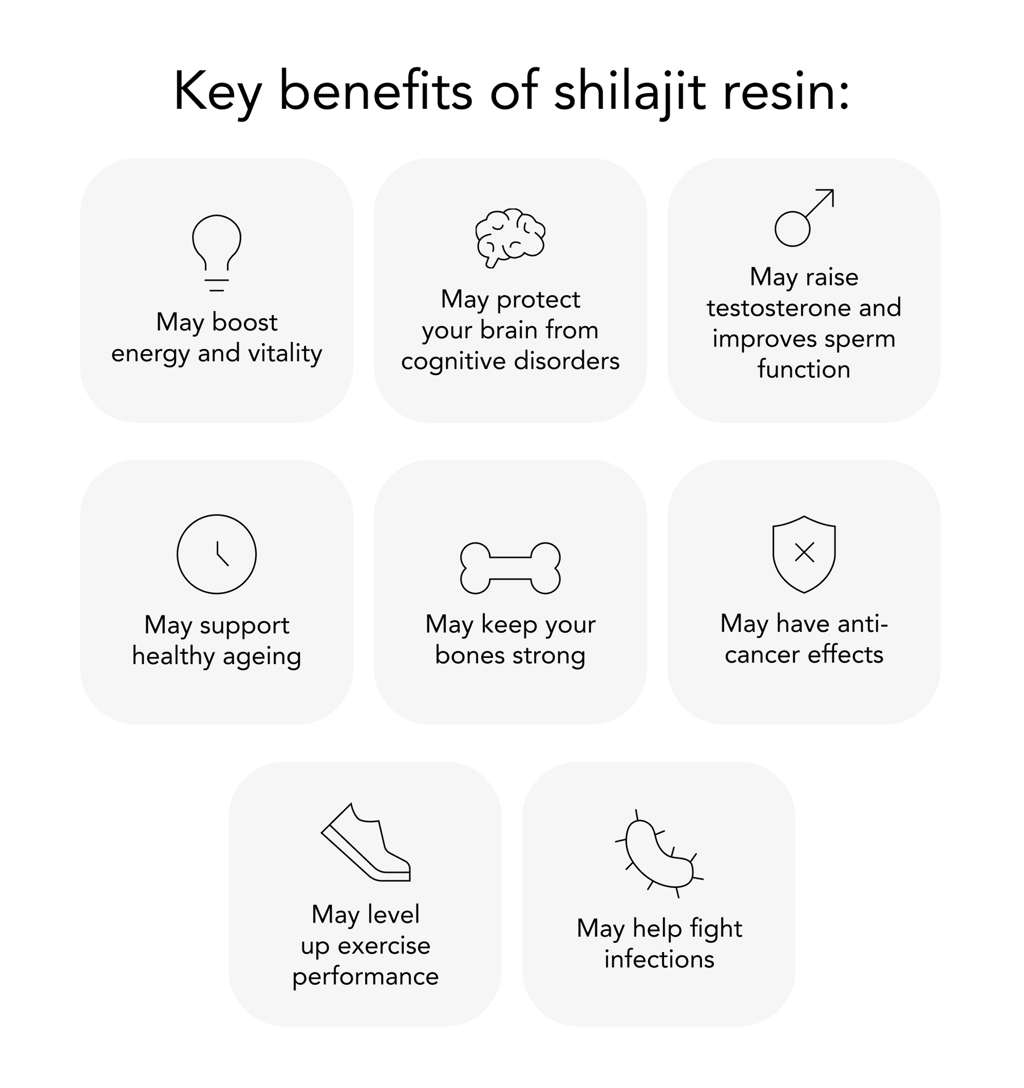
Key benefits of shilajit resin
Traditionally, shilajit has been used for a wide range of health issues. And while it's linked to plenty of promising effects, research is still emerging. We don’t yet fully understand how it works — or who it’s safest for — but early findings and centuries of use point to real potential.
Here’s what we know so far about shilajit resin benefits (and where the science stands).
May boost energy and vitality
Need a little more pep in your step? Shilajit might give your cells the fuel they’ve been missing.
One of the main reasons shilajit can be so energising comes down to fulvic acid. This natural compound acts like a nutrient delivery service, helping essential minerals cross cell membranes more efficiently, so your cells get what they need to thrive.
Shilajit also supports the production of ATP (adenosine triphosphate), the molecule your body uses as energy for almost every cellular process. Plus, it improves how CoQ10 — a compound naturally found in the body that’s crucial for energy production — functions in the mitochondria (aka your cells’ powerhouses), especially in muscle and brain tissue during physical activity.
In one animal study, mice that were given shilajit for just four days had significantly higher energy levels in their muscles, brains, and blood during a forced swim test. While more human studies are needed, the early results are promising.
May protect your brain from cognitive disorders
In Ayurvedic tradition, shilajit was prized as a medha rasayan— a brain tonic believed to boost learning, memory, and mental clarity and historically used for various neurological issues.
Modern research points to a compound in shilajit called dibenzo-α-pyrones (DBPs), which can cross the blood-brain barrier and help protect brain and nerve tissue from free radical damage.
One study on Andean shilajit found it could improve how neurons function by promoting neuritogenesis in rodent brain cells. That’s a fancy way of saying it encourages brain cells to grow and extend new branches for better communication.
And there's buzz around its potential to protect against Alzheimer’s. Shilajit may help prevent the buildup of tau proteins — those sticky tangles in the brain linked to Alzheimer’s disease — by reducing aggregation and helping to break them down. It’s early days, but it’s a promising area of research.
Might support male fertility
In Ayurvedic medicine, shilajit has long been used to support male reproductive health and is classified as a Vrisya, a traditional aphrodisiac believed to enhance sperm production.
Modern science is backing up the ancient claims. In one clinical study, men aged 45 to 55 who took 250 mg of shilajit twice daily for 90 days saw a significant increase in total testosterone, free testosterone, and DHEA (the building block of testosterone), compared to those taking a placebo. Another study found that taking 100 mg of shilajit twice daily for 90 days improved both sperm count and motility — aka how well those swimmers move — which is crucial for fertility.
Healthy testosterone levels and sperm quality play a big role in reproductive health, and shilajit shows promise for supporting both, naturally.
May support healthy ageing
In Ayurvedic medicine, shilajit is considered a rasayana— a rejuvenator said to boost longevity and vitality.
The key effects start at the cellular level. Shilajit helps protect and power up your cells by supporting the mitochondria (the energy factories of your body). It also boosts the activity of CoQ10, a natural antioxidant that defends these mitochondria from damage and keeps cells functioning at their best.
It’s also packed with anti-ageing powerhouses. Two key compounds in shilajit — fulvic and humic acids — deliver major antioxidant and anti-inflammatory benefits. In lab studies, shilajit extracts have been shown to neutralise free radicals and reduce lipid peroxidation (a damaging form of oxidative stress).
By shielding your cells from damage, shilajit helps support healthy ageing from the inside out, and may even help lower the risk of chronic diseases along the way.
May keep bones strong
Move over milk: shilajit might also do your bones some good.
In one study, daily doses of shilajit (250 mg or 500 mg) helped boost bone mineral density in postmenopausal women with osteopenia (a precursor to osteoporosis). Researchers believe it works by reducing the inflammation, oxidative stress, and bone breakdown that often comes with low oestrogen levels. That’s great news for women at higher risk of fractures and bone loss.
Shilajit has been shown to increase type 1 collagen production, the protein that gives structure and strength to your bones, tendons, ligaments, muscles, and even skin.
May have anti-cancer effects
Thanks to its potent antioxidant and anti-inflammatory powers, shilajit may help protect against cellular damage that can contribute to cancer.
Shilajit extracts have been found to reduce the growth and spread of oral cancer cells and even trigger cancer cell death (a process known as apoptosis). In a rat study, it also helped enhance the effects of chemotherapy drugs while protecting organs from damage caused by cancer spreading through the body.
While these early findings are promising, most of the research so far is in animals or lab settings. Human studies are still needed to confirm how shilajit might be used in cancer prevention or treatment.
Could level up exercise performance
Need a boost at the gym? Shilajit might be your secret weapon to build strength and stamina. Used by Russian soldiers and athletes back in the day, shilajit has a long history of being tapped for its performance-enhancing powers.
Shilajit works at the cellular level by boosting ATP production (your body’s main energy source) and improving the efficiency of CoQ10 in your mitochondria (the powerhouses of your cells). The result? Support for more energy in your brain and muscles during workouts.
It may also support recovery. One study found that taking 500 mg of shilajit daily for eight weeks helped recreational athletes retain muscle strength even after fatigue-inducing workouts. Other research shows it may aid in muscle repair, regeneration, and flexibility, helping your body bounce back faster.
May help fight infections
Shilajit packs serious antimicrobial power that could help your body fight off infections — though most of the current evidence comes from lab studies, not live humans just yet.
So far, research shows shilajit has:
Antiviral effects against herpes simplex virus, human respiratory syncytial virus, and cytomegalovirus
Antibacterial activity against common culprits like Staphylococcus aureus, E. coli, and Salmonella
Antifungal action against Candida albicans, the fungus behind yeast infections
While more studies in humans are needed, these early findings suggest shilajit could one day be a natural ally in the fight against everyday bugs.
Types of shilajit
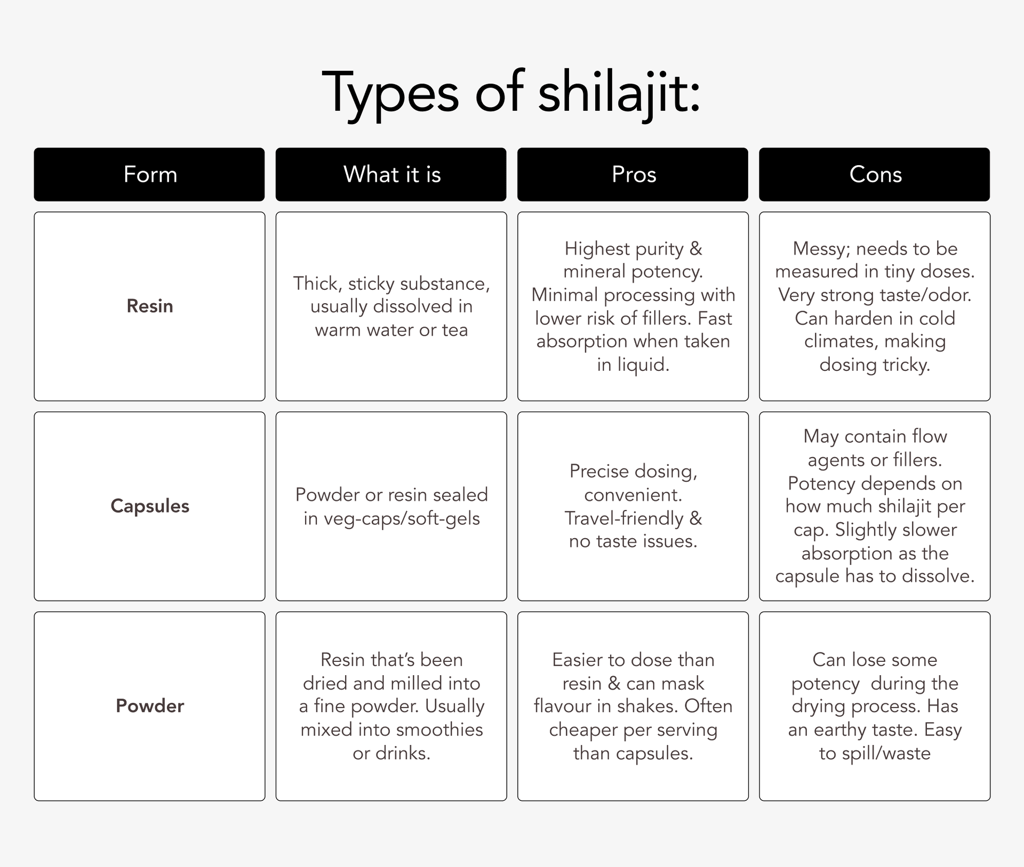
Shilajit comes in a few different forms, and each has its pros and cons. Here’s what to know so you can pick the one that fits your lifestyle (and taste buds):
Resin
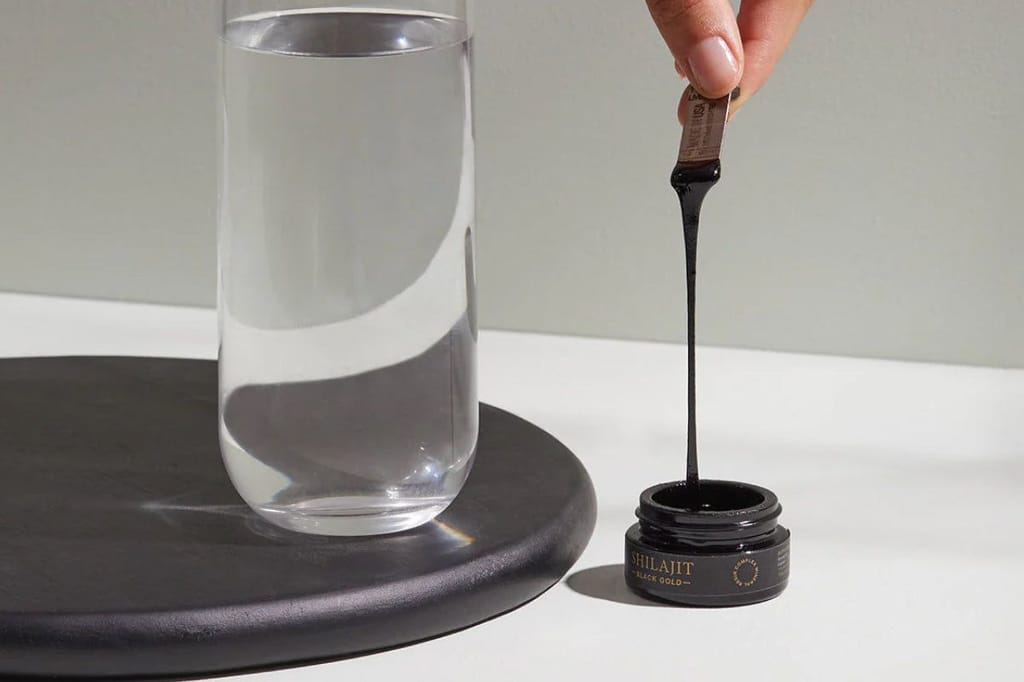
This is the OG form. Thick, sticky, and super potent, shilajit resin is known for high purity and mineral content, says Emer Delaney, RD, PT, registered dietician and personal trainer. Since it’s minimally processed, it tends to contain fewer fillers. Plus, the body absorbs it quickly in liquid form (you can dissolve it in warm water or tea), Delaney says.
But it’s not the easiest to use: it’s messy, has a strong taste and smell, and can harden in cold temps (which makes dosing a pain), explains Delaney. Not to mention, it “can be hard to dose accurately,” adds Simoné Laubscher, PhD, naturopath, nutritionist, and co-founder of Rejuv Wellness.
Capsules
Want something easy and convenient? Shilajit capsules are for you. They are pre-measured (think: precise dosing), and unlike resin, capsules are odourless and or flavourless (perfect if you’re sensitive to strong tastes or smells), Delaney says. The mess-free capsules are also great for travel.
Just keep in mind: some brands add fillers or flow agents (i.e., anti-caking agents), and the potency depends on how much shilajit is packed into each cap, Delaney says. Plus, absorption can be a bit slower since the capsule needs to dissolve first, she adds.
If you go the pill route, opt for compacted resin tablets, which are most potent, says Laubscher.
Powder
Made by drying and milling resin into a fine powder, this form of shilajit is easy to mix into smoothies or drinks and is more affordable per dose than capsules, Delaney says. While it’s way less messy than resin, it still has that earthy taste (though it’s easier to mask in a tasty smoothie).
The downside? Some active compounds may be lost during drying (making it less potent), and it’s easy to spill or waste, explains Delaney. Powders may also oxidise easily and tend to contain more fillers, adds Laubscher.
How to choose the best shilajit resin in the UK
When it comes to supplements, “safety, purity, and effectiveness” should always come first, says Delaney. Shilajit is no exception. If you want to get the best shilajit in the UK, here’s what to keep in mind while shopping:
Only buy purified shilajit. Raw shilajit can be contaminated with heavy metals, toxins, or other nasties, so skip it.
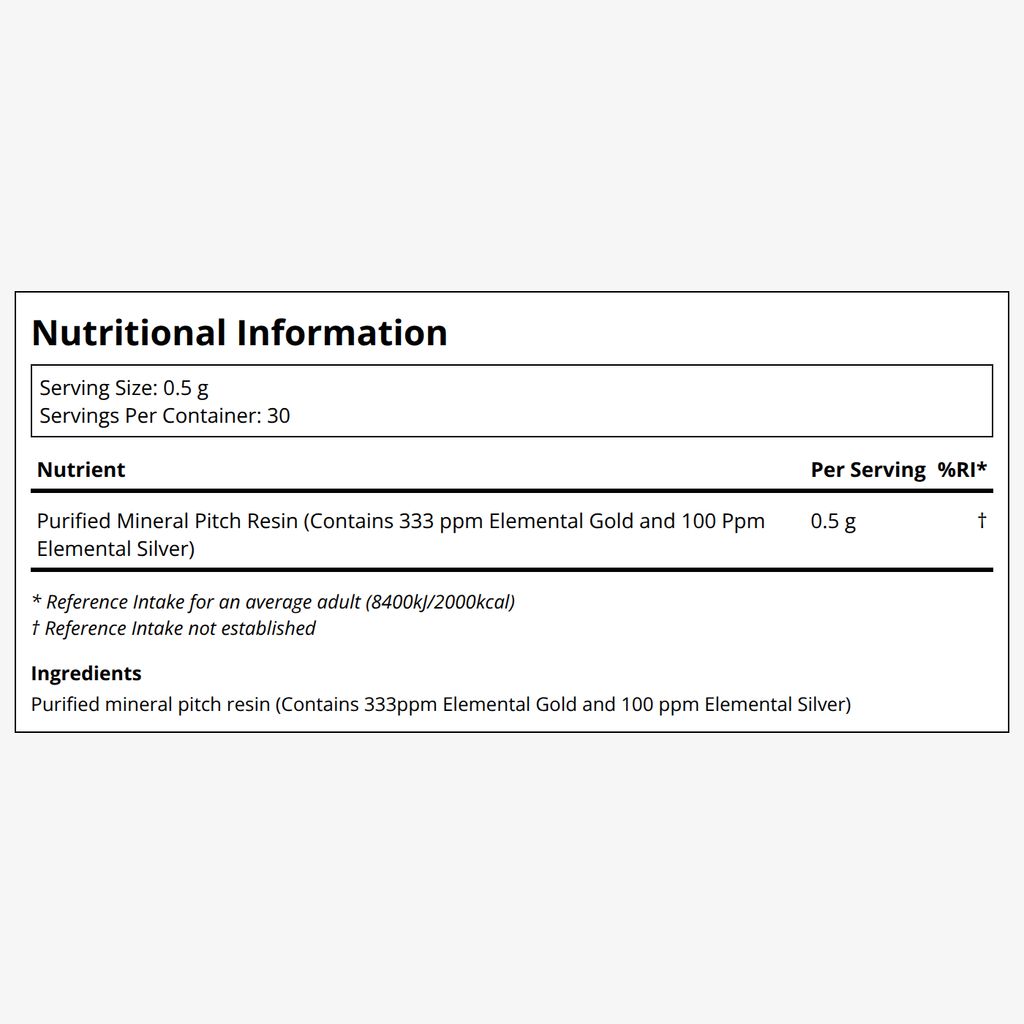
Look for third-party testing and a Certificate of Analysis (COA). This proves the product has been screened for contaminants like heavy metals, mould, pesticides, and PAHs (polycyclic aromatic hydrocarbons) and matches what’s on the label, Laubscher says.
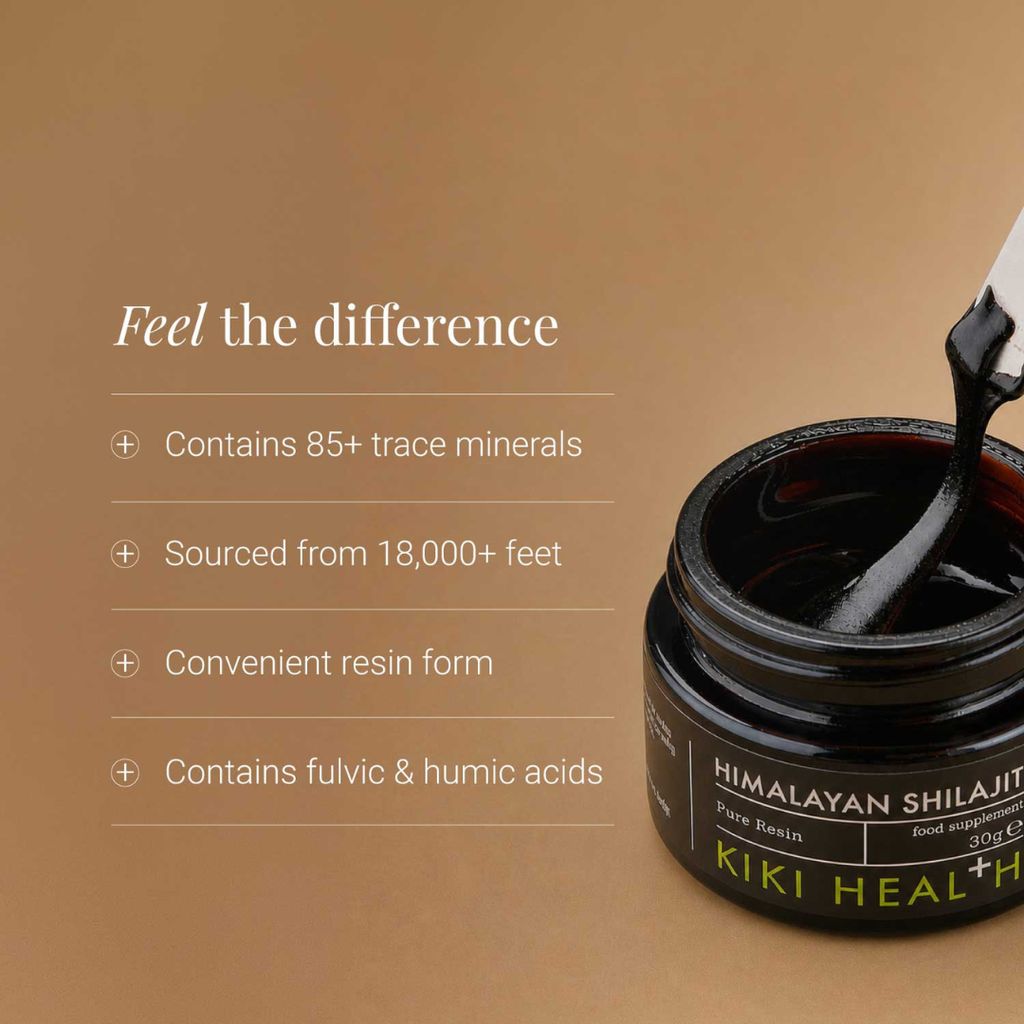
Check the source. The highest-quality shilajit usually comes from the Himalayas or Altai Mountains, agree Delaney and Laubscher.
Choose your form wisely. Resin is often considered the most potent and natural, Delaney says. Capsules and powders are more convenient, but may contain fillers or be less potent.
Scan the label for fulvic acid content. Aim for 15–25%, Delaney says. This suggests a strong, well-preserved product that hasn’t been over-processed. Keep in mind, more isn’t always better either: “Higher levels may be synthetic or adulterated,” Laubscher says.
Packaging matters. Opt for shilajit in dark, airtight containers to protect its active compounds from light and air and prevent oxidation, agree Delaney and Laubscher.
Do your homework on brands. Buy from companies that are transparent about sourcing and lab testing. If they don’t show that info on their site, that’s a red flag.
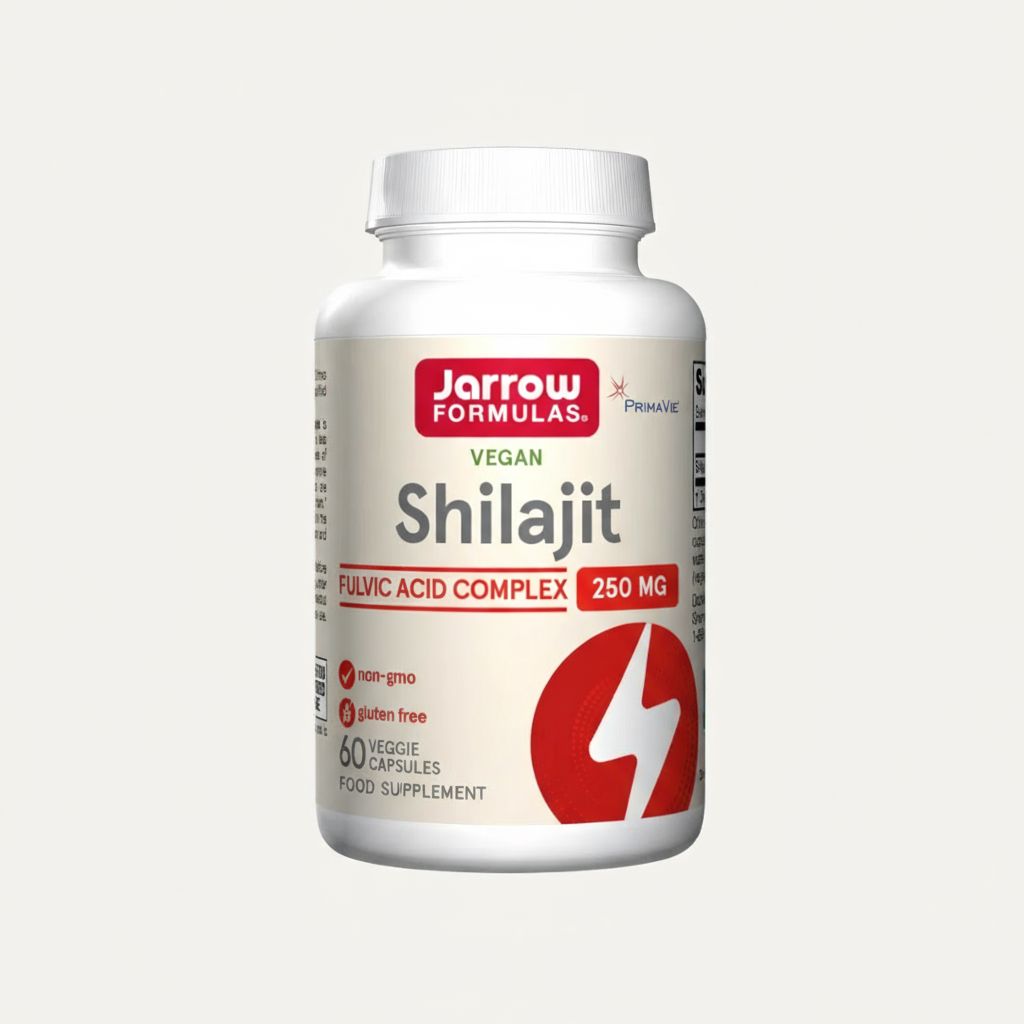
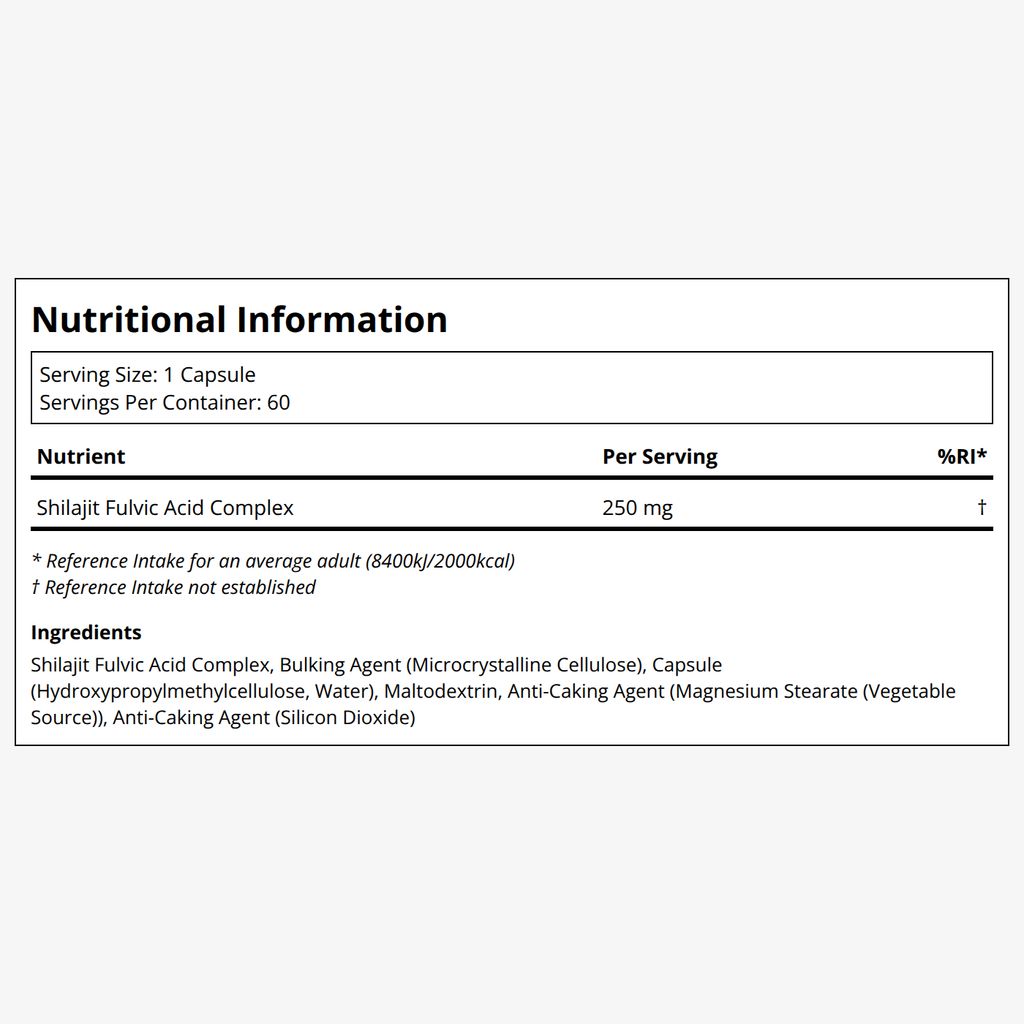

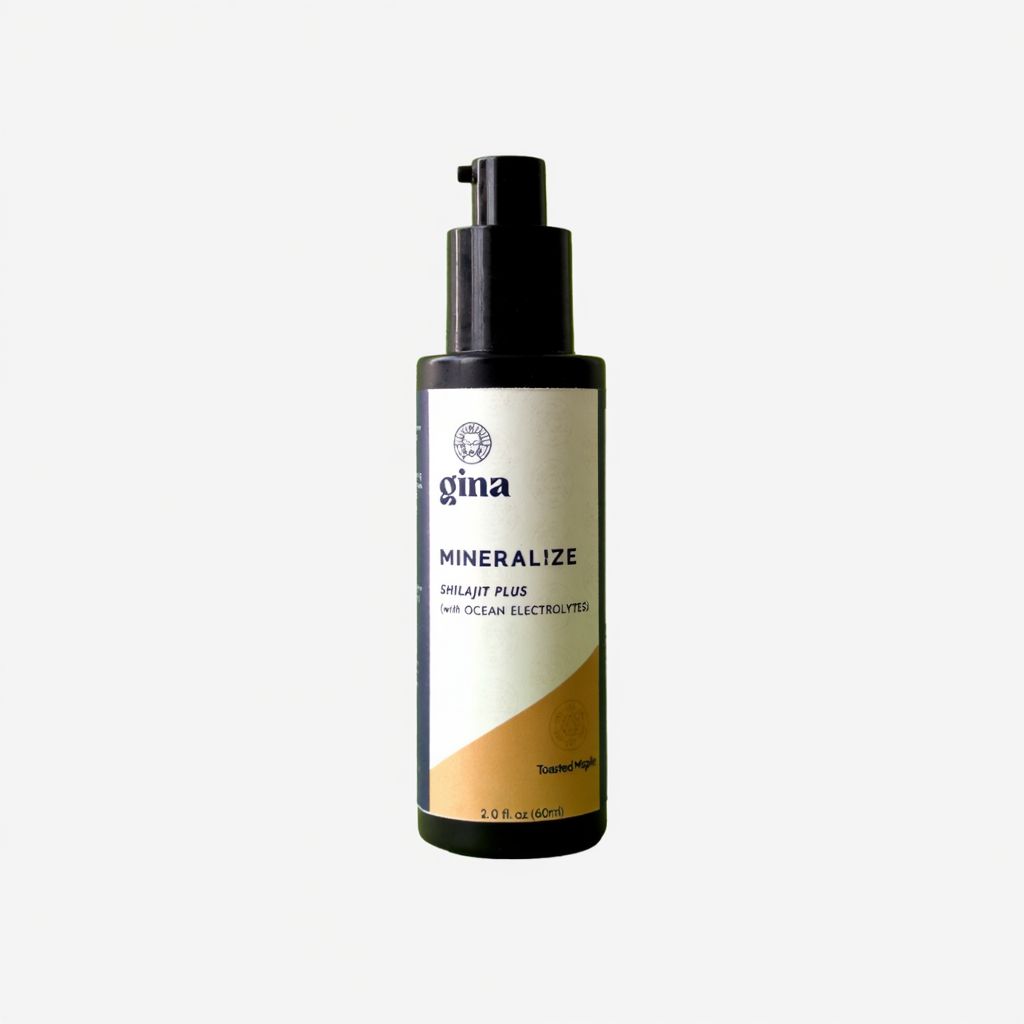

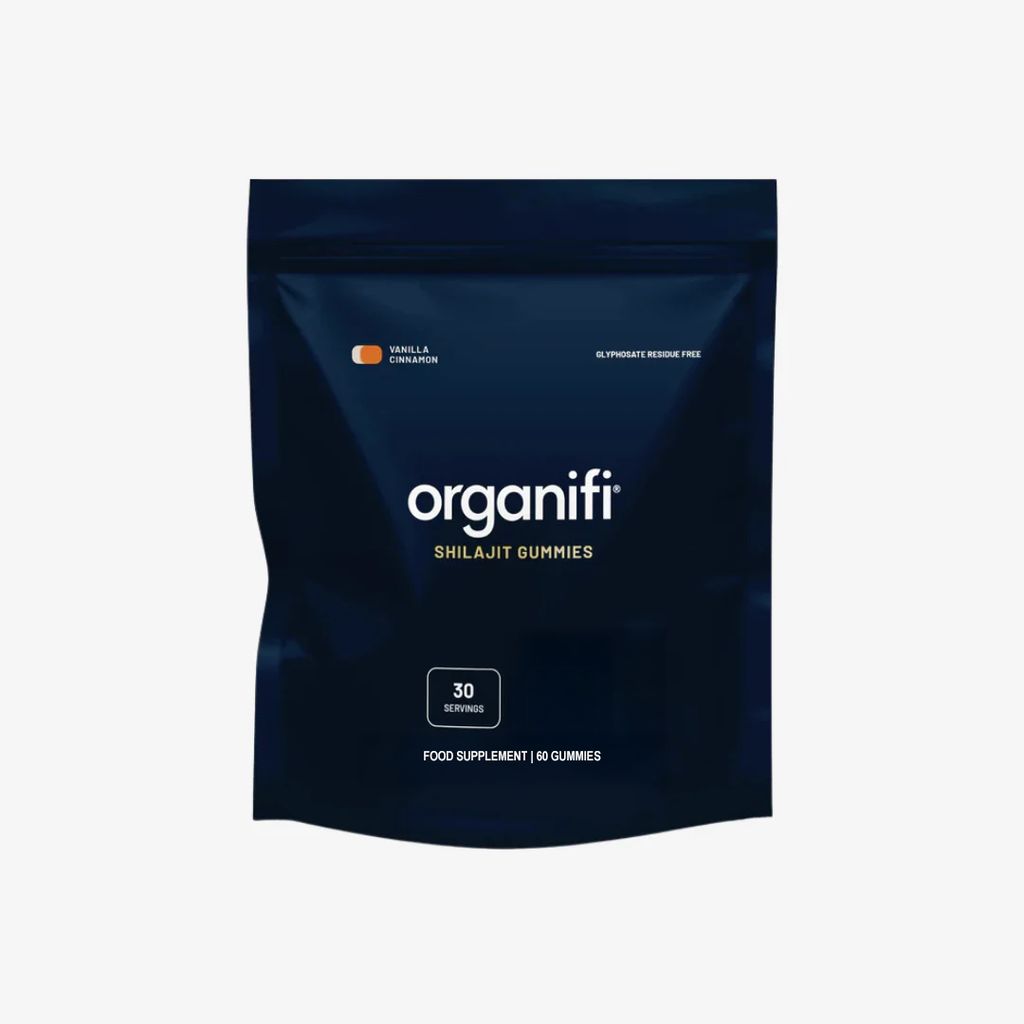
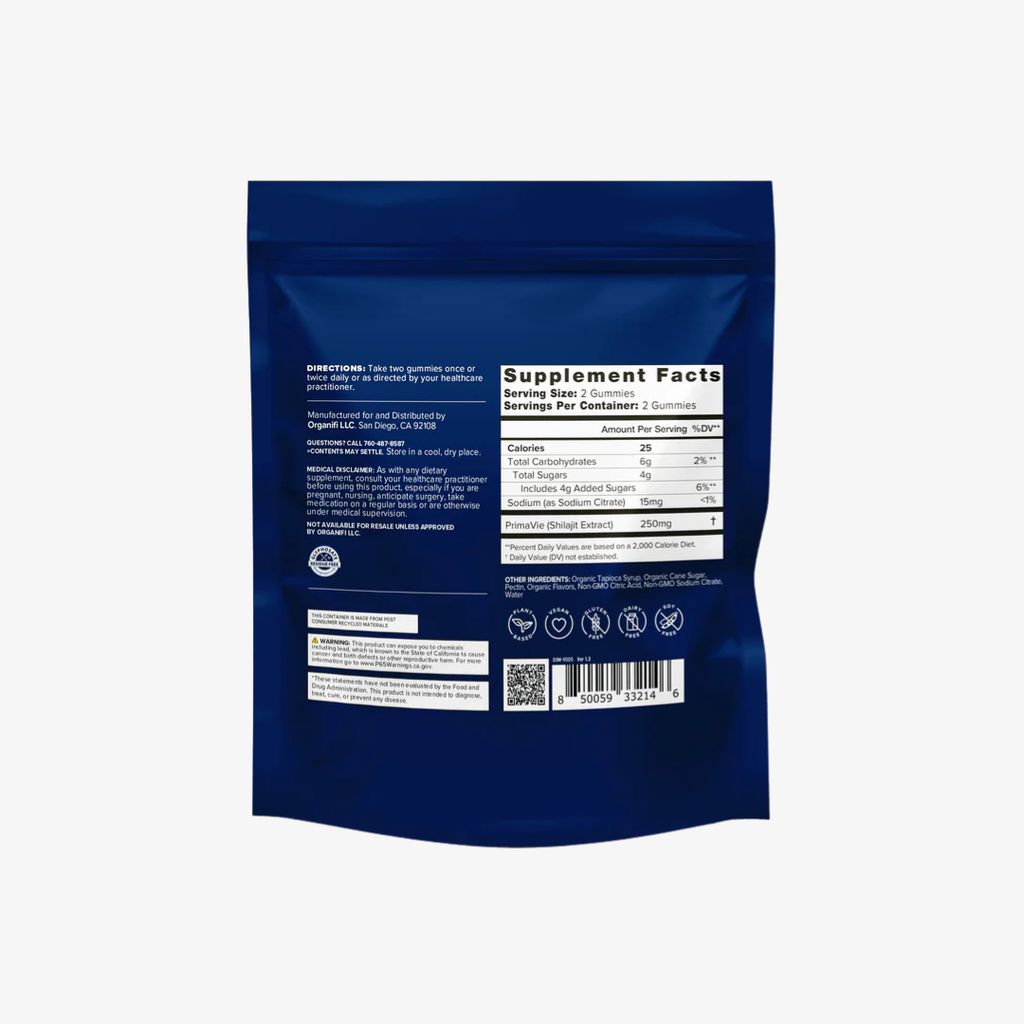
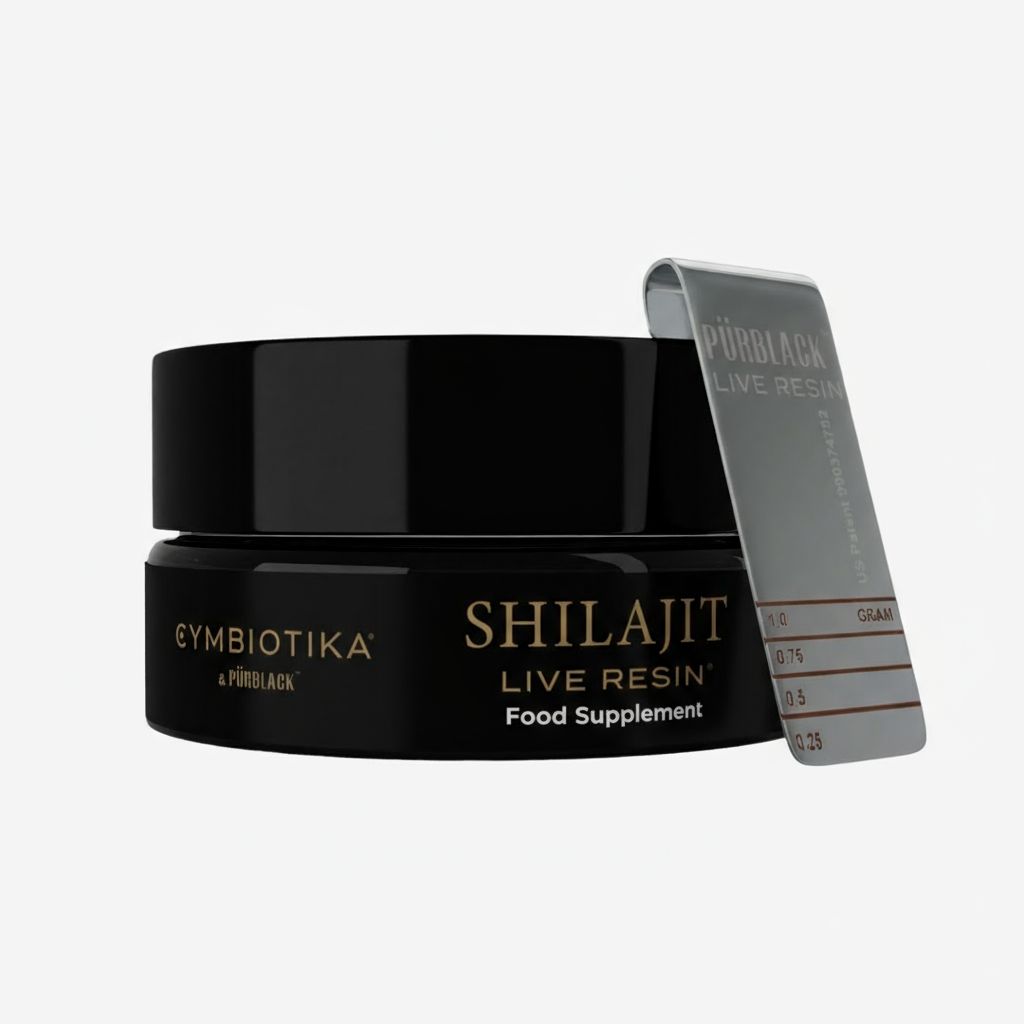

Recommended daily dosage of shilajit resin
There’s no official recommended dose for shilajit, mostly because research is still catching up. Studies have used a wide range of doses, and participants are typically monitored by medical professionals.
So how much shilajit per day is safe and effective? Most people find 250 to 500mg/day works for them, Delaney says. But the right dose can “vary depending on the type of shilajit you’re taking and its concentration,” she adds.
If you’re new to shalijit, start slow, then gradually up your dose if you feel okay.
Research so far shows that shilajit appears safe when taken in small amounts. Clinical data found no harm at doses between 100 mg and 1000 mg per day. Some toxicology studies suggest that even higher doses (up to 1g per kg of body weight) are well tolerated.
Still, more human research is needed when it comes to long-term use and specific health conditions.
So what can you do in the meantime? Always read the label and follow the dosage instructions on the supplement you choose. Different products contain different concentrations, and many combine shilajit with other ingredients.
And before adding it to your routine, check in with a healthcare professional or consult with an expert at the Healf Zone, especially if you have any medical conditions or take medication. They’ll help you figure out the right dose (if any) for your body and goals.
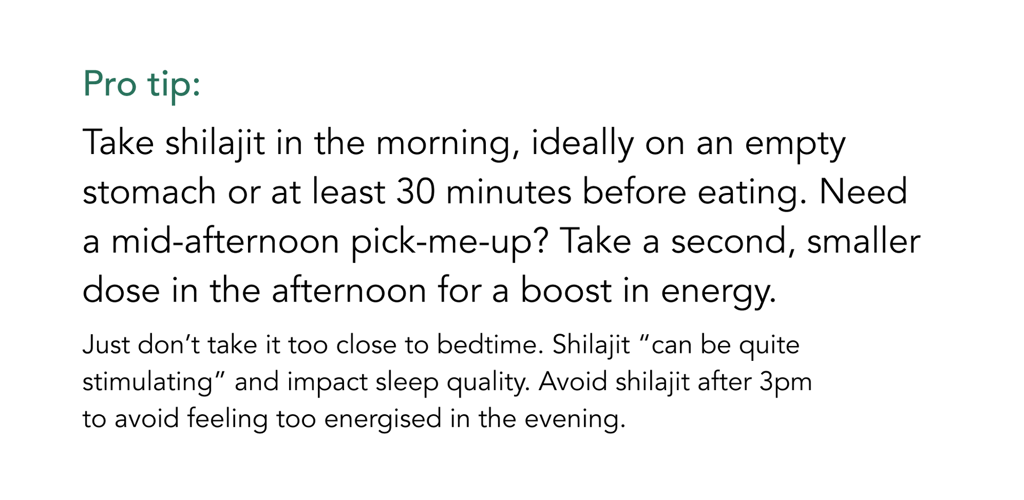
Pro tip: Take shilajit in the morning, “ideally on an empty stomach or at least 30 minutes before eating,” Delaney says. Need a mid-afternoon pick-me-up? “Take a second, smaller dose in the afternoon for a boost in energy,” she says.
Just don’t take it too close to bedtime. Shilajit “can be quite stimulating” and impact sleep quality, explains Delaney. Laubscher agrees: avoid shilajit after 3pm to avoid feeling too energised in the evening.
Potential side effects and precautions
Shilajit may pack a powerful punch, but it’s not risk-free, “especially if it’s low-quality or taken in large amounts,” Delaney says. While short-term use of pure shilajit appears safe for most healthy adults, the research is still limited, and some people may be more at risk for side effects.
Possible side effects include:
Tummy trouble. Some people experience nausea, vomiting, or diarrhoea after taking shilajit. If your gut’s sensitive, start with a low dose or steer clear altogether.
Stimulating effects. Shilajit is naturally energising, which can trigger a racing heart, dizziness, or trouble sleeping (especially if taken too close to bedtime) in some people, Delaney says.
Allergic reactions. While it’s rare, it’s possible to be allergic to shilajit, Laubscher says.
Iron overload. Shilajit may help increase iron levels according to animal studies, which is potentially great if you’re deficient. But for people with high iron or conditions like haemochromatosis (where your body stores too much iron), it could do more harm than good, Delaney says.
Hormonal shifts. Shilajit’s testosterone-boosting effects might be welcome for some, but not everyone wants or needs a hormonal shift. If you’re managing hormonal conditions, talk to your doctor first.
Blood pressure effects. Shilajit can potentially interfere with blood pressure regulation, says Delaney. One isolated case linked shilajit to a rare condition called pseudohyperaldosteronism, which can cause high blood pressure, low potassium, and an imbalance in blood pH. While extremely rare, it’s worth being aware of. On the other hand, research is lacking. Shilajit is also thought to lower blood pressure, Delaney says.
Increase in uric acid. “Shilajit can raise uric acid” levels and “potentially trigger flare-ups” in people with gout, Delaney says. The risk is higher with low-quality or impure products that may be contaminated with heavy metals. One study found that heavy metal exposure—especially lead—was strongly linked to gout symptoms.
Unknown drug interactions. There’s limited research on how shilajit interacts with medications or other supplements. That doesn’t mean it’s risk-free — just unstudied. Since shilajit may “lower blood pressure or influence blood sugar levels, anyone on related medications should use caution,” Delaney says. Better to play it safe and get medical advice before mixing.
Contamination concerns. Unprocessed or raw shilajit may contain heavy metals, mycotoxins, or other nasty stuff. Always choose purified, third-party tested products from reputable brands, Delany says.
Given all that, shilajit isn’t for everyone. You should skip it — or get your doctor’s green light first — if you:
Have heart disease, blood pressure concerns, take blood thinners, or have a bleeding or clotting disorder
Have diabetes, liver or kidney disease, or any condition that affects your blood sugar
Have an autoimmune or hyperactive immune condition like rheumatoid arthritis (RA), lupus, or mast cell activation syndrome (MCAS)
Have haemochromatosis or elevated iron levels
Are pregnant, breastfeeding, or under 18 — there’s not enough research to ensure safety for these groups
Top things to avoid when buying shilajit in the UK
Not all shilajit is the real deal. Here’s what to steer clear of when shopping in the UK (or online), according to Laubscher:
Low-quality resin that smells like petrol (possible contamination)
Unbranded powders sold in bulk
Products without full CoA (Certificate of Analysis)
Additionally, beware of bold claims and bargain prices, says Delaney. If it sounds too good (or too cheap) to be true, it probably is.
The bottom line
Shilajit might be having a moment in the UK, but it’s more than just a passing trend. Backed by centuries of traditional use and emerging research, shilajit may offer real benefits — from boosting energy to supporting hormones and brain health.
That said, shilajit is not a cure-all, and quality matters. If you're curious about giving shilajit a go, talk to your GP or consult with an expert at the Healf Zone first, especially if you're pregnant, breastfeeding, or managing a health condition.
Key takeaways
Shilajit is a mineral-rich, tar-like resin sourced from high-altitude mountain rocks believed to carry the healing power of the Himalayas.
It’s packed with bioactive compounds like fulvic acid and trace minerals, supporting energy, stamina, focus, immunity, and more.
Resin is the gold standard for potency and bioavailability, but tablets and capsules can be a clean, convenient alternative.
Always choose purified shilajit with third-party lab testing and a Certificate of Analysis to avoid toxins and heavy metals.
Avoid products with vague sourcing, filler ingredients, exaggerated claims, or dirt-cheap prices.
Skip shilajit if you’re pregnant, breastfeeding, or have certain health conditions, and always consult a healthcare professional before you start taking it.
Frequently asked questions (FAQs)
What does shilajit do for your body?
Shilajit is like a natural boost for your body. Packed with trace minerals, plus bioactive compounds like humic and fulvic acids, it’s thought to support everything from energy production and focus to immune health and workout recovery. Some early research also suggests it helps balance hormones, supports fertility, and keeps inflammation in check. But more high-quality studies are needed to confirm its benefits.
Does shilajit really work?
Shilajit has been used for centuries in Ayurvedic medicine, and early studies suggest it might support energy, brain function, testosterone levels, and recovery. But the research is still new, and most studies have small sample sizes or are animal-based. It’s promising, but not a magic cure-all. The bottom line: like many supplements, your results may vary.
What happens if I take shilajit daily?
If you take a high-quality, purified shilajit in the right dose, you might notice more energy, better focus, or less post-workout soreness. Over time, it might even support healthy ageing, strengthen your immune system, and protect your brain and bones.That said, daily use isn’t without risks — some people notice stomach issues like nausea or diarrhoea while others may experience unwanted changes in blood pressure, blood sugar, and iron levels.
Who should not use shilajit?
Shilajit can trigger side effects in some people, including changes in blood pressure, blood sugar, iron levels, and hormonal balance. To be safe, you should skip shilajit if you:
Have heart problems, high or low blood pressure, or bleeding/clotting disorders
Have diabetes, liver or kidney disease, or any condition that affects your blood sugar
Have an autoimmune or hyperactive immune condition
Have haemochromatosis or elevated iron levels
Are pregnant, breastfeeding, or under age 18



This article is for informational purposes only, even if and regardless of whether it features the advice of physicians and medical practitioners. This article is not, nor is it intended to be, a substitute for professional medical advice, diagnosis, or treatment and should never be relied upon for specific medical advice. The views expressed in this article are the views of the expert and do not necessarily represent the views of Healf
Jaime Osnato is a health journalist and licensed social worker based in NYC. With over a decade of experience writing for top digital health and wellness outlets like Well+Good, SELF, Shape, FitPregnancy, [LIVESTRONG.com](https://www.livestrong.com), and more. Jaime brings insight and integrity to every story.
Living with chronic conditions herself, Jaime believes health information should be clear and understandable - no medical degree required. She's fuelled by a mission to transform complex science into clear, usable guidance. Her goal? To arm readers with trustworthy, evidence-backed knowledge, so they can confidently advocate for their own health.