





























WHOOP Analysed 3.7 Million Nights of Sleep Data. Here's What They Found
The rules of good sleep have changed, and this landmark study says you might be looking in the wrong places on your mission to get better shut-eye.

Written by: Ed Cooper
Written on: 23 June 2026
Getting the right amount of sleep for your body can be a complex affair. We're all juggling different kinds of external stressors each day, from financial pressures to social obligations, training, and recovery routines. Sometimes, that means that our time spent between the sheets gets interrupted or whittled down to only a few hours each night. The effect this has on us can vary person to person. Plenty of people get less than the recommended seven to nine hours, per the NHS, and still feel fine, while tens of thousands of people actually reach that recommended amount but still wake up feeling groggy, irritable, and underslept.
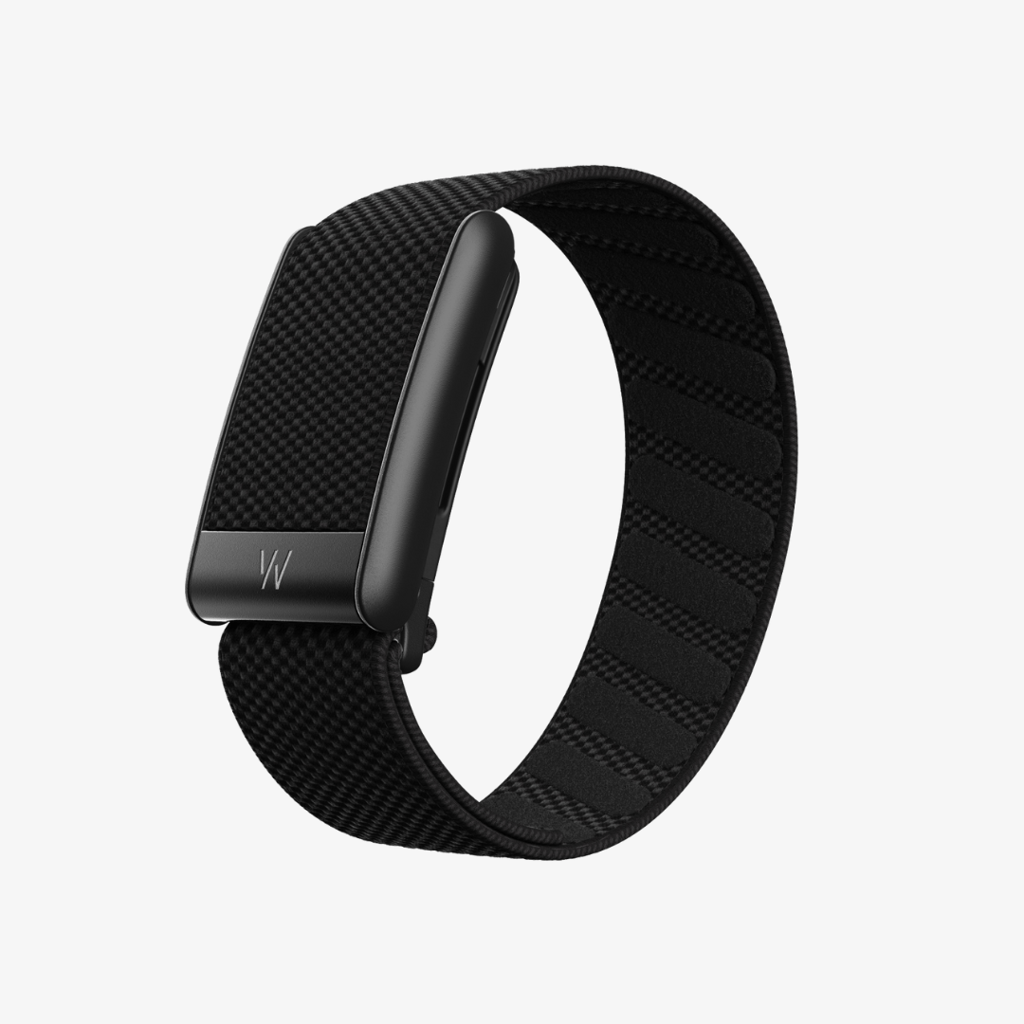
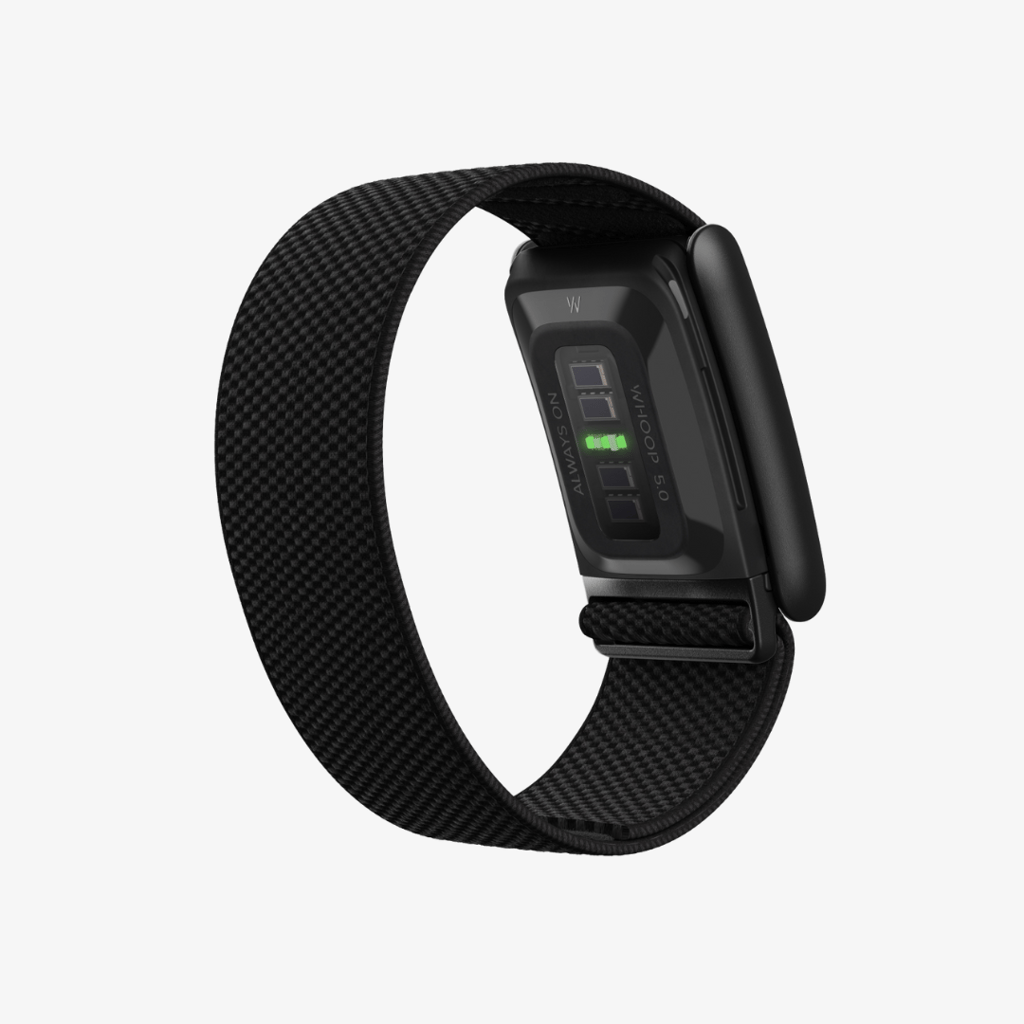
If either scenario sounds a little familiar, WHOOP’s new landmark sleep study, looking at 3.7 million nights' worth of data, identified some key patterns around our sleep. Their insights can help us understand why so many of us are still struggling with our sleep. Here’s everything you need to know.
Why 'eight hours' isn't the whole story
For years, logging eight hours of interrupted sleep has been the gold standard for a good night’s rest. But as sleep science progresses and we better understand how this essential function works in our brains and bodies, it's clear that sleep is nuanced, especially when it comes to the exact amount of sleep we actually need.
Sleep variability reflects how much your sleep changes from night to night and is now being recognised as a critical dimension of sleep health. In the study, WHOOP identified that sleep consistency, not just sleep duration, was just as significant for recovery and performance, a finding supported by an additional study published in the journal Sleep.
The Sleep study used Biobank data from 60,000 UK participants and found that regular sleep patterns — defined as “day-to-day consistency of sleep–wake timing” — move the needle more effectively for health and longevity markers than just spending eight hours in bed. The study participants in the top 20% of the research all had a lower mortality risk than those at the bottom of the study group, who reported poor sleep patterns.
Simply put: If you want to fix your sleep, start by going to bed and waking up at the same time every single day — including weekends.
Why consistency matters more than duration
So what makes consistency the new golden rule? While most people fixate on whether they logged enough hours during the night, WHOOP's study suggests we've been asking the wrong question entirely — and that the damage from inconsistent sleep is likely far worse than we've measured. In analysing over 3.7 million data points, researchers found that sleep variability independently predicts cardiovascular disease, metabolic dysfunction, mood disorders, and cognitive impairment better than average sleep duration alone.
However, as most studies only track sleep for one to two weeks, WHOOP's estimates of how harmful irregular sleep really is only show a sliver of the full picture — and the true health cost of an inconsistent schedule is substantially larger than anything currently published. Eight hours on paper means very little if your body never knows when it's coming.
“It’s well-established that consistent sleep is fundamental to health, but until now we didn’t know how much data it actually takes to measure it reliably,” says Dr. Josh Leota, co-lead author and Senior Research Scientist at WHOOP. “A week of data can tell you roughly how much sleep you’re getting on average, but it takes six to 10 weeks to truly understand how much your sleep varies from night to night, and it’s that variability that’s linked to long-term health outcomes.”
The sleep stage most people aren't getting enough of
Throughout the night, sleep is divided into repeating 90 to 120-minute cycles, known as sleep ‘stages’. There are four in total: light sleep, deeper light sleep, deep (or slow-wave) sleep and REM sleep — often referred to as the ‘dreaming phase’. How much time you spend in each stage can be affected by a variety of external factors, including your alarm, the temperature of the room and even what you ate that day.
A study published in the Journal of the American Medical Association identified that between ages 20 and 60, low wave sleep (deep sleep) decreases by approximately 75% and growth hormone secretion — the release of human growth hormone into the bloodstream — declines by 80% over the same period. Simultaneously, with cortisol levels increasing with age, this creates a hormonal environment that can impair sleep quality and recovery.
What your resting heart rate reveals while you sleep
Your nocturnal resting heart rate is one of the most honest signals your body produces — unlike step counts or daytime activity readings, it strips away posture, caffeine, and stress to show your cardiovascular baseline in its purest form.
While you sleep, your parasympathetic nervous system should be slowing the heart and dropping blood pressure into a recovery dip; when that dip consistently fails to happen, it's a recognised marker of cardiovascular risk, potentially signalling anything from overtraining and chronic stress to metabolic dysfunction or oncoming illness. WHOOP data showed elevated nocturnal RHR preceded COVID symptoms by an average of 2.5 days — making it less a passive metric and more an early warning system. The key, though, is to monitor trends over time: a single elevated night could be an anomaly, but three consecutive elevated readings are worth paying attention to.
The habits quietly destroying your sleep quality — and what it says about alcohol, caffeine, and late nights
The WHOOP study didn't set out to catalogue bad habits — but it did end up exposing what's working against most people's sleep. Chronic circadian misalignment — built up from irregular schedules, shifting mealtimes, and inconsistent movement, for example — is linked to impaired metabolism, decreased mood and performance, and increased cardiovascular risk.
Eating late is a particularly telling culprit. Feeding-associated sympathetic activation in the hours before bed actively interferes with sleep initiation, while alcohol follows the same pattern of false reassurance: it may help you fall asleep initially, but it suppresses the restorative stages your body actually needs and fragments the second half of the night. Unsurprisingly, caffeine does something similar — alongside alcohol, both stimulants are inputs that your circadian clock tries to interpret. Erratic timing of either of these can send a confusing signal to your body.
The four behaviours studied by WHOOP — morning sunlight, time-restricted eating, Zone 2 exercise, and breathwork — each independently improved sleep consistency in the study, with cumulative effects. “Encouraging exposure to morning sunlight could increase the strength of the circadian oscillator, a key contributor to sleep timing,” the study says. “Restricting food intake to a fixed set of daytime hours could limit the impact of feeding-associated sympathetic activation that can interfere with sleep initiation,” while “Zone 2 exercise can increase feelings of relaxation and reduce anxiety, facilitating sleep onset.”
The takeaway isn't that you shouldn't try to get eight hours of sleep. It's more that it matters considerably less than the consistency with which you're getting those eight hours and the quality of that sleep. Think less about cramming in eight hours where you can and more about building a schedule your body can actually set its clock to. Morning light, a consistent bedtime, eating earlier in the evening, a little Zone 2 work — none of it is glamorous, but neither is waking up exhausted despite a full night in bed. WHOOP's data points in a clear direction. The question is whether you'll follow it.



This article is for informational purposes only, even if and regardless of whether it features the advice of physicians and medical practitioners. This article is not, nor is it intended to be, a substitute for professional medical advice, diagnosis, or treatment and should never be relied upon for specific medical advice. The views expressed in this article are the views of the expert and do not necessarily represent the views of Healf
Ed is a freelance journalist and former Men’s Health digital editor, with bylines in Red Bull, BBC StoryWorks, Guardian Labs, Third Space, Natural Fitness Food and Form Nutrition, among others. Having run marathons, conducted sleep experiments on himself and worked with some of the world’s most in-demand experts — from sleep scientists and strength athletes to high-performance trainers and elite-level nutritionists — one thing remains clear for The Healf Source contributor: fitness trends come and go, but as long as you keep turning up for yourself, consistency will win every time.