Loading...
The Healf Source
Healf Or Hype: Is Allulose Really Healthier Than Regular Sugar?
It tastes like sugar and bakes like sugar, but allulose has a fraction of the calories and barely touches blood glucose. Here's what the evidence actually shows, and why you still can't buy it in the UK.
Written by: Samantha Nice
Written on: September 11, 2026
American grocery shelves are full of a sweetener most British shoppers have never had the chance to try. Allulose has spent the last couple of years working its way into low-sugar baking, protein bars, and diabetic-friendly recipes in the US, and it's starting to build a following here too, mostly among people who've read about it online and then discovered they can't buy it in the UK.
It tastes like sugar, bakes like sugar, and dissolves like sugar, but its metabolic effect looks very different. The contrast between how it behaves in a kitchen and how the body handles it is what makes allulose particularly interesting among the growing number of ingredients sold as "natural sweeteners."
What is allulose?
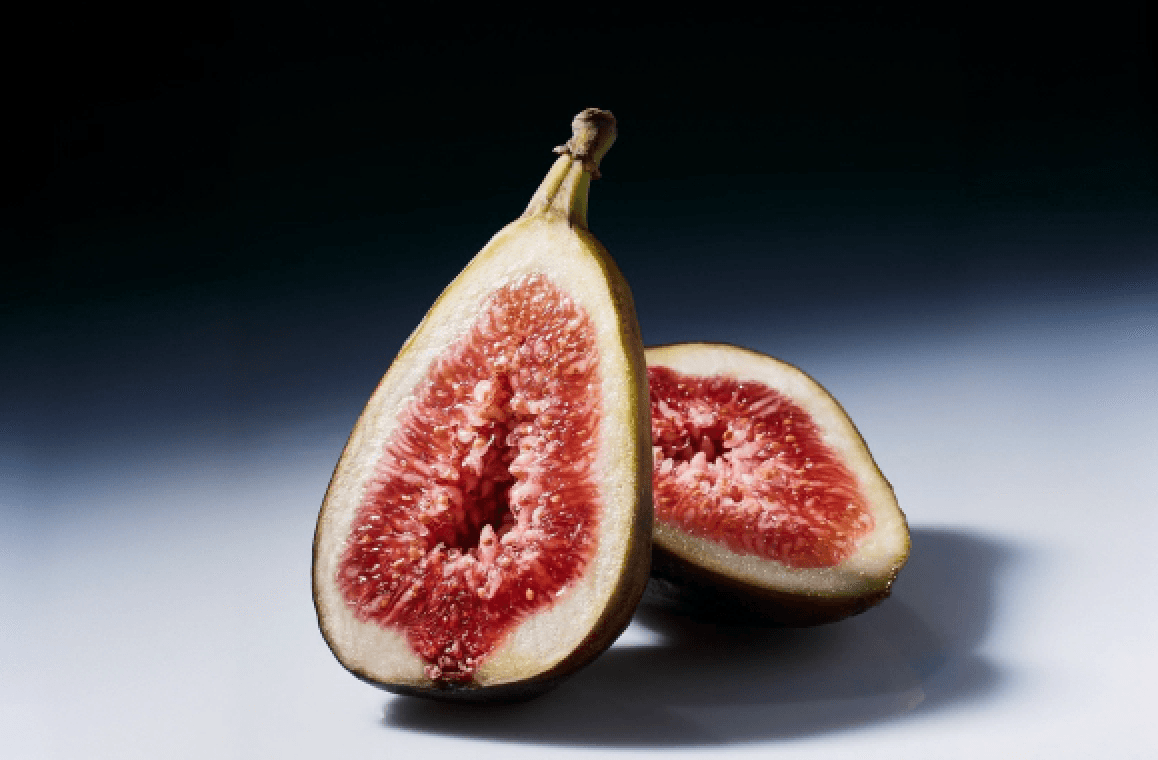
Allulose, also known as D-allulose or D-psicose, is a rare sugar, a monosaccharide that occurs naturally in very small quantities in foods such as figs, raisins, and wheat. Commercially, it's produced by converting fructose using an enzyme, which is why it's chemically a real sugar rather than a synthetic sweetener.
"Allulose is a naturally occurring 'rare sugar' that has a similar structure and taste to fructose," says Nichola Ludlam-Raine, BSc, PG Dip, MSc, RD, a specialist registered dietitian. That similarity helps give it the texture and browning properties associated with sugar in cooking. The differences between allulose and regular sugar begin once it's digested.
Why doesn't your body treat it like sugar?
The body handles most allulose very differently from ordinary sugar. "The body uses very little of it for energy: much is absorbed and excreted largely unchanged, providing around 0.4 kcal per gram compared with 4 kcal per gram from sugar," Ludlam-Raine says. "It therefore has very little direct effect on blood glucose or insulin."
Ordinary sugar is readily broken down and used for energy, while most allulose passes through largely unchanged. That difference explains both its much lower calorie content and its minimal direct effect on blood glucose and insulin.
Does allulose spike blood sugar or insulin?
Its direct effect appears to be minimal, while human trials suggest allulose may modestly reduce the glucose response to a meal eaten alongside it. "One meta-analysis estimated a reduction of around 10%, while newer evidence also indicates a possible reduction in post-meal insulin," Ludlam-Raine says.
A 2026 systematic review and meta-analysis that looked at 20 controlled human trials found consistent reductions in post-meal glucose across healthy adults and people with impaired glucose regulation, while sustained improvements in fasting glucose and insulin were limited or absent.
Ludlam-Raine is careful about the scale of that effect. "Studies are generally small and short-term," she says. "This could be useful, but it is an incremental benefit rather than a treatment for diabetes or a substitute for an overall balanced diet."
Is allulose actually good for you?
So far, its most convincing advantages are fairly specific. Allulose provides substantially fewer calories than sugar and has little direct effect on blood glucose or insulin. The evidence becomes much thinner when the claims extend to broader metabolic health.
"Claims that it meaningfully improves insulin sensitivity, HbA1c, cholesterol, or produces significant weight or fat loss are currently overstated," Ludlam-Raine says. "Longer-term human evidence remains limited." The 2026 meta-analysis reflects that distinction, finding no significant improvements in HbA1c, fasting glucose, or lipids.
Is allulose good for your gut, and can it cause bloating?
The "gut-friendly" label that's attached itself to allulose online promises more than the evidence currently supports. "There isn't currently good-quality human evidence to claim that allulose improves the gut microbiome," Ludlam-Raine says. "It would be more accurate to discuss digestive tolerance rather than market it as a prebiotic, although it can still cause symptoms at higher doses, so it isn't automatically better tolerated by everyone."
The digestive symptoms have a fairly straightforward explanation. Allulose that isn't absorbed in the small intestine can draw water into the bowel, an effect that results in bloating, discomfort, or diarrhoea in some people. Tolerance tends to be quite dose-dependent. "One small study found that single doses up to approximately 0.4g per kilogram of body weight were generally tolerated, while symptoms became more common at 0.5g/kg," Ludlam-Raine says. For an average adult, that's a meaningful gap, roughly the difference between a moderate serving and overdoing it. Ludlam-Raine recommends starting with a small amount and increasing gradually, particularly for those with a sensitive gut or IBS.
Does allulose help with weight loss?
Its usefulness for weight management comes primarily from replacing higher-calorie sugar. Because it provides a fraction of sugar's calories, swapping allulose for sugar in a recipe or drink lowers the calorie content of that specific food.
Evidence for a direct effect on fat loss is limited. The 2026 meta-analysis found no significant effect on body composition across the trials it reviewed.
Allulose vs sugar, stevia, and erythritol
Against ordinary sugar, allulose wins on calories and glucose response, while its baking behaviour (like browning and caramelising) and sweetness stay close enough to the real thing that most people wouldn't notice the swap in a recipe.
Against the other alternatives already on UK shelves, Ludlam-Raine breaks the comparison down like this:
- Allulose: Behaves closest to sugar in cooking, providing bulk and browning. Little direct effect on blood glucose.
- Erythritol: A sugar alcohol rather than a true sugar. Can have a cooling taste and may cause digestive symptoms in some people. Also has little direct effect on blood glucose.
- Stevia: Intensely sweet, so only a tiny amount is needed. Can leave a noticeable aftertaste, and is often blended with erythritol or other ingredients in shop-bought products, which means tolerance depends on the whole formulation, not stevia alone.
- Monk fruit: Closest to stevia, intensely sweet in small quantities, with minimal calories or glycaemic effect, though it shares the same reliance on how a specific product has been formulated.
"All three have little direct effect on blood glucose," Ludlam-Raine says of allulose, stevia, and erythritol together, "but allulose behaves more like sugar in cooking and provides bulk and browning." The right choice depends on what the recipe needs, from bulk and browning to sweetness, as well as individual taste and digestive tolerance.
Can you cook and bake with allulose?
Allulose can brown and caramelise during cooking, while also contributing the bulk and texture a recipe would usually get from sugar. It dissolves readily and performs particularly well in frozen recipes, which helps explain its use in everything from American baked goods to low-sugar ice cream.
Why can't you buy allulose in the UK?
Allulose is not currently authorised for sale in the UK, despite already sitting on shelves in the US, Japan, South Korea, and Mexico. Its status here comes down to UK novel food regulation. A novel food is any ingredient without a significant history of consumption in the UK or EU before May 1997, and it needs formal safety approval before it can be legally sold, regardless of how established it already is elsewhere.
An application from Savanna Ingredients GmbH, listed on the Food Standards Agency's public register as RP-1130, has been under review since 2021 and remains at the risk assessment stage. That process requires a full safety dossier, an independent assessment, and ministerial sign-off. Its current status therefore reflects an ongoing regulatory assessment, with no final authorisation decision yet made. Imported allulose products do occasionally surface online, but those listings reflect other countries' rules, not UK approval.
There is one regulatory distinction within the UK. Novel food law applies to Great Britain, while Northern Ireland follows separate EU-derived rules.
So, is allulose actually worth the hype?
Cautiously, yes. Ludlam-Raine doesn't hesitate when asked whether she'd use it herself if it became available. "Potentially, yes. I would see it as another useful option for reducing added sugar while retaining some of sugar's taste and cooking properties, not as a metabolic-health miracle." However, there’s an important caveat to her endorsement. "I would still encourage people to gradually reduce their overall reliance on very sweet foods and focus on the foundations of a balanced diet."
What allulose has going for it is practical rather than miraculous. It brings sugar's cooking properties along with a fraction of the calories and barely any effect on blood glucose. The bigger health claims still outpace the research, and UK shoppers will need the regulatory process to finish before allulose is something they can legally buy here.
Your allulose questions answered
Is allulose natural?
Yes. It's a monosaccharide found naturally in small quantities in foods such as figs, raisins, and wheat, though commercial allulose is produced by converting fructose using an enzyme.
Is allulose actually sugar?
Yes. Allulose is chemically a real sugar, although the body absorbs and excretes most of it largely unused, giving it a very different metabolic effect from ordinary sugar.
Does allulose spike blood sugar?
Allulose has little direct effect on blood glucose and may slightly reduce the glucose response to carbohydrates eaten alongside it, although supporting studies are generally small and short-term.
Does allulose spike insulin?
Allulose has little direct effect on insulin, with emerging evidence suggesting it could reduce the post-meal insulin response when consumed alongside carbohydrates.
Is allulose safe?
Human studies have generally reported good tolerance at moderate intakes, with digestive symptoms becoming more common at higher doses. Allulose is still undergoing the UK's novel food safety assessment and isn't currently authorised for sale here.
Can allulose cause bloating?
Yes, at higher doses. Unabsorbed allulose can draw water into the bowel, causing bloating, discomfort, or diarrhoea, with symptoms becoming more common at around 0.5g per kilogram of body weight in a single dose.
Is allulose suitable for people with diabetes?
Its low calorie content and minimal effect on blood glucose could make allulose a useful sugar alternative for people with diabetes. Individual responses and treatment needs vary, so prescribed medication and personalised dietary advice still apply.
Why isn't allulose available in the UK?
It's still going through the novel food authorisation process. An application has been under Food Standards Agency review since 2021 and remains at the risk assessment stage.
When will allulose be available in the UK?
There's no confirmed timeline. Authorisation depends on the outcome of the ongoing FSA risk assessment and subsequent stages of the approval process.
Is allulose banned in the UK or Europe?
No, it isn't banned, it just hasn't been authorised for sale yet. Allulose falls under novel food regulation, and its UK application (FSA reference RP-1130) has been under review since 2021 without a final decision, so it can't legally be sold here for now.



This article is for informational purposes only, even if and regardless of whether it features the advice of physicians and medical practitioners. This article is not, nor is it intended to be, a substitute for professional medical advice, diagnosis, or treatment and should never be relied upon for specific medical advice. The views expressed in this article are the views of the expert and do not necessarily represent the views of Healf
Samantha Nice is a seasoned wellness writer with over a decade of experience crafting content for a diverse range of global brands. A passionate advocate for holistic wellbeing, she brings a particular focus to supplements, women’s health, strength training, and running. Samantha is a proud member of the Healf editorial team, where she merges her love for storytelling with industry insights and science-backed evidence.
An avid WHOOP wearer, keen runner (with a sub 1:30 half marathon) hot yoga enthusiast and regular gym goer, Samantha lives and breathes the wellness lifestyle she writes about. With a solid black book of trusted contacts (including some of the industry’s leading experts) she’s committed to creating accessible, well-informed content that empowers and inspires Healf readers.
- 1. What is allulose?
- 2. Why doesn't your body treat it like sugar?
- 3. Does allulose spike blood sugar or insulin?
- 4. Is allulose actually good for you?
- 5. Is allulose good for your gut, and can it cause bloating?
- 6. Does allulose help with weight loss?
- 7. Allulose vs sugar, stevia, and erythritol
- 8. Can you cook and bake with allulose?
- 9. Why can't you buy allulose in the UK?
- 10. So, is allulose actually worth the hype?
- 11. Your allulose questions answered