




























_2026-10-13_14-11-48.png)


Biohacking The Clock Change: How To Reset Your Rhythm This Autumn
As the clocks go back and evenings get darker, our bodies can struggle to keep up. Here’s how to use light, food, movement and simple rituals to adjust your internal rhythm and feel your best.

Written by: Samantha Nice
Written on: 14 October 2025
The autumn clock change is more than just an inconvenience and for many of us, it can feel a bit like a mini jet lag. As evenings darken earlier, our internal rhythms can fall out of sync, leaving us tired, foggy, irritable and low on mood. That groggy mid-afternoon slump? It’s your circadian rhythm signaling that it’s struggling to adjust.
Our circadian rhythm (the 24-hour internal clock that regulates sleep, hormone release, digestion, and even immune function) relies pretty heavily on environmental cues like light, meal timing and movement to stay aligned. When these cues shift suddenly, as they do when the clocks go back, the body can take several days to recalibrate, leaving us feeling off balance.
This seasonal disruption doesn’t just affect sleep. It can ripple across energy levels, focus and even your immune system, which is wired to follow daily rhythms. But with some strategic tweaks, it’s possible to reset your clock quickly, reduce fatigue and keep your mood and productivity on track.
Here we uncover some expert-approved, science-backed strategies to help you biohack the clock change. From light exposure and red-light therapy to meal timing and simple evening rituals, these will all help support your sleep, energy, mood, and immunity over the coming weeks.
Why and how the clock change disrupts things
The shift in time isn’t just a minor inconvenience… it can create a cascade of effects throughout the body. Our circadian rhythm (the 24-hour internal clock that governs sleep, hormone release, digestion, energy, and even immune function) is essentially the body’s ‘master clock’. This clock relies on external cues to stay in sync.
Dr Charlie Coxi from Wellgevity explains: “A one-hour clock change sounds trivial, but to the body it’s a real jolt. Our internal timekeeper in the brain (the suprachiasmatic nucleus) runs on light, sleep, food, and movement. Shift those cues suddenly, and the body’s timing gets thrown off. Melatonin and cortisol (key hormones for sleep and alertness) can peak at the wrong times, the autonomic nervous system struggles to maintain balance, and even immune cells may circulate at unusual hours. Until the system readjusts over several days, it’s like the body is running slightly behind, as if out of rhythm with itself.”
The feeling of being ‘out of sync’ after the clocks change generally stems from three main factors:
Misaligned sleep windows: Your body’s natural sleep-wake cycle no longer matches the clock.
Shifts in light exposure: Earlier darkness and later sunrises confuse the brain’s perception of day and night.
Physiological disruption: Hormones, immune activity and nervous system function all temporarily fall out of sync, leading to fatigue, low mood and mental fog.
This doesn’t just affect sleep. Hormone rhythms are also thrown off, which impacts alertness, mood and cognitive function. As immunologist, Dr Jenna Macciochi, adds: “Key frontline immune cells such as neutrophils and macrophages follow a daily rhythm. They are more active and efficient in the morning, taking cues from 'zeitgeibers' (timekeepers like light, movement, and food intake) which makes evolutionary sense. At night, the immune system shifts into a repair and recovery mode, which is why symptoms of infection can feel worse after dark and why some medications may work better when timed at certain points in the day.”
Even for those functioning at optimal health, these subtle disruptions can temporarily reduce sleep quality, dampen mood, lower alertness and make the immune system less efficient. Children, teenagers, shift workers, and anyone with pre-existing sleep difficulties often feel the effects more.
Vikki Revell, associate professor at the Surrey Sleep Research Centre, points out that individual differences also play a role: “The clocks going back by one hour is the equivalent of flying one hour westwards, so essentially, for the immediate days after the clock change, it is mild jet lag. Most people find this clock change easier to adapt to than the spring forward change because most of us have a circadian clock that runs at slightly longer than 24 hours, so it is easier to stay up and get up later.”
However, she cautions that taking full advantage of the extra hour with a long lie-in can backfire: “If people have a much longer lie-in on Sunday morning, longer than the extra hour created by the change, this could have a knock-on effect on Sunday night’s sleep, staying up later, and potentially finding it harder to get up on Monday morning.”
In short, the clock change temporarily desynchronises our internal timing from the external environment but thankfully there are a few little Healf-approved hacks worth giving a go…
Make the most of morning sunlight
Top tip: Step outside within the first hour of waking for 20-30 minutes, ideally without sunglasses or looking at your phone.
Why it works: “Morning light is generally the most important for providing cues to our circadian clock. It boosts alertness, mood and performance,” explains Vikki Revell, Associate Professor at the Surrey Sleep Research Centre. “Our circadian clock responds to changes in light intensity, so having this contrast between day and night helps your body maintain synchronisation.”
Getting 20-30 minutes of sunlight in the morning is one of the most effective ways to reset your sleep-wake cycle. Light exposure early in the day suppresses melatonin and aligns cortisol release, which synchronises hormone rhythms, energy levels, and even immune function. In essence, it signals to your body that it’s daytime and primes you for alertness and activity.
Scientific studies support this too as morning bright light exposure has been shown to improve sleep timing, enhance mood and boost cognitive performance. Incorporating even a short period outdoors each morning can make a measurable difference in how quickly your body adjusts to the clock change.
Nudge your sleep schedule gradually in advance
Top tip: Gradually shift bedtime and wake time by 10-15 minutes per day in the days leading up to the clock change. Why it works: “Even small shifts can help, but the key is consistency over a few days. Gradually your circadian rhythm will realign, reducing fatigue, low mood, and sluggishness,” says Jenna Macciochi. This pre-adjustment allows your body to acclimate to the upcoming schedule, reducing the severity of misalignment and improving sleep, mood, and immune function.
Dr Charlie agrees that a few well-timed nudges really does make the adjustment smoother. “Stick to consistent bed and wake times, limit bright screens in the evening, and consider short, calming rituals like reading a book or taking a warm shower or bath.” The verdict on naps? Dr Charlie says short ones can help, but avoid long ones late in the day.
Invest in a Lumie light lamp
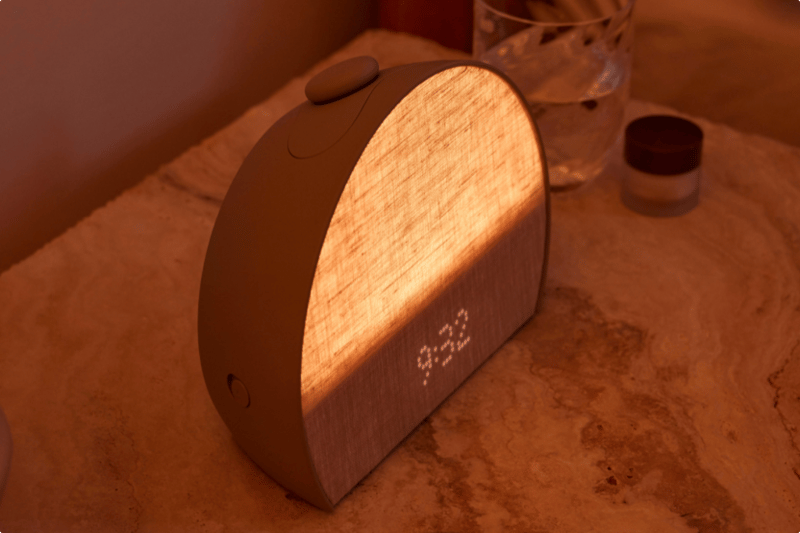
Top tip: Wake up with a Lumie light for 20-30 minutes in the morning, especially if it’s overcast or you can’t get outside.
Why it works: “Utilising light boxes to boost your light environment is a great tool all year round but particularly in the darker months,” says Vikki. “Bright light on waking (either a light box or dawn simulator) keeps your clock synchronised and sets you up well for the day feeling alert and positive.”
Light therapy replicates natural daylight, sending strong cues to the brain that it’s daytime. This helps reset your circadian rhythm, suppress melatonin, boost cortisol, and support mood, energy, and cognitive alertness. Scientific studies show that morning light therapy is effective in reducing symptoms of seasonal affective disorder (SAD), improving mood and sleep timing.
Use a red light therapy device at night
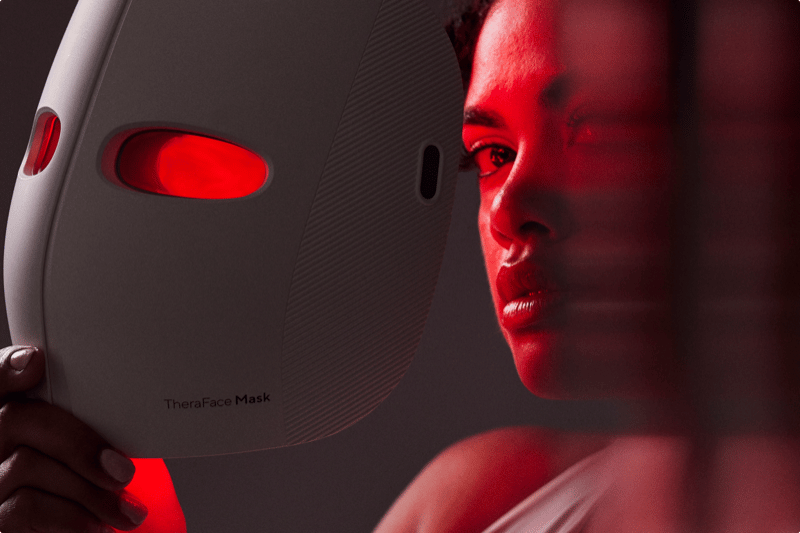
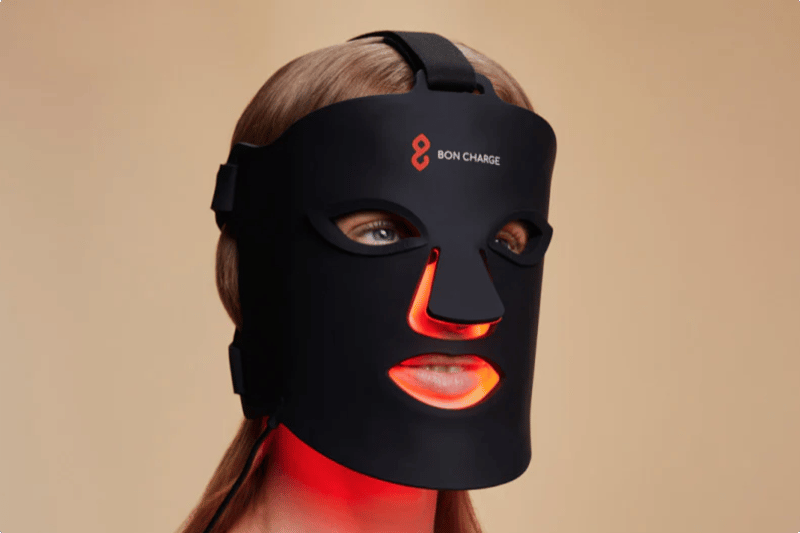
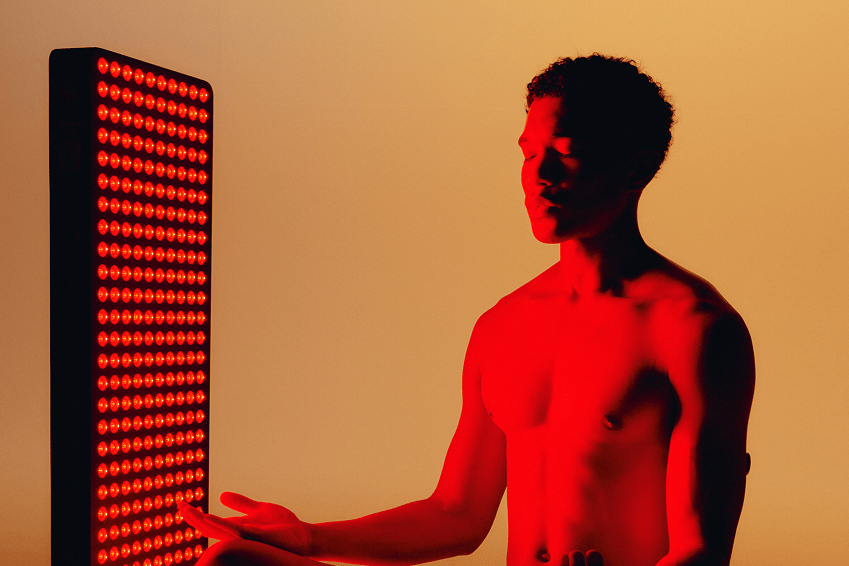
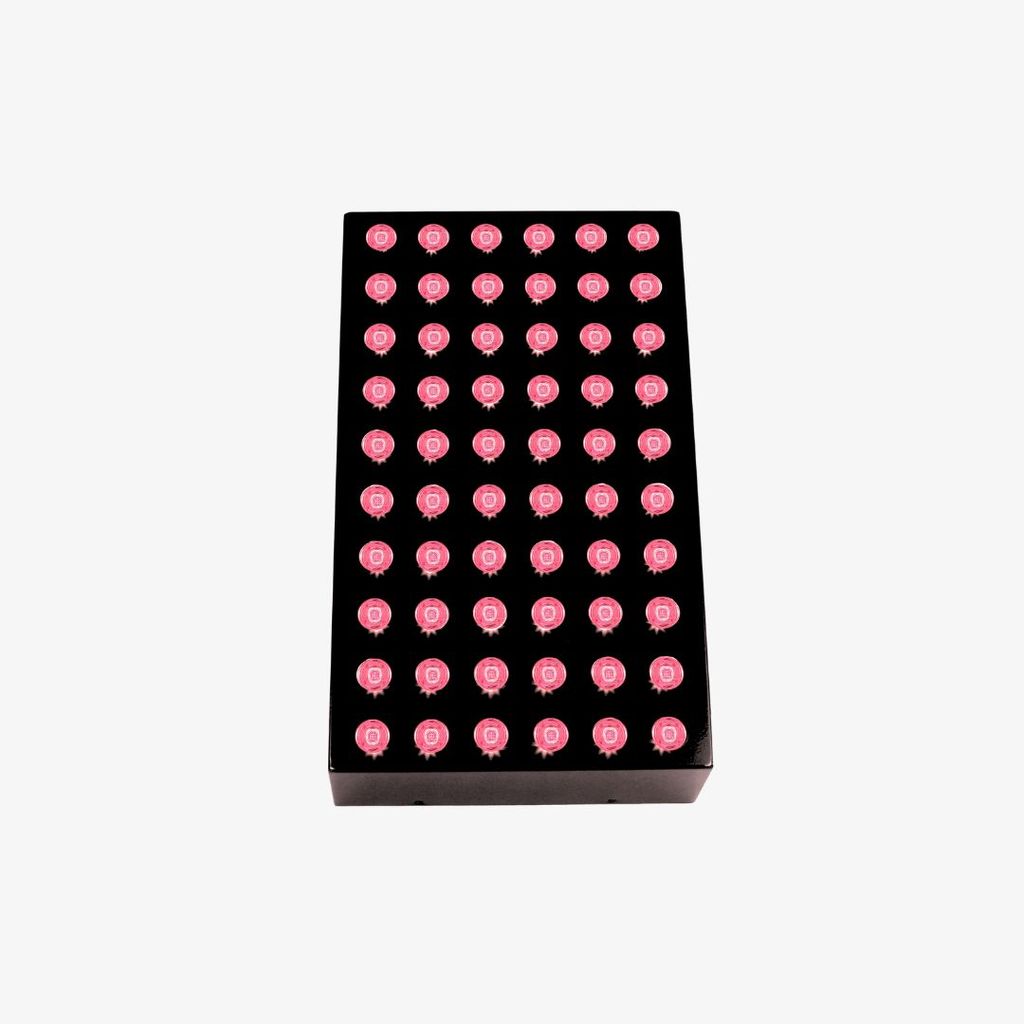
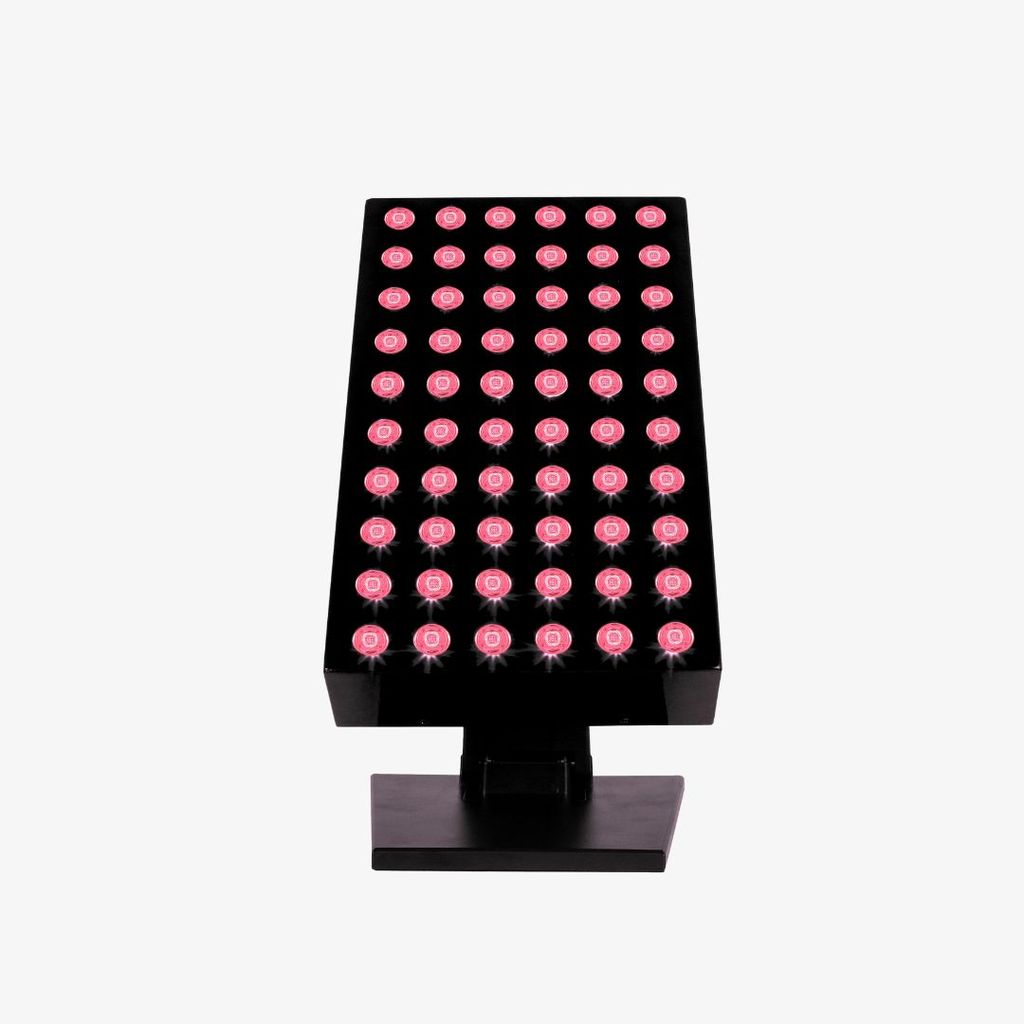
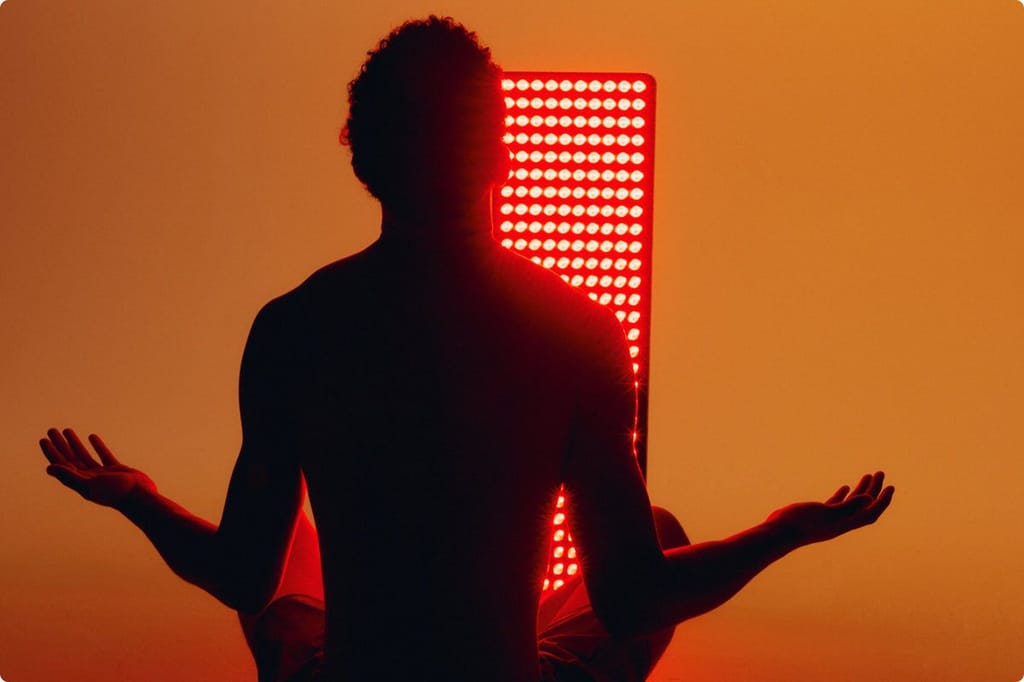
Top tip: Spend 10-15 minutes using red light therapy in the evening to support winding down before bed. We love sitting or lying in front of the BON CHARGE’s Demi Red Light Therapy Device post-bath.
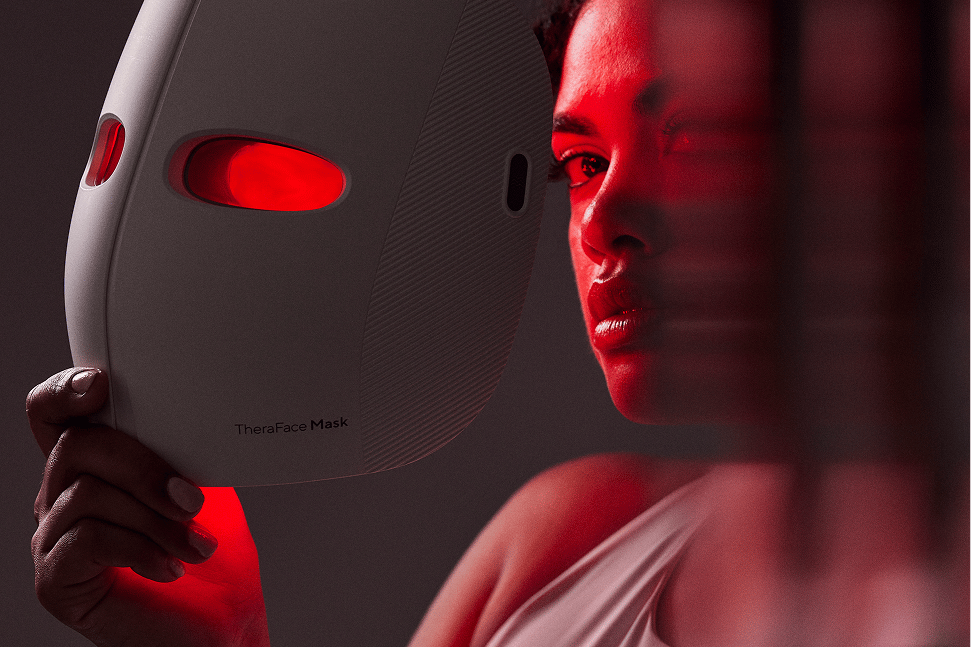
Why it works: Red light does not suppress melatonin like blue or white light, making it ideal for signaling evening and preparing the body for sleep. “Red light therapy can help wind down, support melatonin production and improve sleep quality,” explains Dr Charlie.
Exposing your eyes or skin to red light before bedtime cues the brain that night is coming, promoting relaxation, improving sleep onset, and helping the body maintain synchronisation even as daylight decreases. Scientific studies support this approach. Research shows that evening red light can enhance sleep quality while maintaining normal melatonin production, helping the body stay aligned with its circadian rhythm. Another study found that red light exposure improved sleep efficiency and mood.
Adjust your meal timing slightly
Top tip: Shift breakfast, lunch, and dinner by 10-15 minutes per day leading up to the clock change and aim for consistent meal times.
Why it works: “Keeping meals consistent or moving them gradually can help your digestive and immune systems adjust,” says Jenna Macciochi. Meals act as a cue for your circadian rhythm, particularly for digestion and metabolism. Eating too late or inconsistently can confuse your internal clock, leading to disrupted sleep, energy dips and impaired immune function. Aligning meal times helps the body anticipate activity, digestion, and repair cycles. Studies show that timed feeding can improve circadian alignment and metabolic health.
Get moving… at the right time
Top tip: Schedule your workouts in the morning or early afternoon if you can and avoid intense evening exercise as these may delay or disrupt sleep. Why it works: “Similar to eating, try to move at regular times, ideally with some activity soon after waking,” says Dr Charlie. Morning movement reinforces alertness signals, aligns body temperature rhythms, and supports circadian entrainment, while late-night exercise can delay melatonin release and make falling asleep harder. Even small bouts, like a brisk walk, amplify the effects of morning light. This study found that daily exercise facilitated phase delays of circadian melatonin rhythms, suggesting that regular physical activity can help realign circadian timing and improve sleep quality.
Be even more mindful of caffeine and alcohol consumption
Top tip: Avoid caffeine after 2pm (or earlier if you can) and reduce alcohol intake during the adjustment period.
Why it works: “Alcohol may initially induce sleepiness but it fragments sleep cycles and can make adaptation slower,” explains Dr Charlie. Caffeine delays melatonin release, while alcohol disrupts sleep architecture, both of which make it harder for your circadian rhythm to adjust. Limiting these substances supports natural sleep-wake cues and hormone regulation, ensuring your body can recalibrate efficiently after the clock changes.
Do it for your immune system
Top tip: Keep sleep schedules, morning light exposure and meals consistent before and after the clock change to help you feel your best and keep your defenses strong.
Why it works: “For the health-engaged, the message is: don’t underestimate the role of your body clock in immunity. The immune system follows daily rhythms, so keeping your circadian cues aligned supports frontline defenses while also helping recovery processes during sleep,” explains Jenna. Key immune cells (like neutrophils and macrophages) are more active and efficient when your circadian rhythm is stable. Misaligned sleep, irregular meals or reduced daylight exposure can reduce immune efficiency, making it easier to get sick or recover more slowly.
Research shows that circadian alignment strengthens immune responses and aids recovery from infection and that morning light boosts immune function. Even simple strategies like the ones mentioned above can help keep your immune system running optimally as your body adapts to the time change.
A quick cheat sheet to stick to before, during and after the clock change
Morning
Step outside for 20–30 minutes of sunlight.
Eat breakfast at a consistent time.
Move your body: walk, stretch or do light exercise.
During the day
Keep lunch and other meals consistent.
Limit caffeine to the morning and certainly not after 2pm.
No caffeine after 2pm.
Evening
Dim lights and reduce screen time 1–2 hours before bed.
Use red light therapy or do a calming wind down ritual like meditating.
Avoid alcohol close to bedtime.
Avoid late night workouts or intense exercise.


This article is for informational purposes only, even if and regardless of whether it features the advice of physicians and medical practitioners. This article is not, nor is it intended to be, a substitute for professional medical advice, diagnosis, or treatment and should never be relied upon for specific medical advice. The views expressed in this article are the views of the expert and do not necessarily represent the views of Healf
Samantha Nice is a seasoned wellness writer with over a decade of experience crafting content for a diverse range of global brands. A passionate advocate for holistic wellbeing, she brings a particular focus to supplements, women’s health, strength training, and running. Samantha is a proud member of the Healf editorial team, where she merges her love for storytelling with industry insights and science-backed evidence.
An avid WHOOP wearer, keen runner (with a sub 1:30 half marathon) hot yoga enthusiast and regular gym goer, Samantha lives and breathes the wellness lifestyle she writes about. With a solid black book of trusted contacts (including some of the industry’s leading experts) she’s committed to creating accessible, well-informed content that empowers and inspires Healf readers.