













































_2026-10-13_14-11-48.png)


Do You Know The Difference Between Omega's And Fatty Acids?

Written by: Olivia A Ferragamo
Written on: 20 October 2024
Omegas are fatty acids and play a vital role in the body. They come in different varieties each with their own properties, benefits and dietary sources. Let's look at them individually and pinpoint their differences, potential risks and where to find them in our diets.
Omega 3 Fatty Acids
What is Omega-3?
Omega-3 fatty acids are polyunsaturated fats that are essential for human health because the body cannot produce them on its own. They have to be obtained through diet.
There are mainly 3 types of Omega 3:
ALA (Alpha-linoleic acid): This is the type found in plants like chia seeds, flaxseeds and walnuts.
EPA (Eicosapentanoic acid): This is the type found in seafood, fish and in algae.
DHA (Docosahexaenoic acid): Found also mainly in fish and algae and is crucial for brain and eye health.
What are the benefits of Omega-3?
The key benefits of Omega 3 are its potent anti-inflammatory properties which are extremely beneficial for:
Heart Health: lowering blood pressure thus reducing the risk of heart disease and preventing blood clotting formation.
Brain function: Aids in Cognitive development and helps reduce the risk of depression, dementia and Alzheimer’s disease.
Joint Health: Helping with all inflammatory conditions and relieving symptoms of rheumatoid arthritis.
Eye Health: It plays a key role in maintaining good retina function helping prevent degeneration.
Dietary Sources:
Oily Fish: 'Fatty Fish' like Salmon, Mackerel, Anchovies, Sardines and Herring (SMASH) are a powerhouse of omega 3.
Plant oils: Flaxseed oil, chia seeds and hemp seeds are plant-based alternatives
Algae oil: A vegetarian source of EPA and DHA sourced from the sea
Omega-6 Fatty Acids
What is Omega-6?
Omega 6 is also a polyunsaturated fat like Omega 3 but is naturally higher in our western diets so we have to be more mindful and careful to balance between Omega 3 and 6. This therefore ensures we are not getting too much of the 6 that can promote inflammation if consumed in excess, thus putting us at risk for chronic diseases such as arthritis and heart disease. The most common type is Linoleic acid (LA) which the body then converts to arachidonic acid (AA) which is an important part of cell membranes.
What are the benefits of Omega-6?
Although we should be mindful of our consumption this fatty acid is beneficial when consumed in appropriate amounts.
Skin and hair: it is very hydrating and will nourish hair skin and nails.
Bone Health: Enhances calcium absorption.
Metabolism: Helps maintain a healthy weight.
Nerve Function: Promotes good neurological health and all nerve signalling.
What are the dietary sources of Omega 6?
Vegetable oils: Sunflower oil, soybean oil, corn oil.
Nuts and seeds: Pumpkin seeds, sunflower seeds and walnuts.
Processed food: Usually they are very high in Omega 6 due to the high content of seed oils that are extremely inflammatory to the body.
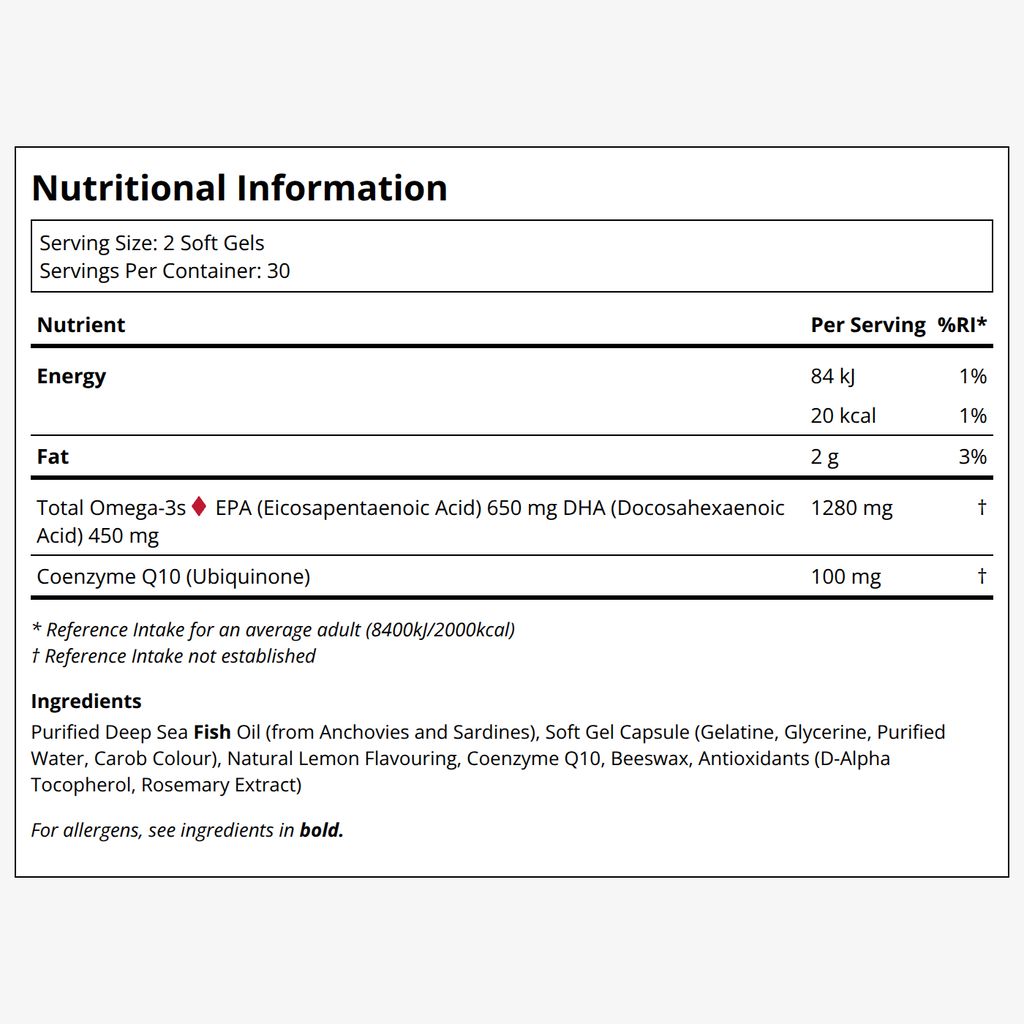
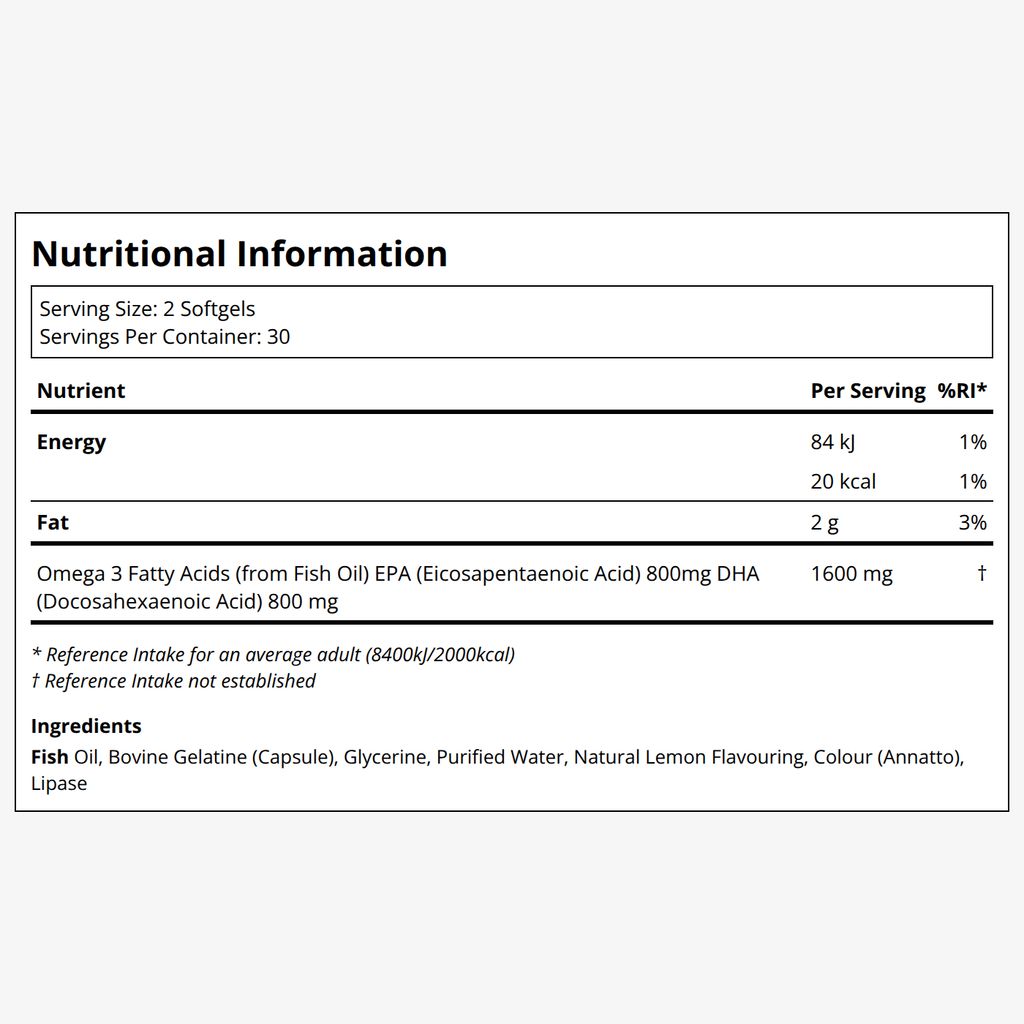
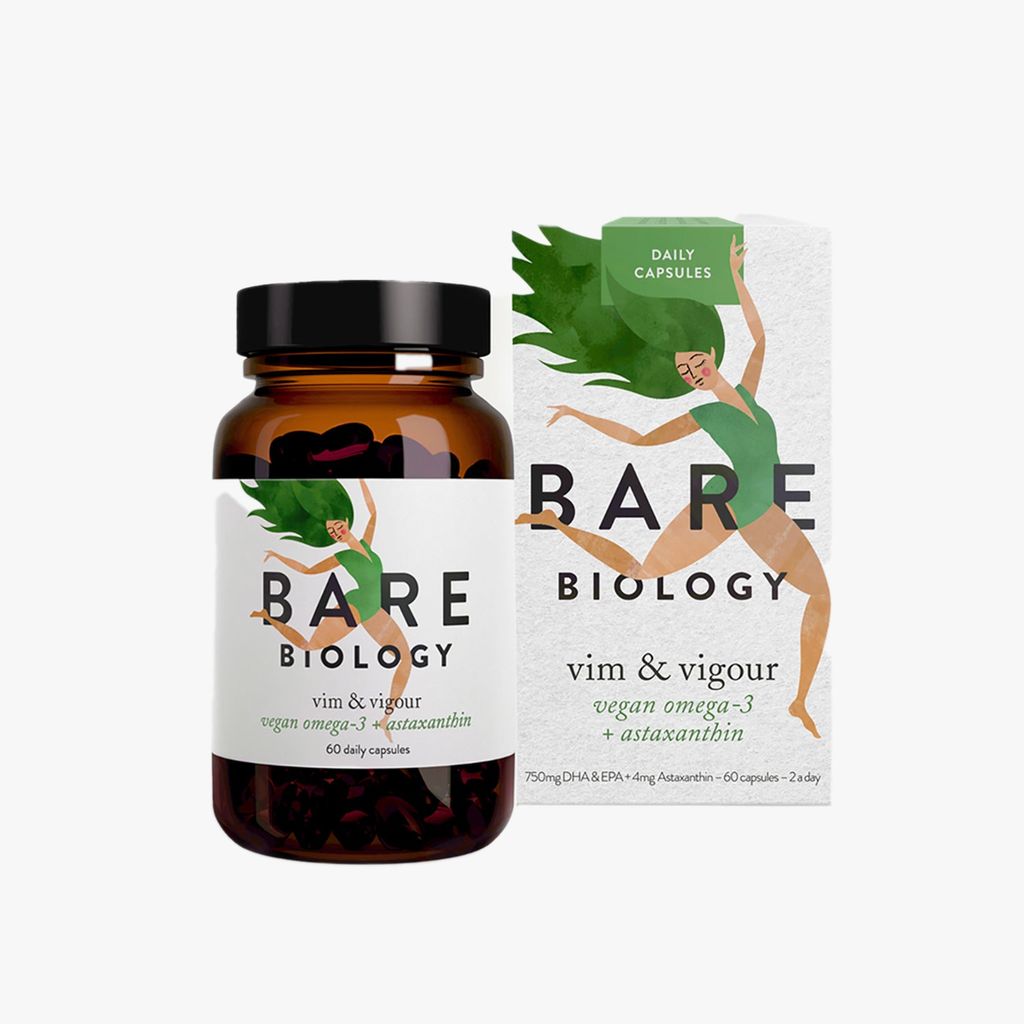
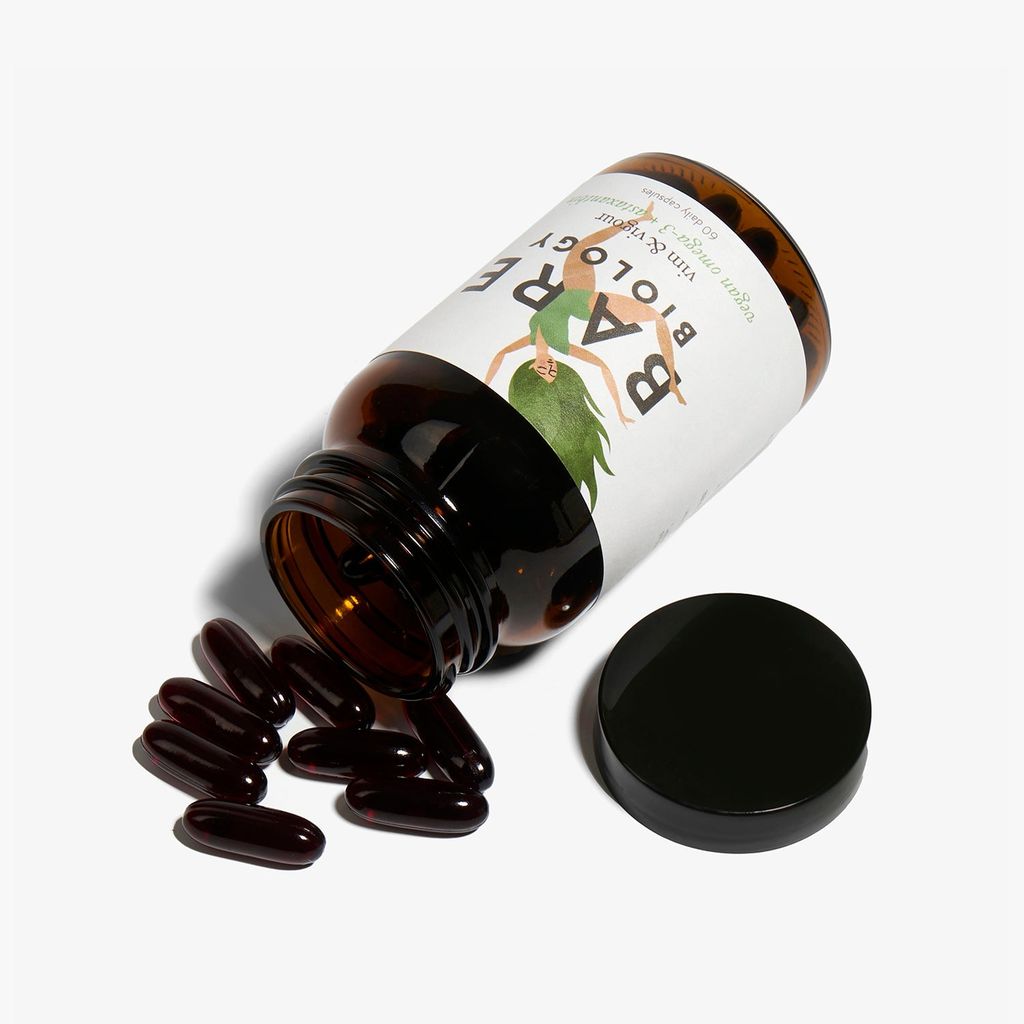
Healf Omega Collection:


What is Omega 7?
Omega 7 is less well known than the other omegas as it is a non essential fatty acid, meaning the body can produce them but dietary intake can still be beneficial. The most well known form of Omega 7 is palmitoleic acid (PA) which has its own unique properties as opposed to the other omegas.
Benefits of Omega 7:
Metabolic Health: It helps promote healthy blood sugar levels by reducing insulin resistance.
Skin Health: A natural moisturiser to the skin as well as the eyes and internal linings.
Inflammation: It has anti-inflammatory effects leading to better heart health.
Dietary sources of Omega 7:
Sea buckthorn oil: The richest source of omega 7 available.
Macadamia nuts: These have a higher omega 7 content than other nuts.
Dairy: Some have been found in full fat dairy.
What is Omega 9?
Another 'non essential' fatty acid, meaning the body can produce it even without dietary intake, but is required for optimal health and wellbeing. The most common form of Omega 9 is Oleic Acid.
What are the benefits of Omega 9?
Heart: Omega 9s help lower the bad cholesterol known as LDL and increase HDL which is known as the good cholesterol.
Inflammation: Helps to lower inflammation in the body.
Weight management: Can help reduce the risk of obesity when incorporated into a balanced diet.
Energy: It helps to reduce fatigue and enhance physical endurance.
Dietary sources of Omega 9 include:
Olive oil: This is the primary source of Omega 9 as its rich in oleic acid.
Nuts: Almonds, hazelnuts and peanuts are all good sources of omega 9.
Avocados: Have a good amount of omega 9 and similarly does Avocado Oil
What is C15:0? The latest fatty acid discovery
C15:0 fatty acid is pentadecanoic acid which is an odd-chain saturated fatty acid that has some great health benefits. Unlike the other even-chained saturated fatty acids that can have adverse side effects.
Benefits of C15:0
Cellular Health: Strengthens cell membranes making them more resilient to damage thus reducing cellular aging.
Anti-inflammatory: inflammation is lowered regulating the immune system.
Metabolic health: Supports metabolism by improving insulin sensitivity and regulating cholesterol levels, increasing the good HDL and reducing the bad LDL.
Neuroprotective: Preventing neurodegenerative conditions and reducing oxidative stress to the nervous system.
Longevity: in animal studies it has been shown to extend lifespan and improve health in older age due to the previous benefits listed.
Dietary Sources:
Whole fat dairy products: Milk, butter, cheese, cream and yoghurt.
Fish: Mainly cold water fish such as salmon, sardines and herring which also contain omega 3.
Red Meat: Beef, lamb and organ meats ideally those that are grass-fed seem to have more than the grain-fed livestock.
Our modern western diets are generally loaded with omega 6s and not enough omega 3s which can lead to an imbalance causing inflammation. When looking to optimise our wellbeing - a ratio of 1-1 would be ideal but our current western diets lean closer towards 15-1.
With this in mind, it's important to make sure one increases the intake of Omega 3 to counterbalance this by eating more fatty fish, flaxseeds or supplementing with an omega 3 supplement. Try to reduce omega 6 intake by being aware of foods containing added seed oils as well as processed foods. Another good idea is to add more omega 7 and 9 to your diet for their added health benefits.
Omega oils 3, 6,7 and 9 each have their unique properties in promoting overall wellbeing. Omega 3 and 6 are essential fats that must come from diet as the body is unable to produce them but Omega 7, 9 and C15:0 fatty acids are equally beneficial. These fats hold a crucial space for anti-inflammation, cardiovascular and brain health and overall energy and vitality.


This article is for informational purposes only, even if and regardless of whether it features the advice of physicians and medical practitioners. This article is not, nor is it intended to be, a substitute for professional medical advice, diagnosis, or treatment and should never be relied upon for specific medical advice. The views expressed in this article are the views of the expert and do not necessarily represent the views of Healf