
































_2026-10-13_14-11-48.png)


Does 15 Minutes Of FGF21 Activity Support Brain Health?
Short daily movement routines could change the course of future brain health, as well as having immediate benefits for sharpened focus, stress reduction and productivity. When 15 minutes in a day is all you have, it still counts for a lot.

Written by: Pippa Thackeray
Written on: 24 June 2025
If your schedule today is already filled to the brim by breakfast, back-to-back meetings, constant notifications, and a never-ending to-do list, the good news is that scientific research shows that 15 minutes of intense activity is more than adequate to support our physical health and the health of the brain.
You might not even need to attend the gym to get the benefits. Medium to high-intensity activities such as skipping, climbing and HIIT can all sharpen reaction time, memory and decision-making, with effects lasting up to 5 years into the future, more on this later.
The real payoff for your brain
HIIT exercises and similar may get an unfair reputation as ‘quick fixes’, but they truly do have a place in your wellbeing routine, and here’s why.
Every time you get your heart rate up, you trigger the release of neurochemicals that support brain plasticity and cognitive performance. You’re strengthening pathways responsible for clarity, focus and planning.
Introducing FGF21
FGF21, or fibroblast growth factor 21, is a hormone produced by various metabolically active tissues, primarily the liver, that plays a role in regulating energy, as well as modulating circadian rhythms, and neuroprotection. FGF21 has been seen to increase in both short bursts of high-intensity exercise and resistance training.
Lowering dementia risk
Researchers found that doing just 35 minutes of moderate to vigorous movement a week (equal to less than six minutes a day) reduced the risk of developing dementia by 41% over four years.
In contrast to consistent inactivity, this represents a considerable return for a relatively small effort. It’s yet another strong example that even minimal movement has long-lasting impact on brain health and cognitive ageing. Moreover, the more the participants moved, the better the results, with those doing over two hours a week seeing risk drop by nearly 70%.
What can be taken from these findings is that if you repeat this form of high-intensity exercise regularly every week, your brain begins to rewire. It can help a person become quicker and more adaptable, at any age.
Building brain strength and memory function that lasts
As a long-term investment, regular short sessions help preserve the areas of the brain linked with memory and learning. They also support your ability to handle change and stay focused under pressure.
One study showed that participants who engaged in a year of regular short bursts of aerobic exercise maintained significant cognitive benefits even 5 years later. Those initial gains in hippocampal-dependent learning and memory, as measured by improvements in a memory test, did not decline over time for those who incorporated movement, indicating a lasting impact.
This suggests that consistent movement not only improves brain function in the short term but helps preserve it well into later life without even requiring continued intervention.
Movement and learning capacity
In a Forbes article, a study was discussed in which three groups of students watched the same 50-minute online lecture. One group took three short breaks to do light movement like simple calisthenics. Another group used those breaks to play video games. The third group powered through with no breaks at all.
All of them were tested during and after the session to see who stayed focused and who actually remembered the content. The group that moved came out on top.
They paid better attention during the lecture and remembered more after it finished, both immediately and up to two days later. Just a few minutes of light movement made their brains sharper and their learning stayed with them as a consequence.
Neurodiversity and short bursts of exercise
A review of multiple studies found that short bursts of aerobic movement (often under 20 minutes) improved attention, working memory and inhibition in people with ADHD. In several cases, the benefits were stronger than those seen in neurotypical participants, especially after single sessions of aerobic exercise.
Fast-track your calm
A short, intense session of movement can help regulate the part of the brain involved in panic and overwhelm. It does this by increasing endorphins and adjusting the levels of stress hormones that can easily spike under pressure. Within minutes, it is possible to report a clearer head and a more stable mood.
Research confirms that even a single session of physical activity can reduce anxiety. It highlights that exercise affects several key systems in the brain, including increases in endorphins and shifts in serotonin and dopamine. It also influences the hypothalamic–pituitary–adrenal axis, which plays a central role in how we respond to stress.
These combined effects explain why short bursts of movement are often enough to lower stress quickly and support better mental control.
Small sessions still work on slow days
Not every day is built the same. It is common (and human) to feel less energetic on occasion.
On days like this, a HIIT workout or something of a similar intensity just might not be suitable. Instead, gentler exercise forms will suffice.
Studies show that light movement boosts memory, decision-making and other factors associated with brain performance. Therefore it’s clear that regular exercise is one of the simplest and most effective ways to protect and sharpen your mind. From this, it can be suggested that a combination of gentle and intense movement in your routine promotes the brain-health benefits of exercise.
Nature upgrades the effect
Green spaces make the brain upgrades from exercise even more powerful.
Moving outdoors can be attributed to an extra layer of calm and focus, in that the brain responds to natural light, colour and open air in ways that might be unmatched in indoor settings.
You don’t need to be far out in the country either, just being around plants and trees around a city is enough to break away. Studies report that a 10 minute outdoor break improved immediate cognitive performance by 5%.
Current research points to a key theory behind this effect. According to Attention Restoration Theory, natural environments help restore mental focus when it's been drained. It may help explain why outdoor movement feels different (and often works better) for clearing your head and sharpening attention.
Build your own routine
Move in a way that feels right for your body. Something you enjoy, or feel truly rejuvenated from will allow you to stick to a consistent routine. Aim for four to six sessions a week, and, depending on your fitness level and other lifestyle factors, perhaps keep one or two lighter to avoid burning out.
To keep track of improvements, add a quick check-in before and after each session, journaling or tracking progress via an app or wearable. Even just one word about your mood or energy is enough to track what actually works for you on a personal level.
Supporting the habit
A few well-chosen tools can make daily movement easier to stick with and more effective:
- WHOOP Life MG fitness wearable: tracks stress, sleep, recovery and effort, so you know exactly when to move and when to rest.
- Bala Bangles: A range of ankle and wrist weights to add constant but comfortable resistance to your workout.
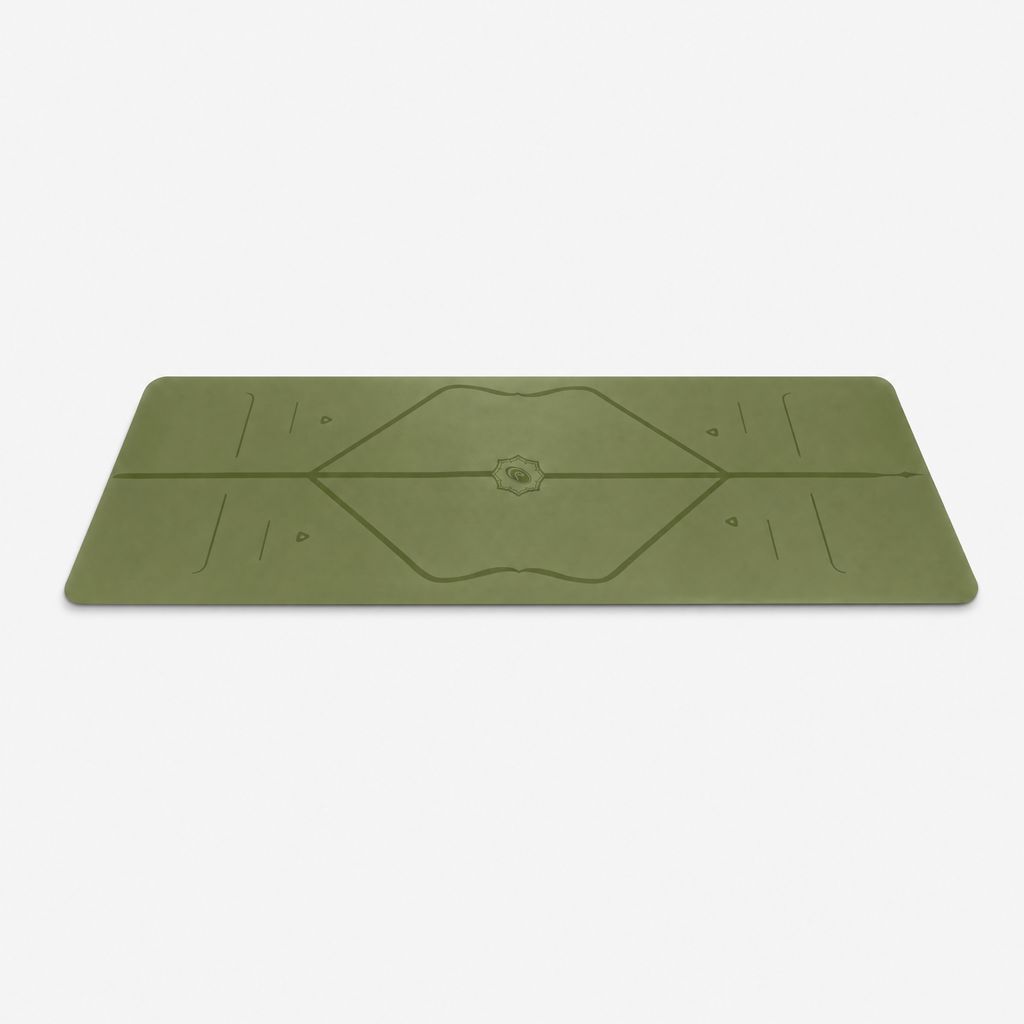
- Liforme Classic Yoga Mat: Super grippy, non-toxic, and built with alignment markers for better control. A solid base for mobility or stretches.

What to remember
Just 15 minutes of movement can deliver hours of sharper focus. It proves that it's possible to use your time wisely to boost your mood, strengthen your mental clarity and help regulate stress, whatever your schedule dictates of you.
Over time, a commitment of this sort builds long-term brain resilience, keeps the grey matter of the brain strong and protects your ability to think clearly as you age.
You don’t have to train hard every day, because even light movement like walking has a positive impact, especially if you take it outside.
Time to refresh your daily movement?
Choose the movement you enjoy. Use simple tools that remove friction. And track how you feel. Avoid a data overload, with streamlined wellbeing tech . This is a movement designed for modern life. And it works because it’s adaptable and doesn’t demand more time, just smarter use of the time you already have.
Shop MOVE at Healf and turn those 15 minutes into your clearest, calmest, most productive self.




This article is for informational purposes only, even if and regardless of whether it features the advice of physicians and medical practitioners. This article is not, nor is it intended to be, a substitute for professional medical advice, diagnosis, or treatment and should never be relied upon for specific medical advice. The views expressed in this article are the views of the expert and do not necessarily represent the views of Healf
Pippa is a content writer and qualified Nutritional Therapist (DipNT) creating research-based content with a passion for many areas of wellbeing, including hormonal health, mental health and digestive health.
As a contributor to The Healf Source, she regularly attends seminars and programmes on a plethora of contemporary health issues and modern research insights with a drive to never stop learning. In addition, interviewing experts and specialists across The Four Pillars: EAT, MOVE, MIND, SLEEP.
In her spare time, she is an avid swimmer, mindfulness and yoga lover, occasionally bringing a raw, honest approach to the topics she faces. You may also discover some personal accounts of eye-opening wellbeing experiences amidst the reality of a disorientating, and often conflicting, modern wellbeing space.