





























_2026-10-13_14-11-48.png)


The Gut-Hormone Connection And How To Support GLP-1
Why your gut is the starting point for stable energy, balanced appetite and optimal metabolic health according to Wild Nutrition’s Head of Nutrition…
Written by: Isabelle Nunn MPHARM (Hons) Dip NT, Head of Nutrition at Wild Nutrition
Written on: 15 December 2025
Your gut doesn’t just digest food… it speaks to your hormones, your appetite, your metabolism and even your brain. One of the most important links in this conversation is GLP-1, a hormone now widely discussed thanks to medications like ozempic and semaglutide. But before pharmaceuticals entered the picture, your body has always made its own GLP-1 naturally and your gut microbiome plays a major role in how much you produce.
Understanding how your gut and hormones communicate helps explain everything from steady energy and stable appetite to why some people struggle with blood sugar regulation. The good news is that there is a lot you can do nutritionally to support this system. Here, Isabelle Nunn, Head of Nutrition at Wild Nutrition tells all.
The gut-hormone connection
Before we look at GLP-1 specifically, it helps to understand just how deeply the gut and hormone systems interact. The gastrointestinal tract is not only responsible for nutrient absorption but also functions as a main endocrine organ. Gut microbes interact with host cells to influence hormone synthesis, metabolism, and signalling. These interactions occur through microbial metabolites (such as short-chain fatty acids), modulation of the immune system and communication through neural pathways including the vagus nerve.
Influence on systemic hormone levels
The gut microbiota can alter circulating concentrations of sex hormones, metabolic hormones and appetite-regulating peptides. It does so by transforming hormonal precursors, modifying hormone clearance in the liver, and influencing receptors that regulate hormone release.
Bidirectional signalling
Hormones also impact the composition and behaviour of gut microbes. For example, fluctuations in sex hormones can shift microbial balance, which in turn further influences the hormonal environment. This creates a dynamic feedback loop in which the gut and endocrine system continually regulate one another.
What is the gut microbiome?
It is a complex internal ecosystem and the largest microbial community in the human body, composed of trillions of microorganisms like bacteria, fungi and viruses. These organisms collectively contain a genetic repertoire far exceeding that of the human genome, with microbial gene expression estimated to be over 100 times greater.
More than a thousand bacterial species have been identified in the human colon, and each individual hosts a unique composition of at least 150-160 species. This diversity is crucial, as the richness and balance of microbial populations directly influence digestive, metabolic and immune functions.
It is also a key determinant of health. Alterations in microbial composition, be it through diet, antibiotics, stress, or illness, are linked to metabolic dysregulation, inflammation and hormonal imbalances. A resilient, diverse microbiome is now considered a key marker of long-term health.
How is our gut microbiome linked to hormone regulation?
Sex hormones (oestrogen, progesterone, testosterone) Specific bacteria collectively known as the estrobolome regulate the metabolism and re-circulation of oestrogen and related hormones. Dysbiosis can disrupt this process, contributing to hormonal symptoms or metabolic conditions. Microbes also influence androgen and progesterone pathways through enzyme production and immune signalling.
Appetite and energy regulating hormones The gut microbiome shapes the release of key appetite hormones, including: 1. Leptin: Microbial metabolites can improve leptin sensitivity, influencing satiety signals. 2. Ghrelin: Certain microbial profiles modulate ghrelin secretion, affecting hunger cues. 3. GLP-1: The microbiome plays a critical role in stimulating GLP-1 production via fermentation products such as short-chain fatty acids (e.g., butyrate and propionate). These metabolites act on intestinal L-cells to enhance the natural endogenous release of GLP-1 hormone.
Gut–brain axis and neuroendocrine regulation Through neural pathways and neurotransmitter production, our gut microbes influence stress hormones including cortisol, which in turn affect appetite, digestion, and metabolic regulation.
What GLP-1 actually is
GLP-1 stands for Glucagon-Like Peptide-1. It is an incretin hormone released primarily from L-cells in the small intestine in response to food intake. It exerts several metabolic effects including:
Signalling satiety to the brain, reducing appetite and food intake.
Slowing gastric emptying, prolonging fullness.
Stimulating insulin release while suppressing glucagon, helping maintain stable blood glucose levels.
So why is GLP-1 central to weight and glucose regulation?
Well this is essentially because GLP-1 directly affects hunger, digestion and insulin secretion, it plays a pivotal role in post-meal metabolic control. Impaired GLP-1 responses are associated with metabolic disorders such as type 2 diabetes, obesity, and insulin resistance. GLP-1 agonist medications (such as ozempic or semaglutide) mimic the natural GLP-1 hormone. They boost insulin response when needed, reduce appetite, and lower blood glucose. Their effectiveness underscores the importance of the body's own GLP-1 system.
How to support the natural production of GLP-1
You can support natural GLP-1 production in a few different ways. Before focusing on gut-based strategies to boost GLP-1, let's take a look at some examples.
Time-restricted eating (TRE) Eating within a defined daily window improves metabolic flexibility and has been shown to increase endogenous GLP-1 secretion. TRE helps stabilise blood glucose patterns and reduces inflammation, supporting both gut microbial diversity and hormone regulation. As a women’s health specialist, I would always favour TRE over ‘intermittent fasting’ as a long period of fasting isn’t necessarily the best option for women particularly if they are at certain lifestages.
Exercise Regular physical activity enhances GLP-1 release, improves insulin sensitivity and promotes a more diverse microbiome. Both aerobic exercise and resistance training stimulate metabolic pathways that increase responsiveness.
Stress and eating behaviours Chronic stress elevates cortisol, which can blunt GLP-1 signalling, disrupt appetite regulation, and negatively affect gut microbial balance. Eating in a relaxed state supports digestive hormone release, including GLP-1. Examples of eating in a relaxed state include mindful meals, a slower pace and reduced multitasking.
How to support the natural production of GLP-1… starting with the gut
This starts with the nutrition we feed into our bodies, as this then feeds the microbes that feed your GLP-1. Here are my top tips:
Increase dietary fibre Fibre is the primary fuel source for beneficial gut bacteria. Fermentable fibres (from wholegrains, legumes, vegetables, seeds, nuts) promote the production of short-chain fatty acids, which directly stimulate GLP-1 release. Try to incorporate high-fibre snacks, add herbs, spices, and seeds to meals for additional prebiotic benefits, eat your vegetables with the skins and swap white refined flours and carbohydrates for fibre dense versions like those from spelt, buckwheat or rye.
Reduce your intake of ultra-processed foods Ultra-processed foods lack fermentable substrates and often contain additives that may impair microbial balance. Reducing reliance on them supports healthier GLP-1 signalling and stabilises appetite regulation.
Increase your protein intake Adequate protein enhances satiety and stimulates GLP-1 release. Protein-rich meals (especially when combined with fibre) produce a stronger incretin response and more stable post-prandial blood glucose levels. Think a chicken casserole with pulses, a variety of colurful vegetables and a side of brown rice. Or for a plant-based version a tofu stir fry with soba noodles, choi sum, mushrooms and sesame seeds as topping.
Include healthy fats Unsaturated fats, like those derived from good quality olive oil, unroasted and unsalted nuts and seeds, avocados and oily fish, can help support gut lining integrity and modulate inflammation. They also help slow gastric emptying, supporting GLP-1’s natural action and enhancing fullness cues.
Maximise on your polyphenol intake Polyphenols are bioactive compounds found in plants that act as prebiotics, selectively nourishing beneficial gut bacteria. Many polyphenols are metabolised by microbes into compounds that enhance short-chain fatty acid production and reduce inflammation - both of which are linked to improved GLP-1 secretion.
Good sources include: hibiscus extract, green tea (rich in l-theanine and catechins), lemon verbena, berries (blueberries, blackberries, raspberries), pomegranate, cocoa, olives and extra-virgin olive oil, colourful vegetables (red cabbage, beetroot), herbs such as rosemary, thyme and oregano. These compounds support microbial diversity, strengthen gut barrier function and modulate metabolic pathways that influence satiety and incretin release.
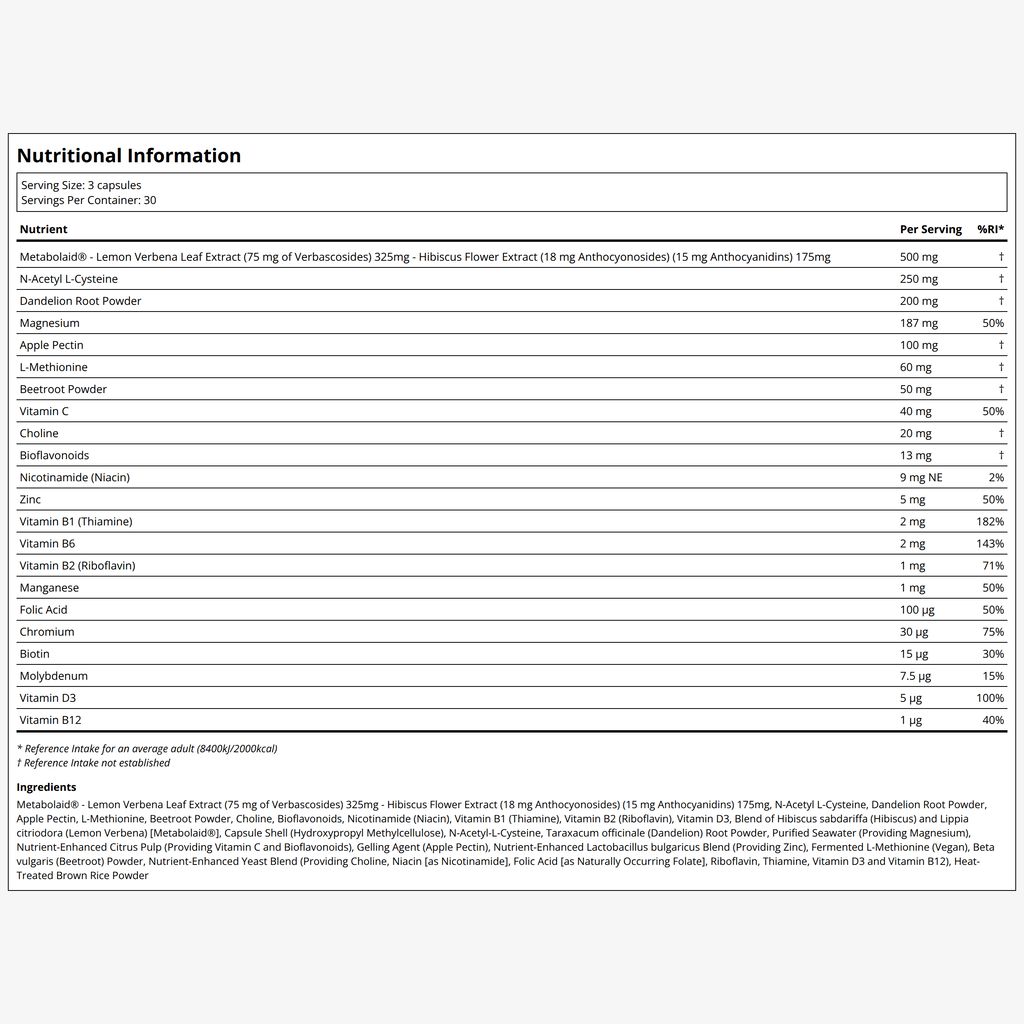
You will also find a polyphenol-rich blend of lemon verbena and hibiscus extracts in MetabolaidⓇ which is included at the scientifically backed dose of 500mg in our Wild Nutrition Weight Management Support. Backed by scientific research for its impact on gut health, satiety and hunger hormones including GLP-1, metabolic function, antioxidant support, cardiovascular health and muscle mass, it is a key ingredient in the formula.
It’s great for providing the nutrients to nourish your body and mind, while undergoing a weight management transition.

Your most asked GLP-1 questions, answered
Can you naturally increase GLP-1 through diet?
Yes. Certain dietary patterns and nutrients can stimulate your body’s own GLP-1 production. Fibre-rich foods, polyphenols, healthy fats and adequate protein all support the gut microbes that produce short-chain fatty acids - key activators of GLP-1 release. Eating in a relaxed state and maintaining regular meal timing also help optimise digestive hormone signalling.
How does gut health affect GLP-1 levels?
Your gut microbiome plays a direct role in GLP-1 secretion. Beneficial bacteria ferment fibre into short-chain fatty acids (like butyrate and propionate), which act on intestinal L-cells to boost natural GLP-1 production. A diverse, balanced microbiome generally supports stronger GLP-1 responses, while dysbiosis can blunt them.
Does improving gut health help with weight regulation?
Yes… partly because the gut influences appetite hormones such as GLP-1, leptin and ghrelin. A healthier gut microbiome promotes better satiety signalling, improved blood sugar stability and reduced inflammation, all of which contribute to more balanced metabolism and more consistent energy levels.
What foods are best for supporting GLP-1 naturally?
Fibre-rich foods (wholegrains, legumes, nuts, seeds, vegetables), polyphenol-rich plants (berries, green tea, lemon verbena, hibiscus, cocoa), healthy fats and high-quality proteins all support natural GLP-1 production. These foods nourish beneficial gut bacteria, stabilise blood sugar following meals and help prolong fullness.
Is GLP-1 only relevant for those taking weight-loss medications?
Not at all. GLP-1 is a hormone everyone produces and it plays a central role in appetite, digestion and blood glucose regulation. Supporting your natural GLP-1 response is helpful whether or not you take GLP-1 medications, particularly if you want steadier energy, better metabolic health or more consistent appetite cues.
Can lifestyle changes boost GLP-1 as well as diet?
Yes. Time-restricted eating, regular exercise and stress management have all been shown to support GLP-1 secretion and increase metabolic flexibility. Because cortisol can suppress GLP-1 signalling, practices that lower stress (such as slower meals, breathwork, mindfulness or better sleep) can meaningfully improve GLP-1 responsiveness.




This article is for informational purposes only, even if and regardless of whether it features the advice of physicians and medical practitioners. This article is not, nor is it intended to be, a substitute for professional medical advice, diagnosis, or treatment and should never be relied upon for specific medical advice. The views expressed in this article are the views of the expert and do not necessarily represent the views of Healf