






















_2026-10-13_14-11-48.png)

The Stomach Bug Recovery Guide: Best Products, Proven Remedies & What Not To Do
From rehydration heroes to targeted probiotics, consider this your science-backed toolkit for faster recovery and proper gut repair…
Written by: Samantha Nice
Written on: 1 December 2025
Stomach bug season is firmly here, and honestly? There’s no polite way to describe it. Whether it’s norovirus, food poisoning, or one of those fast-moving gastro bugs circulating offices and group chats, the symptoms are universally grim: nausea, cramping, diarrhoea, bloating, chills, a complete loss of appetite… and an immune system doing its best.
The good news? Most stomach bugs resolve on their own but what you do in the first 24-48 hours can dramatically influence how quickly you recover.
Despite what TikTok and other online wellness hacks may say, most popular “gut fixes” can actually make things worse and delay healing. We spoke to nutritionist Jasmine Bliss to find out the science-backed dos and don’ts, plus the supplements that can help. Consider this your no-nonsense recovery plan.
The do’s and don’ts within the first 24 hours
Do prioritise electrolytes over everything else
“The single biggest priority is fluid and electrolytes, rather than food or supplements,” says Jasmine. Hydration is where recovery begins and often where people go wrong. Why? Because vomiting and diarrhoea deplete sodium, potassium and fluids faster than you can replace them with water alone.
“Prioritise oral rehydration solution (ORS) and sip small amounts frequently rather than gulping large glasses. Electrolytes replace sodium and potassium and ORS goes a step further by adding glucose, which helps the gut pull sodium and therefore water, into the bloodstream more efficiently,” says Jasmine.
If your electrolyte mix contains no glucose, make sure you're getting a little from food once you can tolerate it.
Don’t rely on plain water alone
“Large volumes of plain water can dilute sodium,” Jasmine warns. This can worsen dizziness, prolong symptoms and rarely, lead to low sodium levels. If you can’t access ORS, broth or salted water-with-a-splash-of-juice is still better than plain water.
When to start eating again… and what
Once vomiting settles, avoid prolonged periods of not eating. Your gut actually recovers faster when you start with simple foods.
“Reintroduce light food as soon as you can tolerate it,” she says. “Include simple, low-fat, low-fibre foods like plain rice, crackers or toast, bananas, potatoes and low-fat yoghurt. Avoid heavy meals, caffeine and excessive fibre like raw salad and beans. It’s also worth skipping things like fruit juice or high-sugar drinks as they pull more water into the gut which can mean more diarrhoea.
The supplements and ingredients with the strongest evidence
ORS (oral rehydration solutions)
Not technically a supplement, but this is absolutely top tier. “As mentioned, ORS is the best-supported intervention to prevent dehydration and reduce the need for IV fluids,” says Jasmine. If you only take one thing during a stomach bug, make it this.
Zinc (mainly for children)
The WHO recommends zinc for under-5s with diarrhoea. “Studies show it can shorten illness and reduce the risk of further episodes over the next few months,” notes Jasmine. “Evidence in adults is limited.”
Probiotics (strain-specific)
The evidence here is mixed, but certain strains have solid backing. “The best-studied strain with the most consistent results is saccharomyces boulardii,” Jasmine explains.
It may modestly shorten infectious diarrhoea (by around 1 day) and it can reduce the chance diarrhoea lasts more than a week. The common researched dose is 250-500mg (5–10 billion CFU) once or twice daily for around 5 days “They’re usually well tolerated, so trying them is worth a go if someone is happy to spend the money and understands they may not noticeably speed up recovery,” says Jasmine.
Other emerging gut-lining supports
Evidence is again early but promising for these:
Glutamine
“This is the main fuel for intestinal cells,” says Jasmine. It has been shown to support intestinal permeability in surgical or critical-care patients but it’s not yet tested in simple stomach bugs.
Zinc-carnosine
Studies show it can help heal gastric injury and NSAID-related mucosal damage. “Again, there is nothing specific for viral gastroenteritis, but mechanistically it’s interesting,” she adds.
Is activated charcoal worth a go?
Whilst the internet may disagree, charcoal is not a stomach bug essential. “Activated charcoal is useful in specific cases of poisoning or drug overdose, where it can bind toxins if given within about an hour,” says Jasmine. “But for a typical stomach bug, major guidelines do not recommend charcoal as there’s no strong evidence it helps.” The possible downsides include constipation, black stools, vomiting and interference with medications. Unless a clinician specifically advises it, skip it.
The big don’ts: what not to do when you’ve got a stomach bug
1. Don’t take antibiotics “just in case”
“Most stomach bugs are viral,” Jasmine emphasises. “Antibiotics won’t help and can increase the risk of developing post-viral IBS.”
2. Don’t take mega-doses of vitamin C, magnesium or herbal laxatives
Despite being labelled “detoxifying,” they worsen diarrhoea, fluid loss and cramps.
3. Don’t take NSAIDs (like ibuprofen) on an empty stomach
“They can irritate the gastric lining and worsen nausea,” Jasmine says. Paracetamol is usually a safer choice for fever.
4. Don’t ignore red flags
Make sure you seek medical care if you have an inability to keep fluids down, very low urine output, dizziness or confusion, severe abdominal pain, high fever or symptoms lasting over 7 days.
After the bug: how to repair the gut lining and rebuild the microbiome
Once the worst is over, this is where the real healing begins. According to Jasmine, recovery from vomiting usually takes around 24-48 hours. For diarrhoea, it’s around 3-7 days. For a weakened gut lining and microbiome, it can be several weeks to perhaps even months. The risk of post-infectious IBS occurs in around 10% of sufferers with symptoms improving over 1–3 years. The risk is 4-6 times higher in those who have had an infection.
Start gently reintroducing fibre
“Gradually reintroduce fibre once your appetite returns,” Jasmine advises. “Start with gentler soluble fibres like oats, bananas, potatoes or peeled root veggies before jumping to raw salads and legumes.”
Add fermented foods
Live yoghurt, kefir, sauerkraut and kimchi are all a good idea if you can tolerate it. “These provide live microbes plus fermentation products that support gut bacteria,” says Jasmine.
Consider short-term probiotics or prebiotics
Whilst the evidence is limited, these are certainly not going to harm. Certain fibres like PHGG, inulin or GOS may support recovery.
The best Healf-approved products for super speedy recovery following a stomach bug
Best for restoring gut balance after diarrhoea
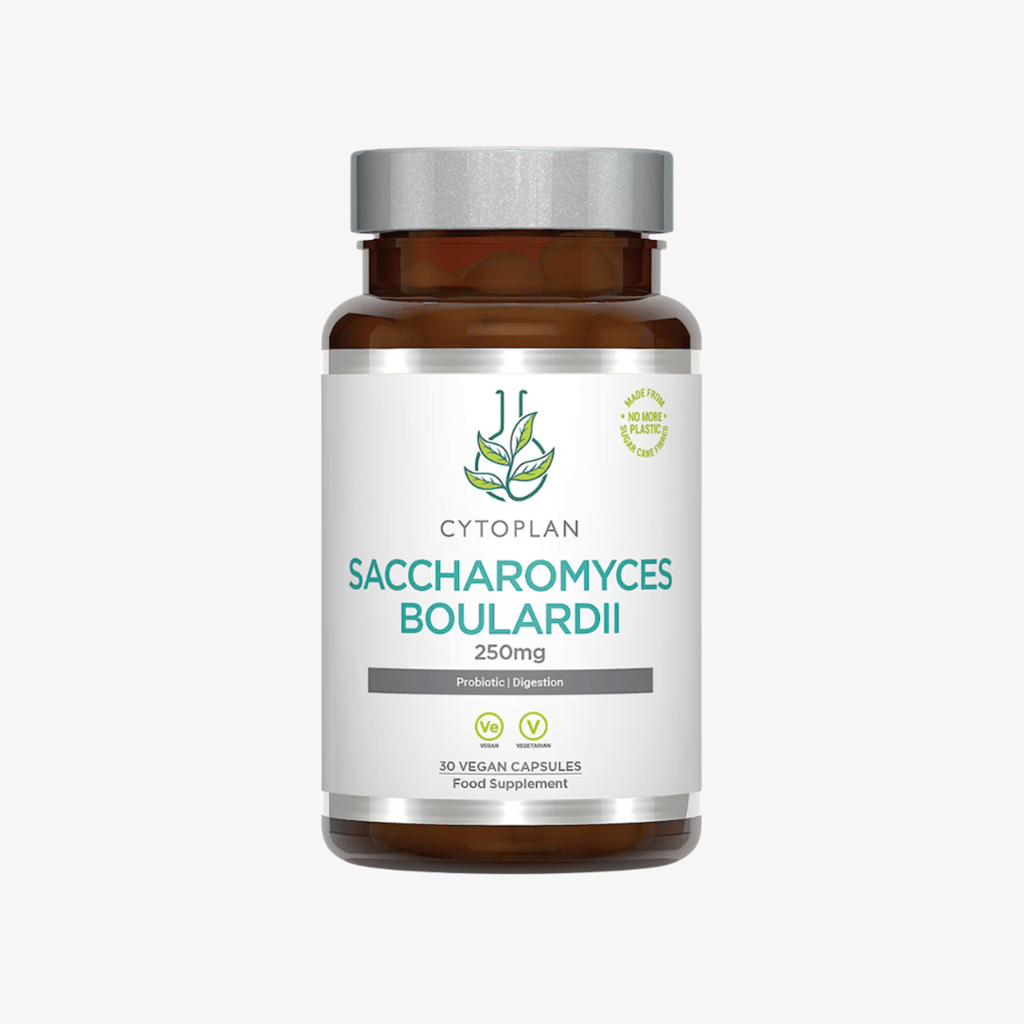
Cytoplan’s Saccharomyces boulardii is one of the most reliable, travel-friendly options for supporting gut balance after a stomach bug. With five billion live cultures in an acid-resistant, shelf-stable capsule, it’s easy to take, gentle on digestion and backed by strong clinical data—making it the go-to probiotic when your microbiome needs targeted support.

Best for soothing the gut lining and gentle nourishment
Freja’s slow-simmered chicken bone broth is ideal when you’re ready to return to food but need something soothing and easy. Rich in natural collagen, minerals and light protein, it offers comfort without overwhelming digestion. Clean, nourishing and versatile, it’s one of the quickest ways to support gut repair and hydration post-bug.


Best for clean, effective rehydration after a stomach bug
When you need rapid, gentle rehydration, Hilma stands out for its clean formula that’s packed with coconut water for natural sugars and minerals, sea salt for sodium replenishment and goji berry for antioxidant support, plus bioavailable magnesium and potassium to rebalance electrolytes. It’s a low-additive, stomach-friendly blend that hydrates without the artificial colours or sweeteners found in a lot of ORS mixes. Perfect for sensitive digestion post-bug.
Best for post-big gut lining repair
This is ideal when your gut needs gentle support following a bug. Combining L-glutamine, quercetin and highly bioavailable zinc, this powdered blend delivers the foundational nutrients your gut lining relies on to recover. With an easy to mix powder, this is a simple way to give your system a bit of extra care even if you’re still feeling a bit fragile. Think of this as a reassuring blend that helps your digestion find its way back to normal.


Best for gentle digestive regularity and easy fibre points
A simple way to bring digestive balance back, this provides pure soluble fibre made from 100% organic, non-GMO psyllium husks. Gentle and easy to digest, it helps support regularity without overwhelming a sensitive gut. If you’re easing back into normal eating and want a natural fibre boost to keep things moving comfortably, this is a clean, reliable option to have on hand and mix into a smoothie or even just plain water.


The takeaway: your simple, science-backed survival plan
When it comes to stomach bugs, the basics always win. Hydrate and rest. Then reintroduce food gradually and support the gut. Electrolytes and ORS are a must, probiotics can be possibly helpful, activated charcoal is not, antibiotics are a hard no and gut repair nutrients are useful in the rebuild phase. As Jasmine puts it: “After a stomach bug, microbial diversity typically drops and then slowly recovers over weeks, so a gentle return to plant-rich eating helps support this.” Give your gut the time and tools it needs, and your recovery will be faster, smoother and far less miserable.
Your most asked stomach bug questions, answered
Q: How long does a stomach bug last?
A: Most stomach bugs resolve within 24-72 hours, though diarrhoea can last up to a week.
Q: What should you eat and drink during a stomach bug?
A: Stick to oral rehydration solutions and simple, low-fat, low-fibre foods like toast, rice, bananas and yoghurt until vomiting settles.
Q: What’s the fastest way to get rid of a stomach bug?
A: There’s no easy way unfortunately but the best way to recover quickly is steady rehydration with electrolytes and plenty of rest.
Q: How do you know if it’s food poisoning or a stomach bug?
A: Food poisoning usually hits within hours of eating contaminated food, while viral stomach bugs often develop more gradually and spread easily.
Q: Are stomach bugs contagious?
A: Yes most viral gastroenteritis is highly contagious and can spread through contact, surfaces and shared spaces.
Q: What supplements help recovery?
A: Targeted probiotics like saccharomyces boulardii, zinc-carnosine or glutamine can support gut repair once symptoms ease.


This article is for informational purposes only, even if and regardless of whether it features the advice of physicians and medical practitioners. This article is not, nor is it intended to be, a substitute for professional medical advice, diagnosis, or treatment and should never be relied upon for specific medical advice. The views expressed in this article are the views of the expert and do not necessarily represent the views of Healf
Samantha Nice is a seasoned wellness writer with over a decade of experience crafting content for a diverse range of global brands. A passionate advocate for holistic wellbeing, she brings a particular focus to supplements, women’s health, strength training, and running. Samantha is a proud member of the Healf editorial team, where she merges her love for storytelling with industry insights and science-backed evidence.
An avid WHOOP wearer, keen runner (with a sub 1:30 half marathon) hot yoga enthusiast and regular gym goer, Samantha lives and breathes the wellness lifestyle she writes about. With a solid black book of trusted contacts (including some of the industry’s leading experts) she’s committed to creating accessible, well-informed content that empowers and inspires Healf readers.