































Should You Be Wearing Hearing Aids For Longevity? The Surprising Ties To Brain Health
Here's why top experts are leaning into the tech, and what it means for you.

Written by: Tom Ward
Written on: 23 March 2026
Last month, Bryan Johnson sent an email to his followers telling them about a new piece of tech he was wearing in hopes it would help extend his life. "There’s a misconception that hearing aids are for old people. They’re actually really important for brain health. I started wearing them in October… but I should have started years ago when I discovered that I had mild to moderate hearing loss," he wrote.
While you might not immediately see the link between brain health and hearing, a slew of recent studies have been shining a light on how it plays into the development of cognitive issues like dementia, and experts are starting to recognise how essential it is to care for your aural health as you age. At a time when many of us blast music in our headphones, hit loud workout classes, and dance around at concerts with little to no thought about hearing protection, these new findings should make us stop and think about how (and when) to protect our ears.
As two hearing scientists explain below, there is some good news surrounding all of this: while there is a strong genetic risk factor for both dementia and hearing loss, the environmental causes can be fairly straightforward to combat, especially if you start today.
Whether you’re hoping to boost brain health, worrying about your hearing, or simply starting to make some easy lifestyle switches, here’s why it pays to take care of your hearing and prevent hearing loss before it becomes an even bigger issue for your longevity and healthspan.
What does the latest data say about hearing loss and brain health?
Sigurd Brandt, medical director of Hearing Health at the GN Group, knows a lot about the connection between our ears and brains. In fact, he’s recently helped launch the "Listen To This" website where you can take a free online hearing test.
He’s well-up on the latest data, too, pointing out that the 2024 Lancet Commission on Dementia Prevention, Intervention, and Care identified hearing loss as "the largest potentially modifiable risk factor for dementia in midlife, estimating that it may account for around 7 percent of dementia cases globally,” he says. “This highlights hearing health as a key opportunity for prevention and early intervention.”
There's even more data pointing out this trend. A 2024 systematic review found that each 10-decibel worsening in hearing ability was associated with a 16% increase in dementia risk. Similarly, a large Danish study of over 573,000 adults found that even slight hearing loss increased long-term dementia risk, with individuals who were not using hearing aids being the most impacted.
It’s sobering stuff, but there is hope. “Approximately one in three adults over the age of 65 have some degree of hearing impairment, yet many people wait years before seeking help,” says Wesley Tensel, MB BChir (Cantab) MRCGP, a GP and UK-based co-founder of Prestige Private Health, where he assesses patients for audiology and ENT input on a weekly basis. “The thing is, a 2023 trial published in The Lancet found that among older adults at higher risk of dementia, hearing aid use slowed cognitive decline by nearly 50% over a three-year period.”
In other words, while hearing aids are not a cure for dementia, the evidence increasingly suggests that identifying and treating hearing loss early may help support long-term brain health.


Experience 2 - Gold


Why are hearing loss and brain health connected?
At the most basic level, our hearing is key for brain health. Loss of hearing can actually create structural changes in our auditory cortex, and has been linked to things like chronic brain inflammation and even vascular issues. “We know that hearing loss may be linked to brain changes, including reduced gray matter volume in areas including the hippocampus and frontal cortex, which are involved in memory and cognitive processing,” says Dr. Brandt.
Specifically, researchers believe the connection between hearing loss and brain health is driven by several interacting factors:
Increased cognitive load: the brain works harder to hear
When hearing becomes impaired, Brandt says the brain has to devote more mental resources to decoding degraded auditory signals. This hypothesis suggests that fewer cognitive resources then remain available for memory, comprehension, and higher-order thinking.
Structural brain changes: reduced stimulation affects brain regions
Another proposed mechanism by which hearing loss impacts our brains is the ‘brain atrophy hypothesis.’ “When auditory input decreases, the brain receives less sensory stimulation, which may lead to structural changes in auditory and cognitive brain regions,” says Dr. Brandt.
A 2025 analysis from the Framingham Heart Study supports this, finding that poorer hearing was associated with reduced gray matter volume in the brain areas associated with hearing and cognition.
Neurobiological stress and inflammation
Chronic hearing issues can actually physically stress the brain. “Struggling to hear in everyday environments increases cognitive effort and mental strain, which may elevate stress hormones such as cortisol,” says Dr. Brandt. Prolonged neuroinflammatory processes have been linked to neurodegenerative conditions, including Alzheimer’s disease.
Social isolation and reduced cognitive stimulation
This is perhaps the most obvious one, but if you can’t hear very well, you tend to get cut out of conversations, and might become withdrawn from social activities. “Large epidemiological studies show that hearing loss is strongly associated with loneliness and reduced social participation, both of which are known risk factors for cognitive deterioration,” says Dr. Brandt.
How do I know if I have hearing loss?
Realising your hearing levels are not where they should be for optimal brain health can be tricky. Dr. Tensel says that hearing loss often develops gradually, which means it can take a while before we become aware of it. “It’s often family members who notice the problem first,” he says.
You might recall a parent starting to miss things in conversation, or maybe your partner finds themselves needing to repeat things around you. Dr. Tensel says signs to look out for include:
- Frequently asking people to repeat themselves
- Difficulty following conversations in busy or noisy environments
- Increasing the television volume more than others prefer
- Feeling that people are "mumbling"
- Struggling to hear higher-pitched voices such as children
- Listening fatigue. If you feel unusually tired after social events, it may be because your brain is working harder to interpret sounds.”
Notice any of the above, and it’s time for a hearing test.
What are the best ways to prevent hearing loss?
Although some hearing loss is age-related and influenced by genetics, a significant proportion is preventable. Here are some things you can do today to safeguard your brain – and hearing – for the future.
- Prolonged exposure to sound levels above 85 decibels can cause permanent damage, so turn those headphones down at the gym. “Follow the 60/60 rule, listening at no more than 60% of maximum volume for no longer than 60 minutes at a time,” suggests Dr. Tensel.
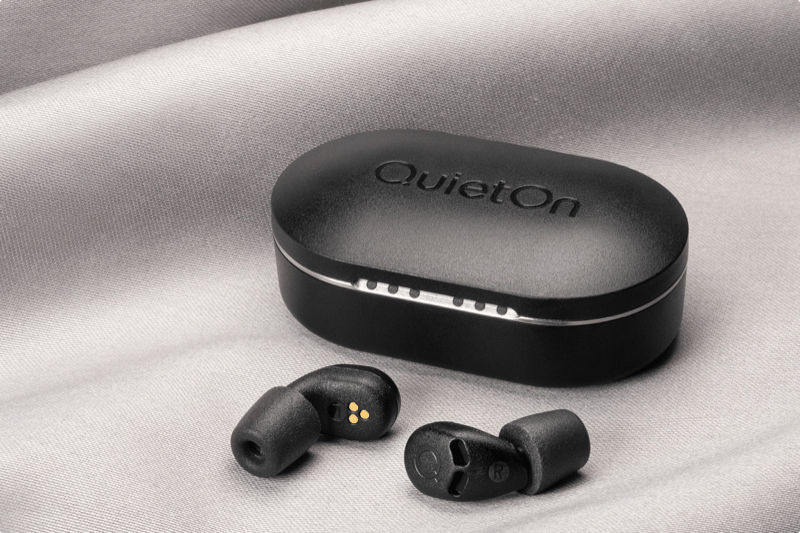
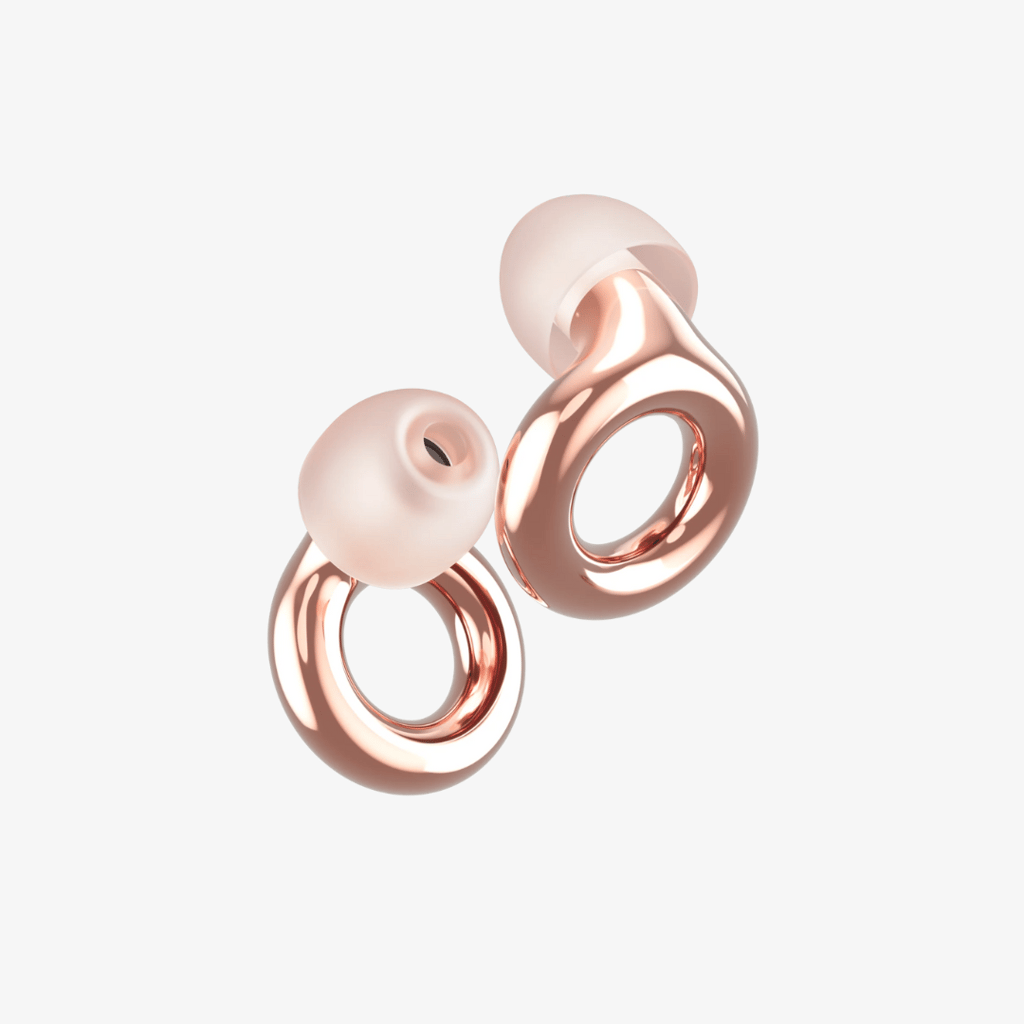
- Wear earplugs in loud settings like concerts, workout classes, and more. You can try out some Loop earplugs, which are a stylish, comfortable and protective alternative to classic earplugs that were specifically designed for concerts, but can also help for sleep, focus, and noise sensitivity.
- Ask your GP about ototoxic drugs. “Some ototoxic medications can damage the inner ear and contribute to hearing loss,” says Dr. Brandt. “These include certain antibiotics, chemotherapy drugs, and other ototoxic medications. They’re often necessary, but monitor your intake.”
- Add a short sprint to the end of your workout. “The inner ear has a very delicate blood supply,” says Dr. Tensel. “Maintaining good metabolic health through exercise, diet, and blood pressure control may help support hearing function.”
- Get frequent hearing checks. “Hearing loss develops gradually, so routine screening is essential,” says Dr. Brandt. Start at age 50, or sooner if symptoms appear.
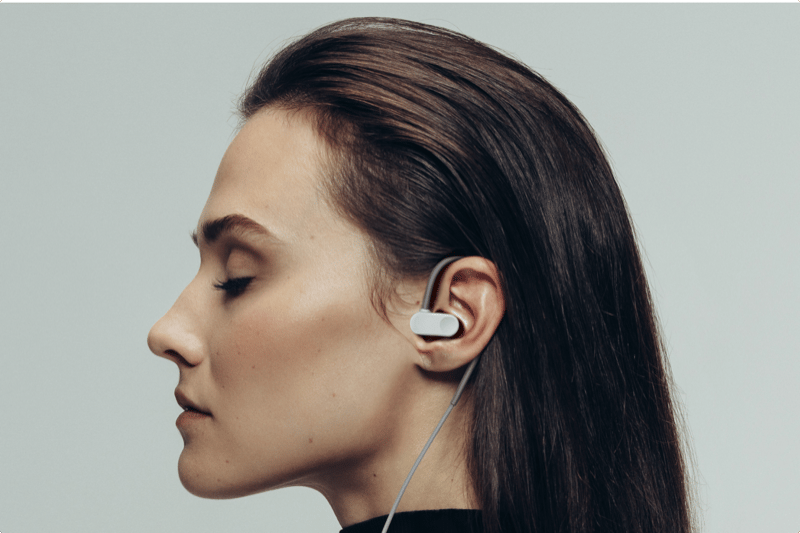
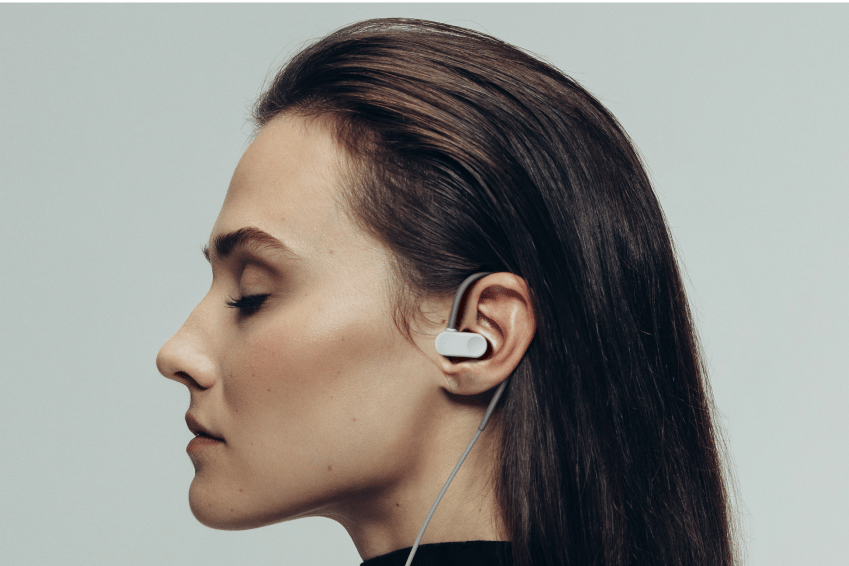
- Embrace the aid. Hearing aids do more than improve communication. They may also support brain health by restoring auditory stimulation. “Hearing aids can improve speech recognition, hearing-related quality of life, and participation in daily activities,” says Dr. Brandt. “Don’t be afraid to try them.”
If your hearing is not where it should be, it might be worth investing time and effort into understanding why and finding tools that can help, because it's clearer than ever that your future brain health relies on it.


This article is for informational purposes only, even if and regardless of whether it features the advice of physicians and medical practitioners. This article is not, nor is it intended to be, a substitute for professional medical advice, diagnosis, or treatment and should never be relied upon for specific medical advice. The views expressed in this article are the views of the expert and do not necessarily represent the views of Healf
Tom Ward is a former Men's Health features editor, and writes regularly on sports, fitness and adventure for the Red Bulletin, Outside, and the Sunday Times. He is the author of the novels The Lion and The Unicorn, and TIN CAT.