





















_2026-10-13_14-11-48.png)


How To Choose A Toothpaste - Expert Tips For Healthier Teeth And Gums
Toothpaste might seem like a small part of your daily routine, but the formulation you choose matters more than you might think.
Written by: Eleanor Hoath
Written on: 10 June 2025
Toothpaste might seem like a small part of your daily routine, but the formulation you choose matters more than you might think. Oral health is intricately linked to systemic wellbeing - with connections to inflammation, immunity, sleep, and even heart health. And yet, most of us pick our toothpaste based on little more than branding and mintiness.
So, what should we actually be looking for in a toothpaste? And what ingredients might be doing more harm than good?
We asked leading dentists and oral care experts to weigh in - including Dr Tilly Houston of Luceo Dental, Dr Charlotte Leigh of Brecknock Dental, and Joe Jones, founder of Nura Teethcare - to bring clarity to your bathroom shelf.
Start with the basics: Remineralisation
The primary role of toothpaste is to protect and repair the enamel - the mineral-rich outer layer of your teeth that defends against acid, bacteria and erosion.
“Fluoride or hydroxyapatite are the gold standard ingredients for remineralising enamel,” explains Dr Tilly Houston. “Fluoride is backed by decades of robust research, while hydroxyapatite is an excellent alternative that occurs naturally in the body and fills microscopic gaps in the enamel structure.”
Nura Teethcare, a brand new British brand pioneering microbiome-friendly formulations, has chosen to prioritise hydroxyapatite. “We use 12% hydroxyapatite (nano+micro) because our data shows it not only matches, but in some cases outperforms fluoride in restoring enamel,” says founder Joe Jones. “And we’ve scientifically validated that with research from the University of Milan.
Think microbiome-first
Not all bacteria are bad. Your mouth is home to a diverse microbial ecosystem, which plays a vital role in regulating inflammation, preventing gum disease and even managing breath odour. “Our oral microbiome is the first line of defence,” says Dr Houston. “But traditional antibacterial toothpastes can disrupt this delicate balance, wiping out beneficial bacteria along with the harmful ones.”
Emerging research suggests this disruption doesn’t just stay in the mouth - it may also contribute to systemic inflammation, metabolic dysfunction, and cardiovascular issues. “Supporting the microbiome is no longer a fringe idea — it’s the future of oral care,” says Jones. “That’s why we include prebiotics like xylitol, tagatose and inulin, which nourish beneficial bacteria, alongside zinc citrate, a gentle but effective antimicrobial.”
Strip it back: What to avoid
Many common toothpaste ingredients have little to do with oral health - and some may actively irritate.
“Sodium lauryl sulphate (SLS) is one of the most common culprits,” says Dr Charlotte Leigh. “It’s a foaming agent, but it can irritate the soft tissues in the mouth and cause recurrent ulcers. It's completely unnecessary for cleaning.”
She’s equally wary of overly abrasive formulas. “Charcoal and whitening toothpastes often contain gritty particles that wear away enamel — which ironically leads to more discolouration, not less, as the yellow dentine underneath becomes exposed.” Triclosan, a once-common antibacterial ingredient, is also best avoided. “It’s largely been phased out in Europe due to potential endocrine-disrupting effects,” says Dr Houston, “but it’s still found in a few formulations.”
Rethinking ‘minty freshness’
A common misconception is that foaming, minty toothpaste equals clean teeth - but that’s more about marketing than science. “Foam is psychological,” says Dr Houston. “It makes us feel like we’re cleaning more effectively, but it’s not actually doing anything. In fact, foaming agents can cause irritation, and mint simply masks odours - it doesn’t neutralise them.”
Dr Leigh agrees: “We’ve been conditioned to expect a certain ‘feel’ from our toothpaste. But a low-foam, unflavoured product can be just as - if not more - effective when formulated correctly.
Oral health is systemic health
Far from being confined to your gums, poor oral health can have far-reaching effects. “Gum disease is a source of chronic inflammation, which can impact everything from immune function to cardiovascular risk,” says Dr Leigh. “It’s like a low-level infection your body never quite switches off from.”
There’s also a link between oral health and sleep. “Inflammation and irritation in the mouth can exacerbate conditions like snoring or sleep apnoea,” she adds. “So maintaining good gum health can contribute to better sleep quality, energy levels and even mood.”
Natural vs synthetic: The nuanced truthn
While many people are drawn to ‘natural’ toothpastes, it’s important not to conflate natural with effective.
“At Nura, we use a blend of natural and nature-identical ingredients,” explains Jones. “We avoid unnecessary additives - like titanium dioxide, PEGs or artificial flavours — but we’ll include a synthetic ingredient if it’s been shown to be safer or more effective than the natural alternative.”
It’s about thoughtful formulation over fear-based labelling. “You shouldn’t need a chemistry degree to understand what’s in your toothpaste,” says Jones. “But you also shouldn’t be afraid of a synthetic if it works and it’s safe.”
The bottom line
Toothpaste should do more than just foam and freshen. The healthiest formulations support remineralisation, nurture the microbiome, avoid unnecessary irritants, and work in harmony with the mouth’s natural defences.
As Joe Jones puts it: “Good oral health is the gateway to overall health and toothpaste is your daily ritual that sets the tone.”
A small tube with a serious impact.

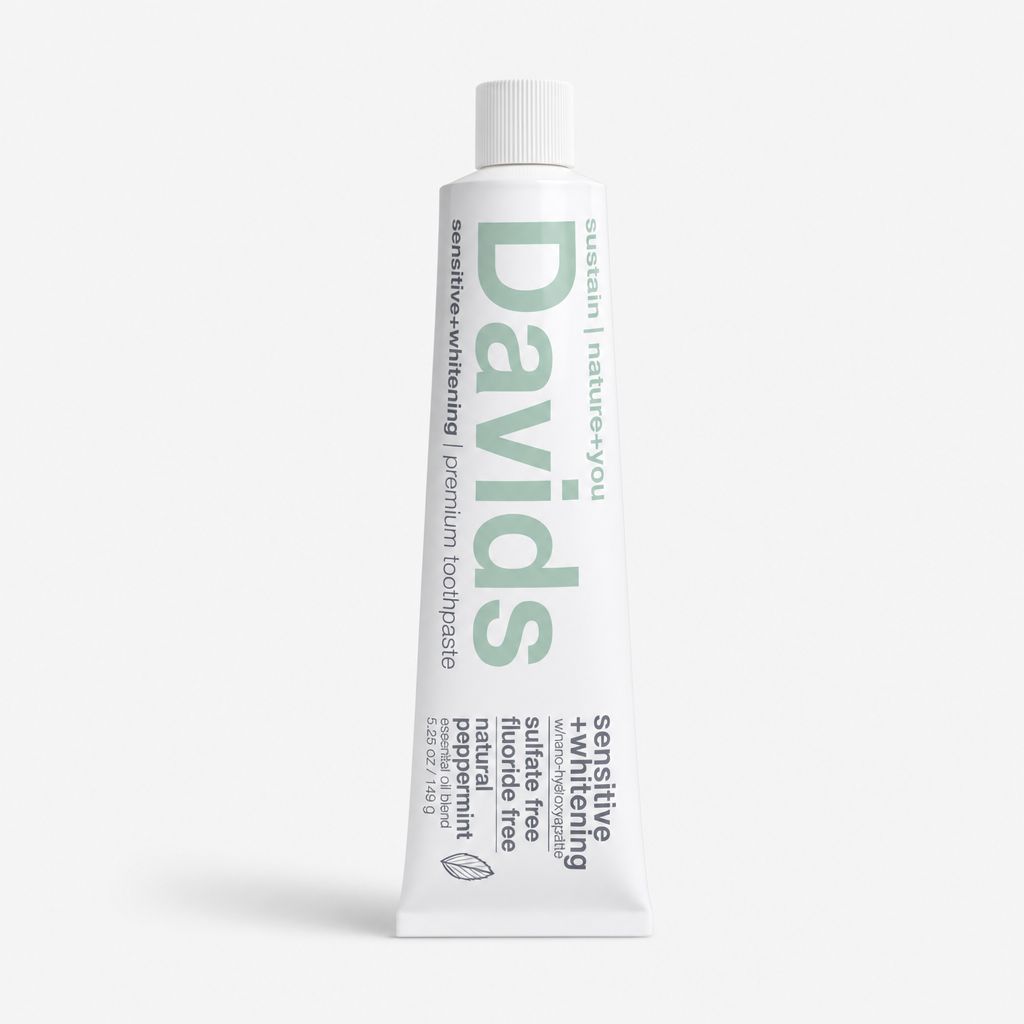




This article is for informational purposes only, even if and regardless of whether it features the advice of physicians and medical practitioners. This article is not, nor is it intended to be, a substitute for professional medical advice, diagnosis, or treatment and should never be relied upon for specific medical advice. The views expressed in this article are the views of the expert and do not necessarily represent the views of Healf
Eleanor Hoath is a Registered Nutritional Therapist (DipNT, mANP, mBANT) specialising in gut, skin and women’s health. She is the Editor of The Healf Source and founder of Well Nourished Nutrition Ltd.
Passionate about holistic wellbeing and balanced living, Eleanor combines evidence-based nutrition with a practical, approachable style to help people feel their best through content.
Based in London, she is dedicated to empowering individuals to nurture their health and understand the root cause of their symptoms from the inside out.