






































_2026-10-13_14-11-48.png)


Are You Taking Supplements You Don’t Actually Need?
Not every supplement is essential. Here’s how to know what your body really needs and what might be unnecessary.

Written by: Samantha Nice
Written on: 14 March 2026
The supplement space is undeniably crowded and confusing right now. There are more options available than ever before, with new ones popping up every week. Electrolytes for hydration. Greens powders for convenience. Adaptogens for balance. Gut support for digestion. Multivitamins to cover all bases. Some are grounded in strong science and expert backing, but others ride the wave of wellbeing trends and clever marketing.
It’s easy to assume that if something is popular, it must be necessary, but wellbeing doesn’t work like that. At Healf, we believe in answers, not guesswork. Because wellbeing is personal, so it looks different for everyone. What your body needs depends on your diet, lifestyle, stress levels, training load, sleep and individual biology. A supplement that makes sense for one person could be entirely unnecessary for another.
Of course, we’re big believers in the power of supplements — when they’re used intentionally and appropriately — but the real question isn’t whether supplements work. It’s whether you actually need the ones you’re taking. Supplements shouldn’t be a one-size-fits-all approach. Instead, we’ll be exploring when taking certain supplements make sense, and when they don’t. Because adding more to your routine isn’t the goal; Having answers is.
Why so many people feel like they need multiple supplements
Several cultural shifts have helped create the feeling that a hefty supplement stack is the norm, according to registered nutritionist Clarissa Lenherr, mBANT, RNTP. It’s a dynamic most of us recognise: what starts as a simple routine can quickly grow as new products promise better energy, stronger immunity or faster recovery.
“Firstly, the wellbeing industry is a multi-billion pound market and supplement marketing specifically can be very persuasive,” Lenherr says. “Social media has also created the perception that everyone needs a long supplement list, but often we’re seeing curated routines without context about that person’s health needs.”
Lenherr also points out that modern lifestyles are pushing many people to look for extra support. "Today's way of living places a lot of stress on the body. Poor sleep, chronic stress, ultra-processed foods and environmental exposures all increase the demand on our systems,” she says.
When chosen well, supplements can be extremely helpful for supporting health goals or plugging nutrient gaps. The challenge arises when popularity replaces personalisation, says Lenherr.
Why testing can help you understand what you actually need
One of the biggest challenges with supplementation is that symptoms alone are often misleading. Low energy, poor sleep or brain fog can stem from many different causes. Danny Ly, functional medicine nutritionist and practitioner at Healf Zone, says blood testing can provide much clearer answers.
“Testing is important for several reasons,” Ly explains. “Firstly to establish a baseline for different biomarkers so that we can track whether any improvements have been made.” It also helps identify deficiencies directly. “We want to know if there are any vitamin or mineral deficiencies which can inform us how aggressively we should be dosing our supplements.”
This approach shifts supplementation from guesswork to evidence. “We want to ensure that our supplement strategies are focused with solid intentions and outcomes behind each one,” he adds. Our very own at-home Healf Zone blood testing kits allow people to analyse key biomarkers and receive practitioner guidance on what their body actually needs. This approach shifts supplementation from assumption to evidence.
Of course, many people start supplements long before they ever run tests. That’s where confusion often begins — with products chosen based on trends, recommendations or marketing rather than personal need.
The supplements people often take but may not actually need
We’re not here to label supplement types as good or bad. Reputable, science-backed supplements can provide real benefits in the right context. The issue is that many of us start taking certain supplements because they’re popular, recommended by someone online, or marketed as something everyone should have in their routine. But the reality is, whether a supplement is useful depends on your diet, lifestyle and specific health needs. Without that key insight, it’s easy to take ones that simply aren’t necessary. Here are some of the supplements Lenherr most commonly sees people using when they may not actually need them.
Multivitamins
Multivitamins are often seen as a catch-all solution. They promise to cover every nutritional base in a single capsule. But if you’re eating a varied and balanced diet, they may not always be essential, research shows. “If someone is eating a nutrient-dense, whole food diet, they may not need a multivitamin long term,” says Lenherr. “I also often see poorer quality multivitamins containing forms of nutrients that are not the most bioavailable or higher doses than that person actually requires.”
However, there are times and life phases where they can come in super helpful, Lenherr explains. “I do often see multivitamins as a bit of a nutritional safety net for some people, helping to provide a baseline level of key nutrients during periods when diet, stress, travel or lifestyle factors may mean intake isn’t always optimal.” So yes, they can be helpful in the short term, but they are not always necessary as a “forever” dietary addition for people eating healthy, nutrient-dense diets.


Greens powders
There’s been a lot of buzz around greens powders this year. They started booming in popularity a few years ago, but some new research casts doubt on its true health benefits.
“Greens powders are often marketed as a replacement for vegetables, but they really shouldn’t be seen that way,” Lenherr explains. Whole vegetables bring far more nutritional value, providing fibre, polyphenols and phytonutrients in a complex matrix “that powders simply can’t replicate,” she adds. “Many of these high-promise powders also contain minuscule amounts of active ingredients, and either sugar or artificial sweeteners to make them taste better.”
But, if you struggle to eat enough veg during busy periods, know your intake has dropped off a little, or are travelling with limited access to healthy meals, they can still provide some additional support. They just shouldn’t replace whole foods entirely.


Electrolytes
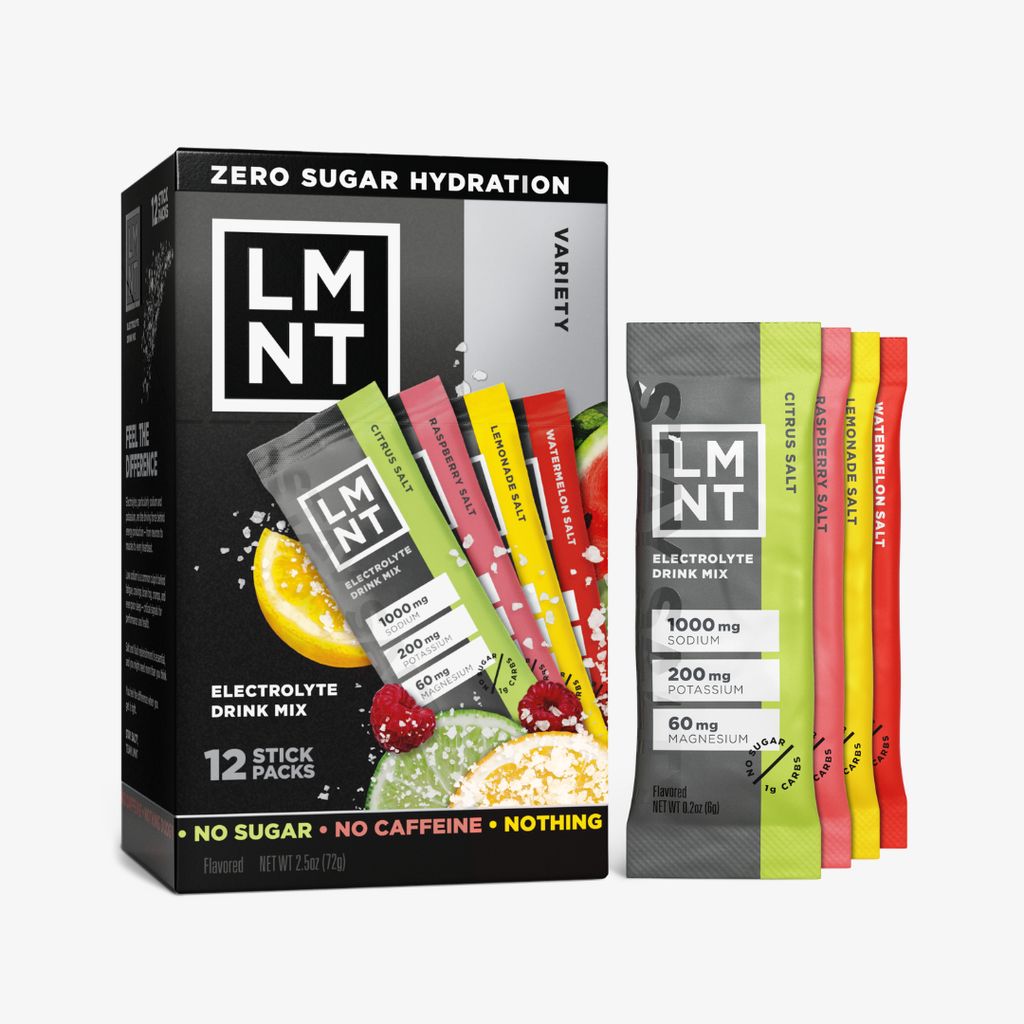
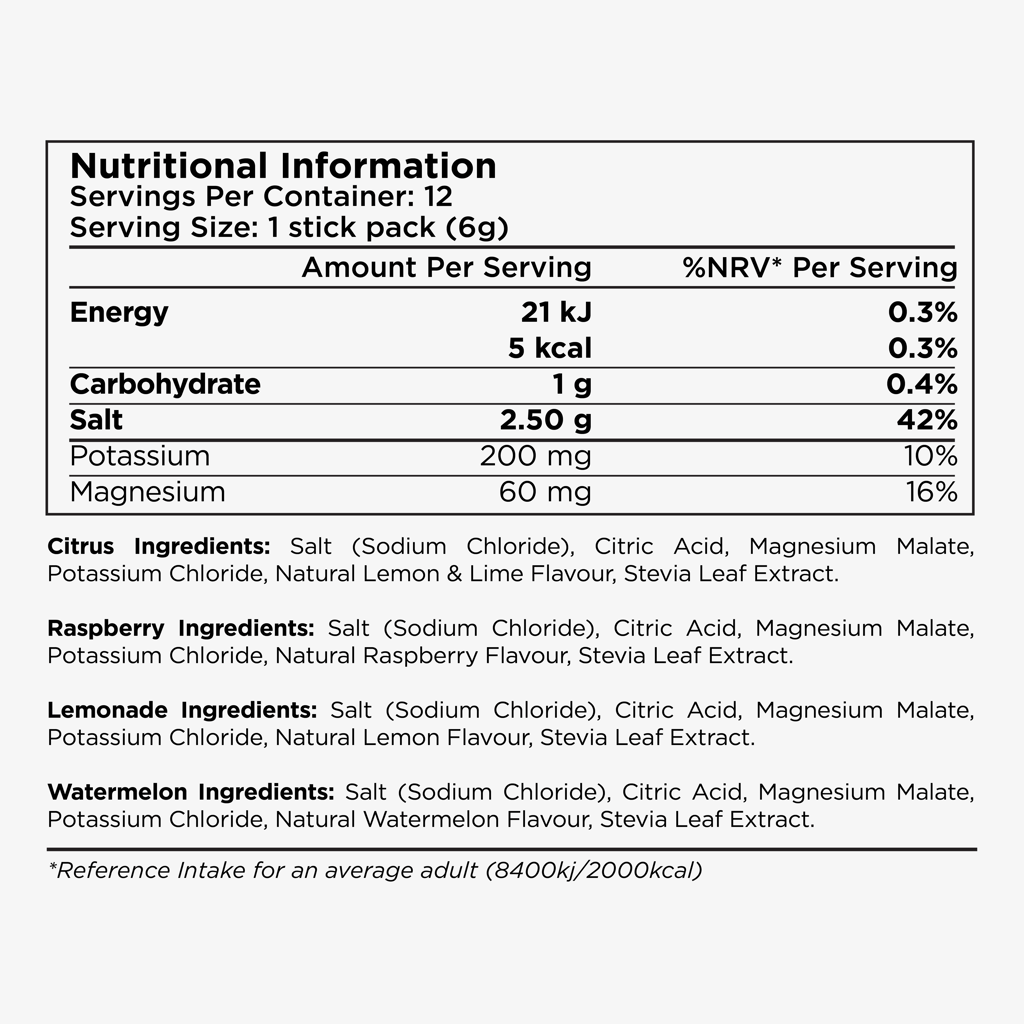
Electrolytes are everywhere right now, quickly becoming the “it” drink for hydration. But whether you actually need them depends on how much fluid and minerals — such as sodium, potassium and magnesium — your body is losing through sweat, illness or intense exercise each day.
“Electrolytes absolutely have their place, particularly for athletes, people who sweat heavily, during illness or recovery or in hot climates,” Lenherr says. For someone who is training hard, running long distances or exercising in heat, electrolyte replenishment can be genuinely helpful. “But for the average person exercising moderately and eating a balanced diet, daily electrolyte supplementation isn’t always routinely necessary,” she adds.
Gut support and probiotics
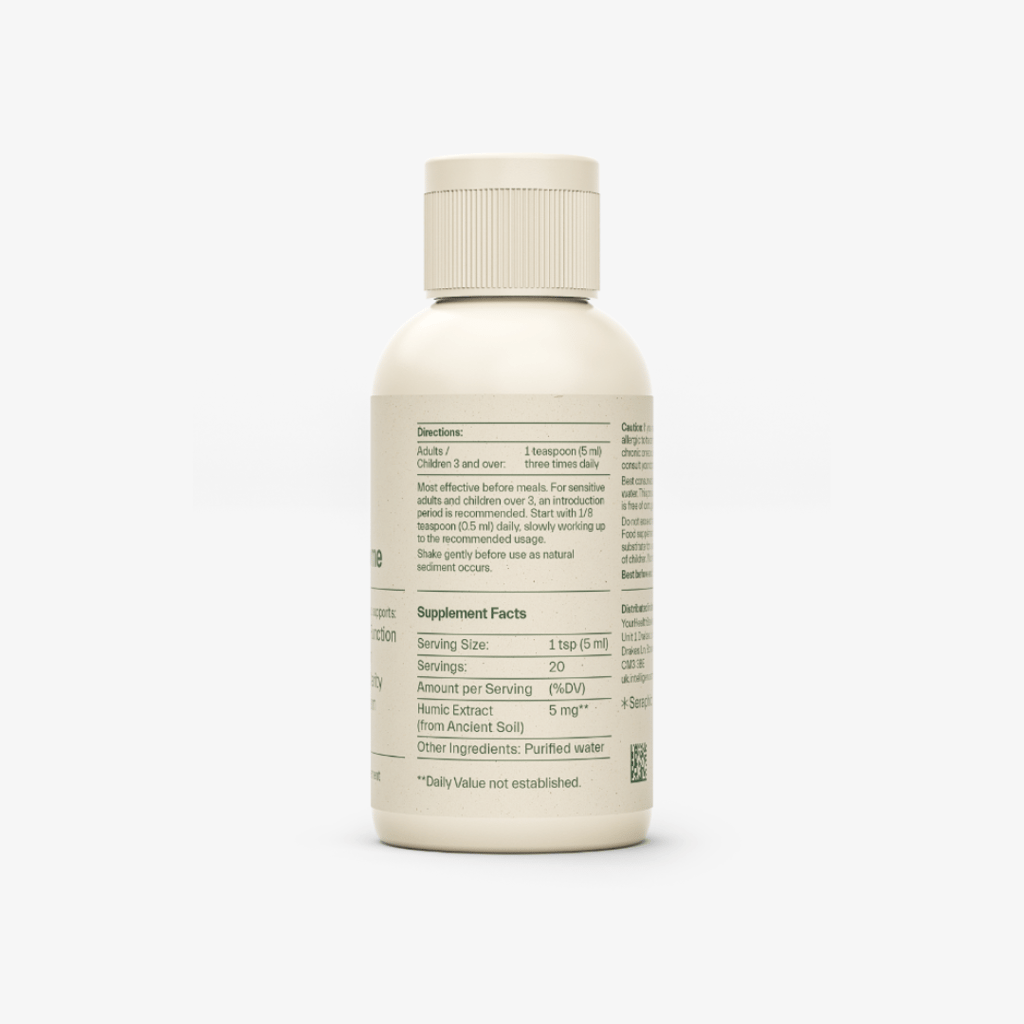
Probiotics and gut supplements have also exploded in popularity, with many people taking them as a daily default. The challenge is that the gut microbiome is incredibly complex. “Probiotics can again be incredibly helpful in the right context, for example after antibiotics, during travel or when addressing specific digestive issues,” Lenherr says.
But randomly choosing strains without understanding what’s happening in the gut can sometimes backfire. “It can actually worsen bloating or other symptoms,” she adds.

Collagen
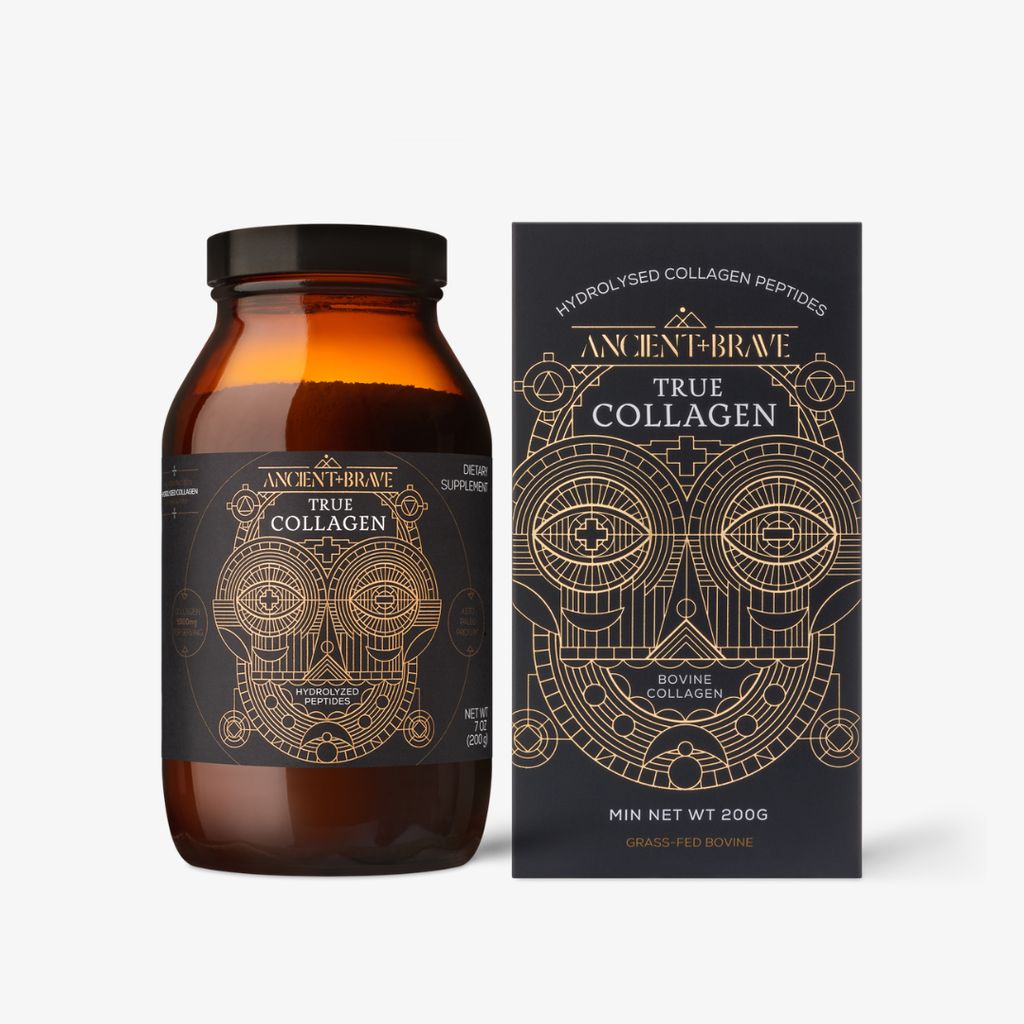
Collagen supplements have become synonymous with glowing skin and joint support, but their impact will vary depending on your diet. “Collagen can be useful for supporting your skin, joints, and connective tissue, particularly as we age,” says Lenherr. “However, the additional benefit may be smaller if you’re already eating sufficient high-quality protein and collagen-rich foods.”
She also notes that dosing matters. “I often see people taking really low doses and wondering why they aren’t seeing any impact.” Most research and clinical practice suggest aiming for around 10g per day, ideally alongside vitamin C which helps support collagen synthesis in the body.

Adaptogens
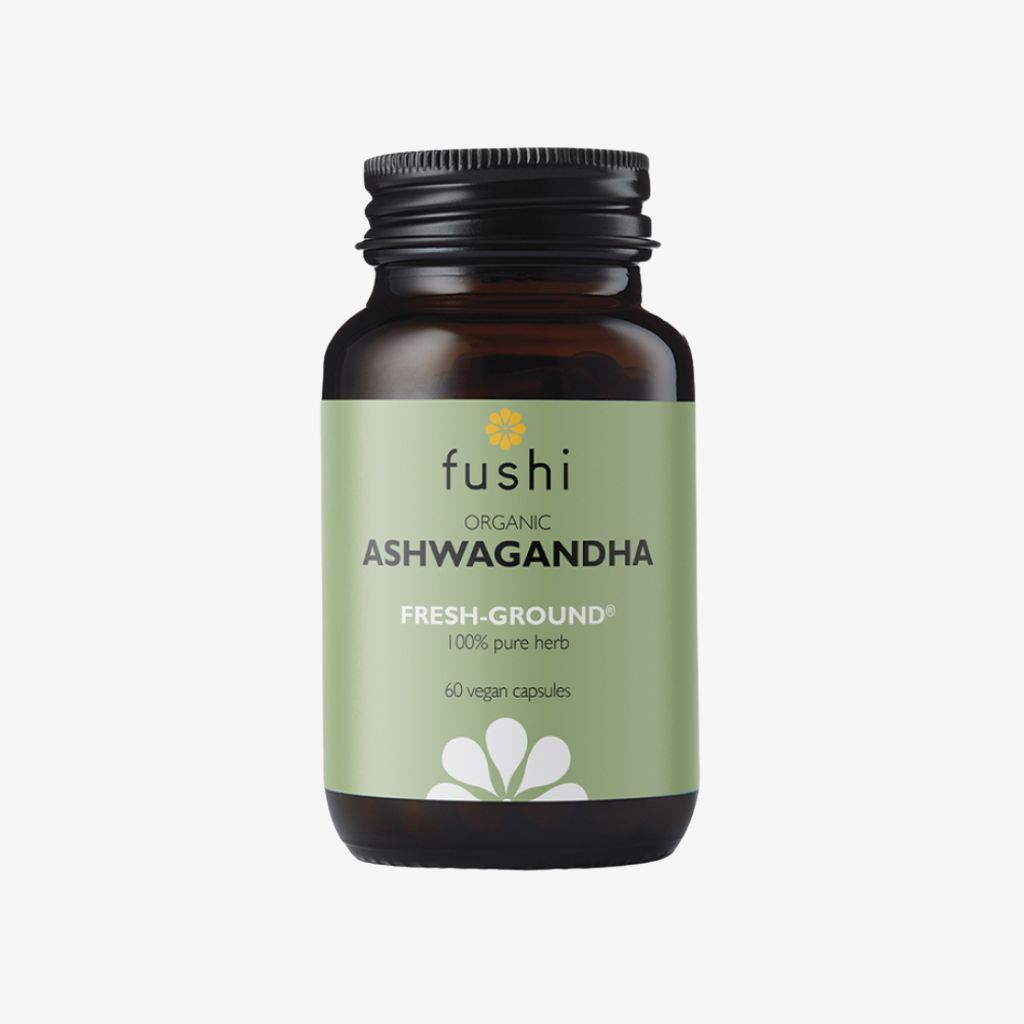
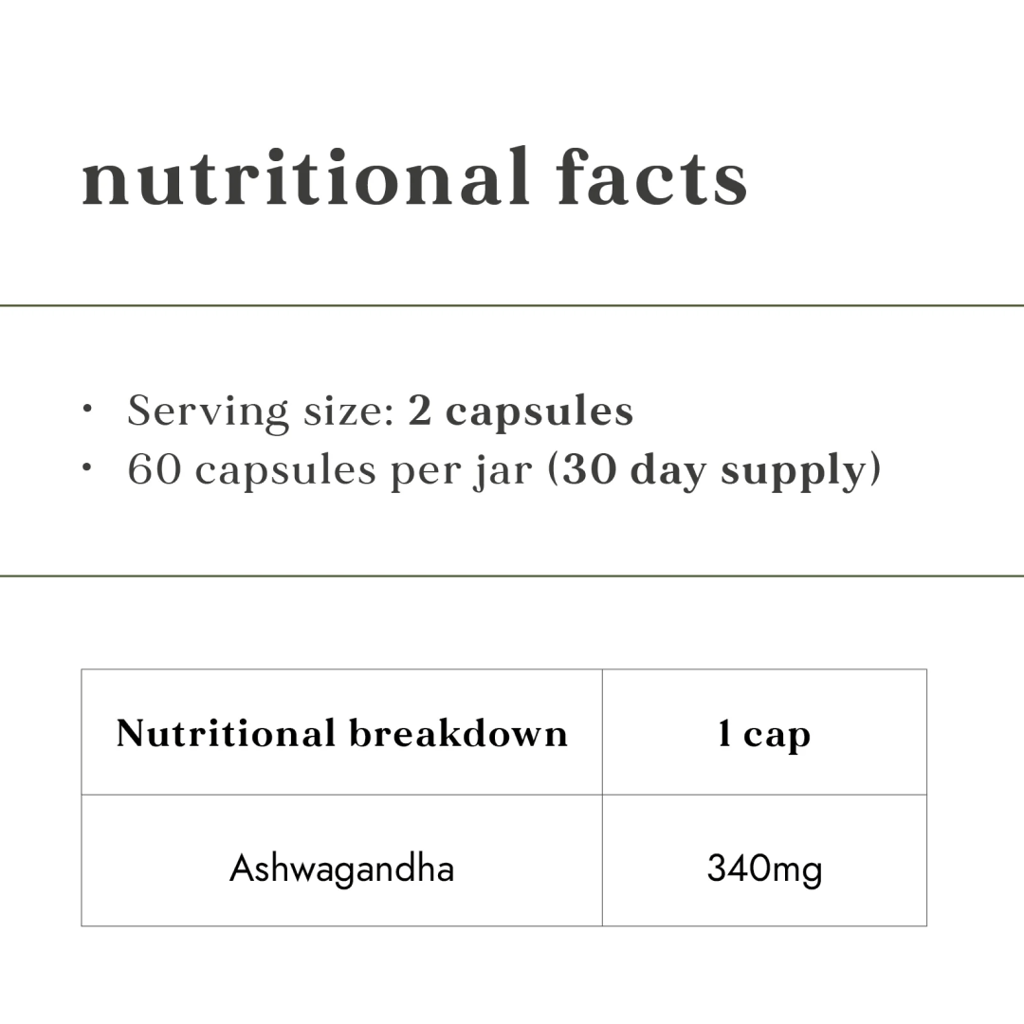
Herbal adaptogens like ashwagandha and rhodiola are often promoted as everyday stress solutions but Lenherr sees them differently. “Adaptogenic herbs can be really helpful when someone is under stress or struggling with sleep,” she says. However, they are often better used in phases rather than permanently. “I tend to use them more strategically rather than recommending them indefinitely.”
The nutrients many people are actually low in
While some supplements may be unnecessary for certain people, others address very real deficiencies. Here in the UK, several nutrients are commonly low.
Vitamin D
“Vitamin D is one of the most common deficiencies I see in clinic due to limited sunlight exposure,” says Lenherr. During autumn and winter, sunlight exposure drops significantly, and Lenherr says that as many as one in five people in the UK are low in vitamin D. It’s also very hard to get adequate vitamin D from food alone, which is where supplementation comes into play, especially during the colder months.
In the UK, the NHS advises adults to consider 10 micrograms (400 IU) of vitamin D daily between October and March, when sunlight levels are too low for the body to produce enough naturally.
Magnesium
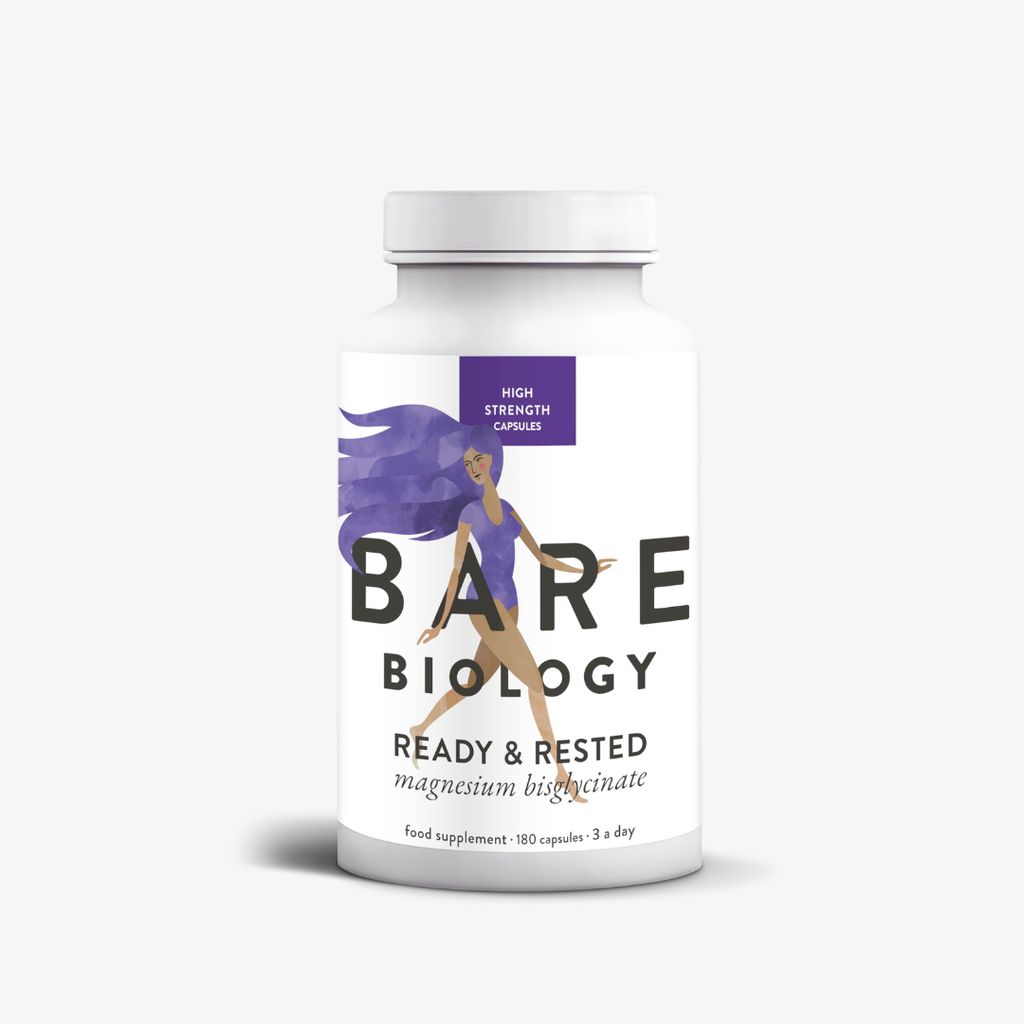
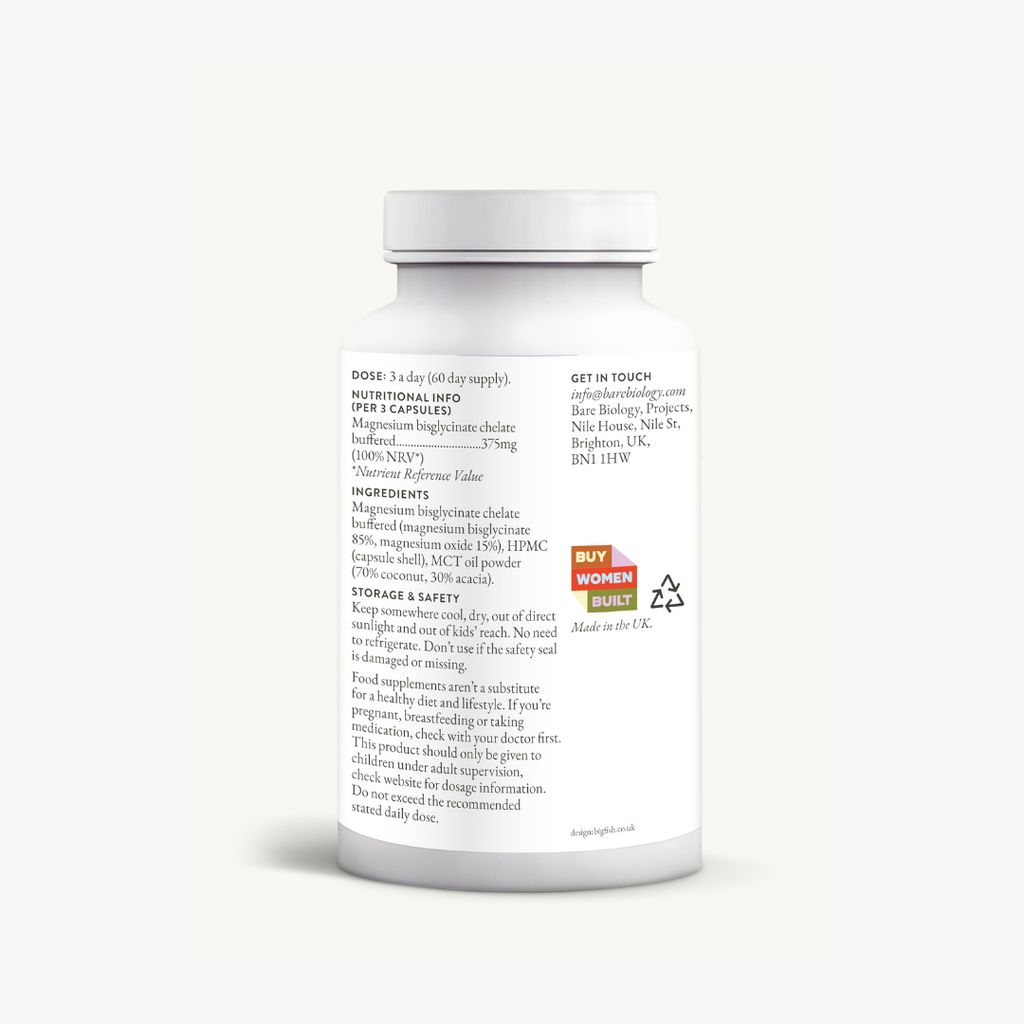
Magnesium is another nutrient that can frequently be on the low side. “Magnesium is involved in hundreds of biochemical reactions including nervous system regulation, sleep, blood sugar balance, and muscle function,” Lenherr explains. Modern lifestyles can increase the demand for it. “Stress, intense exercise, caffeine and alcohol can all increase requirements.” At the same time, our diets may not supply as much magnesium as they once did, with levels in food declining over the past few decades due to soil depletion, per Lenherr.
For those supplementing, many practitioners recommend around 200 to 400mg per day, often taken in the evening to support relaxation and sleep.
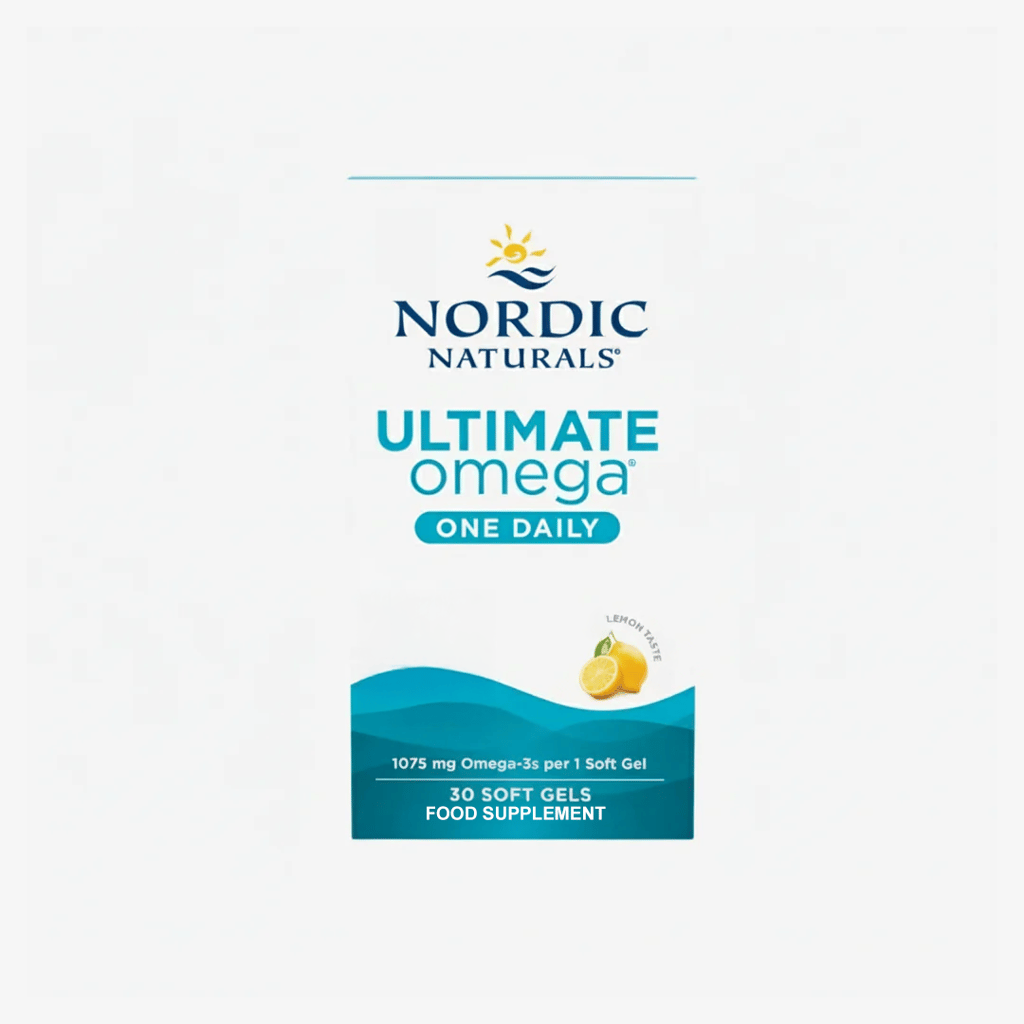
Omega-3
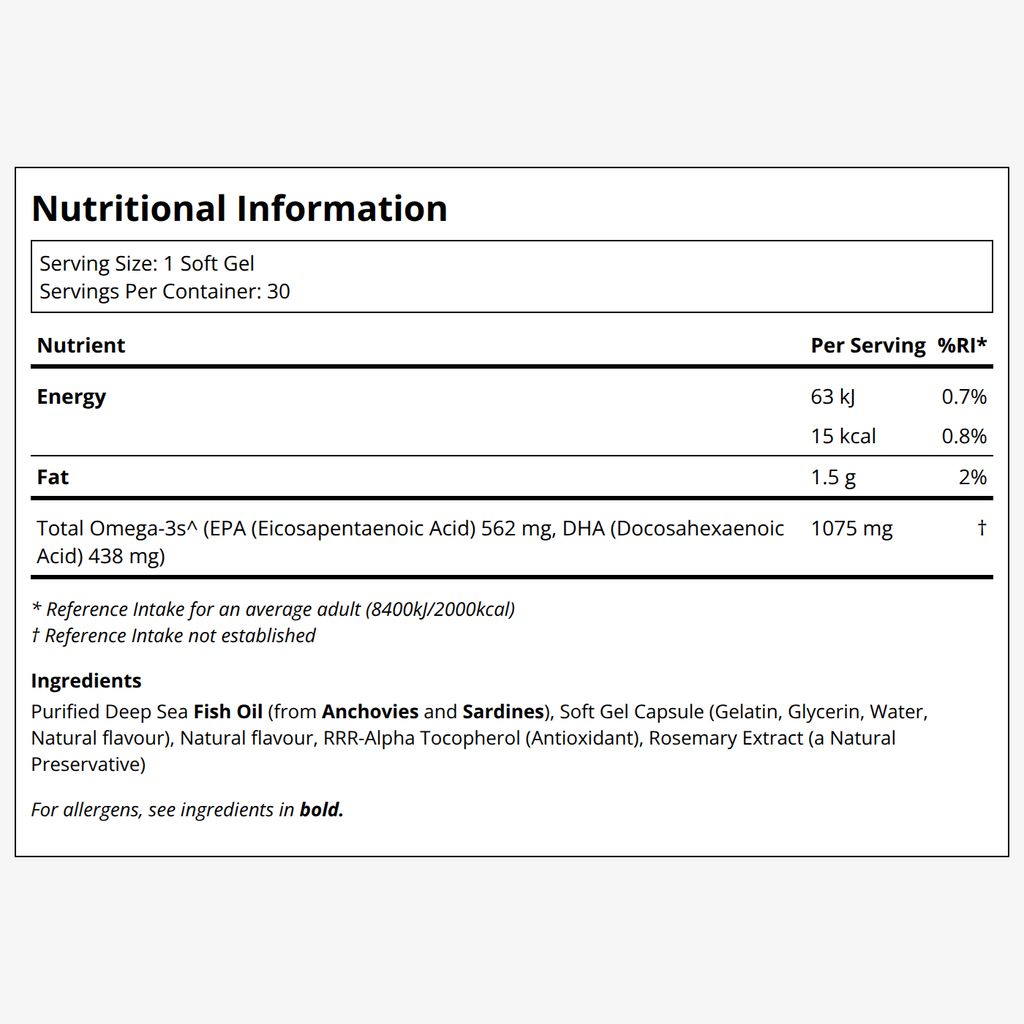
Gaps are also common here. “Omega-3s play important roles in brain health, mood, inflammation regulation, cardiovascular health and hormonal balance,” Lenherr says. “For people who don’t eat fish regularly or are vegetarian, a high-quality omega-3 supplement can be really helpful in filling this gap.”
A typical supplemental intake is around 1 to 2g of combined EPA and DHA per day.
What can happen when you take supplements you don’t need
While supplements are generally safe when used appropriately, taking them unnecessarily can actually create problems. One concern Lenherr often highlights is the potential for certain nutrients to build up in the body. “Some nutrients can accumulate if taken in excess, particularly fat-soluble vitamins such as vitamins A, D, E and K.”
Another issue she regularly sees in clinic comes from supplement stacking. With so many products containing similar ingredients, it’s easy for people to double up on nutrients across different products without realising it. “Many products contain overlapping nutrients, so people may unknowingly be taking much higher doses than intended.”
There’s also a broader concern around how supplements are sometimes used to manage symptoms rather than investigate what might be causing them in the first place. “For example, someone may repeatedly take energy supplements when the real issue could be poor sleep, iron deficiency, thyroid dysfunction or blood sugar instability.” When that happens, supplements risk becoming a quick fix rather than part of a thoughtful and targeted health strategy.
This is also why quality and transparency matter. Here at Healf, every product goes through a strict curation process to ensure each and every one of our supplements meets high standards for safety, efficacy and formulation. More about this here - The Healf Curation Process.
What practitioners often see in real supplement routines
Ly says one of the most surprising things he sees during consultations is the sheer number of supplements people are taking. “I see quite a lot of people with enormous supplement regimes, with some taking as many as ten to fifteen different supplements a day.” In many cases, these routines aren’t built intentionally. They tend to grow gradually over time as people add new products in response to symptoms, trends or recommendations.
The problem is that symptoms alone can often be misleading. “Things such as low energy can be caused by a myriad of factors, so it’s important to dig into potential root causes before blindly guessing that it’s a specific nutrient deficiency.”
This is where personalised supplementation becomes far more effective than a generic approach. “When thinking about taking supplements, we need to consider that we are all unique individuals with our own genetic and biochemical makeup,” Ly explains. “When we pair that alongside the unique demands posed to us day to day, we should be thinking about how we can create a focused and targeted approach.”
So how often should you reassess your supplement routine?
One mistake people make is assuming that once they start a supplement, they should take it indefinitely. But nutritional needs change over time. Ly suggests reviewing supplement routines regularly, ideally by reassessing symptoms and repeating relevant blood tests where appropriate. “I’d say somewhere between three to six months is generally a good rule of thumb.”
Testing again can help reveal whether deficiencies have improved or whether things still need adjusting in your routine. This keeps your supplement routine aligned with your current needs rather than outdated assumptions.
The real role supplements should play
Ultimately, supplements were never designed to replace the foundations of health, and Lenherr reminds her clients of this regularly. “I always say to clients that supplements are exactly that — they supplement a good diet and lifestyle, not replace it.” Whole foods still provide nutritional benefits that supplements simply cannot replicate. “Food provides nutrients in a complex form alongside fibre, phytonutrients and compounds that we still don’t fully understand.”
For that reason, supplementation tends to work best when it’s used thoughtfully rather than automatically. “Supplements are best used to correct deficiencies, support specific health goals and provide targeted support during periods of higher demand.”
The bottom line: only take the supplements your body actually needs
Today’s supplement space offers more choice than ever before. While that creates exciting opportunities to support your wellbeing, it does also mean people can easily end up taking products they simply don’t need. Understanding your diet, lifestyle and biology is what makes supplementation effective. Sometimes that means adding the right nutrients, other times it means simplifying your routine and focusing on the essentials.
Because when it comes to supplements, it’s not about taking more. It’s about taking the ones your body actually needs. If you’re unsure what those are, Healf Zone testing can help provide the answers, giving you a clearer picture of your biomarkers so you can build a supplement routine that’s genuinely tailored to you.




This article is for informational purposes only, even if and regardless of whether it features the advice of physicians and medical practitioners. This article is not, nor is it intended to be, a substitute for professional medical advice, diagnosis, or treatment and should never be relied upon for specific medical advice. The views expressed in this article are the views of the expert and do not necessarily represent the views of Healf
Samantha Nice is a seasoned wellness writer with over a decade of experience crafting content for a diverse range of global brands. A passionate advocate for holistic wellbeing, she brings a particular focus to supplements, women’s health, strength training, and running. Samantha is a proud member of the Healf editorial team, where she merges her love for storytelling with industry insights and science-backed evidence.
An avid WHOOP wearer, keen runner (with a sub 1:30 half marathon) hot yoga enthusiast and regular gym goer, Samantha lives and breathes the wellness lifestyle she writes about. With a solid black book of trusted contacts (including some of the industry’s leading experts) she’s committed to creating accessible, well-informed content that empowers and inspires Healf readers.