


























_2026-10-13_14-11-48.png)


Pill Fatigue: Why Is Everyone Now Wearing Their Supplements?
As many of us tire of swallowing pills, The What Supp Co.'s founder Kelly Gilbert talks wearable wellness and how patches are reshaping things right now…
Written by: Kelly Gilbert
Written on: 12 November 2025
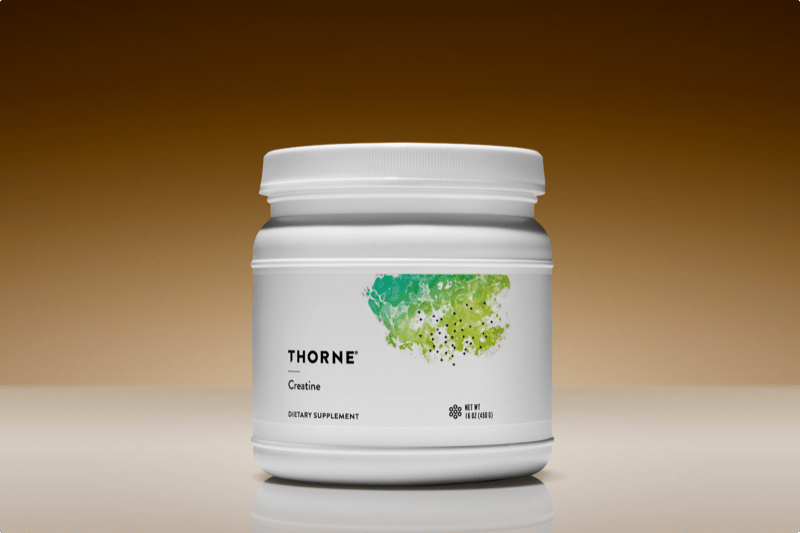
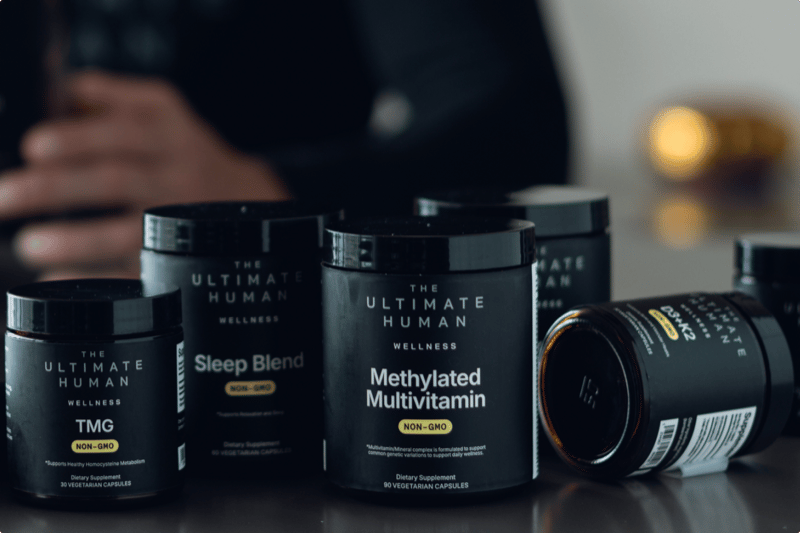
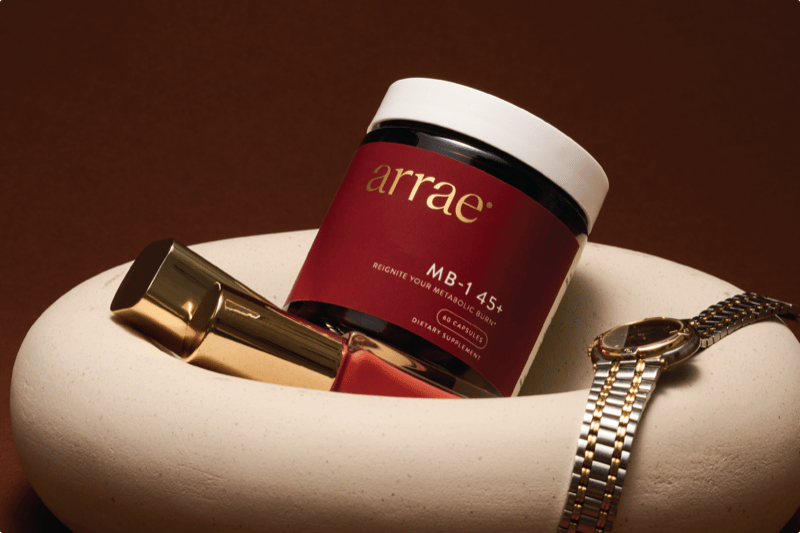
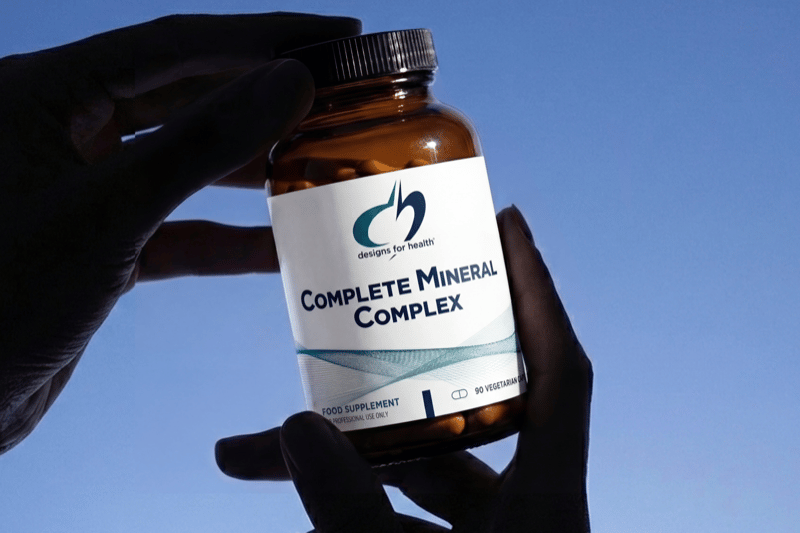
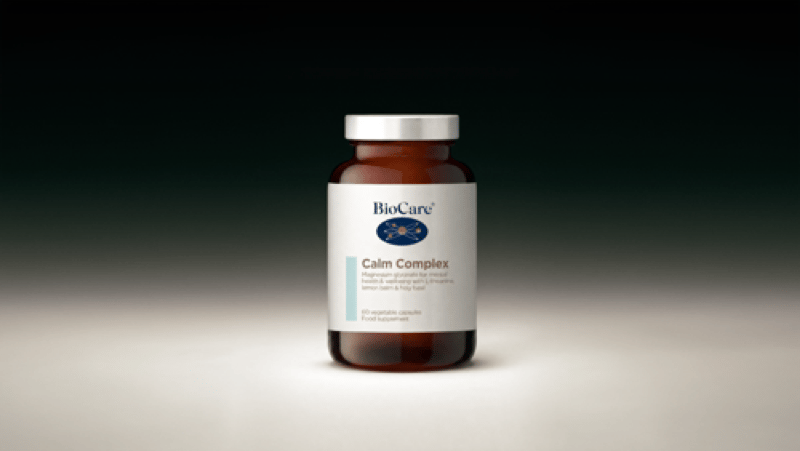
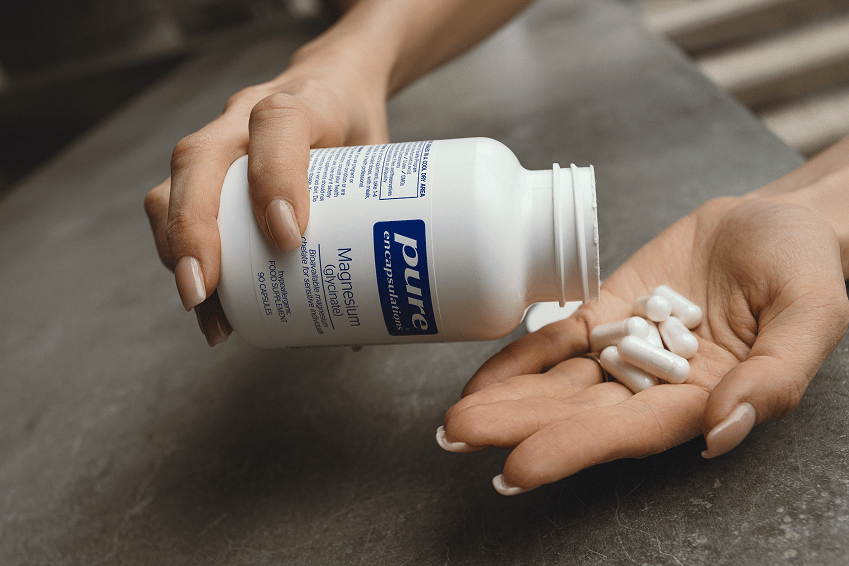
When is a supplement not a supplement? When it’s not being taken. Most of us can relate to having an unfinished pot (or ten) of pills sitting in a cupboard. The high hopes for finishing it, the days pass and the struggle to complete the course is real. Behavioural science would say this is unsurprising. Pills don’t fit easily into our routines. They require water, timing (with or without food? - That’s a whole other conundrum) and they have to be remembered. Intrinsically, pills by their nature are pretty boring. They have medical, “feeling ill” connotations and they can feel like a chore to take. Increasingly we want more from our supplements line up. It needs to connect with us emotionally and functionally. And pill fatigue is shifting the format landscape.
So, what’s driving the shift away from pills and towards patches?
Here are three of the main reasons:
Hard to swallow: Capsule size and smell is often cited as a reason to skip taking it. Consumers don’t want to feel that their wellness is medicalised or hard work.
Busy lifestyles: Our days don’t follow the same patterns. It takes planning to stick with a routine and taking tablets doesn’t flex well; their use is often constrained by when we’ve eaten and they’re often packaged in jars which means they get left at home.
A rise in digestive issues: Reports of digestive concerns including bloating, discomfort, heartburn and nausea are increasing. Fear of exacerbating these issues can put some people off swallowing a supplement.
What’s new?
"Delivery innovation is transforming the supplement category,” explains the New Hope Network Nutrition Business Journal. Gummies, powders and patches are coming to the fore, with market share of non-pill formats doubling since 2020 and set to skyrocket. Healf has paid attention and is leaning in with a careful edit of new wave brands onboarded via the Healf Curation Process. This month they took on my brand, The What Supp Co. We launched to meet supplement consumers just where they are, without demands on their time and routines. Convenience and lifestyle alignment were key factors in the brand genesis - because no supplement is worthwhile unless it’s taken. So bringing to market a vitamin supplement that felt super enjoyable to use was vitally important.
We launched with vitamin patches because the appeal of ‘peel, stick and go’ is undeniable. Vitamin patches leap several of the hurdles of a traditional format by delivering active ingredients through the skin, exactly like an HRT or nicotine patch. The What Supp Co. launched to elevate and lead this category with one of the best quality patches available on the market today, protected by our proprietary Patchtech™️. We set a high bar high on integrity and use a layered waterproof patch exactly akin to those used in medical applications. It’s essential to hold the ingredients safe. Because there’s nothing kind about using fabric patches that cannot substantiate their claims. Enjoyment has equal parity of importance to us. Our core line-up speaks to a person’s mood, rather than a health complaint. We invite the question: ‘How are you feeling?’, and what do you need, because empathising with the realities of life and day to day concerns is what will lead to lasting, healthy choices.
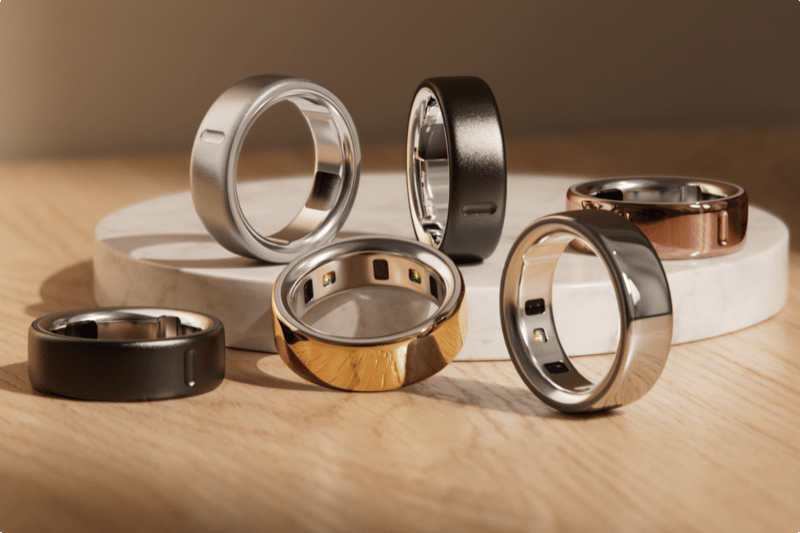
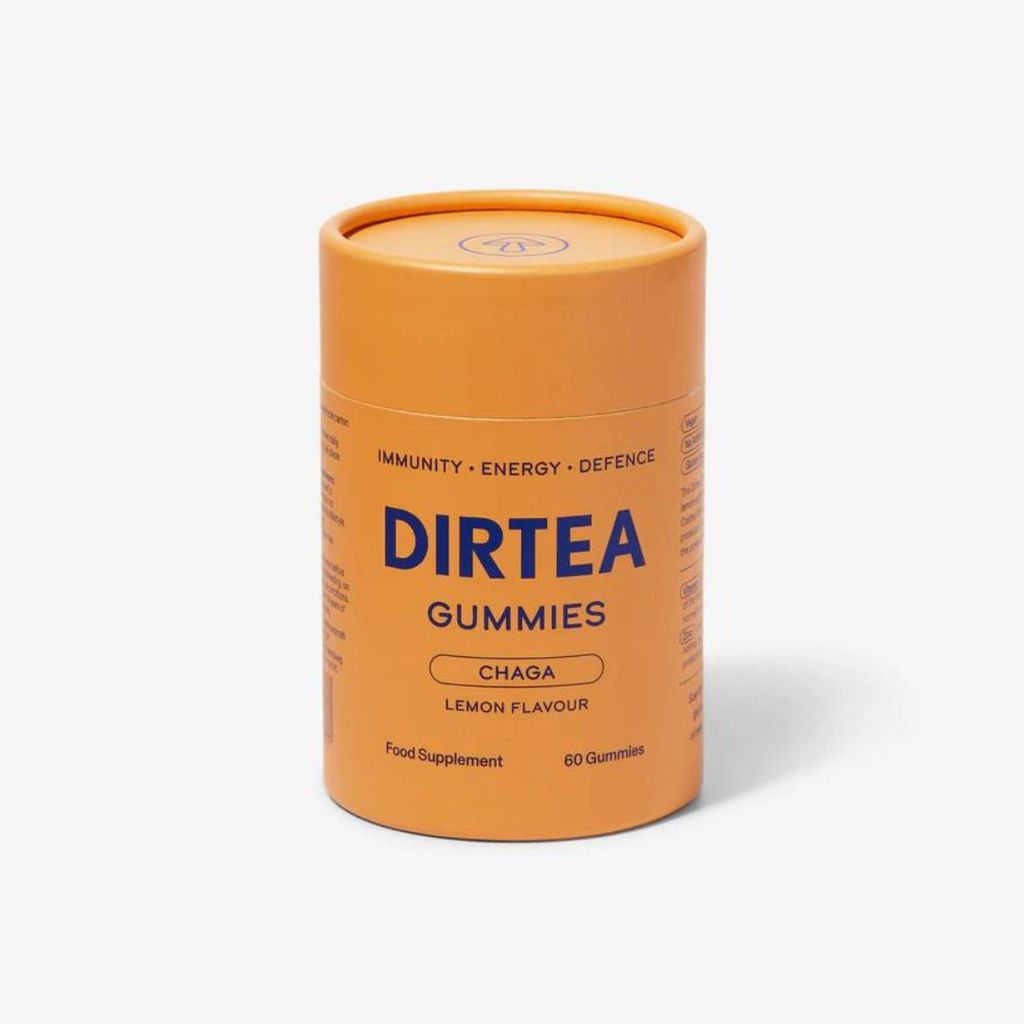
Wearing a supplement rather than swallowing it rewires the brain to prioritise its significance, so the visual cue of a vitamin patch is integral to its value. Just as we like to signal our wider health choices to others, we’re increasingly bringing our supplement choices out the kitchen and into visibility too. Just as the Oura Ring is an excellent health tracker, it’s also a visual tell about what the wearer’s priorities are, and central to its success is its visibility. A healthy lifestyle is one of the most frequently cited preferences on dating apps. We signal our wellness choices in highly visible, perforative ways all the time now. DIRTEA canisters are left on the counter, not put in the cupboard. The What Supp Co. patches have deliberately eschewed a minimal aesthetic for this reason; they’re colourful and designed to be noticed. 98% of our consumers surveyed responded that they liked the visual reminder that they were doing something good for their body. Seeing the patch on their wrist made them feel good. This is a hugely compelling factor in repeat use and a key reason why the demand for alternative formats is on the rise.
Why portability is everything
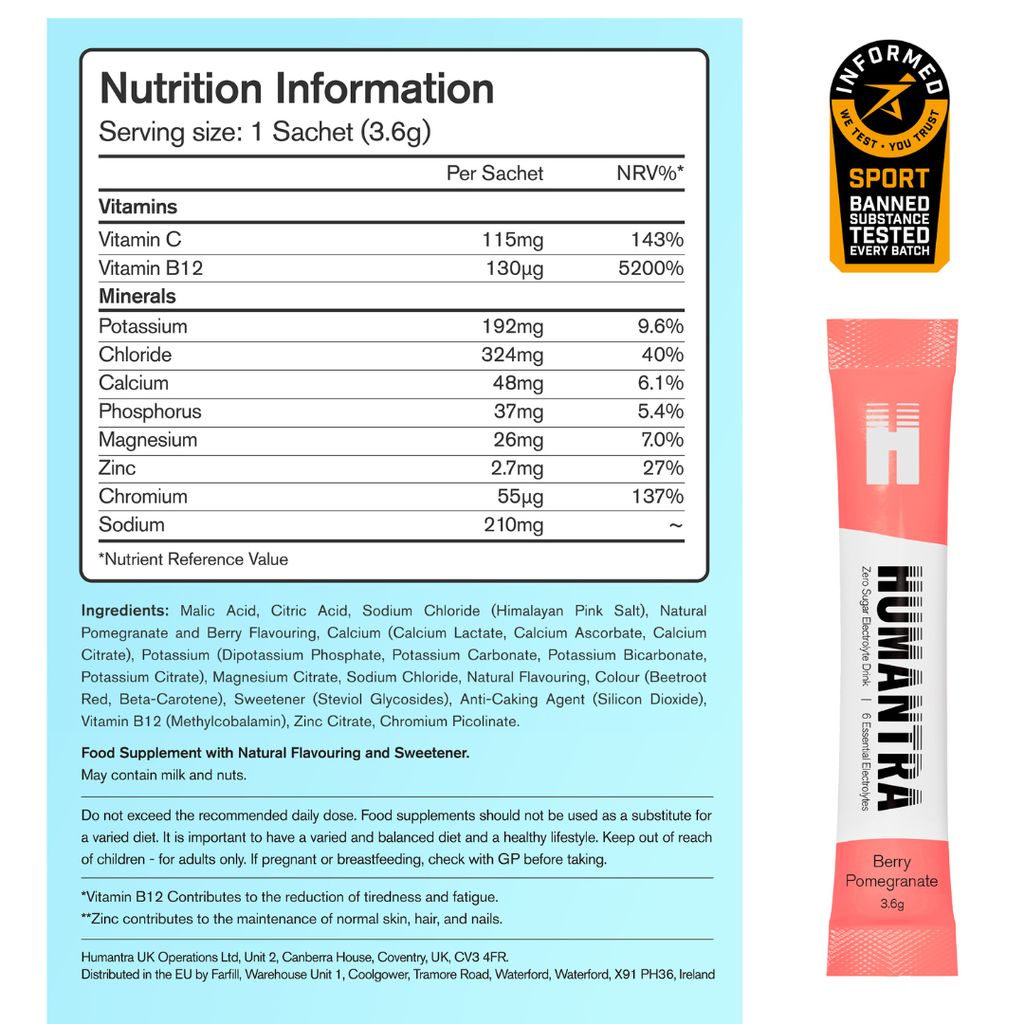
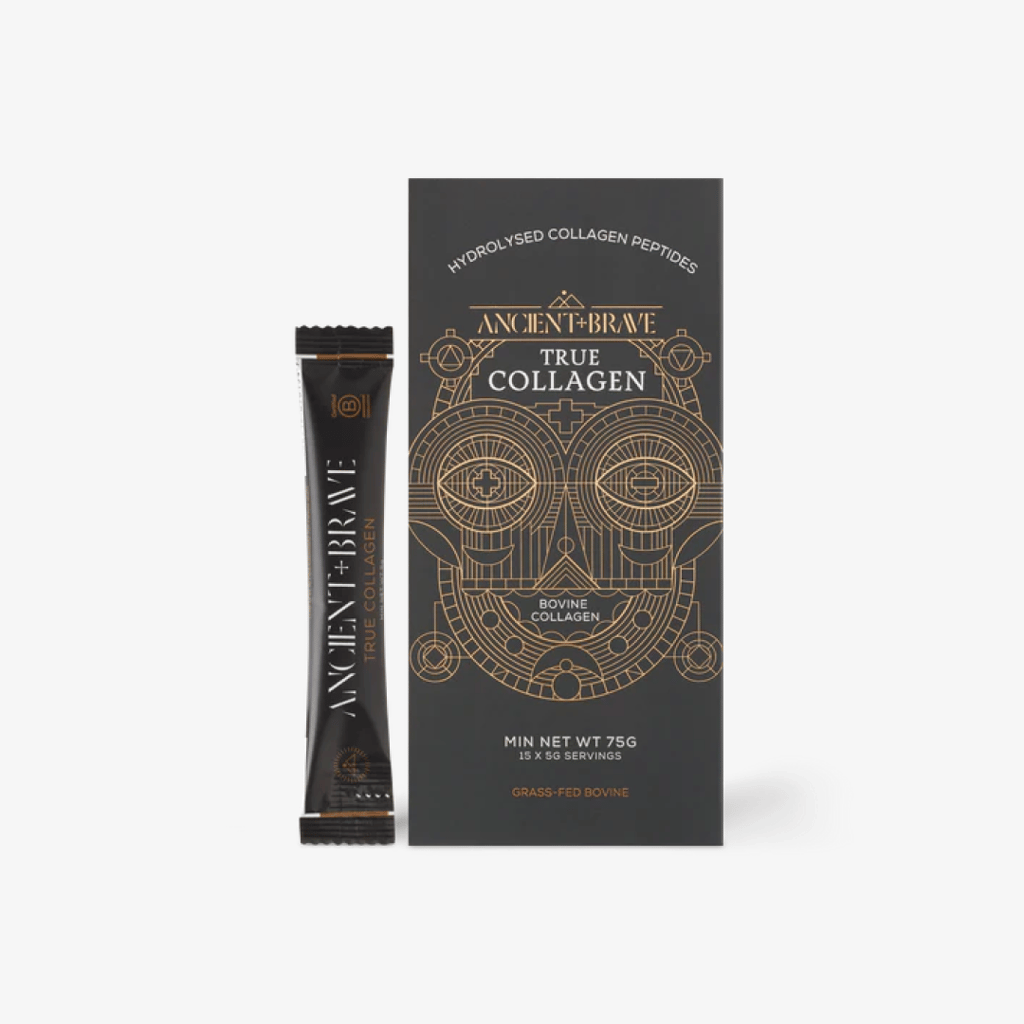
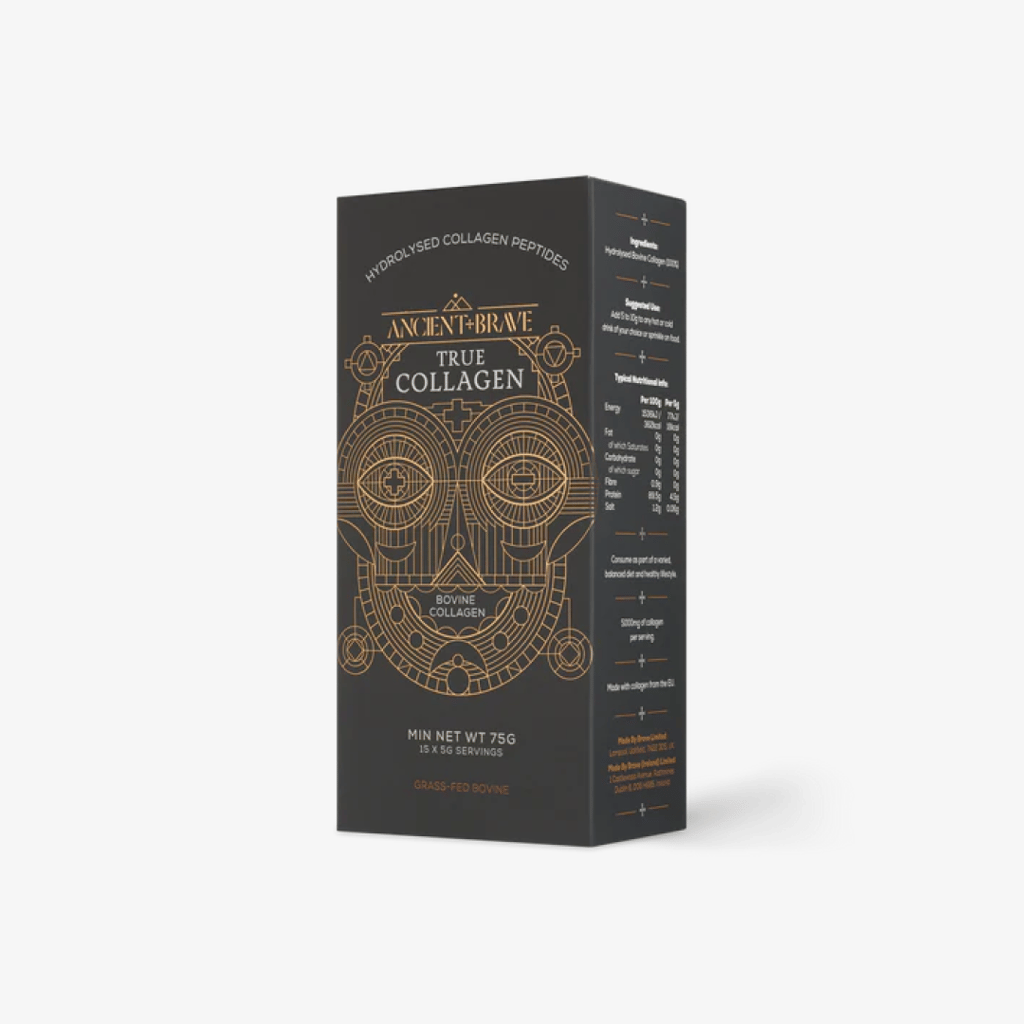
Vitamins that live outside the house are thriving. We need flex in our day to accommodate when life does not go to plan and we run out the house without taking that pill. Brands like Humantra understand this. Their colourful sachets of hydration salts make enhancing our water intake supremely frictionless and fun. The packaging is designed to be chucked into a bag. Ancient + Brave, too, quickly understood the power of offering packaging that works in the real world, nudging regular use with their individually dosed sachets of True Creatine and True Collagen alongside their larger format kitchen staples. They also understand that sachets encourage sharing. Talking about our supplements intake is part of the enjoyment of them. No-one is gatekeeping their routine anymore. It is sub-stacked, Instagrammed and Tik-Tok’d. We want to show off our choices. With this in mind, The What Supp Co. patches were designed to come perforated so they can be shared with a friend and the card wallets are slim and sturdy enough for pulling in and out a bag.
As Stanford University’s Kelly McGonigal explains, small, manageable behaviours have disproportionately positive effects on long-term health. So the easier, and more enjoyable a supplement is to take, the more probable the consumer won’t let it expire and end up in the bin. So when you consider your supplement intake, consider too, how compliant you are. If you struggle with routine and getting to the end of that jar of tablets, portable, wearable supplements are a good choice. It’s as easy as peel, stick and go.
Four reasons to try a supplement patch
Vitamin patches bypass the digestive tract because they act transdermally, so no ingredients are lost to digestive issues, leaky gut or negative interactions with other supplements.
They do not cause nausea and can be applied at any time (food or no food).
If you struggle with finishing a pot of pills, the visibility of a patch may be the nudge you need to keep up a routine.
The psychology of seeing the supplement is important. The reward response in the brain is triggered, which provides a sense of accomplishment. This sets off a virtuous internal dialogue, which means you are more likely to make other positive decisions for yourself. Win win.
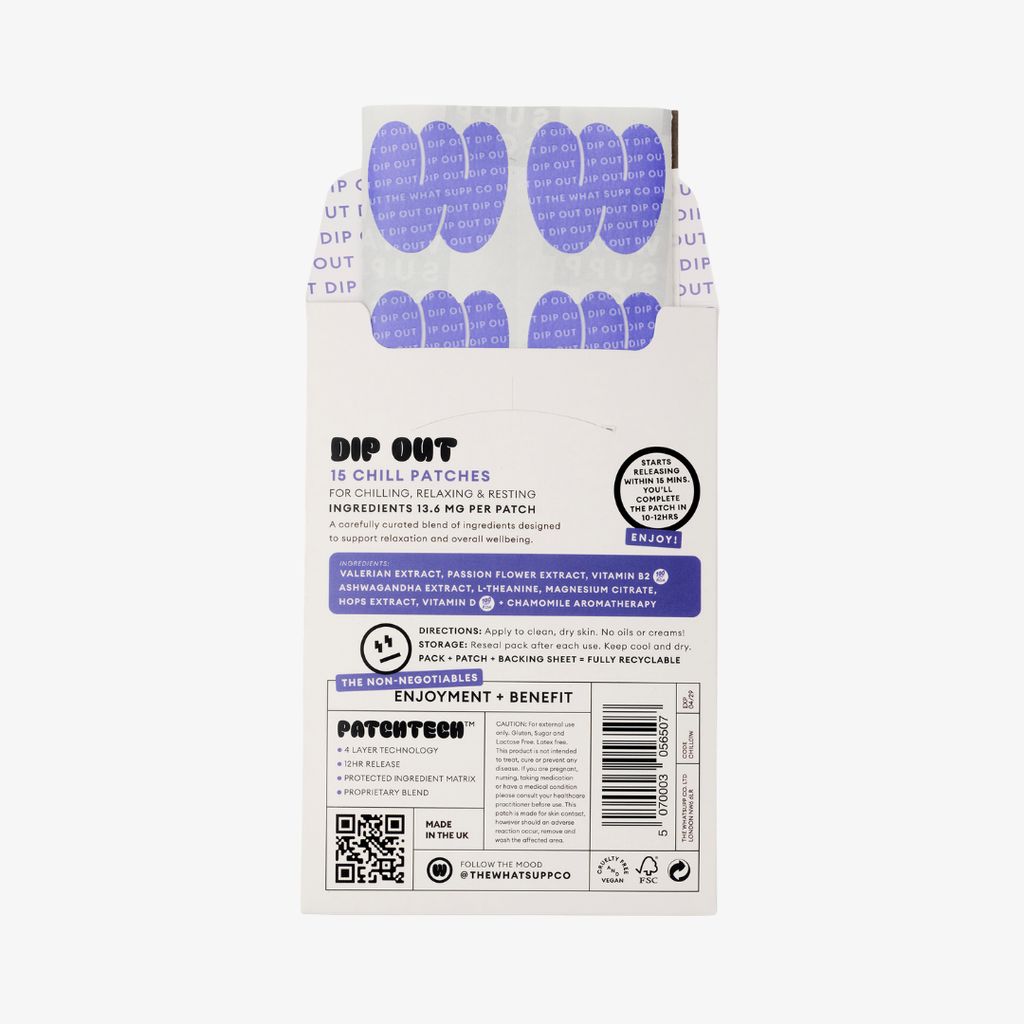
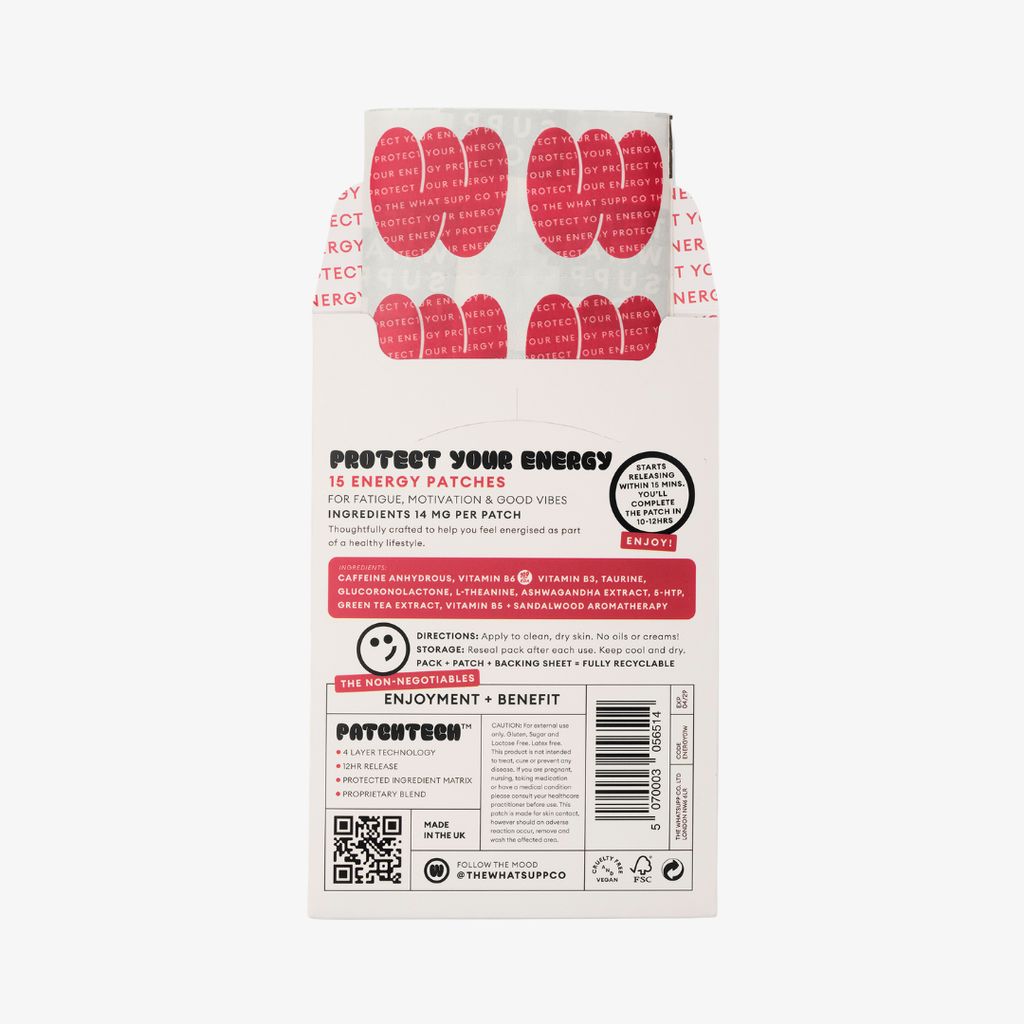
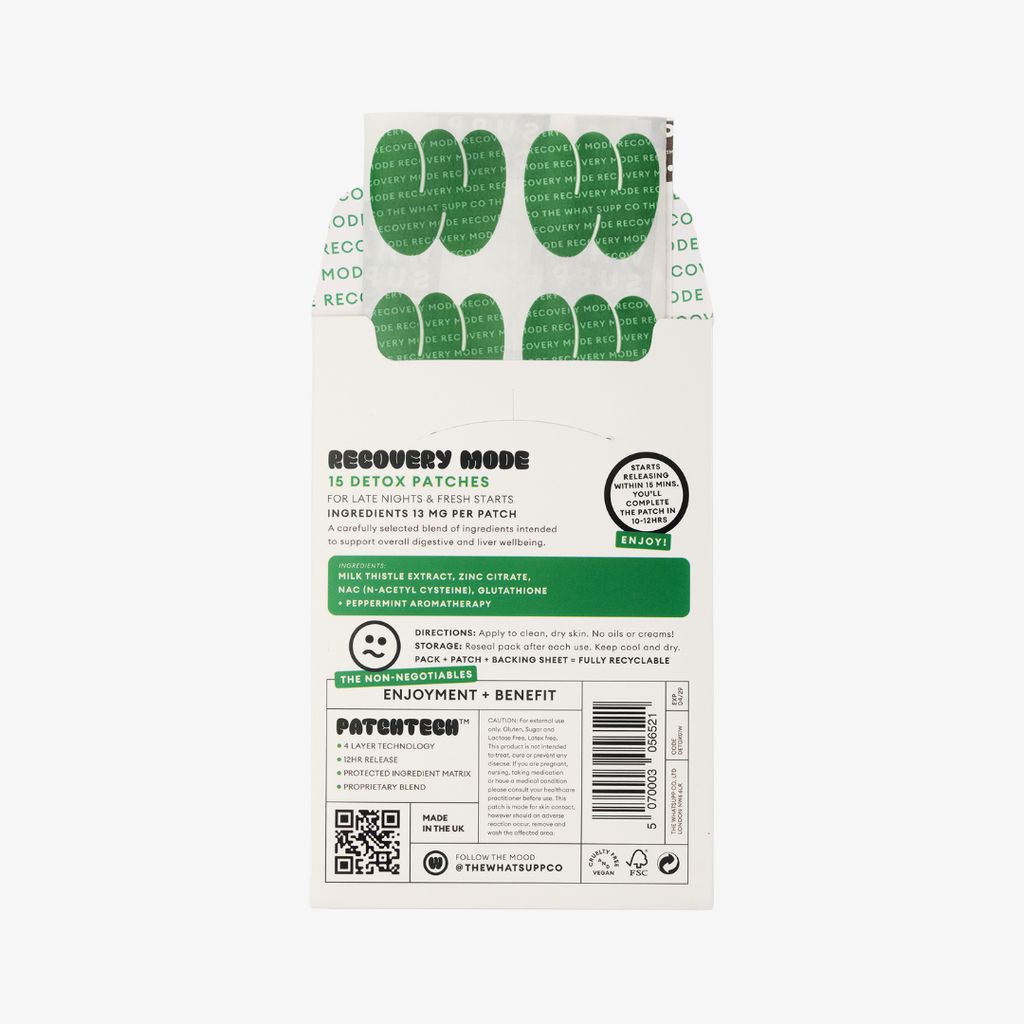
Meet the three patches for energy, detox and calm



Other pill-free favourites Kelly swears by

Your most asked questions, answered
Q: Are vitamin patches better than pills?
A: For some people, yes. This is because patches remove the need to swallow tablets, omit timing with meals and may help avoid digestive discomfort, which can improve consistency of use. “Better” does of course depend on the individual. Pills do have more established clinical uptake and evidence of nutrient delivery, while patches' effectiveness can vary and since it’s fairly new.
Q: Do vitamin patches really work?
A: Patches (such as the ones from The What Supp Co.) are engineered for slow-release delivery and to bypass the digestive system. The “Dip Out” patch claims up to 12 hours of transdermal absorption in fact. It is important to choose a quality, waterproof patch composition and look for ingredients that are below a molecular weight of 500 daltons so they can penetrate the skin barrier.
Q: How do vitamin patches work?
A: They use layered adhesive patch technology which applies on clean, dry skin and releases selected nutrients gradually through the skin - avoiding the digestive tract. The underlying science here is called transdermal delivery. Do remember that the skin is a strong barrier, so only certain molecular sizes and formulations will penetrate.
Q: What vitamins can you get in patch form?
A: The What Supp Co. offer patches targeting specific needs. Protect Your Energy includes B3, B5, B6 plus adaptogens and caffeine. Their Dip Out Chill patch uses magnesium, L-theanine and vitamin D. Recovery Mode welcomes glutathione, milk thistle and NAC.
Q: Are vitamin patches safe?
A: Yes but always look for ones which are made to medical-grade standards, with transparent ingredient lists, evidence of stability testing, and manufactured in GMP-certified facilities. Choose patches that use high-quality adhesive designed for sensitive skin and are dermatologically tested. Avoid unverified brands that don’t disclose nutrient dosages, use fabric patches that can’t seal ingredients properly, or of course make exaggerated health claims without clinical backing.
Q: How long should you wear a vitamin patch?
A: According to The What Supp Co., you apply the patch to clean, dry, hair-free skin and it begins working within 15 minutes and continues for up to 12 hours.
Q: Do vitamin patches bypass digestion?
A: Yes they can. In fact, one of the key claims is that the transdermal patches bypass the stomach and digestive tract entirely, delivering ingredients directly through the skin and avoiding first-pass metabolism. We will add here, that this bypass does not guarantee full absorption; absorption through skin remains more unpredictable than via the digestive route.



This article is for informational purposes only, even if and regardless of whether it features the advice of physicians and medical practitioners. This article is not, nor is it intended to be, a substitute for professional medical advice, diagnosis, or treatment and should never be relied upon for specific medical advice. The views expressed in this article are the views of the expert and do not necessarily represent the views of Healf