

































_2026-10-13_14-11-48.png)


Why Isn’t Your HRV Improving Even Though You Sleep Well?
MUTO founder Dr Richie Barclay on how cellular health and recovery metrics really work and what science-backed interventions will actually move the needle.

Written by: Samantha Nice
Written on: 21 October 2025
Heart rate variability (HRV) has become one of the most talked-about health metrics thanks to wearable tech. Many of us now track it daily, using it to guide training loads, recovery days and even sleep routines. But what if you’re doing everything right - prioritising rest, training consistently, eating well - and your HRV still won’t shift? According to Dr Richie Barclay, founder of MUTO, the answer lies not in the basics, but in what’s happening deeper at a cellular level.
“It can be frustrating to feel like you’re ticking all the right boxes but your body isn’t giving you the numbers you expect,” he says. “HRV isn’t just a reflection of your day-to-day habits; it’s a window into how well your cells are functioning, how resilient your mitochondria are and whether your recovery systems are keeping up with the stress you’re placing on your body.” Understanding HRV, and what influences it beyond lifestyle habits, is key for anyone serious about long-term health, recovery and longevity. Let’s get into it.
What HRV is really measuring
First things first, what exactly is HRV? “HRV measures the small variations in time between heartbeats. It is a direct reflection of the balance and adaptability of the autonomic nervous system, which regulates the body’s stress response and recovery capacity. From a longevity perspective, HRV is powerful because adaptability is at the core of resilience. A higher baseline HRV is associated with reduced cardiovascular risk, improved recovery, and healthier aging trajectories. It is not simply a fitness metric, but a sensitive, non-invasive marker of how well the body is prepared to repair, adapt, and protect long term health,” Dr Barclay explains.
Put simply, HRV is less about hitting a perfect score and more about whether your body is flexible and resilient in the face of stress. A high HRV suggests your nervous system can respond efficiently to challenges, whether that’s a hard workout, emotional stress or illness. A low HRV indicates your body is under strain and may not be recovering optimally… even if you feel fine on the surface.
For example, two people might both train and sleep well, but the one with lower HRV may have hidden stress, nutrient gaps or cellular inefficiencies that are limiting recovery. Tracking HRV gives early insight into these issues before they manifest as fatigue, injuries or longer-term health issues.
Why HRV plateaus even when lifestyle habits are strong
It’s a common scenario… you prioritise sleep, stick to a structured training plan and eat a balanced diet, yet your HRV refuses to improve. Dr Barclay says this is often a sign that the underlying systems supporting your recovery are being overlooked or underpowered.
“When lifestyle foundations appear solid but HRV fails to improve, it often points to hidden stress or inefficiencies beneath the surface. Subtle nutrient deficiencies, particularly in iron, B12, magnesium, or omega-3 fatty acids, can also impair recovery capacity and autonomic balance without producing obvious symptoms at first,” he explains.
Psychological stress is another culprit. Even if physical recovery is solid, mental strain from work, life events, or emotional load can suppress HRV. “Psychological stress (like work, exams, deadlines, or emotional strain) can suppress HRV independently of physical health,” he adds. Another factor is training load relative to recovery. Even structured workouts can accumulate into wear and tear of stress on the body - especially if rest weeks and deloads aren’t carefully considered.
Finally, Dr Barclay points out that cellular resilience underpins HRV: “HRV reflects the adaptability of the autonomic nervous system, but that adaptability depends on mitochondrial efficiency, redox balance and sufficient NAD+ availability. If ATP (cellular energy) production is limited or oxidative stress is elevated, the body may struggle to fully benefit from otherwise excellent sleep, training and diet. Over time, this creates a plateau effect where lifestyle inputs are good, but the cellular machinery cannot keep up.” In other words, your HRV plateau is rarely a reflection of failure and more likely your body signalling that deeper, cellular-level support might be necessary.
The role of mitochondria and cellular energy
Your nervous system and heart are incredibly energy-demanding systems, requiring constant ATP to function optimally. Mitochondria are responsible for producing this energy, and their efficiency directly impacts your HRV.
“The heart and autonomic nervous system require large and continuous amounts of energy. Mitochondria supply this energy in the form of ATP, enabling cells and tissues to respond flexibly to changing demands. If mitochondrial output or ATP generation is compromised, cellular stress increases, autonomic regulation becomes less stable and HRV may decline,” Dr Barclay explains.
Think of mitochondria as engines powering your nervous system. Even with ‘perfect’ lifestyle habits, if these engines aren’t running efficiently, the body struggles to respond to stress and recover fully which shows up as stagnant HRV scores. This concept is especially relevant for older adults or anyone with chronic stress or nutrient deficiencies. Mitochondrial inefficiency can subtly suppress recovery signals, leaving you feeling ‘fine’ day-to-day but still stuck at a physiological plateau.
NAD+: powering resilience from the inside out
Mitochondrial efficiency is closely tied to NAD+ (Nicotinamide Adenine Nucleotide), a coenzyme critical for energy production, DNA repair and cellular stress responses.
“NAD+ is present in every cell, essential for converting nutrients into ATP, repairing DNA, maintaining mitochondrial function and activating longevity-associated pathways such as the sirtuins and PARPs. As we age, NAD+ levels decline significantly. Lower NAD+ availability impairs mitochondrial function, slows repair processes and diminishes the ability of cells and tissues to adapt to stressors such as exercise, illness, or sleep disruption,” says Dr Barclay.
When NAD+ is low, recovery takes longer, resilience decreases and HRV may plateau even if sleep, training, and nutrition are on point. This explains why some people hit a ceiling in recovery metrics despite seemingly spot-on habits. Dr Barclay emphasises that supporting NAD+ isn’t about chasing short-term energy boosts though. “Preserving or restoring NAD+ is about sustaining cellular adaptability and healthspan across the lifespan - not just performance.”
When lifestyle habits alone aren’t enough
Once foundational habits are solid, further improvements in HRV often require targeted cellular support. “For many people, the foundations of proper recovery (quality sleep, structured training, balanced nutrition, and stress management) are already in place, yet HRV can remain stubbornly low or plateau. In these cases, the bottleneck is often not behavioural but cellular. By restoring NAD+ availability and supporting mitochondrial function, cells are better able to use the inputs of sleep, nutrition and training to generate resilient physiological outputs,” Dr Barclay explains. In practice, this means looking at things that support energy production, reduce oxidative stress and enhance cellular repair which often go beyond lifestyle inputs.
Evidence-based interventions for HRV and recovery
Dr Barclay outlines some of the best compounds with strong scientific backing:
NAD+ precursors (such as Nicotinamide Riboside): increase NAD+ levels, supporting energy production and DNA repair.
Polyphenols and flavonoids (Fisetin, Quercetin, Grape Seed Extract, Pterostilbene): reduce senescent cells and improve mitochondrial efficiency.
Creatine: supports ATP buffering for both muscle and brain recovery.
Omega-3 fatty acids (EPA/DHA): reduce inflammation, support vascular function and improve parasympathetic activity.
“Effective supplementation must be delivered at clinical dosages proven in peer-reviewed studies. They would ideally be built as synergistic formulas where ingredients amplify each other’s activity, too” he says.
Using wearable data effectively
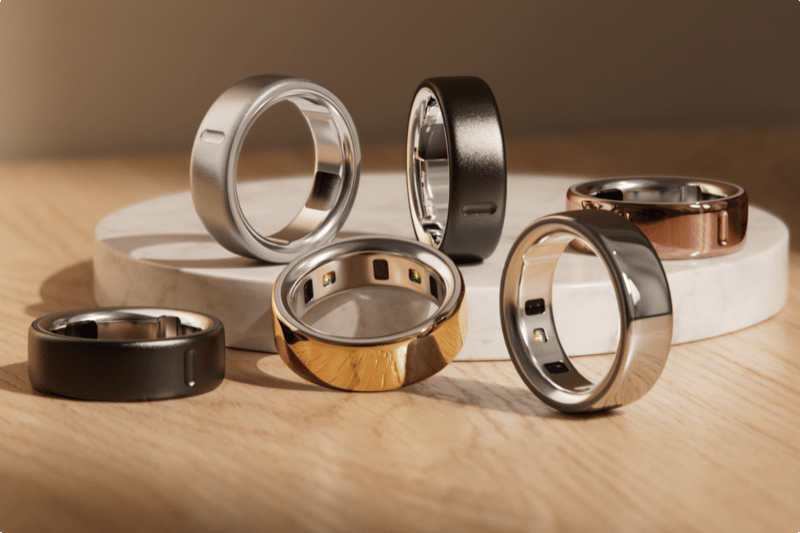
Wearables (like Oura Ring and WHOOP) are more than numbers. They're tools for early detection and decision-making - not a metric to obsess over. “Wearables act as early warning systems and a guide for daily decision-making. When HRV trends lower for weeks despite consistent training, sleep and nutrition, or when recovery scores plateau, it can signal underlying inefficiency. When combined with how you feel day to day, this data can help identify when to seek further support,” Dr Barclay explains.
Here are some key patterns to watch out for:
Blunted reactivity: HRV does not rise after rest days
Flattened daily variation: HRV barely changes between stress and recovery periods
Long-term downward drift: HRV declines steadily with no clear lifestyle explanation
“These patterns do not prove mitochondrial or NAD+ issues but they are consistent with underlying cellular inefficiency. This is why combining wearable data with targeted interventions is so valuable in a longevity framework,” he explains. By correlating HRV trends with subjective feelings like your energy, mood and perceived recovery, you can identify when additional cellular support, nutrient checks or training adjustments are needed.
Practical steps to improve HRV and resilience
Dr Barclay always emphasises starting with the foundations before looking at other things like supplements.
Prioritise good-quality sleep
Follow a structured training plans
Factor in rest and recovery
Eat a balanced, nutrient-rich and varied diet
Try hot/cold exposure
Consider daily stress regulation (like slow breathing, journaling or walking)
“These habits form the foundation for both daily recovery and long-term resilience. They are the first things to optimise before looking at targeted cellular support,” he says.
When checking HRV, he advises not to react instantly to numbers upon waking. “Do not make the mistake of checking your wearable the moment you wake. Instead, take time to check in with yourself first,” says Dr Barclay. Ask how rested you feel, whether your mood is stable, and whether you feel prepared for the day. Only later, ideally one to two hours after waking, should you review your HRV and recovery data, and correlate it with your own perception. This prevents your behaviour from being driven by numbers alone.
Common misconceptions about HRV
Dr Barclay notes that many do in fact misunderstand what HRV actually represents:
It isn’t a magic score… higher isn’t always better if your baseline is healthy.
Short-term dips aren’t necessarily a sign of failure and stress and variation are normal.
Obsessing over daily fluctuations can increase stress, which ironically suppresses HRV.
“From a longevity perspective, HRV is best used as a trend indicator over weeks and months, not as a daily scoreboard. It is a tool for awareness, not control,” he says. By using HRV this way, you can detect hidden inefficiencies early, make informed decisions about rest, training, and cellular support, and avoid unnecessary anxiety over minor daily variations.
The longevity perspective
Ultimately, HRV is less about short-term optimisation and more about long-term resilience. “Longevity is about protecting adaptability and recovery capacity decade after decade. HRV offers a daily window into whether that strategy is working, but it should always be interpreted in the context of how you feel, not in isolation, and paired with foundational habits which form the basis of your longevity protocol,” Dr Barclay concludes.
Here are some useful pointers:
Look at your lifestyle first and focus on sleep, nutrition, stress management and structured training
Track HRV trends over time instead of daily fluctuations Investigate cellular health if metrics plateau, including NAD+ support and mitochondrial function
Use evidence-backed interventions to enhance recovery capacity, not as a quick fix or shortcut
By combining wearable insights with lifestyle tweaks and targeted cellular support, you can finally move past your HRV plateau, recover more effectively and protect your healthspan too.
Your most asked HRV questions, answered
Q: What is HRV and why is it important?
A: HRV measures the small variations in time between heartbeats and reflects the adaptability of the autonomic nervous system, making it a sensitive, non-invasive marker of recovery, resilience and long-term health.
Q: How can I improve my HRV?
A: Improving HRV requires strong lifestyle foundations like quality sleep, structured training, balanced nutrition, stress management and, when needed, targeted cellular support like NAD+, Polyphenols, Creatine and Omega-3s.
Q: Why is my HRV low even though I sleep and train well?
A: HRV may remain low despite good habits due to hidden stress, under-recovery, subtle nutrient deficiencies or cellular inefficiencies such as mitochondrial dysfunction and low NAD+ availability.
Q: What is a normal or healthy HRV?
A: HRV has a personal set point shaped by age, genetics and training history, so a plateau often represents a stable, resilient baseline rather than a failure.
Q: Can wearables accurately track HRV?
A: Wearables are effective early-warning tools to monitor HRV trends and identify hidden inefficiencies, but data should be interpreted alongside daily self-assessment and lifestyle context rather than in isolation.




This article is for informational purposes only, even if and regardless of whether it features the advice of physicians and medical practitioners. This article is not, nor is it intended to be, a substitute for professional medical advice, diagnosis, or treatment and should never be relied upon for specific medical advice. The views expressed in this article are the views of the expert and do not necessarily represent the views of Healf
Samantha Nice is a seasoned wellness writer with over a decade of experience crafting content for a diverse range of global brands. A passionate advocate for holistic wellbeing, she brings a particular focus to supplements, women’s health, strength training, and running. Samantha is a proud member of the Healf editorial team, where she merges her love for storytelling with industry insights and science-backed evidence.
An avid WHOOP wearer, keen runner (with a sub 1:30 half marathon) hot yoga enthusiast and regular gym goer, Samantha lives and breathes the wellness lifestyle she writes about. With a solid black book of trusted contacts (including some of the industry’s leading experts) she’s committed to creating accessible, well-informed content that empowers and inspires Healf readers.