











_2026-10-13_14-11-48.png)


Should I Be Bathing In Magnesium?
You’ve been swallowing the supplement but soaking in the stuff may well be the new way to get your magnesium fix. Here’s what the research reveals…
Written by: Samantha Nice
Written on: 3 November 2025
Dubbed the “miracle mineral,” magnesium is a staple supplement for energy, recovery, and relaxation… but have you tried bathing in it?
It really is as simple as it sounds. Instead of swallowing a capsule, you pour salts into your bath and soak in it. The idea is that magnesium can be absorbed transdermally (through the skin), allowing it to bypass digestion and reach the muscles and nervous system more efficiently.
With winter settling in (AKA peak bath season), magnesium soaks are being praised as a natural remedy for anxiety, insomnia, sore muscles and even hormonal balance. But can your skin really absorb meaningful amounts of magnesium, or does the science behind transdermal magnesium therapy still need to play catch up? We take a closer look at what the research really says, and how to make your soak as effective as possible.
What is a magnesium bath?
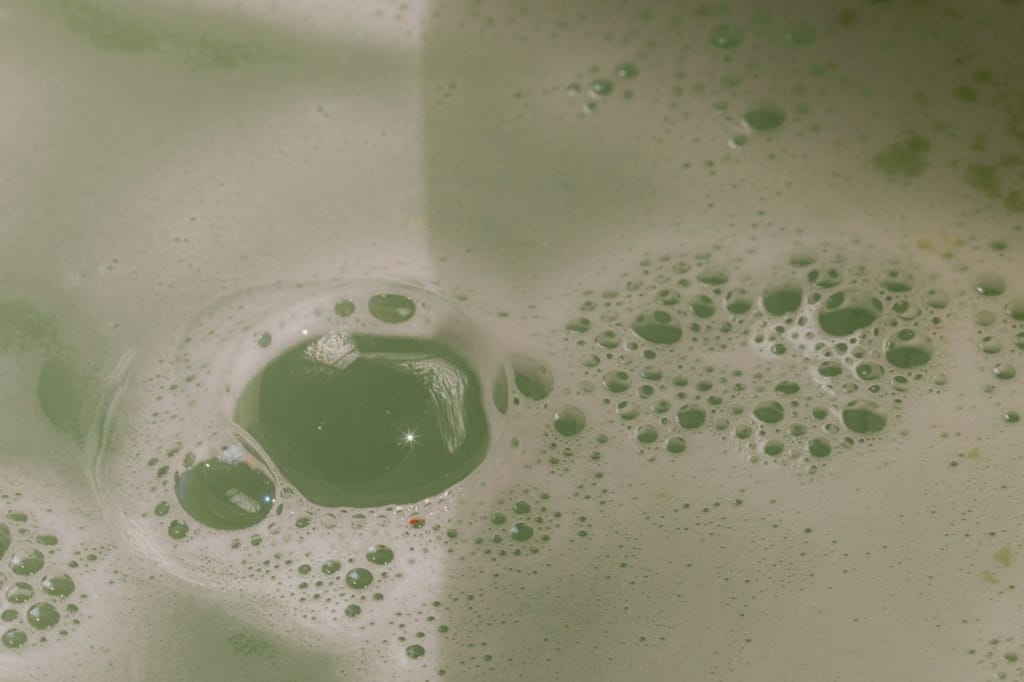
A magnesium bath involves adding magnesium-rich salts to warm water and soaking in it. These minerals dissolve and create a soothing, mineral-infused soak that’s said to relax muscles, calm the mind and promote better sleep. Sold already? Yeah we are too.
“Magnesium chloride flakes and Epsom salts (magnesium sulfate) are most commonly used,” explains immunologist Dr Jenna Macciochi. “Magnesium chloride may have slightly better absorption properties due to its solubility and permeation, but comparable meaningful clinical superiority remains unproven.” In short, both forms work well for relaxation… It's more about personal preference and how your skin tolerates each one.
So how does it actually work?
Magnesium plays a vital role in hundreds of biochemical processes in the body, from muscle function and energy production to stress regulation and sleep. The logic behind magnesium baths is that warm water opens the pores and relaxes the skin barrier, allowing magnesium ions to pass through the skin and into the bloodstream.
This concept, known as transdermal absorption, has gained traction in wellness circles as an alternative for those who struggle with oral supplements or digestive sensitivity. But what does science actually say?
Can you really absorb magnesium through the skin?
According to Jenna, the evidence for transdermal absorption is mixed. “Current research shows that magnesium can penetrate the skin in small amounts, with absorption varying depending on factors such as concentration, contact duration, temperature and skin condition,” she says. “Hair follicles may enhance absorption, accounting for up to 40%, and longer bath durations at higher concentrations may increase permeation.”
Some studies using magnesium creams and solutions have shown small but measurable increases in magnesium levels in blood or urine after prolonged, repeated application. Jenna does however note that “bioavailability is lower compared to oral routes.” In other words, your skin can absorb some magnesium… but not nearly as efficiently as your gut.
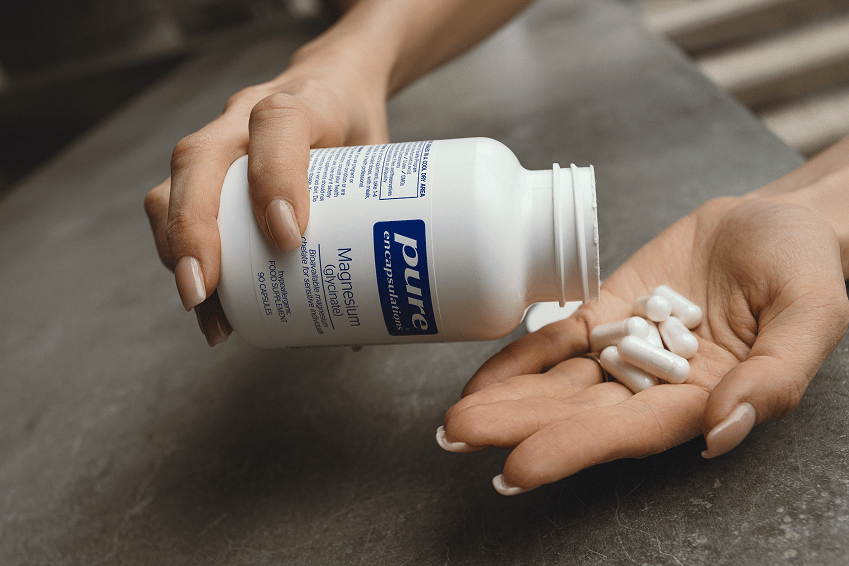
“Oral magnesium supplements are far more efficient at raising systemic magnesium status, with absorption rates of 30-50% in healthy adults,” she explains. “Oral intake reliably improves magnesium levels and addresses deficiency, while transdermal absorption is variable, patchy and not proven to achieve consistent systemic levels in most people.” Talking of magnesium supplements, you may like this - An Expert Round Up Of The Best Magnesium Supplements.
That said, transdermal magnesium may still be useful for those with digestive issues or difficulty tolerating oral magnesium. “It’s not a substitute for oral supplementation when correcting a deficiency, but it can still offer local benefits,” Jenna adds.
The science-backed benefits of magnesium baths
While transdermal magnesium may not dramatically boost your magnesium levels, there are still plenty of reasons to soak in the stuff.
“Skin barrier repair and moisturisation, especially in conditions like eczema, are supported in clinical studies using magnesium-rich dead sea salt,” says Jenna. The minerals in magnesium salts help draw moisture into the skin and support its protective barrier.
Beyond that, magnesium baths may help with:
Muscle soreness: Magnesium plays a key role in muscle contraction and relaxation. “Reduction in local muscle soreness and improved sense of relaxation may result from both magnesium and the warmth of the bath,” says Jenna.
Stress and anxiety: Research shows modest evidence for improvements in anxiety and sleep, particularly with oral magnesium supplementation. “The relaxation effect likely derives from both the mineral content and the warmth,” she explains.
Sleep quality: Magnesium supports the parasympathetic nervous system (the “rest and digest” response) which may explain why a warm soak before bed feels so deeply calming.
So, even if you’re not dramatically changing your magnesium levels, the indirect benefits are hard to ignore.
Who should give it a go?
Magnesium baths are generally safe for most people and a great addition to your wellness routine - especially if you experience muscle tension, poor sleep or stress.
However, Jenna advises caution in a few cases: “Magnesium baths are generally safe for healthy skin, but risks include skin irritation, allergic reactions, or low blood pressure in cases of excessive use, especially in those with kidney issues or cardiovascular conditions. Caution is also advised for broken skin or if you are pregnant.” You know the score by now… when in doubt, check with a healthcare professional though.
How to run the ultimate magnesium bath
If you’re ready to give it a go, here’s how to make it count:
Use the right amount: Most sources recommend 500-600 grams of magnesium salts per bath.
Temperature matters: Aim for warm, not hot (around 37–39°C) to optimise relaxation and absorption.
Soak for long enough: “There is evidence to suggest that longer bath durations at higher concentrations may increase permeation,” says Jenna. Aim for 20–30 minutes.
Make it a ritual: Add a few drops of calming essential oils, play some calm music and dim the lights to maximise your relaxation response.
Hydrate afterwards: Magnesium and heat can slightly lower blood pressure, so drink plenty of water (or a herbal tea) after your bath to stay balanced.
Our Healf-approved edit of the best magnesium bath products
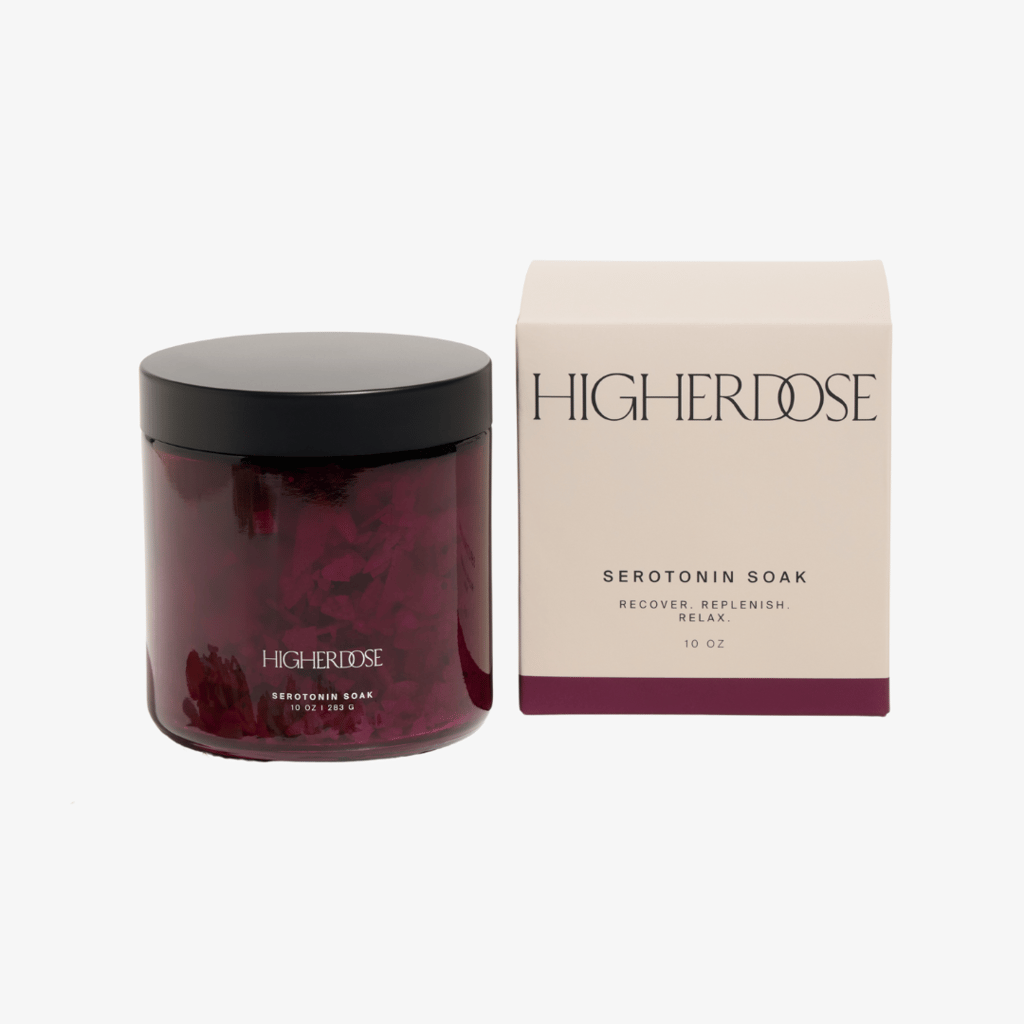
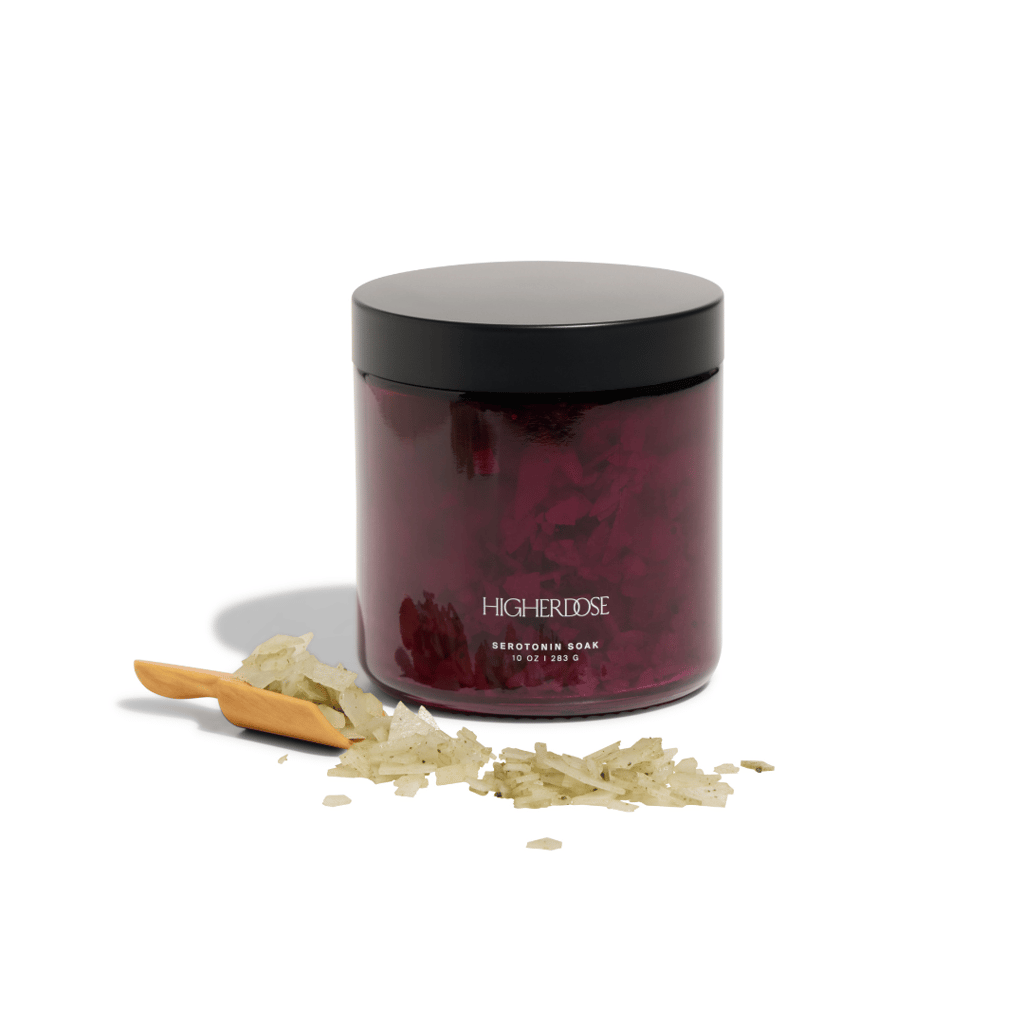
HigherDOSE Serotonin Soak Jar
Best for a mood‑boosting soak Infused with calming essential oils and apple cider vinegar, this luxe magnesium blend is built to feel like a spa ritual and is ideal for when your mind needs as much care as your muscles.
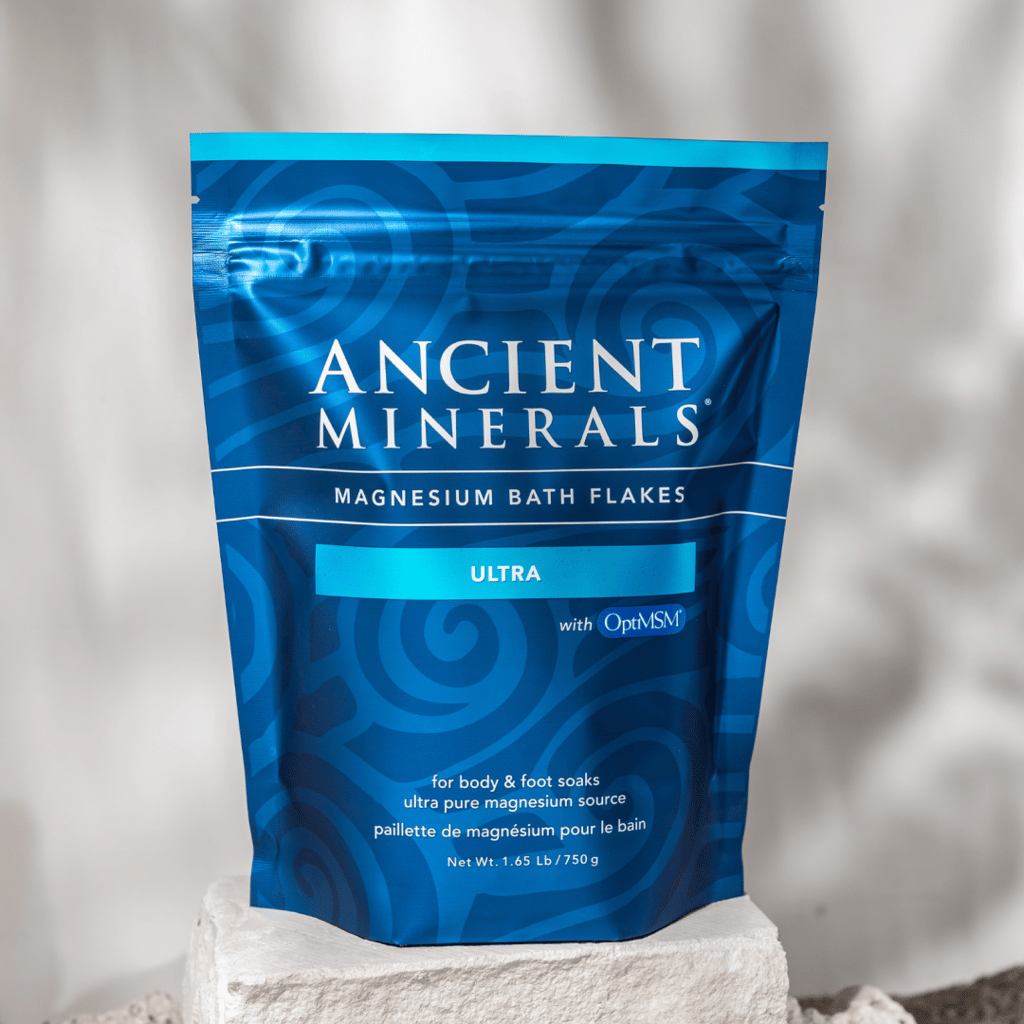
Ancient Minerals Magnesium Flakes
Best for pure, no‑nonsense concentration
Sourced from ancient seabed deposits, these flakes offer a high‑potency, minimalist formula for those who want full magnesium power without any extra frills.
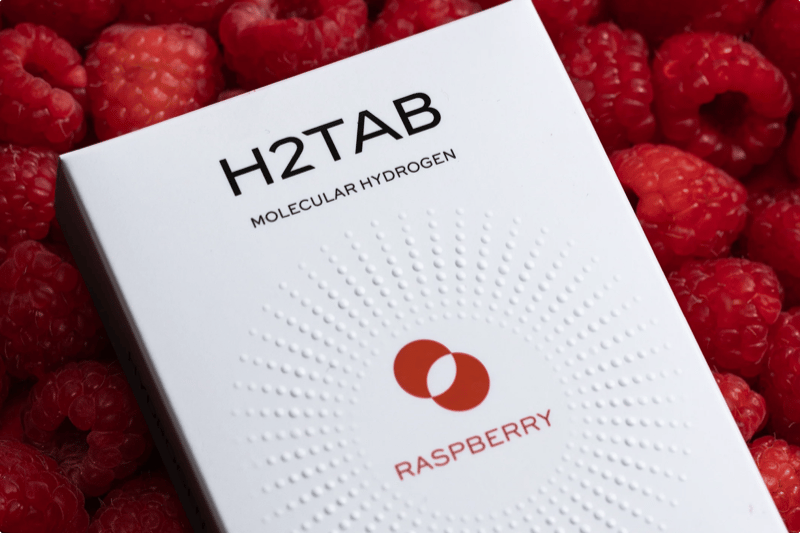
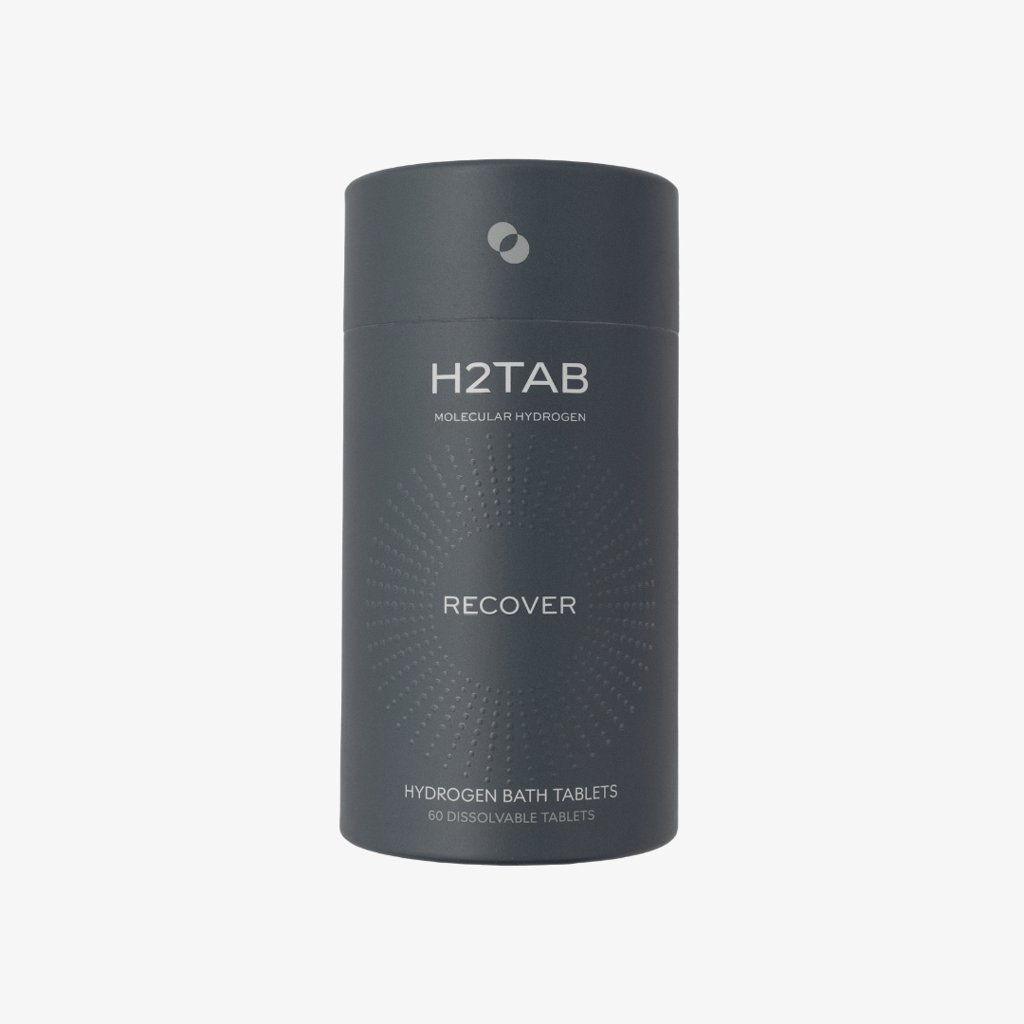
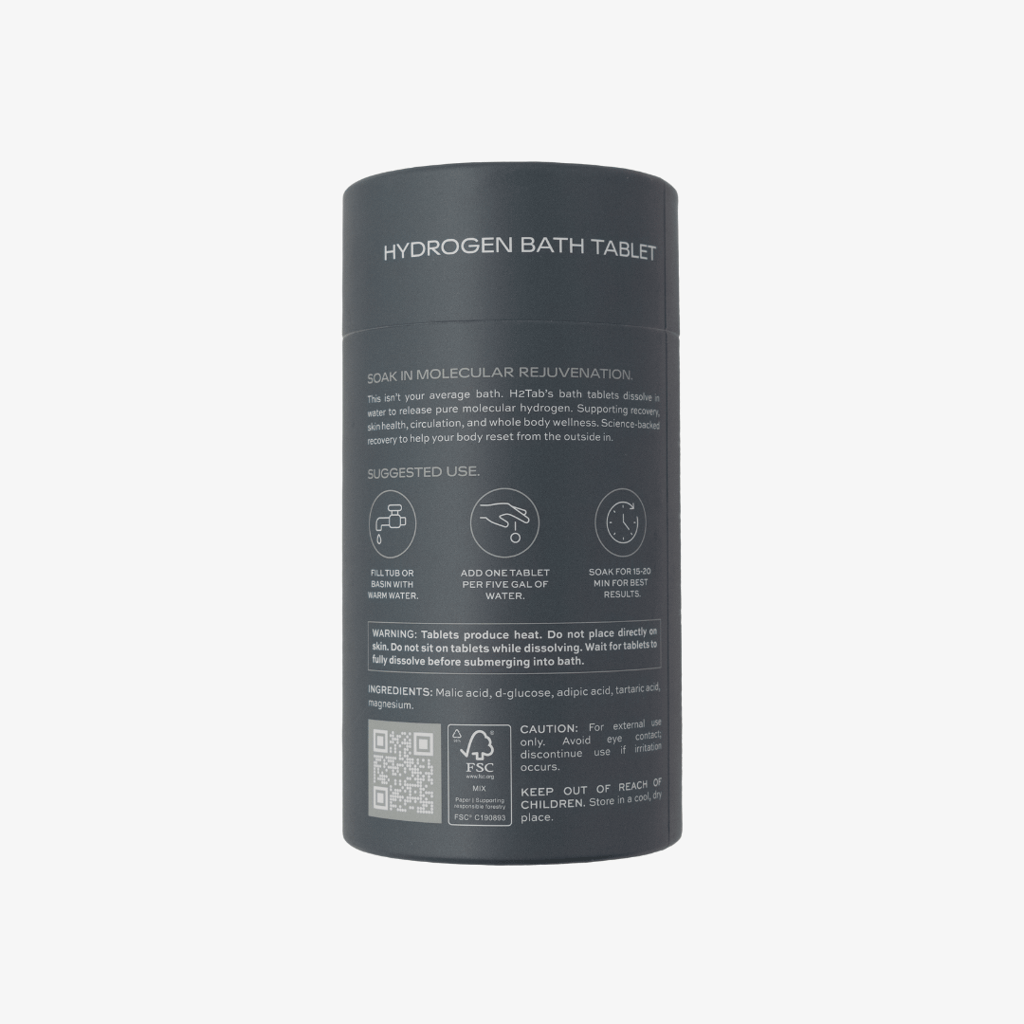
H2Tab Hydrogen Bath Tablets
Best for an extra antioxidant boost These fizzing tablets turn your bath into a hydrogen-rich soak and combine the benefits of magnesium with free hydrogen gas for an added wellness twist.
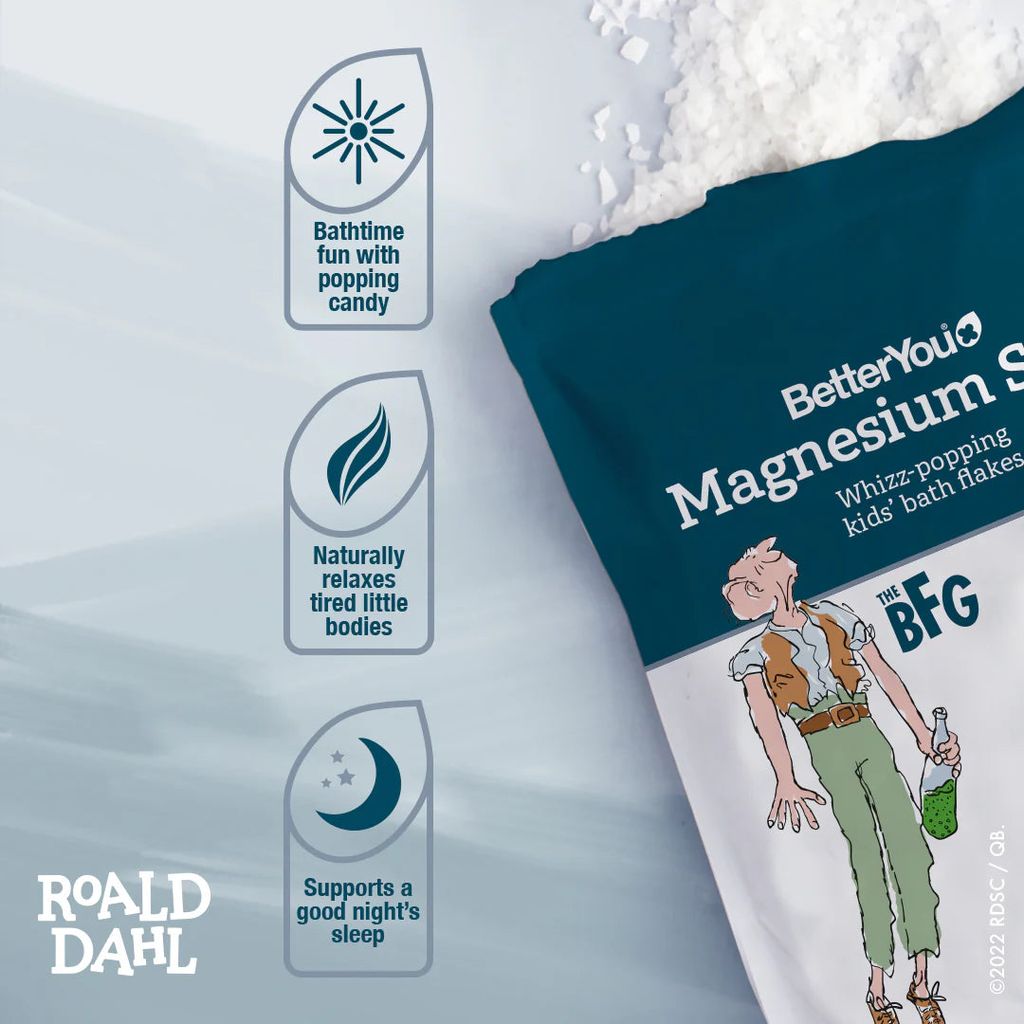
BetterYou Magnesium Sleep Kids’ Bath Flakes
Best for family soaks Tailored for younger skin and gentler concentration, this formula makes magnesium baths safe and soothing for kids.
Dr Teal’s Soothe & Sleep Lavender Foaming Bath
Best for aromatherapy lovers This foaming blend of Epsom salt and lavender essential oil is a must perfect for those who want bubbles and benefits in one single session.


The takeaway
Magnesium baths aren’t a miracle cure but they can be a genuinely restorative ritual that supports stress relief, muscle recovery and sleep. As Jenna sums up: “Transdermal magnesium isn’t a replacement for oral supplements, but it can be a wonderful way to relax, support skin health and promote a sense of calm… especially when combined with the soothing warmth of a bath.”




This article is for informational purposes only, even if and regardless of whether it features the advice of physicians and medical practitioners. This article is not, nor is it intended to be, a substitute for professional medical advice, diagnosis, or treatment and should never be relied upon for specific medical advice. The views expressed in this article are the views of the expert and do not necessarily represent the views of Healf
Samantha Nice is a seasoned wellness writer with over a decade of experience crafting content for a diverse range of global brands. A passionate advocate for holistic wellbeing, she brings a particular focus to supplements, women’s health, strength training, and running. Samantha is a proud member of the Healf editorial team, where she merges her love for storytelling with industry insights and science-backed evidence.
An avid WHOOP wearer, keen runner (with a sub 1:30 half marathon) hot yoga enthusiast and regular gym goer, Samantha lives and breathes the wellness lifestyle she writes about. With a solid black book of trusted contacts (including some of the industry’s leading experts) she’s committed to creating accessible, well-informed content that empowers and inspires Healf readers.