


























_2026-10-13_14-11-48.png)


Protein Bars: Good For You Or Just Good Marketing?
With recent documentaries and experts questioning the rise of ultra-processed foods, it’s time to ask: can protein bars really be healthy or have we just been sold clever convenience?

Written by: Samantha Nice
Written on: 16 October 2025
The buzz around protein bars and ultra-processed foods (UPFs) is everywhere right now… from recent documentaries to endless TikToks exposing what’s really hiding in our so-called “healthy” snacks. They’re sold as the ultimate quick fix: high in protein and perfect for life on-the-go. But peel back the shiny wrapper and you might find a cocktail of additives, artificial sweeteners and emulsifiers that make you wonder how healthy they really are.
Are protein bars the nutritional powerhouse we’ve been promised, or just another clever marketing move dressed up in fancy packaging? And the bigger question: in a world obsessed with convenience, can we ever truly have fast fuel that’s actually good for us? To find out, we spoke with nutritionist Jasmine Bliss, who shared her views on where protein bars fit in a balanced diet and what to watch out for next time you reach for one.
Are protein bars really that bad?
The current debate around ultra-processed foods has undeniably sparked plenty of fear, but Jasmine says the reality is more nuanced. “There’s definitely truth to the concern, but also a lot of oversimplification and fear-mongering,” she says. “Not all ultra-processed foods are created equal… a can of baked beans is not the same as a fizzy drink or a bag of crisps.”
Jasmine also notes that many protein bars fall into the ultra-processed category because of how they’re manufactured, but that doesn’t make them inherently harmful. For many, particularly those juggling busy schedules or specific training goals, they can actually serve a purpose. “As with everything in nutrition, the key is context,” Jasmine says. “It’s about how often you rely on them and what the rest of your diet looks like.”
It’s also worth remembering that ultra-processed foods now make up over half of the average UK diet - so the debate isn’t just about protein bars, but about how we navigate supermarket aisles increasingly dominated by UPFs disguised as ‘healthy’ options.
So what’s really inside most protein bars?
While the glossy packaging often promises clean energy and lean muscle, the ingredient lists often tell a different story. As Jasmine explains, most are built on a foundation of industrial ingredients. “Many use protein isolates from whey, soy or peas, plus stabilisers, emulsifiers, artificial sweeteners and sugar alcohols to improve texture and shelf life,” she says. “They’re often bound with glucose syrup or glycerine and flavoured with so-called ‘natural flavourings’ and sweeteners like sucralose and maltitol.” For more on this, have a read of - Behind The Sugar-Free Label: The Sweet Truth
She’s quick to clarify that it’s not about demonising any single ingredient. “It’s not necessarily that any one ingredient is toxic,” she adds, “but the level of processing and combination of additives is what pushes them into the ultra-processed category.”
Healthy hero or just hype?
So, are protein bars really as healthy as they claim, or are we being sold convenience wrapped in wellness buzzwords? “It depends on the bar… and the person,” Jasmine says. “Some protein bars made with high-quality protein, low-to-moderate sugar and minimal emulsifiers can be a convenient snack that supports health goals. Others are dressed up as much ‘healthier’ than they are through clever marketing.”
In other words, the label isn’t the full story. “Both can have a place in an overall balanced diet,” she explains. “But if you’re already getting enough protein through meals, a bar might just be unnecessary and it shouldn’t replace a proper meal.”
The key point here? It’s less about avoiding all protein bars and more about being an informed consumer by recognising that even the most “healthy-looking” products can sometimes be just clever branding.
The ingredients to watch out for
Not all protein bars are created equal and Jasmine recommends being a savvy label reader before buying any. “Artificial sweeteners and sugar alcohols like maltitol, sorbitol and sucralose can cause bloating or digestive discomfort,” she says. “Palm oil or hydrogenated fats don’t add nutritional value and very long ingredient lists are usually a clue about how ultra-processed a product is.”
She also highlights the importance of balance. “Low-protein, high-sugar combinations (say under 10g of protein and over 10g of sugar) aren’t ideal if you’re choosing it for health or satiety,” she notes. “And don’t forget fibre. We should be aiming for 30g a day, but most people fall short and snacks with no or minimal fibre make that even harder.”
What does a ‘good’ protein bar look like?
According to Jasmine, it’s less about finding a perfect bar and more about choosing one made from recognisable, whole-food ingredients. “Look for short ingredient lists with nuts, seeds, oats - things you can identify,” she advises. “Ideally, a bar should provide 15-20g of protein, less than 5-7g of sugar, and include some fibre.”
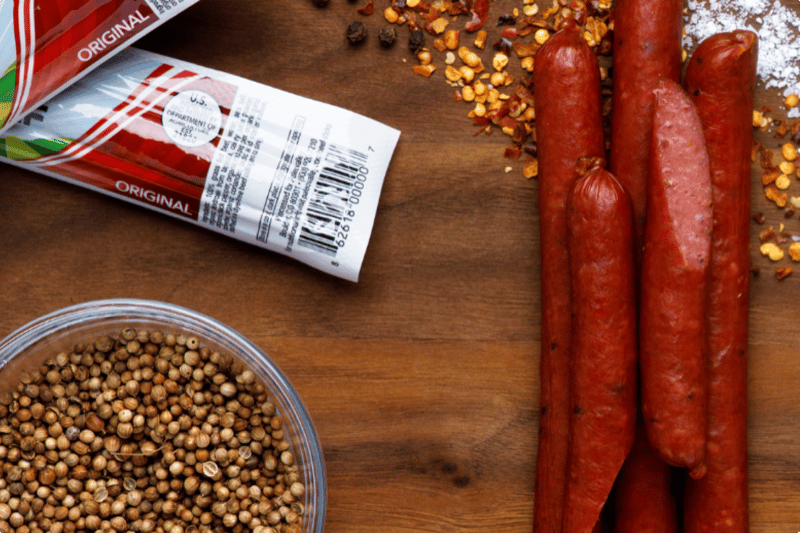
In other words, a genuinely healthy protein bar should feel closer to food than a lab formula. Fortunately, there are a few that get the balance right. Roam Grass-Fed Beef Bars are one of the standout options, offering an impressive 20g of protein, 4g of fibre and no added sugar - all from simple, high-quality ingredients. Jasmine notes that they’re “a great choice for anyone whose red meat intake is generally low,” but it’s worth keeping an eye on overall consumption if you eat a lot of red meat already.
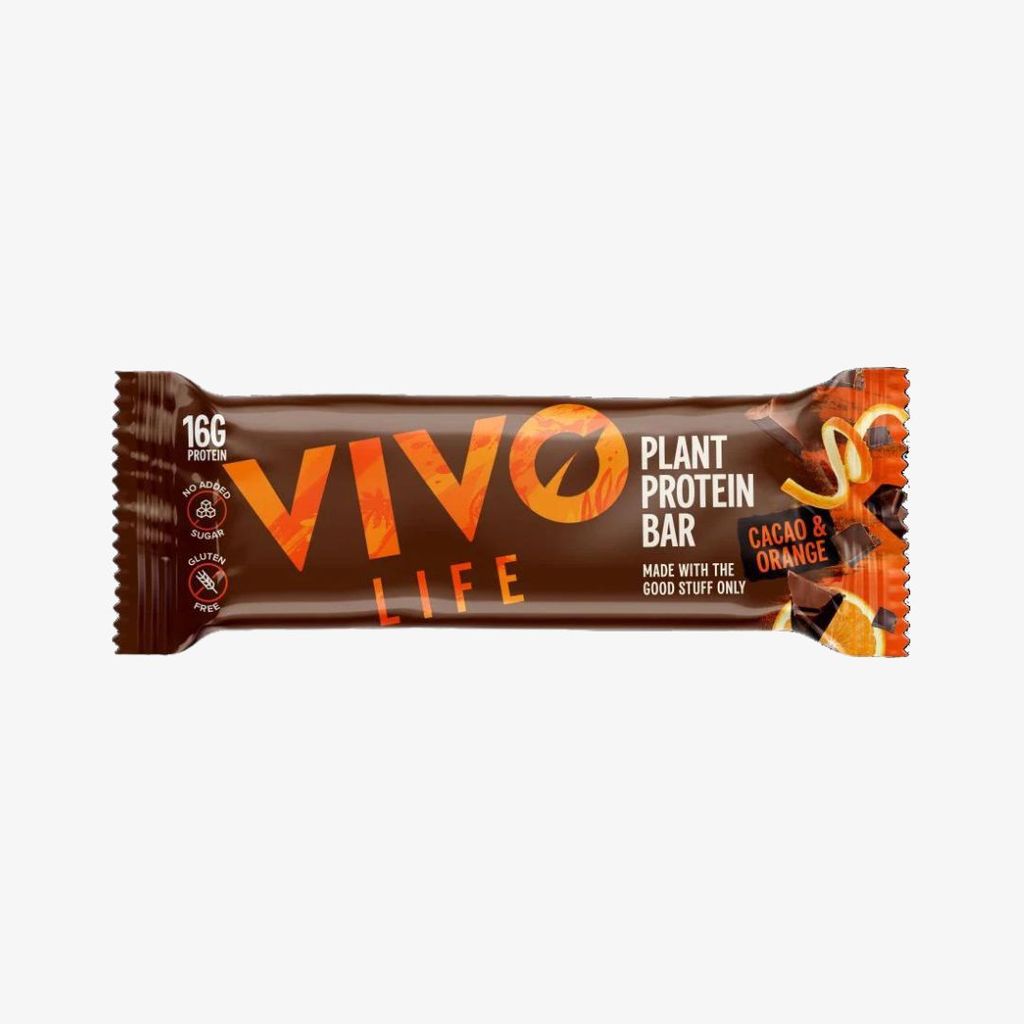
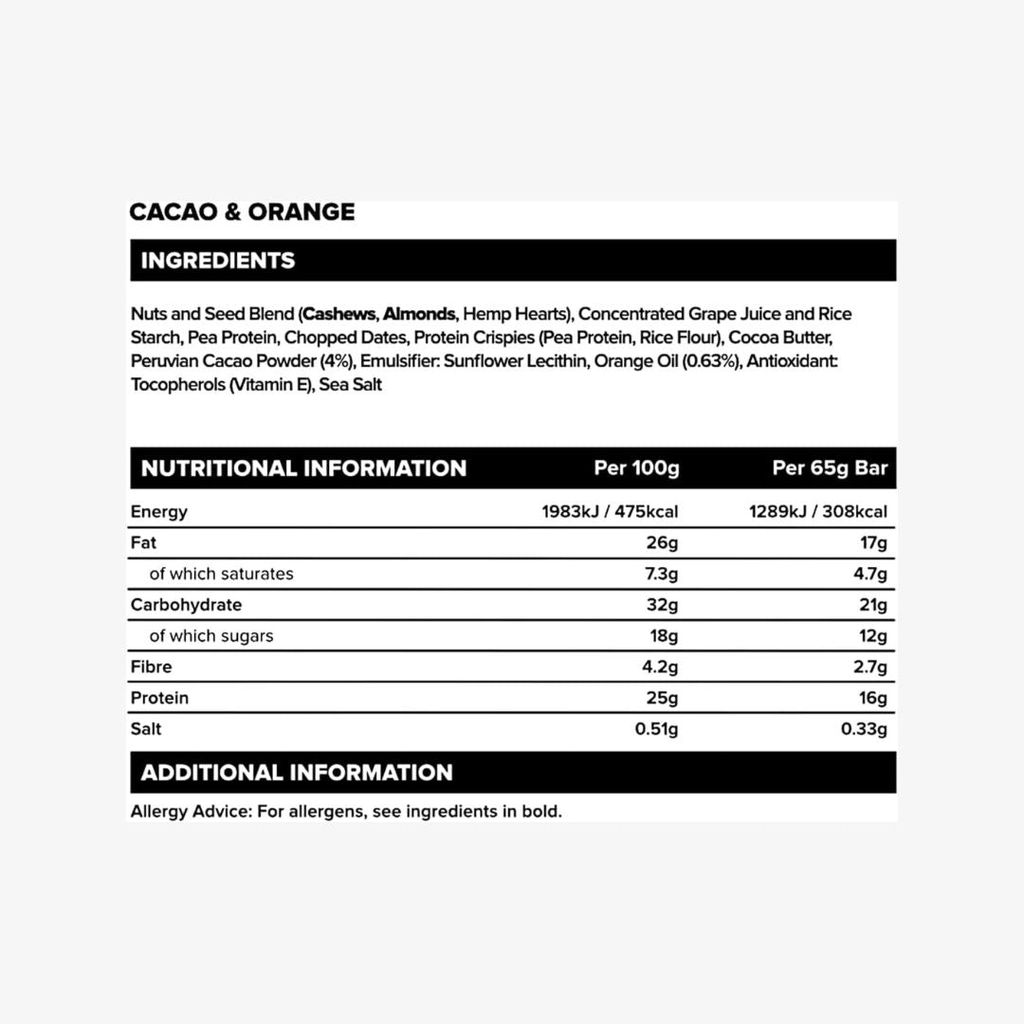
If you prefer plant-based, the Vivo Life Bar delivers 16g of protein from whole food sources. While it’s not the lowest in sugar (12g) or highest in fibre (3g), Jasmine says “the ingredients are still good for a protein bar.”
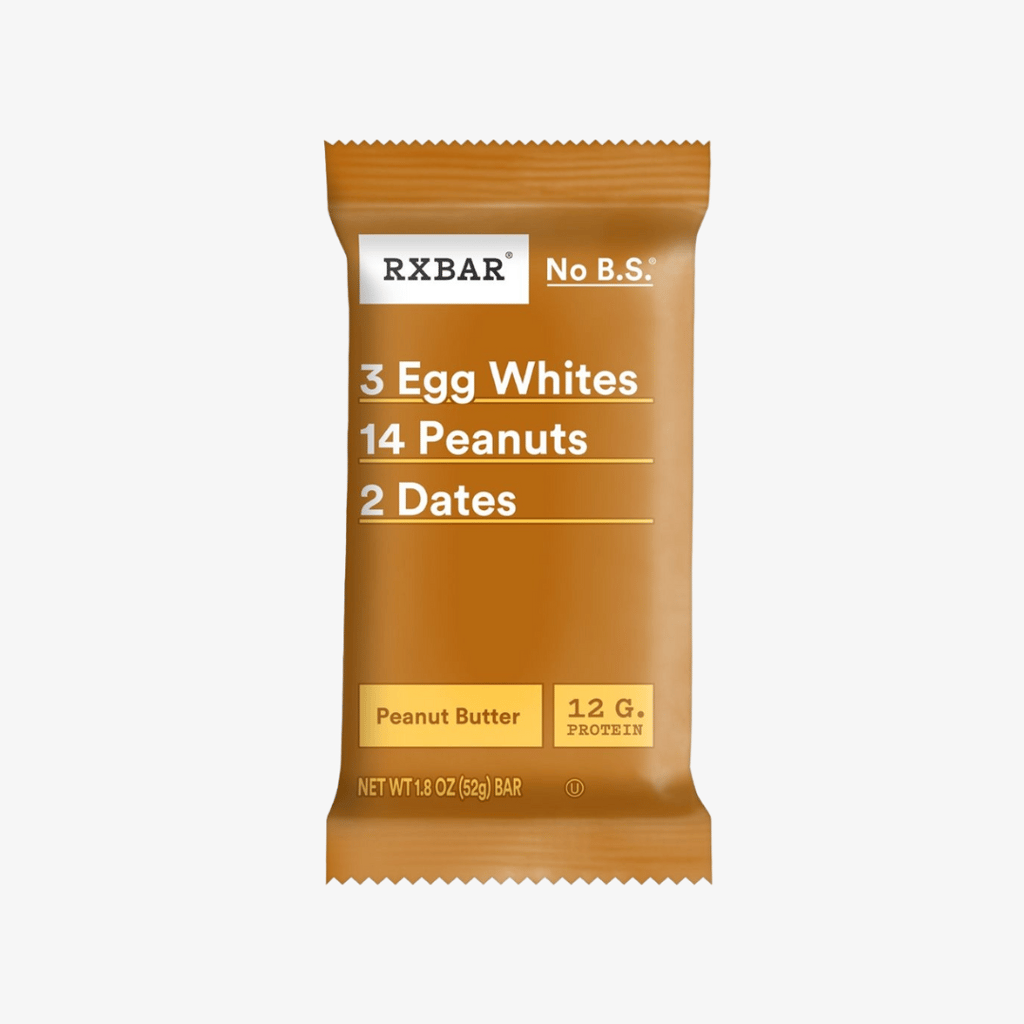
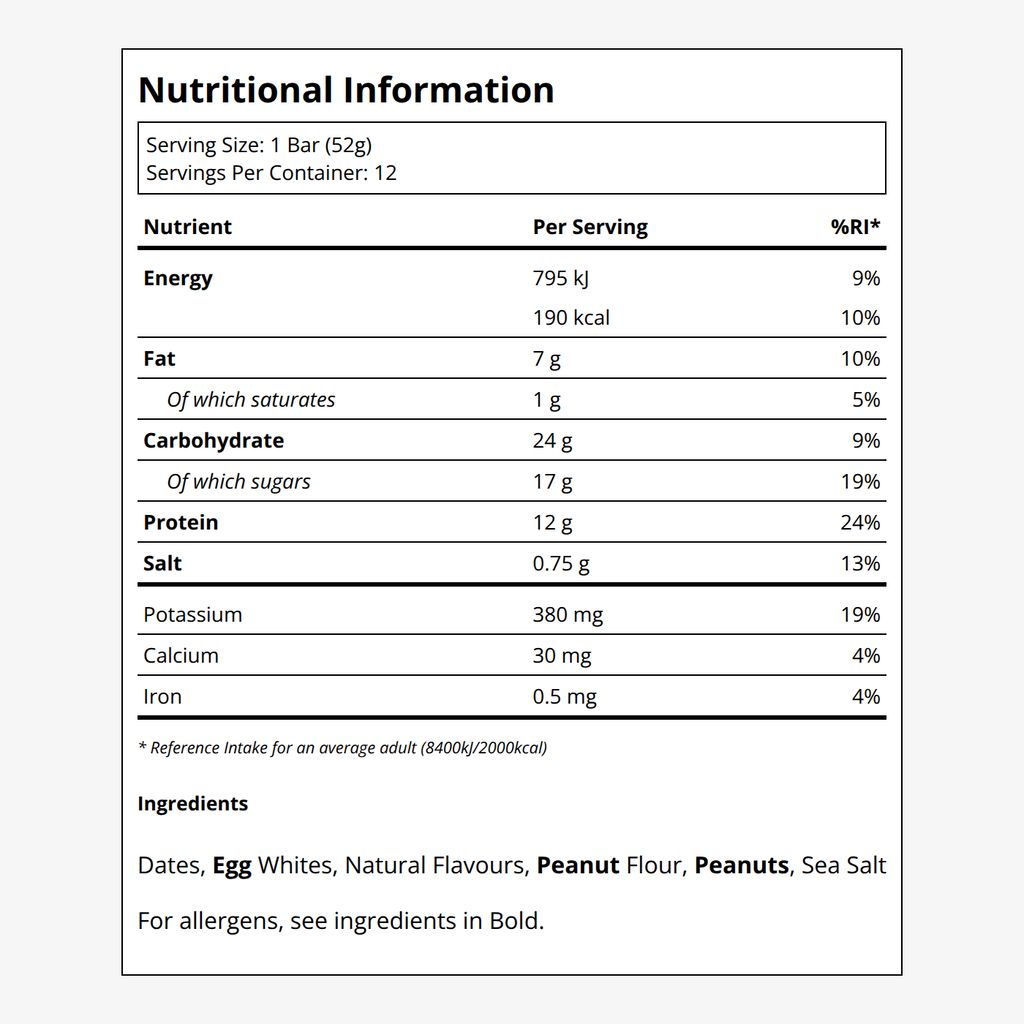
For those who value simplicity, RX Bars are a great example of “what you see is what you get.” Made from egg whites, dates and nuts, they contain 12g of protein, 5g of fibre and naturally occurring sugars from fruit rather than refined sweeteners.
If you’re looking for added nutrients, Novos Bars stand out. They combine 15g of protein, 7g of fibre, and just 4g of sugar, plus functional extras like adaptogenic mushrooms and fruit-and-veg extracts. The ingredient list is long, but, as Jasmine explains, “it’s mostly for the added nutrients rather than fillers or artificial additives.” Ultimately, the best protein bar is the one that fits your lifestyle without pretending to replace real food.
Where protein bars fit in… and where they don’t
Jasmine’s take is refreshingly balanced. Yes, there’s a place for protein bars, but they shouldn’t be the cornerstone of your diet. “There’s absolutely a place for them, as long as they’re not a substitute for meals,” she says. “Think of them as a bridge, not a foundation. They can be useful on busy days, when travelling or occasionally post-workout, but not something to rely on every day.”
That said, whole foods will always offer more nutritional bang for your buck. “If someone’s using them to hit a protein target or prevent long gaps between meals, that’s fine,” she adds, “but whole food sources will always be the gold standard for nutrient density, satisfaction and gut health.”
Convenience vs nutrition: why the balance is tricky
So why do so many of us reach for a protein bar in the first place? Jasmine believes it’s less about ignorance and more about modern life. “Our lives are busier than ever,” she says. “Everyone is overworked, overstimulated and juggling countless responsibilities. Even people who know what good nutrition looks like often struggle with the time or energy to prepare balanced meals.”
That doesn’t mean convenience has to mean compromise, though. “It’s totally valid to take shortcuts,” she says. “But that doesn’t mean grabbing ready-meals or protein bars every day. It can mean choosing pre-cooked proteins, pre-prepped veggies, canned beans, microwave grains which are all smarter shortcuts that are still nourishing.”
The takeaway
Like most things in nutrition, the truth about protein bars sits somewhere in the middle. They can be a smart, functional snack… or an overprocessed sugar bomb in disguise. It all depends on what you choose, how often you eat them and what the rest of your diet looks like. As Jasmine puts it, “It’s about understanding what you’re eating and where it fits in your overall diet.” So next time you reach for a bar, check the ingredients, consider your needs and remember, the healthiest choices are often the simplest ones.


This article is for informational purposes only, even if and regardless of whether it features the advice of physicians and medical practitioners. This article is not, nor is it intended to be, a substitute for professional medical advice, diagnosis, or treatment and should never be relied upon for specific medical advice. The views expressed in this article are the views of the expert and do not necessarily represent the views of Healf
Samantha Nice is a seasoned wellness writer with over a decade of experience crafting content for a diverse range of global brands. A passionate advocate for holistic wellbeing, she brings a particular focus to supplements, women’s health, strength training, and running. Samantha is a proud member of the Healf editorial team, where she merges her love for storytelling with industry insights and science-backed evidence.
An avid WHOOP wearer, keen runner (with a sub 1:30 half marathon) hot yoga enthusiast and regular gym goer, Samantha lives and breathes the wellness lifestyle she writes about. With a solid black book of trusted contacts (including some of the industry’s leading experts) she’s committed to creating accessible, well-informed content that empowers and inspires Healf readers.