




















_Madeline_Spanier_Photos_ID7424.jpg)

Is Psyllium Husk The New GLP-1?
The plant-based soluble fibre is a common dietary supplement that has become increasingly popular for aiding both digestion and satiety.
Written by: Pippa Thackeray
Written on: 2 March 2026
Psyllium husk, a type of natural, plant-based soluble fibre, is a common dietary supplement that has become increasingly popular for aiding both digestion and satiety. As a result, it's being touted as a “natural” GLP-1, or as some call it, the "Poor Man's Ozempic", since it has some similar benefits to the buzzy medication. But how accurate is that label, and what can psyllium husk actually do for you andyour gut?
To get to the bottom of it, we asked some experts about this fibrous supplement to understand its true health benefits and explain how it is (and is not) similar to GLP-1 drugs.
What is psyllium husk?
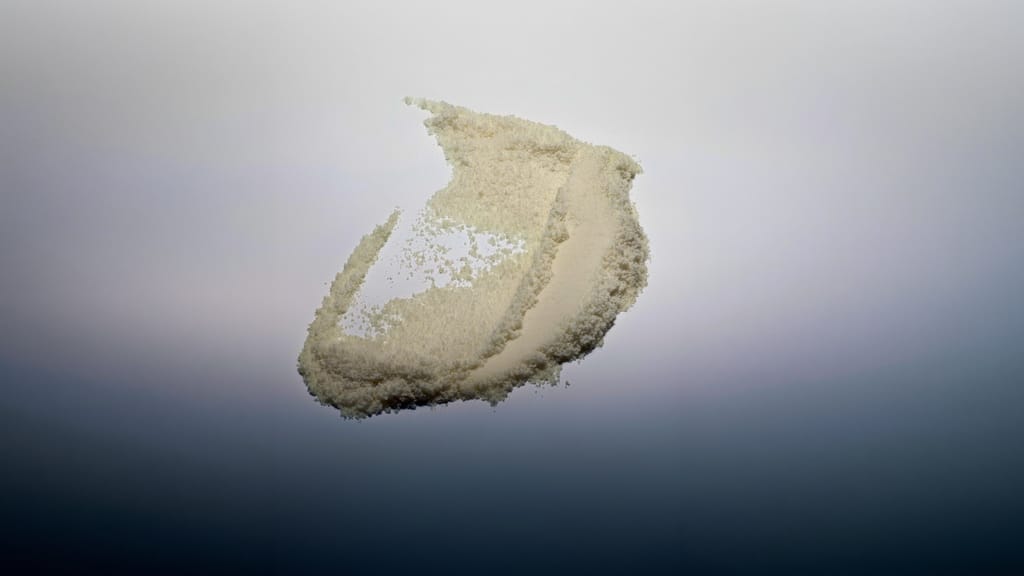
Psyllium husk is a natural soluble fibre derived from the Plantago ovata plant. The dietary supplement most often comes in powder or capsule form. Experts say it has evidence-based potential for weight management and blood sugar control. Its efficacy in this capacity lies in its ability to form a thick, viscous gel in the digestive tract, slowing digestion and the uptake of nutrients for energy use.


"Poor Man's Ozempic": Why do people call psyllium husk a 'natural' GLP-1?
You may have seen some people calling psyllium husk the "Poor Man's Ozempic", and while it's certainly not a substitute for GLP-1 medications, there is some data that suggests it can aid in weight loss and improve insulin sensitivity.
Of course, the medication and the fibrous supplement are not the same thing. “Unlike GLP-1 drugs, psyllium does not act on GLP-1 receptors or alter appetite hormones pharmacologically, but it supports appetite regulation mechanically by fibre bulk and glycaemic stability," says Natasha Price, rCNHC, a registered nutritional therapist trained in functional medicine.
Said another way, the satiety-promoting effects of psyllium may naturally reduce overall calorie intake without the effort of restriction. So, in that way, it does work similarly to a GLP-1.
Is there data to support psyllium's health benefits?
Yes. Pulling data from 19 randomised controlled trials, a 2024 systematic review and meta-analysis found that psyllium is not just useful as a digestive supplement, but also has some metabolic benefits, too.
Compared with placebo, psyllium husk lowered fasting blood glucose alongside a measurable drop in insulin resistance via HOMA-IR. This points to tighter glucose regulation in the body and a lighter insulin load, which are both associated with lower metabolic strain.
The change observed by researchers was more pronounced when psyllium husk intake exceeded 10 grams per day. So, it appears that when psyllium husk is consumed consistently and at the correct dosage, it could improve longer-term glycaemic control, rather than simply blunting short spikes.
Is it a good alternative to medication?
It certainly isn’t a straight one-to-one swap, and you should be aware that psyllium and GLP-1 medications are, ultimately, very different. Yes, they share some physical responses like satiety, but it's best to have a discussion with a medical professional about what intervention would work best for you and your personal health goals.
Sarah Bocquillon, dipCNM, a nutritional therapist and member experience lead at Healf Zone, explains that psyllium is not a replacement for the medication, as it is not as powerful. But, she says, “it can be a very useful foundational tool, especially for blood sugar stability, cholesterol, as well as appetite control”.
Price adds that there is research demonstrating that psyllium can reduce HbA1c in individuals with poor glucose regulation. It also acts as a prebiotic fibre feeding beneficial gut bacteria, whereby fermentation in the gut produces short-chain fatty acids (SCFAs), especially butyrate, which supports colon health.
Weight management
Psyllium's effects can be described as changing the mechanics of digestion.
In terms of managing weight, the specific action of psyllium expanding in the stomach and increasing satiety is what makes a difference. This gel effect creates a sense of fullness that can last and may naturally reduce excess snacking, or portions which are too large.
Blood sugar management
The same ‘gel effect’ that increases fullness also traps carbohydrates and slows their absorption in the gut. The result is fewer sharp post-meal glucose and insulin spikes.
Meta-analyses show a mean daily psyllium husk dose of 10.8 g before meals leads to statistically significant reductions in body weight, BMI and waist circumference in overweight and obese adults. The changes may not be dramatic, but they are consistent and, arguably, significant over time.
How to use psyllium
If you use psyllium to support blood sugar, weight management, or for other reasons, here’s how best to consume it:
Mix it in your drinks
- Begin with 5 grams, especially if you are new to fibre supplements.
- Add the psyllium to at least one full glass of water, around 250 ml.
- Stir briskly and drink it straight away before it thickens excessively.
- Follow this with another glass of water.
For metabolic benefits, our experts suggest taking 10 to 15 grams per day, ideally divided into two or three servings before meals. Taking it before eating food helps slow carbohydrate absorption and temper post-meal glucose rises, rather than reacting after the spike.
How to avoid psyllium side effects
Adequate water: Psyllium absorbs liquid rapidly and forms a gel. Leaving that gel to sit in your drink makes it harder to swallow and, overall, less pleasant to consume. Therefore, adequate hydration is non-negotiable here because it helps prevent constipation and reduces the risk of the powder swelling in the throat.
For some variety, you can also mix small amounts of psyllium into a protein shake, smoothie, or yoghurt, provided there is enough fluid in the mix.
Build it up gradually: Increase slowly over a week or two. Starting with too high a dose can cause bloating or excess gas while your gut adjusts.
Can I take psyllium with GLP-1 medication?
For a synergistic effect, psyllium can be used alongside medications to enhance glycaemic control. But it's best to consult a doctor if you're taking a GLP-1 and want to add psyllium husk to your diet.
Psyllium husk can actually help relieve some common GLP-1 side effects, like constipation, making it a useful supporting product, says Aneequa Godart, mBANT, a nutritional therapist specialising in nutrigenomics and longevity. The only catch is that she recommends adding in psyllium gradually and with adequate fluid (this part is very important), as “combining two agents that slow digestion can increase bloating or fullness if started at higher doses.”
Godart adds that key benefits often overlooked are psyllium’s ability to improve bowel regularity and reduce LDL cholesterol, which supports overall cardiometabolic health.
Psyllium and GLP-1: A complete summary
Bocquillon's conclusion is that psyllium husk promotes fullness by adding bulk in the gut, whereas GLP-1 medications directly activate hormone receptors to suppress appetite and significantly slow gastric emptying.
Meanwhile, Godart explains that “Any weight loss from psyllium alone tends to be mild and gradual, typically occurring through improved appetite regulation and improved metabolic markers rather than powerful appetite suppression.”
While psyllium may modestly support natural GLP-1 release and offer mild weight and blood sugar benefits, its effects are, ultimately, far smaller compared to the substantial weight loss and appetite reduction seen with GLP-1 drugs.
Fibre to support your goals
GLP-1 medications change metabolism at the hormone level, while psyllium acts on the mechanics of digestion. The question is how far fibre alone can really take you.
Psyllium can indeed work wonders, but at the end of the day, it should be considered part of a wider supplement, diet and lifestyle routine.


This article is for informational purposes only, even if and regardless of whether it features the advice of physicians and medical practitioners. This article is not, nor is it intended to be, a substitute for professional medical advice, diagnosis, or treatment and should never be relied upon for specific medical advice. The views expressed in this article are the views of the expert and do not necessarily represent the views of Healf
Pippa is a content writer and qualified Nutritional Therapist (DipNT) creating research-based content with a passion for many areas of wellbeing, including hormonal health, mental health and digestive health.
As a contributor to The Healf Source, she regularly attends seminars and programmes on a plethora of contemporary health issues and modern research insights with a drive to never stop learning. In addition, interviewing experts and specialists across The Four Pillars: EAT, MOVE, MIND, SLEEP.
In her spare time, she is an avid swimmer, mindfulness and yoga lover, occasionally bringing a raw, honest approach to the topics she faces. You may also discover some personal accounts of eye-opening wellbeing experiences amidst the reality of a disorientating, and often conflicting, modern wellbeing space.