
















































_2026-10-13_14-11-48.png)


Am I Metabolically Healthy?

Written by: Pippa Thackeray
Written on: 19 September 2025
Approximately one in four adults in the UK are estimated to be metabolically unhealthy, according to the University of Bristol. It’s likely because metabolic health issues often go unnoticed, until they don’t. In this interview, Rob explains how to spot early warning signs and why standard blood tests might not tell the whole story.
“You can be a normal weight and metabolically unhealthy — that’s called TOFI: thin on the outside, fat on the inside...You could also be metabolically healthy, and still a complete wreck, especially if your microbiome is shot.” Rob Staunton, Lead Clinician at the London Centre for Functional Medicine
Rob Staunton is the Founder and Lead Clinician at the London Centre for Functional Medicine, where he applies a testing-based approach to uncover the root cause of chronic health concerns. With over 25 years of experience, Rob blends nutritional and functional medicine to support long-term recovery. His own journey through parasitic infections, heavy metal toxicity and mould exposure helps him understand patients who "feel awful" despite being told they’re clinically fine.
In this interview, Rob shares insights from the clinic, from clients with “perfect” bloods but debilitating fatigue to subtle signs of insulin resistance, and explains how to catch metabolic issues early before symptoms escalate. Plus, how metabolic health may go a lot deeper than one might think.
How chronic illness led to a functional medicine approach
P: Thanks for joining me, Rob. Firstly, you’ve had quite a personal journey through chronic infections and toxicity. Was that your way into the work you do now?
R: Yeah, basically I just ended up getting very sick. I had parasitic infections, yeast overgrowth, H. pylori, heavy metals, mould. The irony was I was considered metabolically healthy, but I was still sick. That’s the point: you could be metabolically healthy, and still a complete wreck, especially if your microbiome is shot.
If I had a pound for every time someone said, "All my tests are normal," I’d be rich. Just because your blood test results are fine doesn’t mean you are. People get told they’re fine, sent home, maybe put on some prescription meds, but a lot of the time they still feel awful. That’s where functional medicine comes in.
Why standard blood tests don’t always tell the full story
P: What kind of work do you do now, and who do you see?
R: I run the London Centre for Functional Medicine, where I practise as a functional medicine clinician. I see people from all over the UK. With regards to testing, it's quite ironic. The least amount of testing I do is blood. Why? Well, I could do the funkiest blood work you can imagine, but by the time you get to me, you've been through the GP, seen a consultant, everything is (in their eyes) ‘fine’ – or they haven’t been able to work it out yet.
Alternatively, I find a lot through microbiome, urine, breath, saliva and hair testing. Because it’s true you can have great blood results, but still feel terrible. That’s where you need to go deeper.
What does ‘metabolically healthy’ actually mean?
P: So how do you define metabolic health?
R: Being metabolically healthy means your body is efficiently managing blood sugar, cholesterol, blood pressure and fat distribution. If all the markers that represent those things are in range, you’re less at risk of conditions like type 2 diabetes, heart disease, thyroid issues and metabolic syndrome.
P: Why should people care about metabolic health if they feel fine?
R: Because feeling fine doesn’t always mean you are fine. That’s the issue. Metabolic dysfunction can be brewing under the surface for years. If you wait until symptoms hit, then it’s much harder to unpick.
P: And why isn’t weight always a good indicator of metabolic health?
R: You can be a normal weight and metabolically unhealthy — that’s called TOFI: thin on the outside, fat on the inside.
You can have visceral fat, high blood pressure, high triglycerides, insulin resistance. And you can also be overweight and metabolically healthy. BMI doesn’t account for muscle mass. A fit person might weigh more but have great metabolic health. So you really need to look at things like fasting insulin, glucose, HbA1c, lipid profile, CRP, liver enzymes, blood pressure.
All in all, weight alone doesn’t tell you much about a person’s metabolic health.
The tests that reveal the full metabolic picture
P: What are the main markers or tests you use to assess metabolic health?
R: Waist circumference is key. Then, as I said, fasting glucose, HbA1c (which is a three-month sugar average), blood pressure, triglycerides, HDL, LDL, total cholesterol and their ratios. Insulin resistance is measured by fasting insulin or sometimes HOMA-IR.
Optional (but helpful) markers which I run in clinic include CRP (inflammation), liver enzymes like ALT and AST, adiponectin (which relates to insulin sensitivity), and lipoprotein particle size, which can show cardiovascular risk.
P: What early signs of dysfunction do you pick up in the clinic?
R: Well, people might have brain fog, sugar cravings, trouble losing weight despite trying, disrupted sleep, skin tags, darkened skin around the neck. But it varies so much.
Often someone will say, "I’ve done loads of tests, and they all came back fine," but they still feel awful. That’s why I take a detailed history. My consultation process is about three hours when you factor in the questionnaire, the initial session, and all the follow-up and research.
Recently, I had someone in who had immaculate blood work but had brain fog, fatigue, sensitivities, insomnia. I asked when it started. He said six months after starting uni. I said, "Was there mould where you were living?". Sure enough, there was mould behind the wardrobe. I haven’t even had the test results back yet, but I know that’s the issue.
P: Why else do you think someone's health history is so important to their metabolic health, in seeing the whole picture?
R: Because once you’ve done this type of analysis on someone’s health a thousand times, you see patterns.
Health history shows the real story: antibiotics, traumatic breakups, bereavements, house moves, gut infections. People come to me with stress, poor sleep, bad diets, toxic relationships or work environments. That’s what gets you sick.
You need to address the root cause instead of managing symptoms. Testing might be 30-40% of what I do, but the rest is in listening carefully to a person’s history.
The numbers behind metabolic health
P: Can you clarify some of the common terms like BMI, waist circumference and insulin resistance? And what other avenues should be explored?
R: To get technical for metabolic health: waist circumference should be under 35 inches for women and under 40 for men. BMI should be in range, glucose ideally below 100mg/dL, HbA1c under 5.7%, blood pressure around 120/80. HDL should be above 1.5 mmol/L. CRP should be ideally under 1. Those are the main ones.
But depending on the person, I’ll also look at cortisol, oestrogen, progesterone, or thyroid panels. IBS is another one — often that diagnosis is just an observation of symptoms that still requires further investigation.
Plus, other more conventional avenues for testing usually don’t offer the breath tests, urine tests or microbiome testing I do. So people can be told they’re ‘healthy’ while they’re struggling with pretty severe symptoms, and their metabolic health could be declining as a result.
P: What impact do stress and sleep have on metabolic health?
R: Massive. It’s all connected. Stress affects insulin resistance, cortisol, blood glucose, inflammation, the microbiome, hormones, even your food choices. Caffeine on an empty stomach can spike glucose and blood pressure.
Poor sleep affects all the same markers. You can’t just have good nutrition and exercise if you’re sleeping four hours a night or constantly stressed. The four pillars I work from are sleep, nutrition, movement and stress. And the fifth is gut health. If your gut’s off, everything else can fall apart.
P: How exactly does the microbiome affect metabolic health?
R: In loads of ways. Certain gut bacteria extract more calories from food, which can contribute to weight gain. The microbiome affects glucose regulation, insulin sensitivity, fat storage and inflammation.
Short-chain fatty acids like butyrate improve insulin sensitivity and regulate appetite. If you have dysbiosis, an imbalanced gut, it can increase intestinal permeability. That lets LPS into the bloodstream, which triggers chronic low-grade inflammation and insulin resistance.
That’s the start of type 2 diabetes, cardiovascular disease, fat metabolism issues. Gut bacteria also influence neurotransmitters and hunger hormones. Then dysbiosis drives sugar cravings. So the microbiome regulates appetite, inflammation, blood sugar, fat storage, all of it.
P: What’s a common mistake you see among health-conscious people?
R: Diet fads. People follow things like the carnivore diet because some influencer looks great. They cut out fruit, veg, whole grains, legumes, nuts — which feed your microbiome. There are studies showing the benefits of those foods. Sure, some people have absorption issues, but for most people, it may be damaging.
I see people wreck their gut and liver from fad diets when there was nothing wrong with the balanced approach they were already on. You need to find the root cause, not just do a short-term protocol because someone on Instagram said so.
P: If someone could make one small change to support their metabolism this week, what would you recommend?
R: Look at the four pillars and ask which one is out of balance. For most people, it’s sleep. I actually thought nutrition was the one that’s going to give the most benefit, but it’s not — it’s sleep. Going from six to seven hours has a profound effect.
Go to bed at 10 instead of 11. Walk more. Take breaks during the workday. Add more fermented foods. You don’t have to overhaul your life — small changes make a big impact.
People think they’re fine until they’re not. If you neglect things long enough, it shows up. Prevention is always better than cure.
How to contact Rob or the clinic
P: Finally, Rob, how can people connect with you or contact your clinic?
R: My clinic is the London Centre for Functional Medicine, Harley Street. You can reach us through the website’s contact form. I deal with anything metabolic health-related.
I see a lot of gut issues, mould toxicity, skin problems, hormone imbalances, but the most important thing to note is that we’re a multidisciplinary clinic using evidence-based functional medicine to support people with a wide range of conditions.
The takeaways
As Rob makes clear, feeling ‘fine’ isn’t always the same as being well. Many markers of poor metabolic health hide in plain sight and are dismissed as normal, missed by routine bloods, or masked by stress and overwork.
But the key message here is that, by paying attention to symptoms, questioning assumptions, and supporting sleep, gut function, and stress resilience, the cues our body gives us can be understood.
It is easy to get overwhelmed and perhaps despondent in a wellbeing world full of misinformation and contradictions, but don’t lose faith, it is possible to make small and meaningful changes that produce results.
The main takeaway for metabolic health, Rob says, is acting before the cracks start to show.
Shop EAT, MOVE, MIND, SLEEP at Healf
Support your metabolic health through all Four Health Pillars: Eat, Move, Mind and Sleep. Explore expert picks that make better choices simpler, from gut-supporting food to stress-regulating tools.
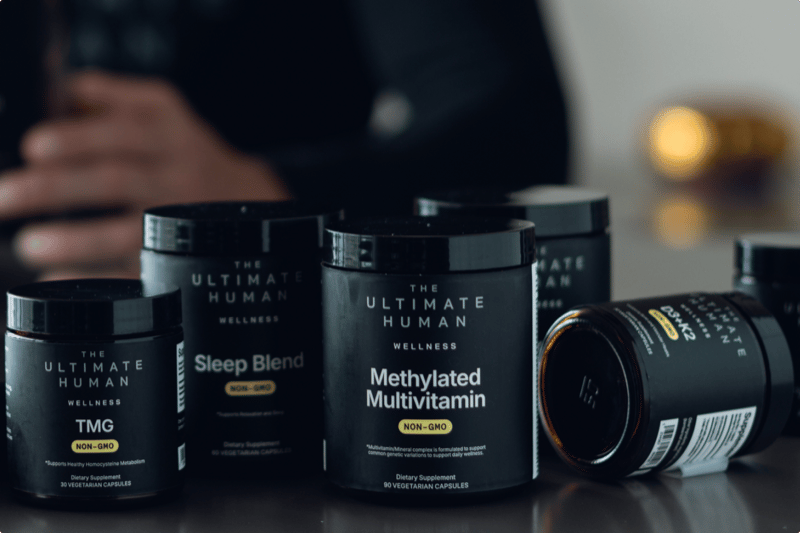
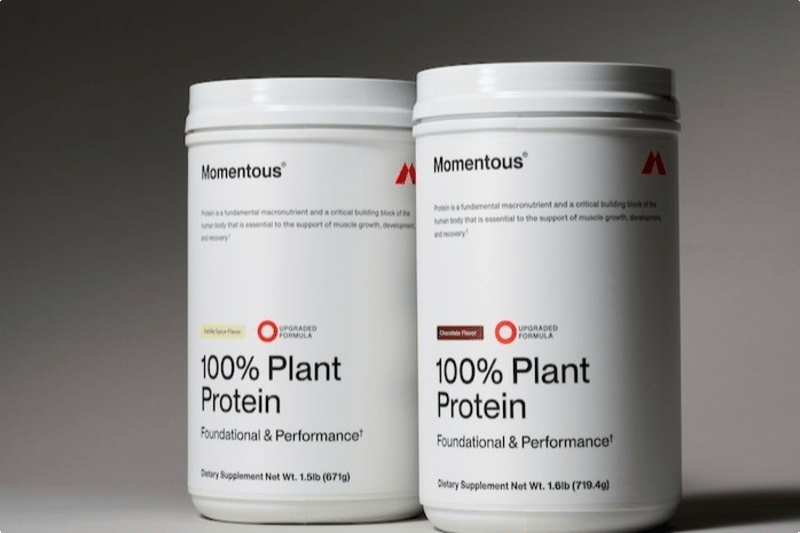
Product picks: Try Momentous, Huberman Lab-selected vitamins, supplements and nutritional tools to help you live an optimised life, new in on Healf.




This article is for informational purposes only, even if and regardless of whether it features the advice of physicians and medical practitioners. This article is not, nor is it intended to be, a substitute for professional medical advice, diagnosis, or treatment and should never be relied upon for specific medical advice. The views expressed in this article are the views of the expert and do not necessarily represent the views of Healf
Pippa is a content writer and qualified Nutritional Therapist (DipNT) creating research-based content with a passion for many areas of wellbeing, including hormonal health, mental health and digestive health.
As a contributor to The Healf Source, she regularly attends seminars and programmes on a plethora of contemporary health issues and modern research insights with a drive to never stop learning. In addition, interviewing experts and specialists across The Four Pillars: EAT, MOVE, MIND, SLEEP.
In her spare time, she is an avid swimmer, mindfulness and yoga lover, occasionally bringing a raw, honest approach to the topics she faces. You may also discover some personal accounts of eye-opening wellbeing experiences amidst the reality of a disorientating, and often conflicting, modern wellbeing space.