
































_2026-10-13_14-11-48.png)


Should We Be Increasing Our Testosterone?

Written by: Natalie Louise Burrows
Written on: 29 April 2025
In 2023, global testosterone replacement therapy (TRT) prescriptions surged by 65%. This increase is likely driven by better testing methods and public health initiatives, alongside the growing popularity of hormone replacement therapy (HRT) as more women seek support during menopause.
Social media influencers promoting TRT as a "fountain of youth" have undoubtedly also played a significant role in its rise. The global TRT market was valued at $1.9 billion last year and is projected to grow at a compound annual growth rate of 4.2% over the next decade.
With celebrities like Joe Rogan endorsing TRT and wellness brands selling "testosterone-boosting" supplements, a critical question arises: Should we all be chasing higher testosterone levels, or is this trend doing more harm than good?
Testosterone is not just a "male hormone"
Testosterone is often misunderstood as a hormone exclusive to men. In reality, it’s vital for both sexes (just as oestrogen is, too), but levels differ dramatically. Men expect levels between 300–1,200 ng/dL and women require a lower level of 15–70 ng/dL.
Yet, no matter what levels you need, the role of testosterone in the body remains key for both men and women:
Muscle growth
Fat loss
Libido and arousal
Bone density and strength
Energy
Mental clarity
Mood regulation
Sperm production (men)
Ovarian follicle development (women)
I think we can agree that no matter your sex, you need testosterone.
When does testosterone decline?
Testosterone levels naturally decline with age, but the timeline and rate of this decline differ between men and women. For men, testosterone production typically peaks in their 20s and begins to decrease gradually after age 30, with levels dropping by approximately 1% per year. By the time men reach their 60s, around 20% are diagnosed with clinically low testosterone, a condition known as hypogonadism. However, it’s important to highlight that this decline is not solely due to ageing. As with most health issues, it is often exacerbated by lifestyle factors such as obesity, chronic stress, poor sleep habits, sedentary lifestyle and excessive alcohol consumption.
A recent study suggested that sedentary habits and diets high in processed foods may accelerate up to 40% testosterone loss. Women are not immune to this either, although their journey with testosterone is slightly different.
For women, testosterone levels peak in early adulthood and start to decline more gradually over time. However, the most significant drop occurs during menopause, when ovarian function diminishes. By the time women have experienced menopause (defined by no period for 2 years), women’s testosterone levels can be reduced by as much as 50%. Factors such as adrenal fatigue and extreme dieting can further accelerate this decline. Unfortunately, due to physical changes in weight distribution during menopause, many women find themselves on extreme diets.
So, should we be increasing our testosterone?
The rise in testosterone replacement therapy has fueled debates about whether boosting testosterone is beneficial for everyone or if it carries unnecessary risks. TRT has proven to be effective for individuals with clinically low testosterone levels. For men diagnosed with hypogonadism, TRT can restore energy levels, improve muscle mass, enhance mood, and support sexual function. Similarly, women experiencing adrenal insufficiency or postmenopausal symptoms may benefit from low-dose testosterone therapy, which has been shown to improve bone density and alleviate fatigue.
However, TRT is not without risks. In men, excessive use can lead to side effects such as sleep apnea, acne, and infertility due to suppressed sperm production. Women are even more sensitive to testosterone therapy; high doses can cause virilisation effects like voice deepening, facial hair growth, weight gain and mood swings. These risks highlight the importance of a personalised, supported healthcare approach.
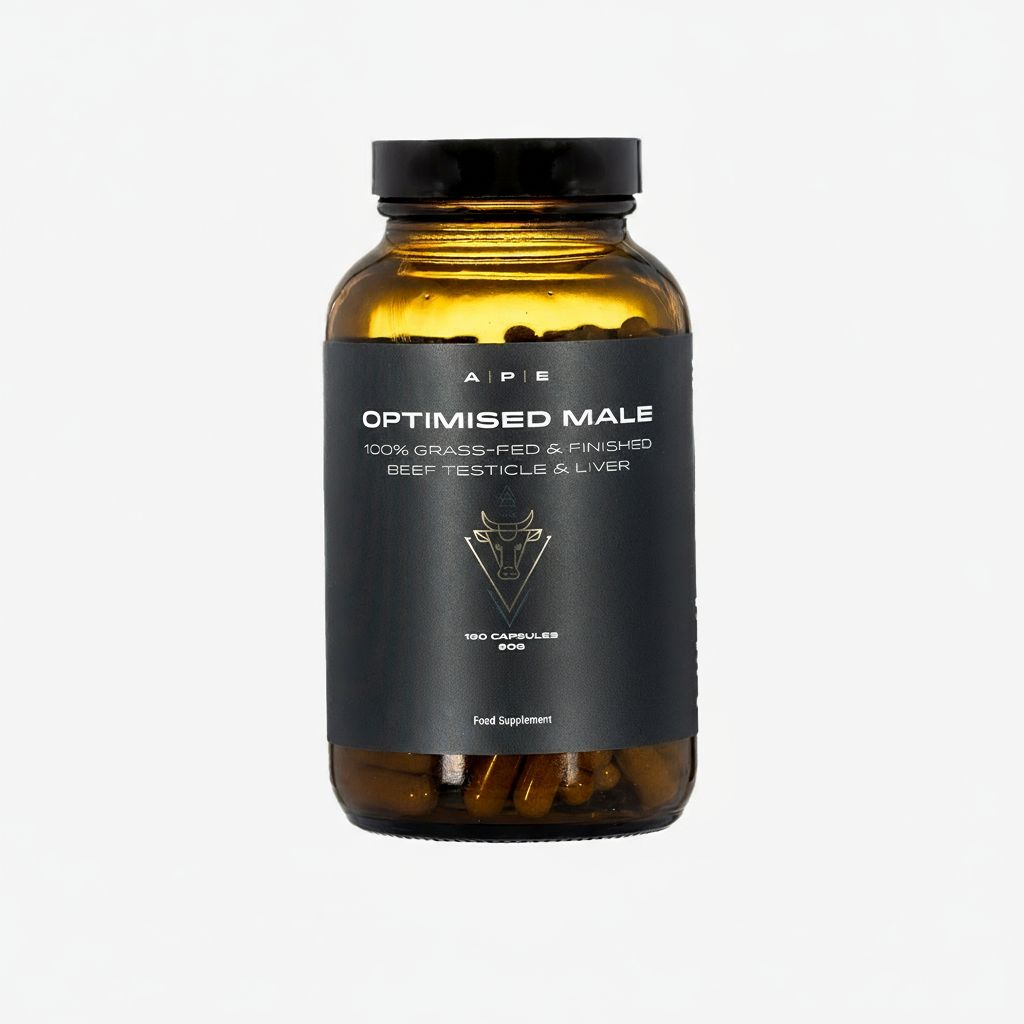
The growing popularity of TRT has also sparked concerns about its misuse among those who do not have clinical deficiencies but seek "optimal" hormone levels for anti-ageing or performance enhancement. This trend has been amplified by celebrity endorsements and wellness marketing campaigns that promise transformative results without fully addressing potential long-term consequences. Remember, supplements or hormone replacements won't overrule poor diet and lifestyle choices, and if you make good diet and lifestyle choices, chances are you may not need TRT. Test, don’t guess.
Can you boost testosterone naturally?
For those hesitant about medical interventions like TRT or looking to prevent age-related declines in testosterone, natural strategies offer a safer alternative. Lifestyle modifications have been shown to support healthy testosterone levels for both men and women effectively.
Diet:
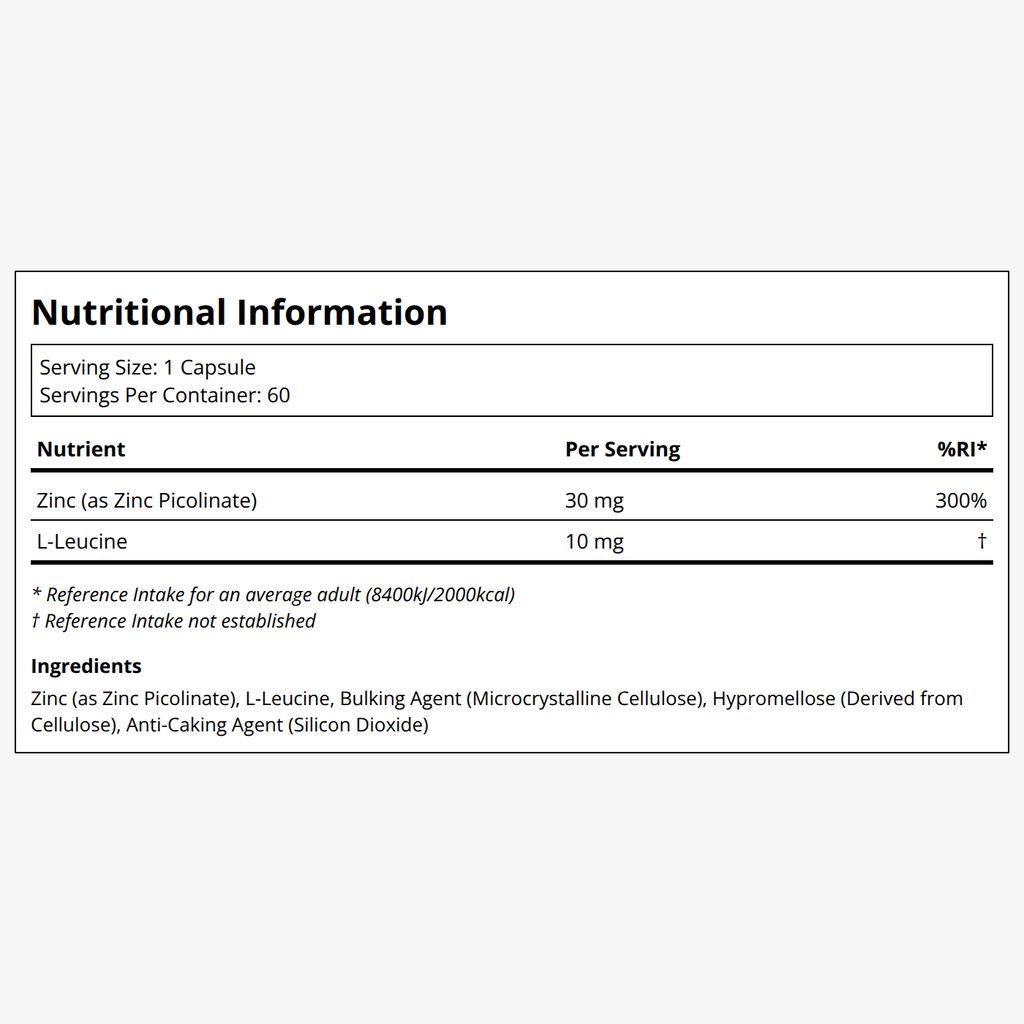
Foods rich in zinc—such as oysters, beef, and pumpkin seeds—are particularly beneficial for boosting testosterone synthesis.
Omega-3 fatty acids found in salmon and other fatty fish help reduce inflammation and support overall hormone health.
The spice fenugreek contains compounds like furostanolic saponins and protodioscin, which are believed to boost testosterone production.
Maca root is traditionally used for its adaptogenic properties, supporting hormonal balance, energy levels, and libido in both men and women, although this isn’t suitable for everyone.
Avoid ultra-processed carbohydrates; a study found that diets high in refined sugars were associated with a 20% reduction in testosterone levels among men.
Exercise:
Research has shown that strength training significantly increases testosterone production in both sexes—by up to 25% in men and 15% in women. However, balance is key; excessive cardio or overtraining can lead to elevated cortisol levels that suppress testosterone production.
Sleep and stress management:
Poor sleep quality has been linked to significant reductions in testosterone—up to 15% lower levels in men who sleep less than five hours per night.
Stress management techniques like meditation can help lower cortisol levels, allowing the body’s natural hormone production processes to function more effectively.

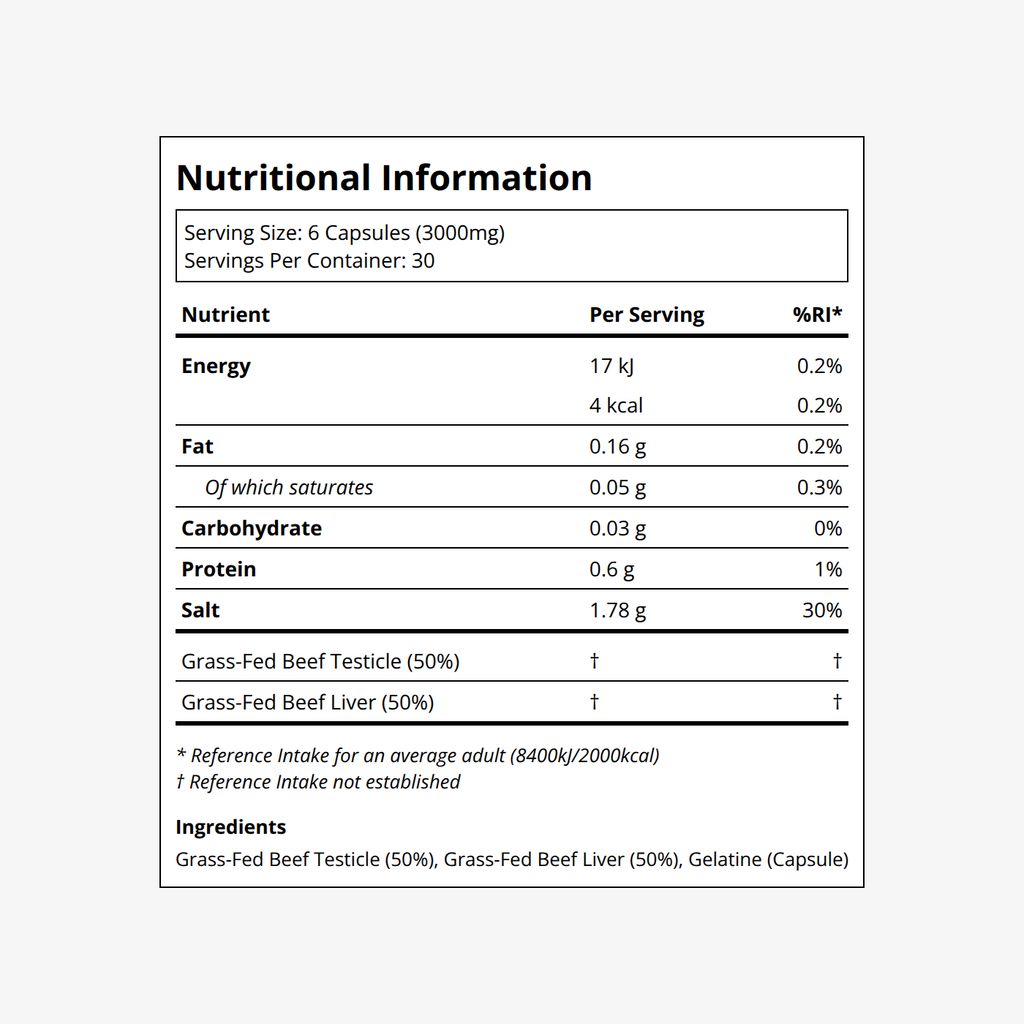
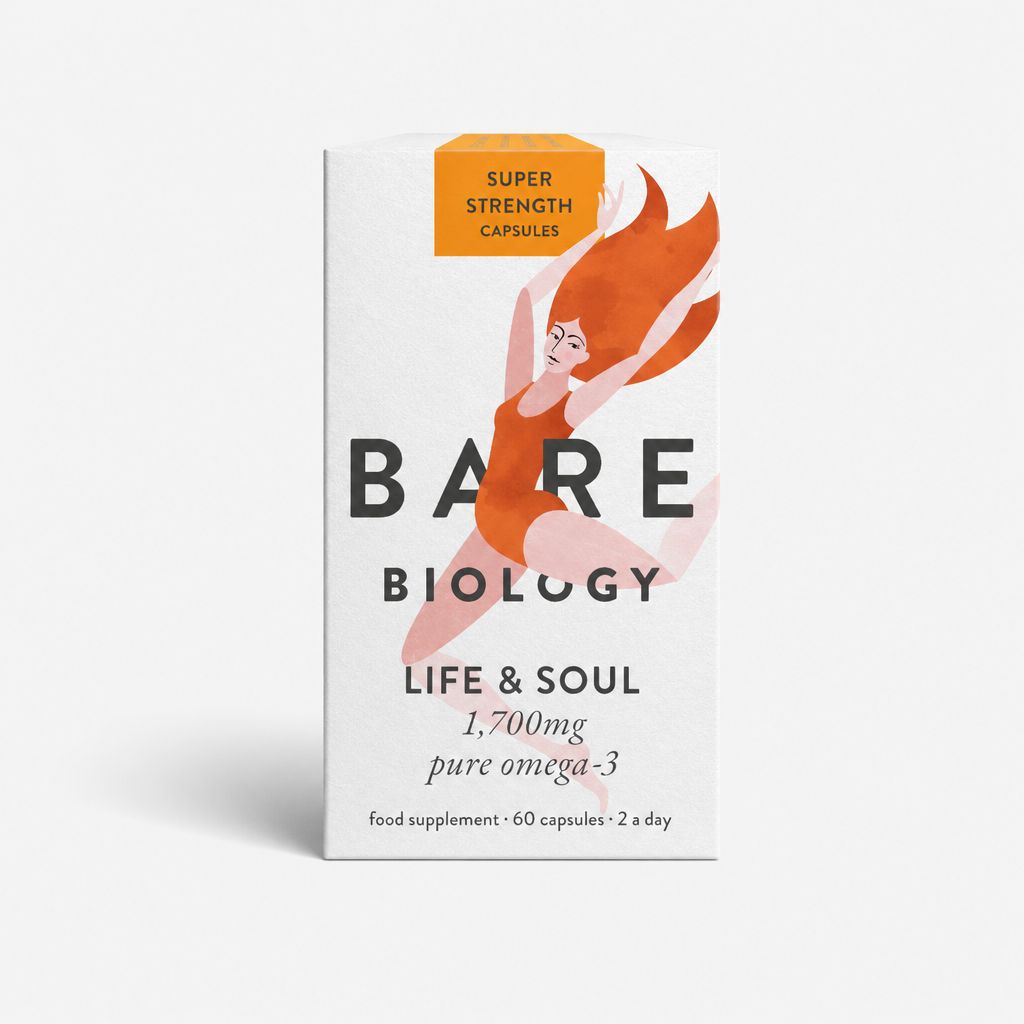
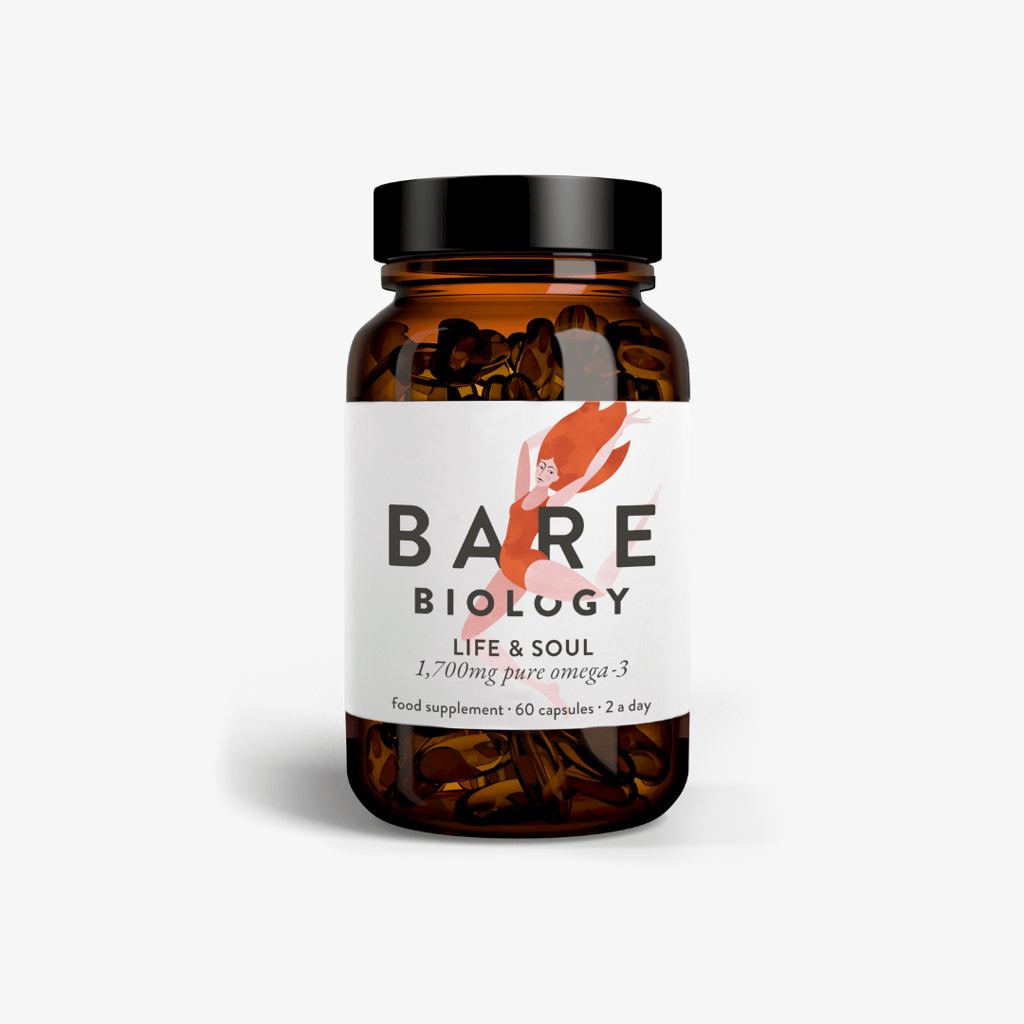
So should we increase our testosterone?
Whether or not you should actively work on increasing your testosterone depends largely on your individual health needs and current levels. For those diagnosed with clinically low levels through blood tests and experiencing symptoms like fatigue or reduced libido, optimising testosterone through medical interventions and lifestyle changes can be transformative. However, chasing higher-than-necessary hormone levels without clear medical justification can lead to unintended consequences.
Boosting testosterone should not be viewed as a universal solution or an anti-ageing shortcut. Instead, it should be approached thoughtfully, with lifestyle changes such as improved nutrition, regular exercise, adequate sleep, and stress management as first-line interventions.




This article is for informational purposes only, even if and regardless of whether it features the advice of physicians and medical practitioners. This article is not, nor is it intended to be, a substitute for professional medical advice, diagnosis, or treatment and should never be relied upon for specific medical advice. The views expressed in this article are the views of the expert and do not necessarily represent the views of Healf