

























_2026-10-13_14-11-48.png)


Spirulina Health Benefits For Men And Women
Thinking about spirulina? This vibrant, blue-green powder is derived from naturally occurring algae, and packs a punch when it comes to health. Here’s how this superfood-turned-nutraceutical offers a tonne of nutrients into one small scoop.

Written by: Dahlia Rimmon
Written on: 8 September 2025
Medically reviewed by: Patricia Weiser, PharmD and Jared Meacham, PhD, RD, CSCS
You’ve probably spotted those trendy smoothies and fizzy drinks glowing with a vibrant bluish-green hue all over your social feed. That eye-catching colour comes from spirulina, an algae that’s been used medicinally for thousands of years. It’s packed with protein, vitamins, and antioxidants, earning its reputation as a true superfood. Read on to uncover the benefits of spirulina, how it supports health, and how to use it to reach your wellbeing goals.
What is spirulina?
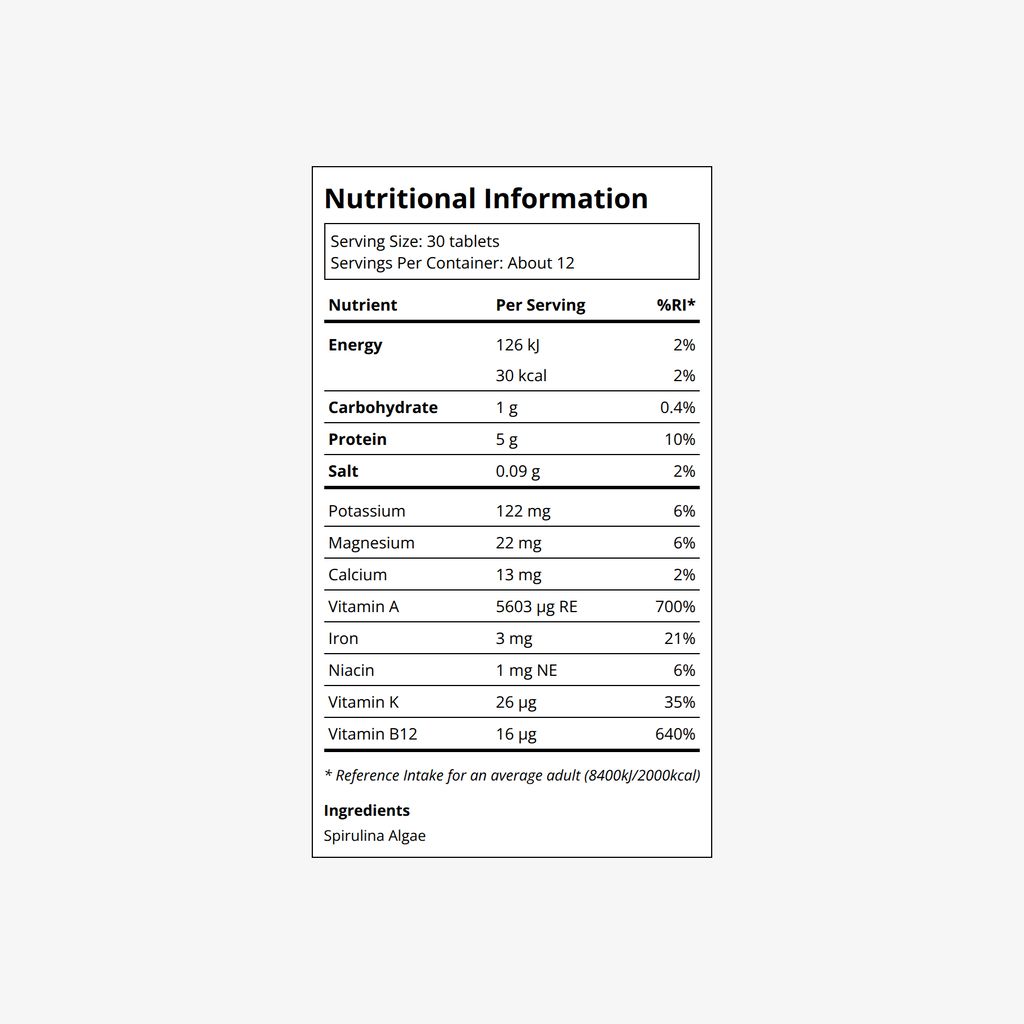
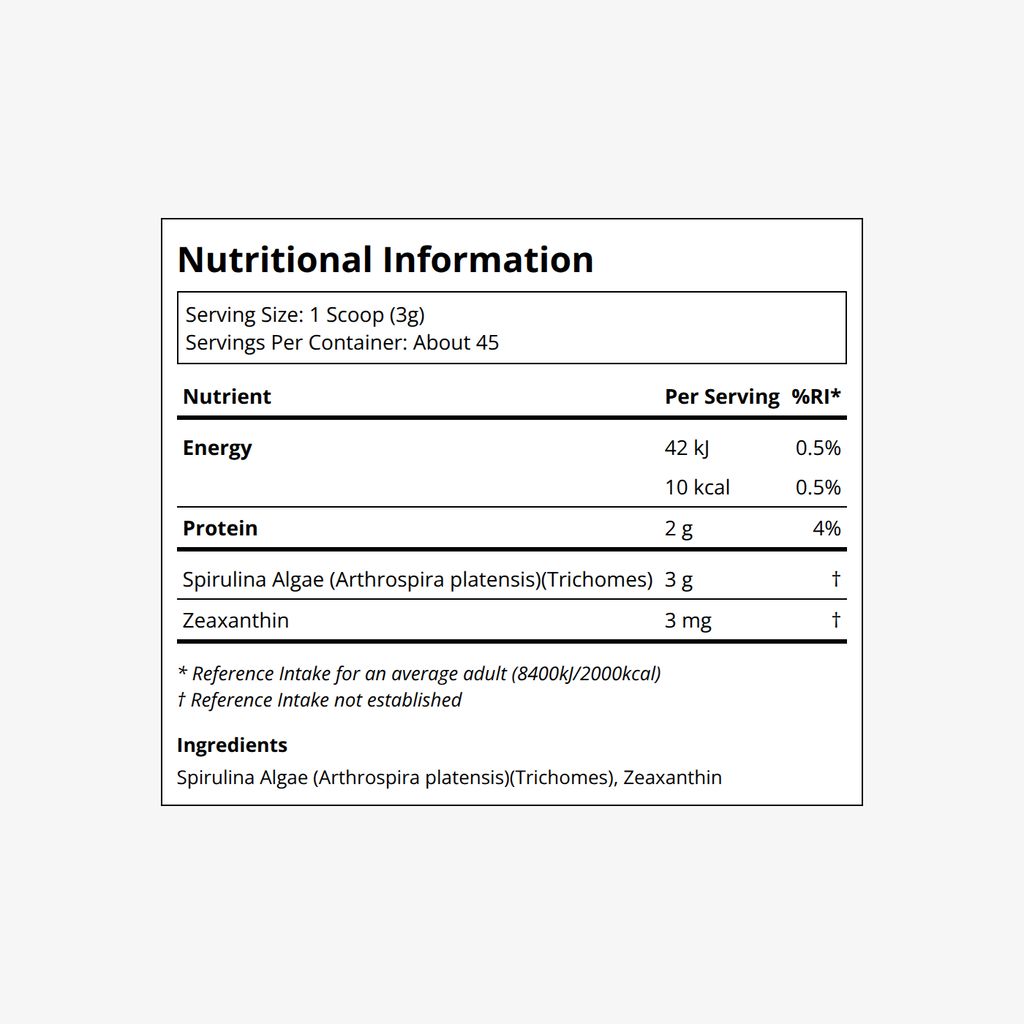
Spirulina is a concentrated powder made from dried algae that grows in both fresh and saltwater. It’s technically considered a cyanobacterium, a type of bacteria that can turn sunlight into energy through photosynthesis. What makes spirulina so impressive is its nutrient density. A single tablespoon provides:
4 grams of protein
2 milligrams of iron
13 milligrams of magnesium
95 milligrams of potassium
6.5 micrograms of folate
4.6 milligrams of choline
Spirulina also contains all nine essential amino acids (AKA the building blocks of protein), along with iron, beta-carotene, vitamin A, copper, selenium, and more. It’s also loaded with antioxidants, which help protect the body against oxidative stress.
Spirulina’s nutrients are highly bioavailable and your body can absorb and use them efficiently. Plus, thanks to the structure of the cell wall, the protein content in spirulina is super digestible. This can be particularly helpful for those who are looking for a gentle, vegan option to support digestion and their overall wellbeing goals.
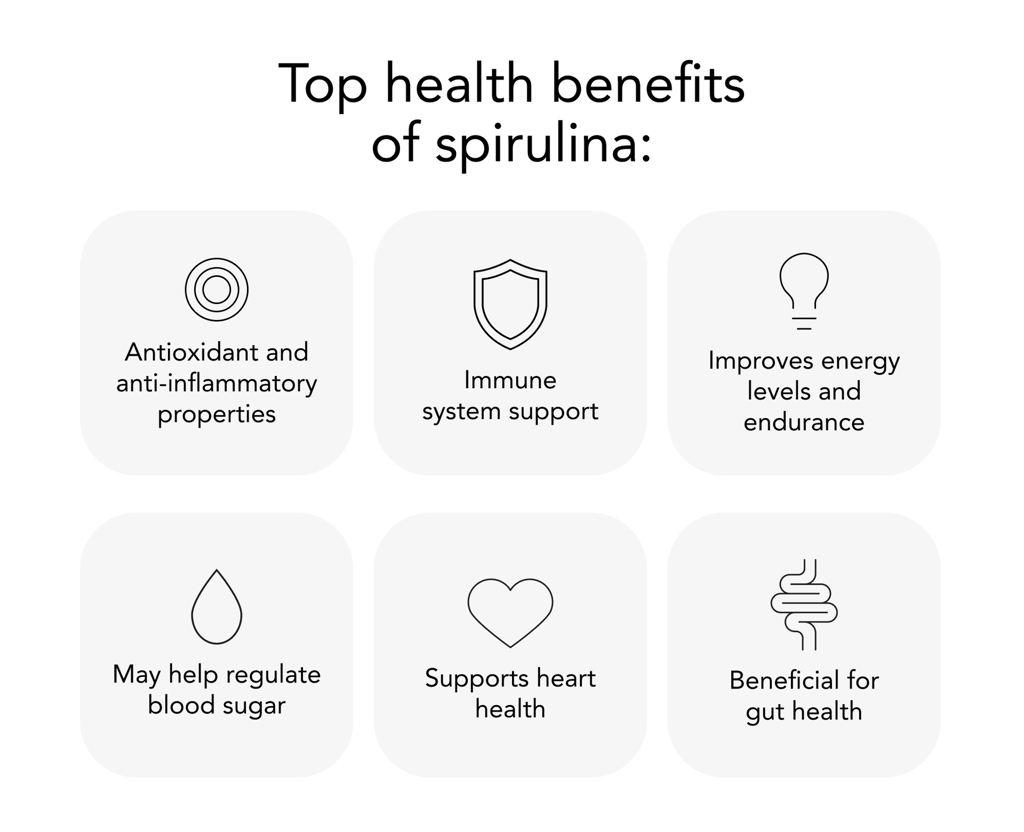
The top health benefits of spirulina
Spirulina isn’t just a colourful addition to jazz up your beverages—it’s packed with powerful nutrients that offer a wide range of health benefits. Let’s dive in.
It offers antioxidant and anti-inflammatory properties
Spirulina contains the protein phycocyanin, a blue-green pigment that has antioxidant and anti-inflammatory properties. Research shows that phycocyanin outperforms other antioxidants (like zeaxanthin, alpha-tocopherol, caffeic acid) in reducing oxidative stress.
Phycocyanin also has antimicrobial properties and is capable of inhibiting the growth of antibiotic-resistant bacteria, acne-causing bacteria, and even providing antifungal defense against specific pathogens.
On top of those, early research suggests that spirulina may protect the body from harmful heavy metals like lead, mercury, cadmium, and chromium, which can cause neurological damage, cellular ageing, and problems with the kidney and liver. Spirulina may support this protection by supplying a natural source of antioxidants that fight off the toxic effects of these heavy metals.
It supports immune health
Spirulina is rich in bioactive compounds that help regulate the immune system and strengthens the body’s natural defenses. Studies suggest that spirulina may support the treatment of cardiovascular diseases, lower blood pressure, and regulate blood glucose levels in individuals with diabetes — all of which contribute to overall immune resilience.
Additionally, preliminary research done in cell lines and animals indicates that spirulina may have anti-cancer properties by inhibiting the growth of tumor cells.
It improves energy levels and endurance
Spirulina is a great source of plant-based protein, which provides sustained energy throughout the day. Unlike fast-digesting carbs, protein digests more slowly and offers a steady release of energy that helps you feel fuller for longer.
Research also suggests that spirulina may improve endurance. One animal study found that spirulina liquid extract enhanced exercise performance, highlighting the need for further investigation in humans, particularly athletes. There is also growing interest in its potential to reduce elevated carbon dioxide levels during training, which could support stamina, performance, and recovery — though more research is needed.
It may help regulate your blood sugar
Spirulina may improve insulin sensitivity and support healthy blood sugar levels. A meta-analysis of eight studies found that spirulina improved fasting blood sugar levels in people with type 2 diabetes — though it did not seem to affect HbA1C (a measure of long-term blood sugar control) or post-meal blood sugar levels.
What’s more, two clinical studies in healthy adults showed improvements in blood sugar after taking spirulina supplements. However, another study using a spirulina sauce (with 2 grams of spirulina) in patients with type 2 diabetes found no effect on blood sugar levels. Overall, the results are mixed and limited, and more human studies are needed to better understand spirulina’s impact on blood sugar.
It supports heart health
Spirulina may help improve several cardiovascular risk factors, such as cholesterol levels, blood pressure, blood sugar, weight, and blood pressure. Research suggests its antioxidant properties, along with its ability to reduce markers of blood vessel damage, may contribute to lowering blood pressure.
It’s beneficial for gut health
Spirulina’s unique nutrient composition may offer gut support. “Spirulina may support gut health by altering gut microbiota,” says Lisa Andrews, MEd, RD, LD. “This change in gut microbiota enhances the growth of certain bacteria found to improve energy metabolism, lower cholesterol, and prevent non-alcoholic fatty liver disease.”
Gut microbes can break down spirulina polysaccharides into butyrate (a short-chain fatty acid), which strengthens the intestinal lining and supports overall gut health.
Spirulina benefits for women
Spirulina is linked to numerous potential health benefits, and while many of these advantages apply to everyone, some may be particularly relevant to women.
It supports healthy skin, hair, and nails
Spirulina is rich in both vitamin E and A, antioxidants that protect the skin, hair, and nails from oxidative stress.
Vitamin E, often called the “vitamin of youth,” is known for its ability to improve skin conditions, support wound healing, and reduce hair loss. Studies suggest that vitamin E may be beneficial for managing inflammatory skin disorders such as psoriasis and atopic dermatitis (eczema), a skin condition that’s more commonly seen in women.
Additionally, low levels of vitamin A are associated with an increased risk for skin infections and inflammatory skin diseases. Vitamin A is frequently included in skincare products because it enhances skin elasticity and stimulates the natural regeneration of collagen fibres and cellular repair. Vitamin A derivatives are also widely used in acne treatments because of their antibacterial and exfoliating properties, which improves skin texture and reduces breakouts.
It provides iron support
Spirulina is high in iron, with roughly 122 grams of spirulina supplying 32 grams of iron. Iron is involved in red blood cell production, making it particularly important for women, especially those who are menstruating and pregnant. Menstruating women lose blood monthly and need to replenish their iron stores, while pregnant women require a steady supply to support increased blood volume and a healthy pregnancy.
“Spirulina provides a plant-based form [of iron] that’s easy to absorb and has been shown to improve hemoglobin levels and reduce anaemia in pregnant women”, says Jennifer Nicole Bianchini, MS, RD, IFNCP, RYT, Functional Dietitian and Founder at Body to Soul Health.
However, because blue-green algae products have been associated with contamination and the safety of spirulina during pregnancy isn’t fully known, it’s a good idea to check with a healthcare professional first.
It supports metabolic and hormonal health
Metabolic disorders are common during menopause due to hormonal changes that impact various physiological functions. Postmenopausal women are at greater risk for conditions such as increased waist circumference, high blood pressure, elevated triglycerides and blood sugar, and reduced levels of HDL cholesterol (the "good" cholesterol).
A systematic review found that spirulina supplementation has positive effects on managing metabolic syndrome, suggesting that spirulina may support weight management, regulate appetite, improve fat metabolism, and lower blood sugar and insulin levels—all factors that influence metabolic health.
According to Andrews, women in perimenopause or menopause often experience abdominal weight gain, often called "meno belly". A systematic review and meta-analysis found that taking spirulina for 12 weeks was associated with weight loss and a reduction in waist circumference. These findings suggest spirulina may be a useful supplement for supporting healthy weight management during this stage of life.
Bianchini also highlights the role of gamma-linolenic acid (GLA), an omega-6 fatty acid found in spirulina, which may help balance inflammatory compounds called prostaglandins. Before menstruation, the body releases prostaglandins that can be highly inflammatory and contribute to PMS symptoms.
“GLA may help reduce these symptoms and support overall hormone balance in women,” she says. Ultimately, spirulina may play a supportive role in women’s health across different life stages.
Spirulina benefits for men
Just as with women, men can also experience targeted benefits from spirulina supplements, including:
It can enhance athletic and sexual performance
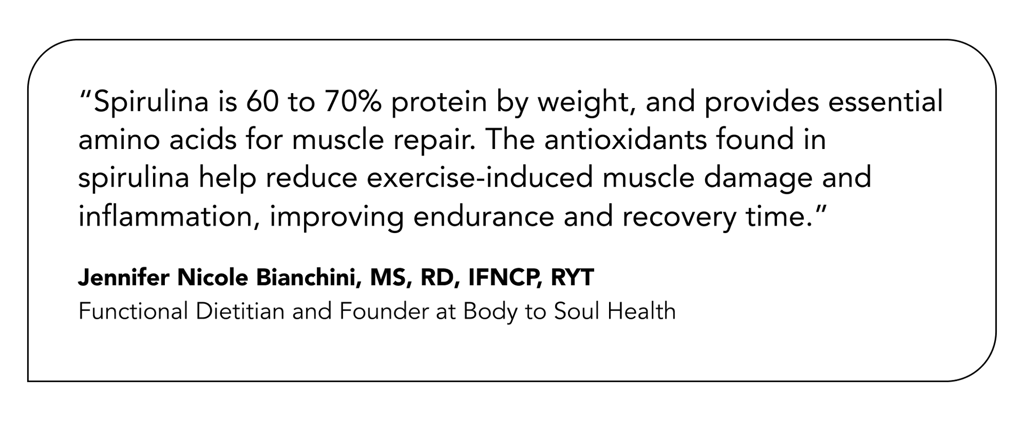
Spirulina may improve athletic performance and recovery for everyone, but especially in men. “Spirulina is 60 to 70% protein by weight, and provides essential amino acids for muscle repair,” says Bianchini. “The antioxidants found in spirulina help reduce exercise-induced muscle damage and inflammation, improving endurance and recovery time.”
So why does the research show that men, in particular, may notice stronger effects on physical performance? Because certain research has shown spirulina may increase testosterone levels, the male sex hormone that plays a key role in muscle growth, endurance, and metabolic function.
It helps support healthy blood pressure levels
Until around age 64, men have a higher risk of developing high blood pressure compared to women. Research suggests that spirulina may help lower blood pressure due to its antioxidant content and its ability to reduce markers of blood vessel damage associated with high blood pressure.


How to use spirulina for maximum benefits
If you’re considering adding spirulina to your daily routine, these tips can help you max out on its potential benefits:
Dose: Research supports a dose of 2 to 5 grams per day, with studies supporting safe and effective doses up to 10 grams. “I usually recommend starting with 2 to 3 grams and working your way up as tolerated,” says Bianchini. “Dosing will [also] vary depending on the purpose and intention for taking spirulina.”
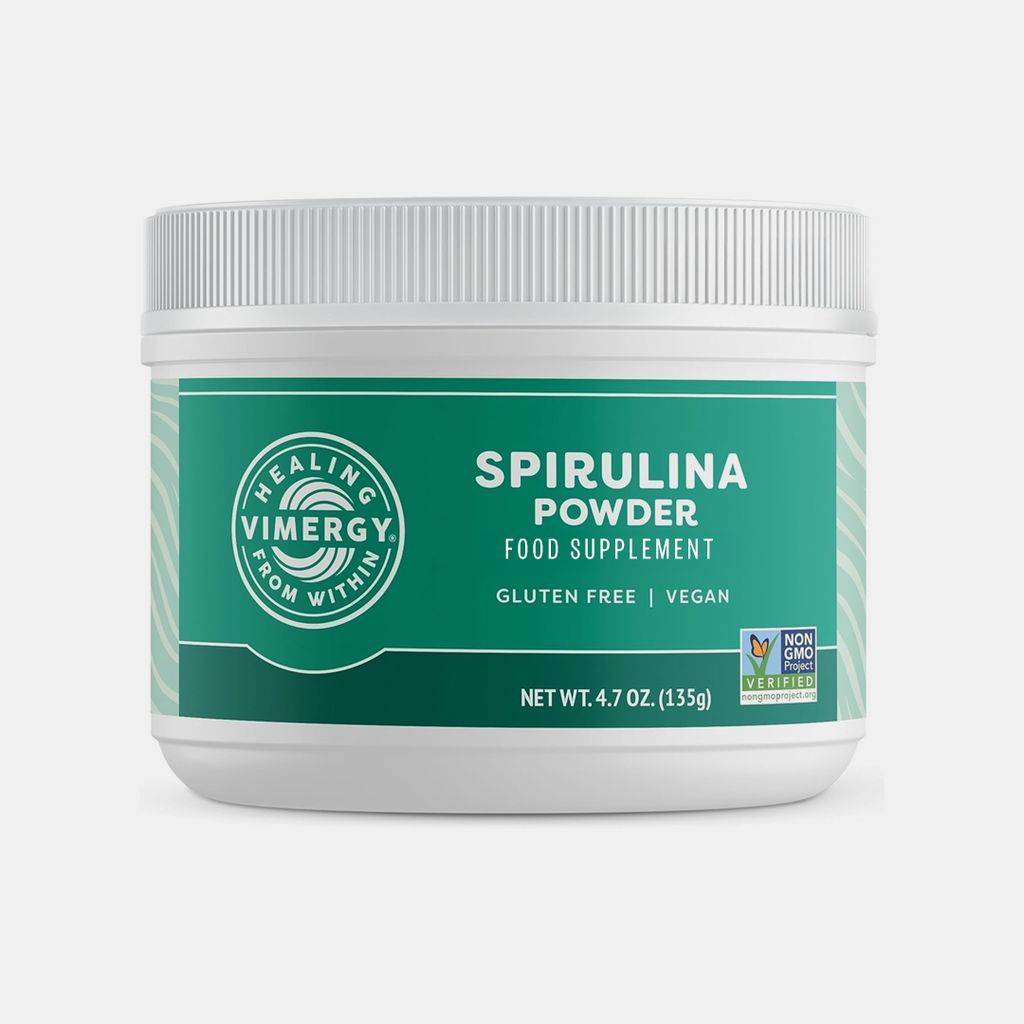
Form: Spirulina is most commonly available in powder form, which can easily be added to shakes, smoothie bowls, yogurt, salad dressings, oatmeal, or baked goods. It also comes in capsules, which may be a better choice if you prefer a quick, no-mix, convenient option. “It really is a personal choice whether you prefer powdered forms or capsules,” says Bianchini. “Both are concentrated and absorbable forms.”
Quality: Regardless of the form, choose a spirulina supplement that has been third-party tested. This ensures it meets rigorous standards for manufacturing, purity, and safety. It’s also important to verify that the product has been tested for toxic contaminants, including heavy metals.
Potential side effects and safety considerations
Spirulina is generally considered safe for most, but minor side effects can occur, including diarrhoea, bloating, upset stomach, flatulence, swelling (edema), headache, muscle pain, facial flushing, or sweating.
Like any supplement, there are certain people who should avoid or use it with caution. “People who have autoimmune diseases or are on immunosuppressants should be cautious and speak to a healthcare professional first since spirulina can stimulate immune activity,” says Bianchini. “People on blood thinners or with bleeding disorders should be careful as well since it may have mild anticoagulant effects.”
There is currently no data on whether spirulina’s components pass into breastmilk, nor on its safety and efficacy for nursing mothers or infants. If you are pregnant or breastfeeding, consult your healthcare provider before taking spirulina supplements.
At Healf Zone, members gain exclusive access to clinical-grade at-home blood testing. We help you translate your body’s data into a personalised health plan — all guided by expert insights tailored to your unique needs. Our consultations remove the guesswork by identifying what truly works for your wellbeing. We guide you toward the right products, habits, and rituals that best support your body, and can help you choose the best spirulina supplements for your needs.
So, is spirulina right for you?
If you’re considering adding spirulina to your diet, it may be worth exploring if you fall into one of these groups. Keep in mind, if you have a diagnosed medical condition or regularly take medication, always consult your healthcare provider before starting spirulina supplements.
You may benefit from spirulina if you:
Are a woman in perimenopause or menopause struggling with weight management.
Are a menstruating woman.
Are overweight or obese and need extra appetite support.
Have metabolic issues or high blood pressure.
Want to strengthen your immune system.
Are looking to improve energy levels and performance — whether you’re an athlete or not.
Want to add more protein to your diet.
Follow a vegan or vegetarian diet and need plant-based sources of protein.
Are a health enthusiast looking for a concentrated nutritional boost.
The bottom line
Spirulina is a blue-green algae with an impressive nutrient profile and wide-ranging potential benefits. As with any supplement, it’s important to choose a pure, tested product and use it consistently in a dose that works best for your wellbeing goals.
Adding a high-quality spirulina supplement to a balanced diet is an easy and effective way to help fill nutrient gaps and support overall wellbeing.
Key takeaways
Spirulina is nutrient-dense algae that’s rich in protein, iron, and several essential micronutrients.
Research links spirulina to a range of health benefits, including metabolic support, cardiovascular health, enhanced energy levels, and positive effects on gut health.
Spirulina offers targeted benefits for women, such as skin health, hormone balance, and iron support. Potential benefits for men include elevated testosterone, enhanced muscle recovery, and blood pressure management.
Spirulina is most effective when combined with a balanced diet and healthy lifestyle habits. Supplements like spirulina are intended to complement, not replace, nutritious eating and regular physical activity for optimal wellbeing.
Frequently asked questions (FAQs)
What are the benefits of spirulina?
Spirulina is a nutrient-dense, protein-rich algae that can help boost overall nutrition. Research shows it has anti-inflammatory and antioxidant properties, which may support immune function and promote healthy skin. It can also provide a steady source of energy and help increase feelings of fullness, which may be especially useful for athletes or anyone looking to curb hunger between meals. Additionally, studies suggest spirulina can support metabolic health by helping regulate blood sugar, improve lipid metabolism, and promote cardiovascular health.
What are 9 side effects of spirulina?
Spirulina supplements are generally considered safe, but some reports note minor side effects, such as:
Diarrhea
Bloating
Upset stomach
Flatulence
Swelling (edema)
Headache
Muscle pain
Facial flushing
Sweating
Does spirulina reduce belly fat?
Spirulina may help reduce belly fat by promoting overall weight loss, suppressing appetite, and altering gut microbiota to improve energy metabolism. “A compound in spirulina called phycocyanin contains a light-harvesting chromophore called phycocyanobilin, which can inhibit nicotinamide adenine dinucleotide phosphate hydrogen (NADPH) oxidase [a enzyme], a major source of oxidative stress in fat cells,” explains Andrews.
Oxidative stress in large fat cells can lead to insulin resistance and change how these cells produce chemicals that affect inflammation. By reducing oxidative stress in fat cells, spirulina may help lower inflammation throughout the body and improve the body’s response to insulin — both of which can support the reduction of belly fat.
However, it’s important to remember that the most effective way to lose belly fat is a balanced diet combined with a healthy lifestyle, including regular physical activity. Spirulina can be a helpful supplement, but it works best alongside these foundational habits.
What toxins does spirulina remove?
Spirulina may help protect the body from harmful heavy metals like lead, mercury, cadmium, and chromium, which are linked to neurological damage, cellular ageing, and kidney or liver problems. Animal studies suggest that spirulina’s antioxidant content can help the body combat the harmful effects of these toxic metals.
What happens if I take spirulina every day?
Spirulina can be a healthy addition to your diet. However, if you are taking spirulina to target a specific health goal, it’s best to consult a professional before making it a daily habit. They can help determine the right dosage, ensure it won’t interfere with medications, and confirm that daily use aligns with your individual health needs.
Is spirulina safe for the kidneys?
Yes, spirulina is generally considered safe for your kidneys. “While spirulina provides exogenous protein in your diet, it is generally considered safe for your kidneys, and may provide antioxidant benefits in individuals experiencing acute kidney injury (AKI). However, if you have an existing kidney disease or any other health condition, it’s important to consult your healthcare provider before taking spirulina supplements.
Which is better, moringa or spirulina?
Spirulina and moringa are two different species — spirulina is a type of algae and moringa is a herbal plant that comes from a tree. Both are commonly used in dietary supplements, but they have different nutrient profiles. “Spirulina is rich in protein, while moringa contains less protein,” says Andrews. Both, however, provide a variety of micronutrients to support overall health.

This article is for informational purposes only, even if and regardless of whether it features the advice of physicians and medical practitioners. This article is not, nor is it intended to be, a substitute for professional medical advice, diagnosis, or treatment and should never be relied upon for specific medical advice. The views expressed in this article are the views of the expert and do not necessarily represent the views of Healf
Dahlia Rimmon is a freelance health writer and registered dietitian. She writes for a variety of publications and wellness brands, specialising in translating complex medical and nutrition information into clear, engaging content. Through her work, Dahlia aims to empower readers to make informed choices about nutrition, embrace a healthy lifestyle, and confidently navigate their overall health journey. She lives with her family in the Midwest.