






































_2026-10-13_14-11-48.png)

The Royal Power Of Mother Nature’s Medicine For The Princess Of Wales
Written by: Pippa Thackeray
Written on: 13 April 2025
The symbolism of woodland
It wasn’t the usual royal photo the public is used to. No evening gown or fascinators to be seen in this one. Just Kate, coat zipped up, donned in a woolly hat, and surrounded by leafless trees in a fine mist. It’s a poetic and very familiar British winter scene.
“Don’t forget to nurture all that which lies beyond the disease”
The caption, equally poetic, reads, “Don’t forget to nurture all that which lies beyond the disease.” There are no hashtags and no elaborate statements. This powerful one-liner is a nod to the interior world that is still yours even when illness attempts to take it from you.
In the accompanying picture, Kate looks remarkably defiant in posture: arms extended and fully embracing the environment around her. Simultaneously this pose reflects a deeply-rooted will to look beyond her suffering and to surrender to the beauty of the natural world.
It’s truly raw and unfiltered, and compounded by the sentimentality of her 6-year-old son’s presence behind the camera, a visible reminder that recovery isn’t always acted out in a clinical setting.
A long-standing love for the outdoors
Kate’s bond with nature began a lot earlier than the posting of this one photograph. Most notably, in 2019, she co-designed a garden for the Chelsea Flower Show based on the concept of forest bathing. The “Back to Nature” space featured a treehouse, a stream, and log stepping stones. It could be described as part playground and part a mental health sanctuary.
Speaking of the design, she acknowledged the importance of being playful beyond our childhood years: "I believe that spending time outdoors when we are young can play a role in laying the foundations for children to become happy, healthy adults." It seemed a timely message, reaching out to the public to remind them that wellbeing isn’t always something you buy in a bottle or track on a screen.
Defining the proven benefits of forest bathing
Forest bathing, despite popular misconception, does not involve any submersion in water, but simply being present in nature.
Interestingly, it has its origins, not in hippie culture, nor in history spanning our ancestral roots, but in a government recommendation. In 1982, Japan’s Ministry of Agriculture, Forestry, and Fisheries suggested shinrin-yoku as a remedy for the rising burnout rates of the time. The suggestion itself was to simply walk into a forest, slow down, breathe and listen.
Since then, science has proven the power of such a pared back remedy. Dr Qing Li, a professor at Nippon Medical School in Tokyo, found that spending time in forests can reduce cortisol, lower heart rate, and even increase the number of natural killer (NK) cells, these are immune cells that help ward off cancer and viruses. In one study, NK cell activity increased by up to 50% after a three-day forest immersion, with elevated levels lasting more than 30 days post-exposure.
It was also found that Phytoncides are antimicrobial compounds released by trees, and appear to be the mediators. If you breathe them in, your immune system responds favourably.
Why being amongst trees feels safe when the rest of the world doesn’t
‘Escaping to the forest’ is a popular concept we might fantasise about when we feel upset or overwhelmed. And there may be some scientific basis to it.
In trauma therapy, trauma itself is mainly explored in terms of what the body senses and stores.
Forests, in particular, are full of patterns, light-play, and many other forms of non-threatening sensory input, such as the sounds of the leaves or the smell of the earth. It is exactly this regulation that the nervous system yearns for when it’s been over-primed by illness or stress.
Moreover, researchers have linked green space exposure to improved emotion regulation and decreased activity in the brain’s subgenual prefrontal cortex, the part tied to repetitive negative thought.
Around the world in woods
Shinrin-yoku isn’t alone in being a cultural tradition observing trees as medicine. In Finland, there’s metsänpeitto, “being covered by the forest”, it’s a phrase for the moment a person disappears into the woods, overwhelmed by its presence.
In ancient Britain, oaks and yews weren’t just trees; they were meeting places, spiritual sites, and sources of wisdom. Similarly, Indigenous North American tribes have long seen forests as sacred spaces, where the land is alive and sentient and trees are kin. It would appear that in every tradition, no matter how old or far from home, the forest is a universal gift.
6 ways to practise forest bathing for optimum benefit
Forest bathing doesn’t require much preparation. You just need a quiet path and the ability to be free from responsibilities and phone notifications for a little while.
- Forget the destination: There’s no summit, no mileage. Just choose a patch of green, and wander without a plan.
- Tune in to your senses: Feel the temperature on your skin, listen for the wind. Smell the bark, moss, mud. If you’re not noticing the tiny things, you’re doing too much thinking.
- Breathe with intention: Try 4-7-8 breathing as you walk: inhale for four, hold for seven, exhale for eight.
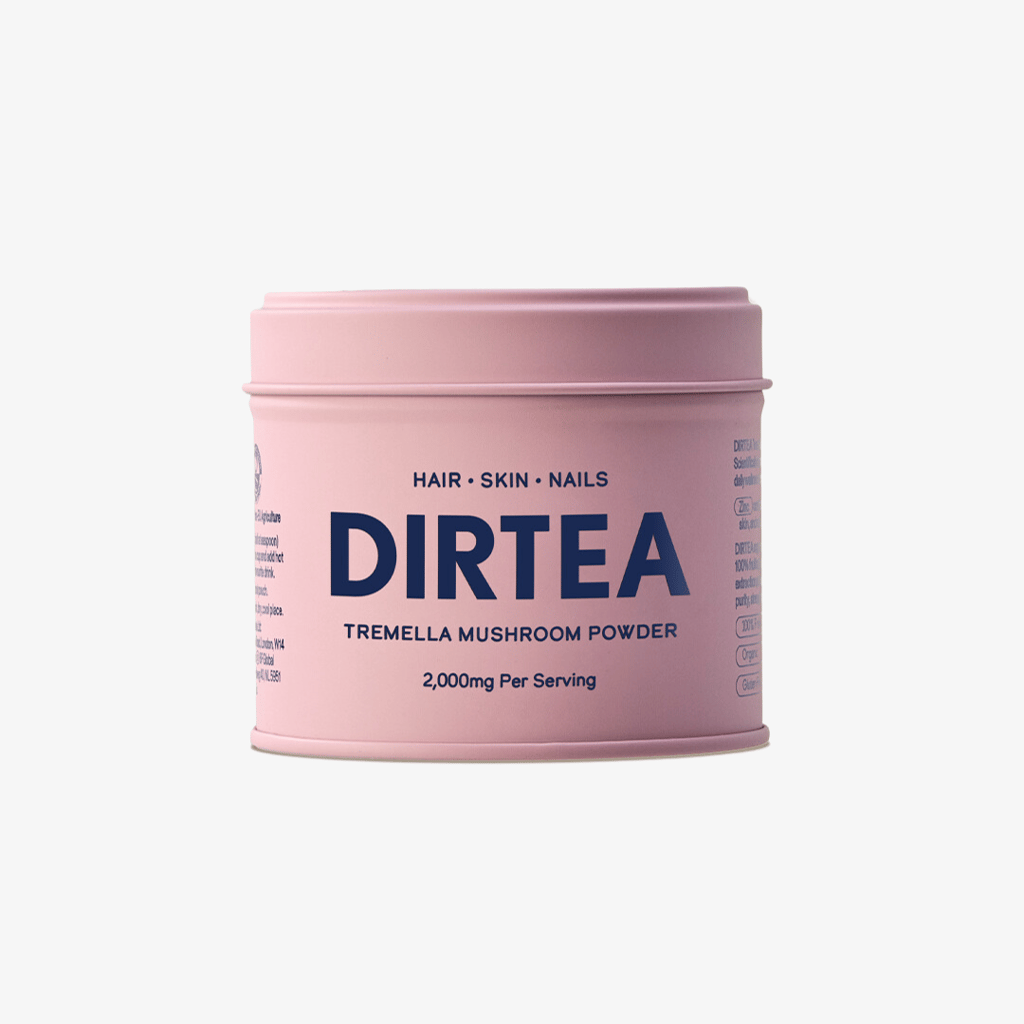
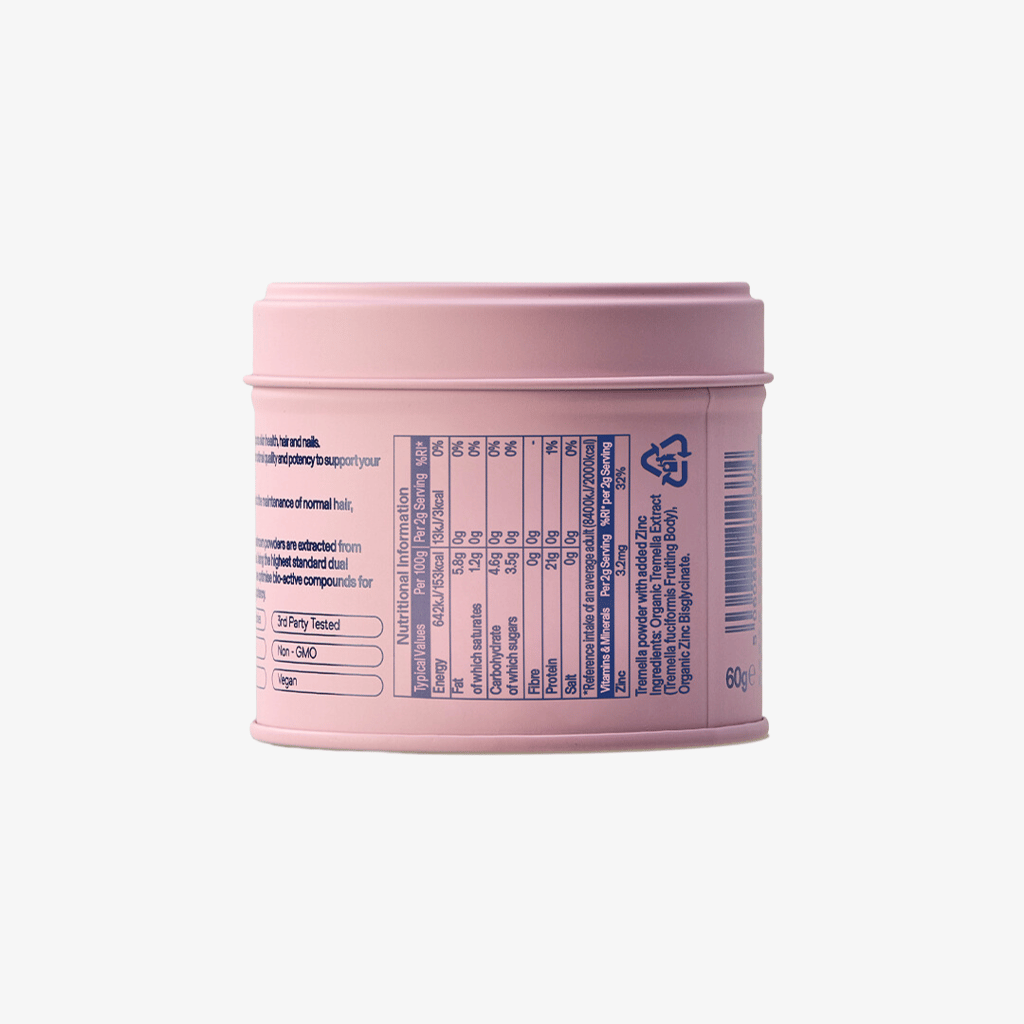
- Swap caffeine for calm: Before you head out, support nervous system calm with a mug of DIRTEA Tremella Mushroom Powder, a hydrating adaptogen linked to cellular repair.
- Don’t track it: Leave the step counter at home for this trip. The best thing you can take with you is an open mind.
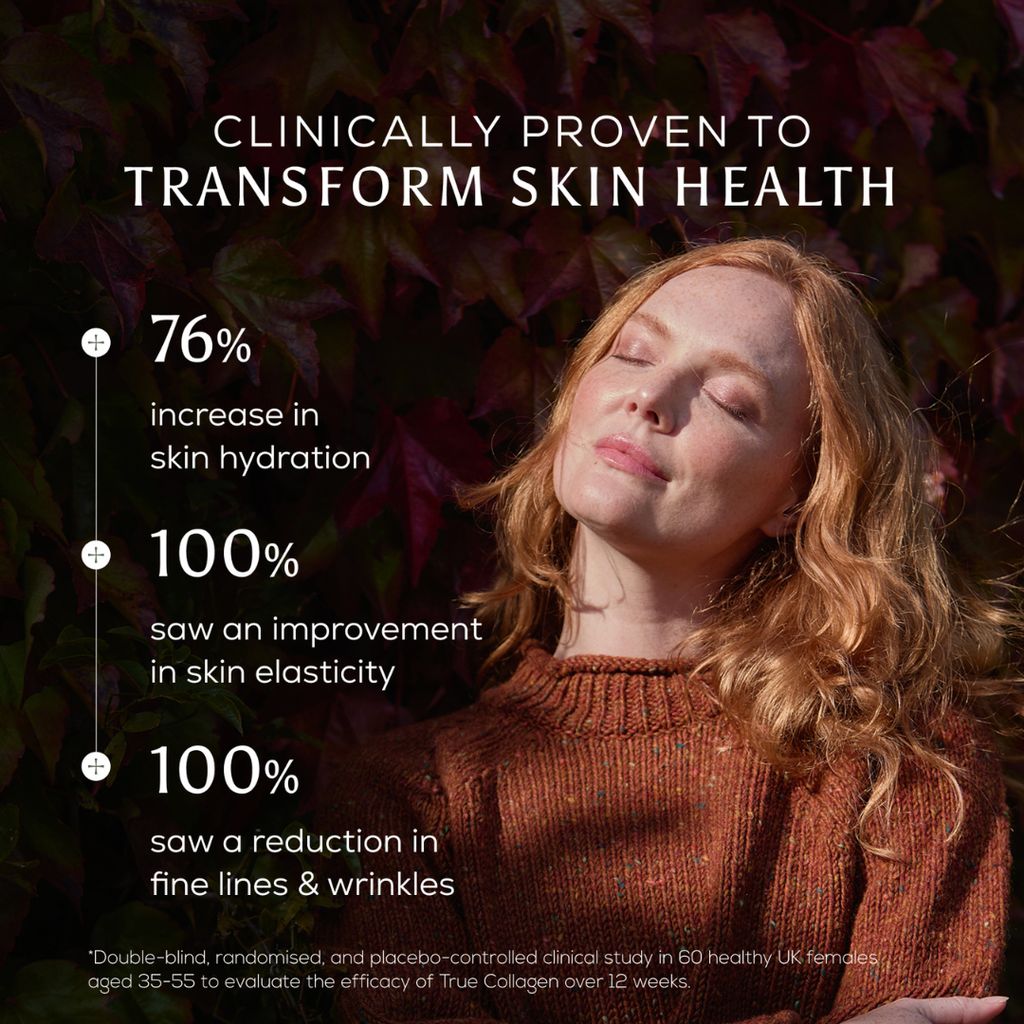
- Create a re-entry ritual: After you return, try Ancient + Brave True Collagen in warm water as a grounding, nourishing way to seal the experience.

Final thoughts
In sharing her very human portrait, Kate Middleton offered to us a way to reconnect with something older than data, and much older than any diagnosis.
She provided a much needed reminder that healing isn’t always about action, it’s often presence that counts.



This article is for informational purposes only, even if and regardless of whether it features the advice of physicians and medical practitioners. This article is not, nor is it intended to be, a substitute for professional medical advice, diagnosis, or treatment and should never be relied upon for specific medical advice. The views expressed in this article are the views of the expert and do not necessarily represent the views of Healf
Pippa is a content writer and qualified Nutritional Therapist (DipNT) creating research-based content with a passion for many areas of wellbeing, including hormonal health, mental health and digestive health.
As a contributor to The Healf Source, she regularly attends seminars and programmes on a plethora of contemporary health issues and modern research insights with a drive to never stop learning. In addition, interviewing experts and specialists across The Four Pillars: EAT, MOVE, MIND, SLEEP.
In her spare time, she is an avid swimmer, mindfulness and yoga lover, occasionally bringing a raw, honest approach to the topics she faces. You may also discover some personal accounts of eye-opening wellbeing experiences amidst the reality of a disorientating, and often conflicting, modern wellbeing space.