































_2026-10-13_14-11-48.png)

.jpg)
What Is The Exact Order You Should Layer Your Nighttime Skincare
Looking to repair and replenish your skin whilst you sleep? This expert dermatologist shares her best advice.
Written by: Samantha Nice
Written on: 3 June 2025
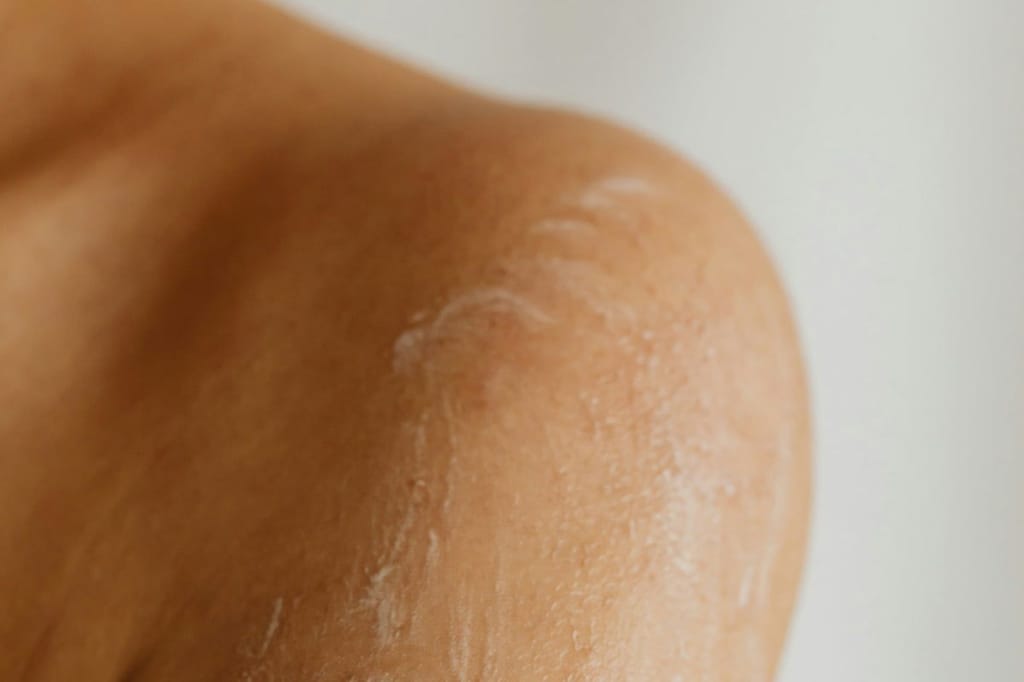
When we sleep, our skin naturally enters repair mode which is an essential function for restoring daily damage and preserving its overall health, as well as its appearance. A targeted skincare routine can really enhance this process, but it’s not just about the products you use… the order in which you apply them is also key. Here Dr Ifeoma Ejikeme, Medical Consultant and Founder of Adonia Medical Clinic, tells all.
How (and why) does our skin repair overnight?
We’ve all heard about our circadian rhythm (our own internal body clock that helps to regulate our sleep-wake cycles responding to light changes in our environment) but did you know our skin also follows the same rhythm? “During the day, our skin primarily focuses on defence, shielding itself from environmental stressors like UV rays, pollution and free radicals,” explains Dr Ejikeme.
“However, at night the skin shifts into repair and regeneration mode. Blood flow to the skin increases, delivering essential nutrients and oxygen to aid the repair process. Cell turnover accelerates, meaning damaged cells are replaced with new, healthier ones. Collagen production also peaks at night which helps to maintain the skin’s structure and elasticity,” she adds.
This overnight repair is crucial for maintaining our overall skin health and to help counteract premature signs of ageing such as fine lines and wrinkles, dullness and a loss of elasticity and volume. If our skin’s ability to repair itself becomes compromised in any way, we can start to see signs of dryness, irritation, inflammation and a weakened barrier.
The best products and ingredients for overnight skin repair
Efficacious products with active ingredients can really help to accelerate your skin’s natural overnight repair process. Look for ingredients that encourage cell turnover, boost hydration and help to strengthen your skin barrier.
Retinoids
These vitamin A derivatives (such as over-the-counter retinol and prescription-strength tretinoin) are powerhouse ingredients for skin renewal. “They are known for their ability to increase cell turnover, reduce fine lines and boost collagen production,” says Dr Ejikeme. “While they are highly effective, they should be introduced gradually to avoid irritation,” she adds.
Peptides
Peptides are short chains of amino acids that act as building blocks for proteins like collagen and elastin which are essential for maintaining skin structure. “Another valuable addition, they help to strengthen the skin’s barrier too,” says Dr Ejikeme.
Hyaluronic Acid
"Hydration is crucial during the repair phase, so using humectants like this really help to maintain moisture levels, prevent dehydration and support the skin's plumpness,” she adds. You could also look for glycerin or shea butter.
Niacinamide
A multitasking hero, niacinamide (a form of vitamin B3) is known for its ability to calm inflammation, strengthen the skin barrier and regulate oil production but it’s also great for those with sensitive or acne-prone skin. .
Ceramides & Fatty Acids
Also effective at contributing to a strong skin barrier, these lipid molecules help to prevent moisture loss and protect against external stressors.
LED Light Therapy
"At-home LED devices can be a valuable addition to your nightly routine as they help to enhance the skin's natural regeneration process. Look for ones that use a combination of red, blue, and near-infrared light to stimulate collagen production, reduce inflammation, and support cellular repair." – Dr. Ejikeme


Why is the order in which you layer important?
Nailing the ingredients is one thing, but if you’re applying them in the wrong order you could be doing your routine a big disservice. “When products are layered incorrectly, they may not be absorbed properly which can lead to wasted product but more importantly… less effective results,” explains Dr Ejikeme. “In some cases, improper layering can cause irritation, breakouts or a compromised barrier,” she adds. When you apply them in a certain order you can ensure they penetrate deep into the layers of your skin that’s needed to deliver their full benefits.
What is the best order to layer your nighttime skincare products?
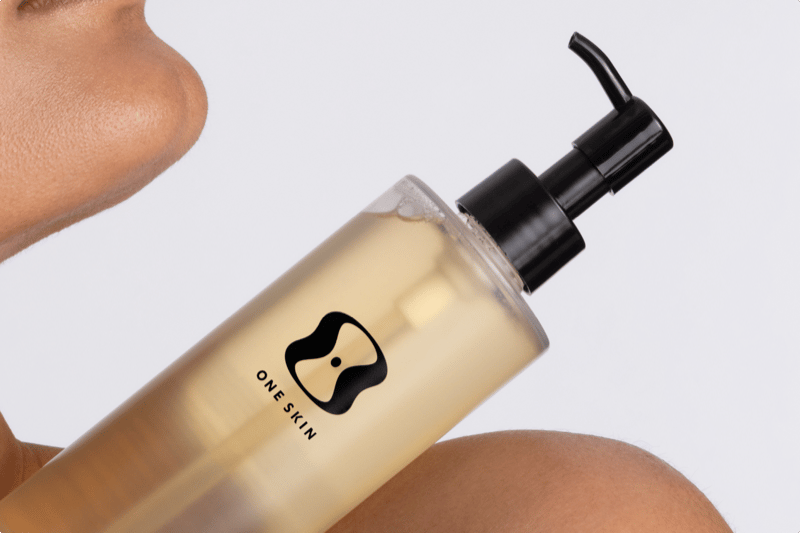
The trick here lies in the texture of each product. “As a general rule of thumb, look to apply products from the thinnest to the thickest consistency,” says Dr Ejikeme. Always start with a double cleanse at night to remove any impurities, makeup and SPF from the day. Lightweight, water-based products should go first so this would be your toner if you use one. Serums are next… starting with water-based ones and then moving onto oils.
Heavier products like your moisturiser or night cream should be used last to help lock in moisture and seal in the other products you’ve used. So where do retinoids fit in? “These should be applied directly after cleansing and toning and then followed by the rest of your routine,” says Dr Ejikeme who also gives one last top tip… “When building a skincare routine, be sure to introduce new products gradually to minimise the risk of irritation.”
One final word… prioritising your sleep really is crucial. After all, there’s a reason it’s called beauty sleep. “Inadequate or poor-quality sleep can not only disrupt your skin’s repair process, but it can also lead to increased cortisol production,” says Dr Ejikeme. Elevated cortisol can break down collagen, cause inflammation and contribute to premature ageing, dullness and breakouts. Chronic sleep deprivation can even result in long-term damage, making the skin more prone to sensitivity and dehydration. Good quality sleep allows the skin to effectively carry out its regenerative functions, ensuring a healthier, more radiant complexion.”




This article is for informational purposes only, even if and regardless of whether it features the advice of physicians and medical practitioners. This article is not, nor is it intended to be, a substitute for professional medical advice, diagnosis, or treatment and should never be relied upon for specific medical advice. The views expressed in this article are the views of the expert and do not necessarily represent the views of Healf
Samantha Nice is a seasoned wellness writer with over a decade of experience crafting content for a diverse range of global brands. A passionate advocate for holistic wellbeing, she brings a particular focus to supplements, women’s health, strength training, and running. Samantha is a proud member of the Healf editorial team, where she merges her love for storytelling with industry insights and science-backed evidence.
An avid WHOOP wearer, keen runner (with a sub 1:30 half marathon) hot yoga enthusiast and regular gym goer, Samantha lives and breathes the wellness lifestyle she writes about. With a solid black book of trusted contacts (including some of the industry’s leading experts) she’s committed to creating accessible, well-informed content that empowers and inspires Healf readers.