









_2026-10-13_14-11-48.png)

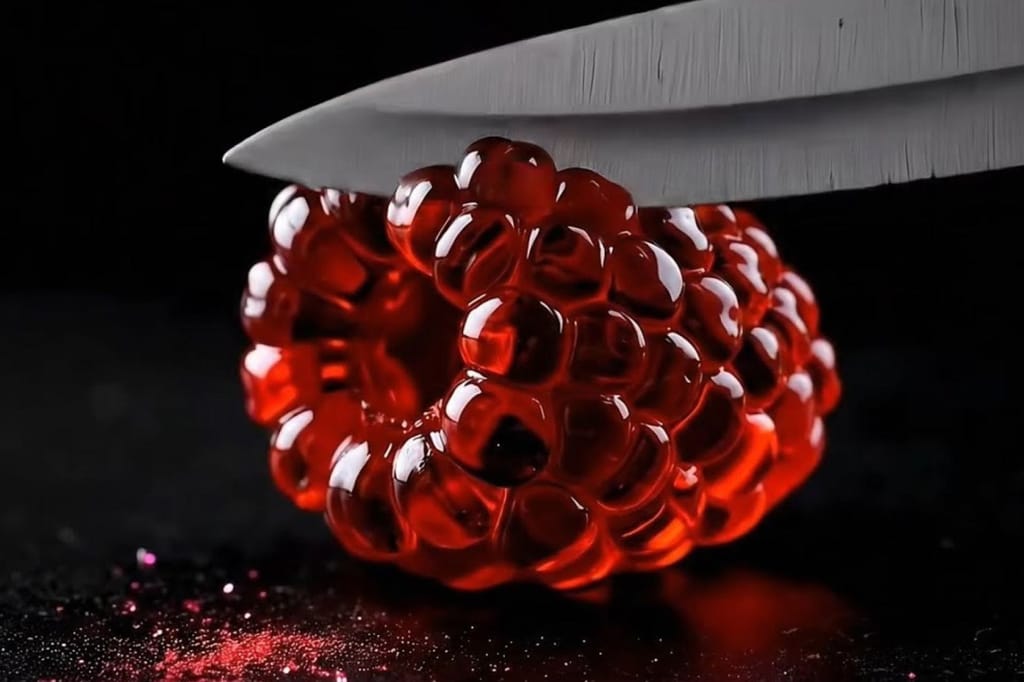
Why TikTok Cannot Get Enough Of Knife Skills
Written by: Pippa Thackeray
Written on: 8 September 2025
A TikTok trend involving mesmerising knife cutting skills has millions obsessed. “Slice, Dice, Repeat.” These chopping clips seem to have us hooked. But could there be a more sinister story to tell?
The fascination of hypnotic knife work
Scroll for five minutes and you are bound to stumble upon a video of someone tackling an onion with astonishing speed or shaving cucumbers into paper thin rounds.
With over 125,000 overall posts and 2 billion overall views, the knifeskills hashtag has proven to be a powerful tool for TikTok creators, perhaps evidencing that there is something hypnotic about seeing a professional chef or even a nervous amateur slice with rhythm and flair.
The fun of it all
At the heart of the trend is pure entertainment. Crisp chopping sounds echoing like percussion, vegetables transforming into perfect stacks in seconds. It is theatrical and oddly soothing all at the same time.
Comedy has its place too, with some posts thriving on parody. One user attempts the claw grip for the first time, narrowly avoiding disaster, while another wields an oversized cleaver against a cherry tomato for exaggerated effect.
The challenge culture further fuels the obsession
Who can slice the most uniform tomato pieces in 10 seconds flat. Who can balance speed with accuracy, or who dares to split a single grain of rice. The absurdity keeps us watching, laughing, and sharing, virally.
There is also the ASMR appeal. The neat snip of spring onions, the crunch of celery stalks, the even thud of a blade meeting the board. Studies have shown that repetitive food preparation clips can lower stress levels and provide genuine relaxation to viewers.
Knife skills explained
While the trend looks chaotic, it is built on solid culinary foundations. There are three key techniques that surface again and again.
The claw: Curl the fingers of your guiding hand to protect them from the blade while anchoring the ingredient in place.
The rock chop: Keep the tip of the knife planted on the board and use a rocking motion to cut with speed and rhythm.
The push pull: Instead of chopping straight down, glide the blade forward and backward for more accuracy and control.
Chef and writer Samin Nosrat has said that knife skills are the single most liberating skill you can learn in a kitchen. They make preparation quicker, safer, and more enjoyable. They also impact flavour. Uneven onions burn on the edges while precise slices caramelise evenly.
Now the tricky part: should we be watching?
What seems like harmless fun is also a masterclass in how the brain responds to reward. Every time you see a perfect dice or a cucumber turned to ribbons, your brain releases dopamine. That chemical is closely tied to pleasure and motivation. You feel rewarded, and then you want more. So you keep scrolling.
This is known as the dopamine loop. That’s the same principle which makes slot machines addictive. It’s the unmistakable unpredictability that makes it so compelling to keep loading the content.
The pros
That said, there is a good side to this, in that knife videos can provide a more harmless lift, compared to other content. They soothe with rhythm and order, plus, they also inspire action.
Practising knife skills yourself engages the parts of the brain linked to mastery and learning, which creates longer lasting satisfaction, maybe even some masterpieces coming out of your kitchen that you can impress your friends with.
The cons
The less positive side comes when the loop takes over. Constant exposure to dopamine triggers through social media has been linked to shorter attention spans, disrupted sleep, and higher levels of anxiety.
Researchers at Harvard Medical School note that the very design of platforms such as TikTok plays on this variable reward system to keep users hooked.
Wellbeing in the kitchen
The knife trend is not all about digital addiction. There is also a wellbeing benefit when the chopping moves off screen and into your own kitchen. Cooking is a hands-on activity that pulls you into the present moment.
A study in the Journal of Positive Psychology found that small, creative tasks such as cooking improved mood and energy levels in participants. The repetitive nature of chopping and slicing can act as a form of mindfulness, giving the brain a break from digital clutter.
So while watching endless clips may tip into compulsive behaviour, practising knife skills in your own kitchen could actually support a calmer state of mind.
Safety first, please
The irony is that blunt blades are often more dangerous than sharp ones, since they require more pressure and are more likely to slip.
It’s recommended to start with soft vegetables before moving to more challenging shapes and textures such as squash. Kitchen professionals also stress the importance of sharpening your knife regularly.
How to practise to perfection
If you want to explore the trend safely, begin with the basics.
Secure your board: Place a damp cloth beneath it to stop slipping and give yourself stability.
Keep your tools in good condition: Durable, non toxic cookware is designed to be hardwearing and free from potentially hazardous materials often found in conventional cookware.
Master the claw: Practise slowly with carrots or courgettes. Speed will come naturally later.
Pause and replay tutorials: Watching slowly reveals finger placement and technique.
Record yourself: Filming your own practice highlights mistakes and progress.
The cultural side
It’s a trend not just about onions and cucumbers. Some creators showcase intricate sushi preparation or elaborate fruit carvings. Others branch into meat butchery or use the clips to accompany meal prep trends.
Japan has a long tradition of revering knives. Many chefs there sharpen their blades daily and select a specific knife for each ingredient. The viral trend offers a glimpse into that respect for precision and craft.
A healthy reminder
The balance lies in how you use the content. Watching occasionally for entertainment is harmless. Trying out techniques in your own kitchen can genuinely support relaxation and skill building. But endless scrolling for dopamine hits can tip into dependency and leave you feeling more drained than restored.
The knife cutting trend is a reminder of how thin the line is between entertainment and compulsion. The very thing that makes it enjoyable, the dopamine loop, can also turn it into a trap if you are not aware.
What to take away
Knife skills provide satisfaction when practised but endless scrolling can feed addictive loops.
Cooking mindfully offers wellbeing benefits. Overconsumption of digital content does not.
The right tools and safety practices make the learning process rewarding and secure.
Step up your kitchen with expert cooking equipment at Healf.
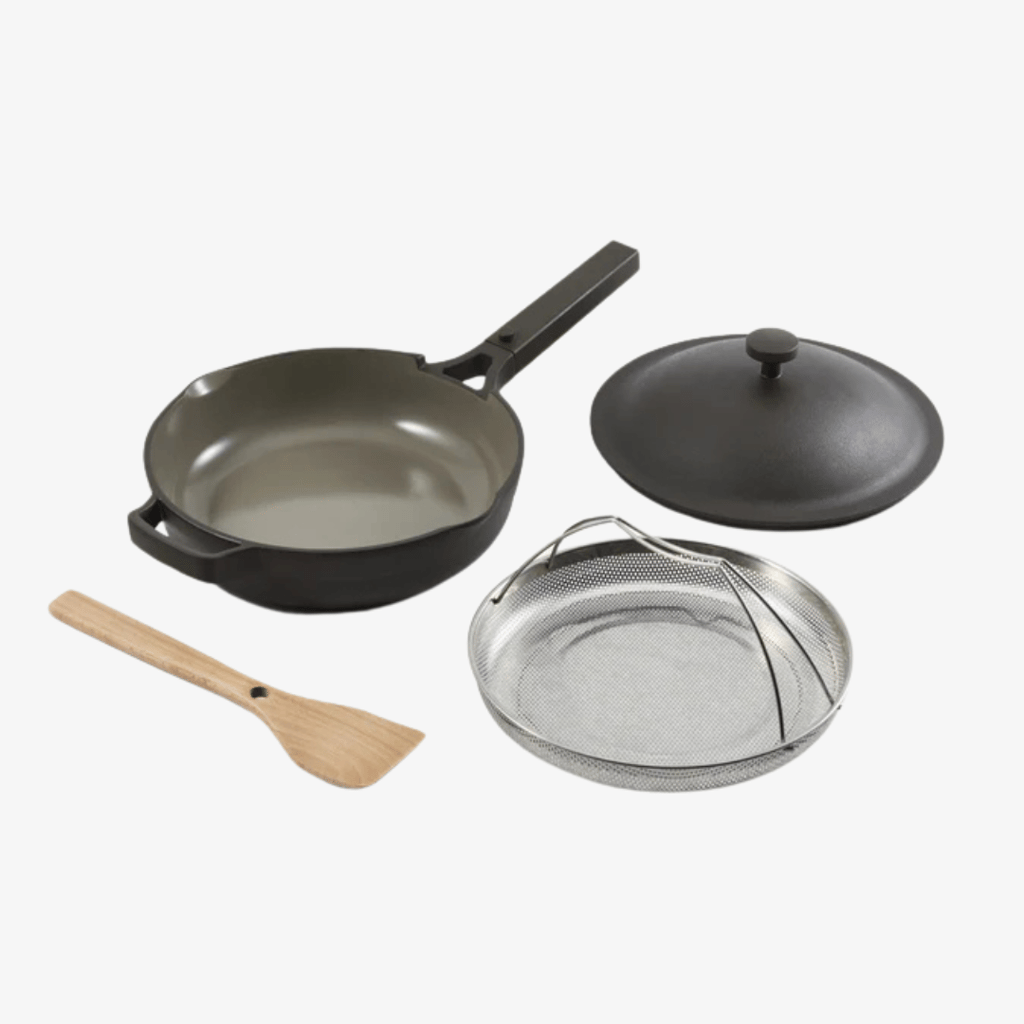
Explore the Our Place 13-piece Cookware Set designed without potentially hazardous materials found in many conventional cookware.
These pieces are hardwearing, multifunctional, and made to support everyday cooking with style and durability.


This article is for informational purposes only, even if and regardless of whether it features the advice of physicians and medical practitioners. This article is not, nor is it intended to be, a substitute for professional medical advice, diagnosis, or treatment and should never be relied upon for specific medical advice. The views expressed in this article are the views of the expert and do not necessarily represent the views of Healf
Pippa is a content writer and qualified Nutritional Therapist (DipNT) creating research-based content with a passion for many areas of wellbeing, including hormonal health, mental health and digestive health.
As a contributor to The Healf Source, she regularly attends seminars and programmes on a plethora of contemporary health issues and modern research insights with a drive to never stop learning. In addition, interviewing experts and specialists across The Four Pillars: EAT, MOVE, MIND, SLEEP.
In her spare time, she is an avid swimmer, mindfulness and yoga lover, occasionally bringing a raw, honest approach to the topics she faces. You may also discover some personal accounts of eye-opening wellbeing experiences amidst the reality of a disorientating, and often conflicting, modern wellbeing space.