Loading...
The Healf Source
Should You Try An 'Espresso Nap'? 7 Different Kinds Of Naps And When To Use Them
Not all naps are created equal. Here are seven, from the lab and around the world, and how each one works with your biology to achieve better rest.
Written by: the Healf Editors
Written on: August 26, 2026
Not all naps are created equal. The right one depends on what you're after: a jolt of alertness before a big afternoon, a reset for a frazzled nervous system, or deeper recovery after a broken night.
Proper rest has finally shed its reputation as a time-waster, and sleep scientists, athletes, and a fair few cultures have long known a well-placed nap is one of the simplest ways to work with your biology rather than against it. Here are seven, drawn from the lab and from traditions around the world, and how each one earns its place in your day. One note before you settle in: keep most daytime naps short and early in the afternoon, so they top you up rather than eating into your night's sleep.
The espresso nap
Best for: beating the afternoon slump.
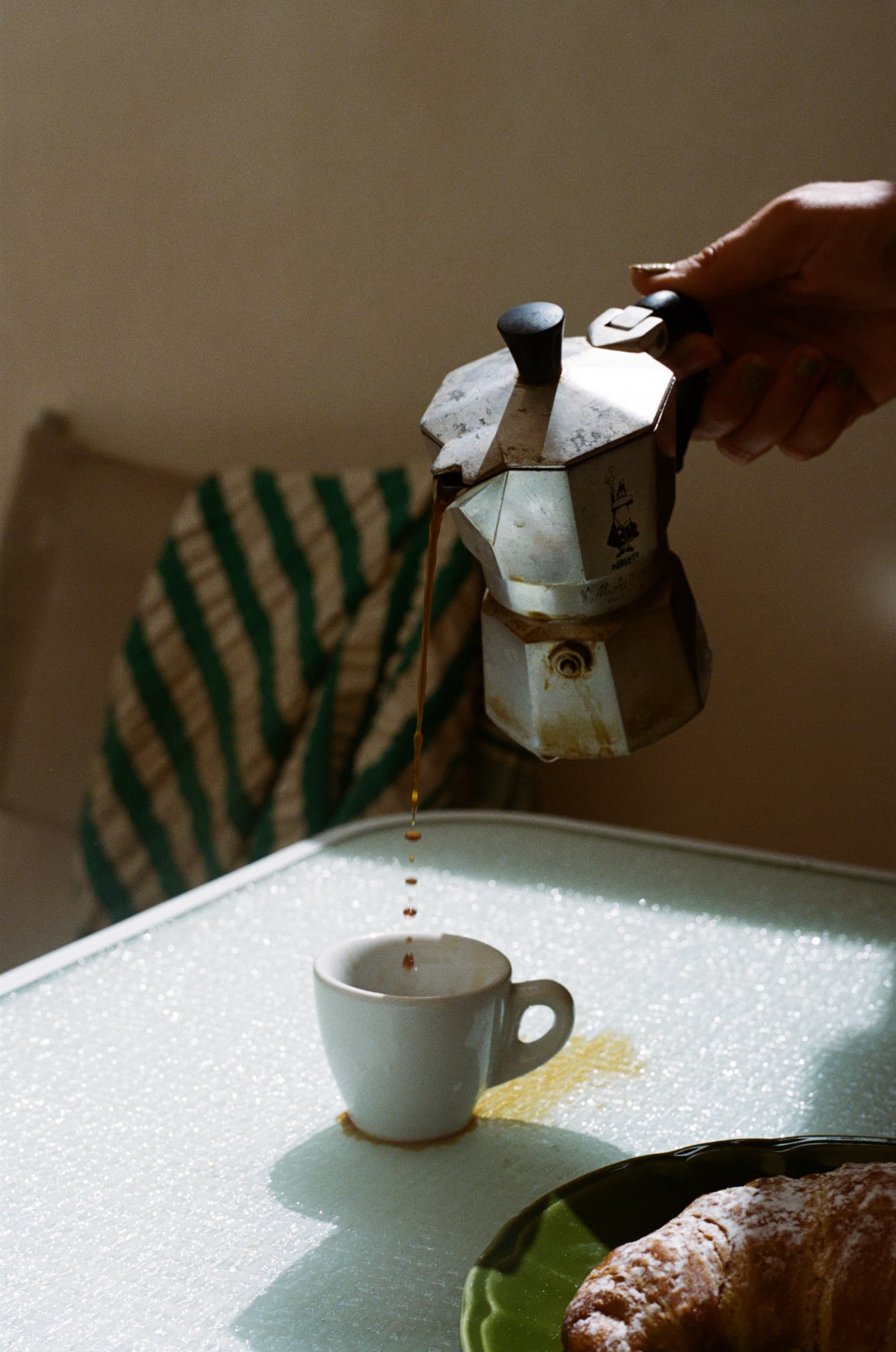
It sounds backwards, but it actually works wonders. Drink a coffee, then close your eyes for 15 to 20 minutes. Caffeine takes around 20 minutes to reach your brain, and while you doze, your body clears out adenosine, the molecule that makes you feel sleepy. You wake just as the caffeine lands on the freshly emptied receptors, leaving you sharper than a coffee or a nap could manage alone. Keep it under 20 minutes so you don't slip into deep sleep and surface groggy.
The Spanish nap
Best for: supporting your circadian rhythm.
"La siesta", the traditional Spanish afternoon rest, is more than a cultural term. It maps onto a real dip in alertness most of us feel in the early afternoon, a lull built into the body clock rather than simply a reaction to lunch. Modern schedules have largely squeezed it out, but the principle behind it holds: sometimes the smart move is to go with your biology instead of fighting it. Keep it short and early, though, or it starts borrowing from the night.
The power nap
Best for: a quick reset.
The original nap, and still one of the best ones in our arsenal. A short afternoon nap reliably sharpens alertness and cognitive performance, and it's been linked to better physical performance too, though that evidence is more mixed. Set an alarm for 20 minutes to stay in the lighter stages of sleep. It's long enough to feel restored, and short enough to get straight back to your day without the fog.
The NASA nap
Best for: sharper focus.
When NASA studied fatigued long-haul pilots, it found that a nap averaging 26 minutes improved their alertness by around 54% and performance by around 34% versus not napping. Worth knowing: those gains were measured in tired pilots on demanding shifts, so it's a fatigue-buster rather than a magic upgrade to an already well-rested day. Still, the headline benefits remain. You don't need an hour under the duvet, and sometimes less really is more.
The Japanese nap
Best for: avoiding burnout.
Inemuri, loosely "sleeping while present," is Japan's socially accepted habit of dozing lightly on the train, at a desk, or even in meetings. Far from reading as lazy, it's often taken as a sign you've been working hard enough to earn a little rest. There's a bittersweet edge, mind. Cambridge anthropologist Brigitte Steger, who studies the practice, notes it's also a symptom of a culture that runs people to exhaustion. Rest as a badge of overwork cuts both ways.
The NSDR nap
Best for: when you need a break.
NSDR, or non-sleep deep rest, is guided relaxation that lets your mind and body downshift even if you never actually fall asleep. The term was coined by Stanford neuroscientist Andrew Huberman as a plain-English rebrand of yoga nidra, the old practice of lying still and following a body scan and slow breathing. The evidence is growing but still modest, and mostly focuses on lowering stress and reducing physiological arousal, with the bigger "dopamine reset" claims resting on one small study. Think of it as giving your nervous system permission to exhale.
The Mexican nap
Best for: deeper recovery.
La hamaca, napping in a hammock, has been part of daily life in the Yucatán for generations, keeping the body cool in the tropical heat. There's a neat piece of science under the tradition, too: a gentle rocking motion helps you fall asleep faster and nudges you into deeper sleep, with brain-wave changes that look like the real thing. The same instinct that rocks a baby to sleep, backed by a sleep lab.
Whichever you reach for, the principle holds: a well-timed pause does more for the rest of your day than pushing through ever will.
This article is for informational purposes only, even if and regardless of whether it features the advice of physicians and medical practitioners. This article is not, nor is it intended to be, a substitute for professional medical advice, diagnosis, or treatment and should never be relied upon for specific medical advice. The views expressed in this article are the views of the expert and do not necessarily represent the views of Healf
Healf's editorial team works hard to produce science-backed, expert-vetted stories to break down trends and cut through the noise in the wellbeing ecosystem. Our team of writers and editors specialise in everything from nutrition, to exercise science, women's health, skincare, sleep, and more.