





_2026-10-13_14-11-48.png)

How To Protect Your Sleep When On Holiday
Later nights, lie-ins, hot weather, unfamiliar beds, and travel days can all affect sleep. Here's how sleep experts recommend protecting your recovery, without sacrificing the fun.
-2.jpg)
Written by: Samantha Nice
Written on: 13 July 2026
Holidays are supposed to leave us feeling refreshed. Yet for many people, once normal routines go out the window, sleep becomes a little more unpredictable. You might struggle to switch off in a hotel room, wake up at sunrise despite wanting a lie-in, or find that a late dinner and a couple of drinks leave you feeling far more sluggish than expected the next day.
Fortunately, this is completely normal. Changes in environment, daylight exposure, meal timing, and daily routines can all affect sleep, even when you're relaxing on the sand or spending your days by the pool. A few small adjustments can help you stay energised throughout your trip, while still enjoying the spontaneity that makes holidays fun.
Why does sleep feel different on holiday?
Many people assume they will automatically sleep better on holiday. Stress may be lower, work is temporarily off the agenda, and there's more time to actually rest. Feeling relaxed certainly helps your body switch off, but good sleep also relies on a fairly consistent set of cues, many of which disappear the moment we leave home.
"People often expect to sleep brilliantly on holiday because they're more relaxed, but that's not always what happens,” explains sleep specialist and founder of The Insomnia Clinic, Kathryn Pinkham, MA, PGCert. “You're sleeping somewhere unfamiliar, eating at unusual times and keeping a very different schedule from the one you follow at home. We are designed to stay alert to stay safe in new environments so your brain might not switch off as easily. Even positive excitement can make the brain more alert.”
Ever slept badly on the first night of a holiday, only to sleep perfectly well the next evening? You're not imagining it. Sleep scientists sometimes refer to this as the "first-night effect", where part of the brain remains slightly more vigilant in unfamiliar surroundings.
In fact, new environments often trigger a temporary increase in alertness, a completely normal response that tends to settle as your brain familiarises itself to its surroundings. Our brains like familiarity, so sleeping somewhere new can naturally lead to lighter sleep for the first night or two, says Pinkham. “Focus on noticing your surroundings and grounding yourself in the moment to teach your body it's safe,” says Pinkham. “Temperature also plays a big role. If a room is too warm, noisy or unfamiliar, you're more likely to wake during the lighter stages of sleep.”
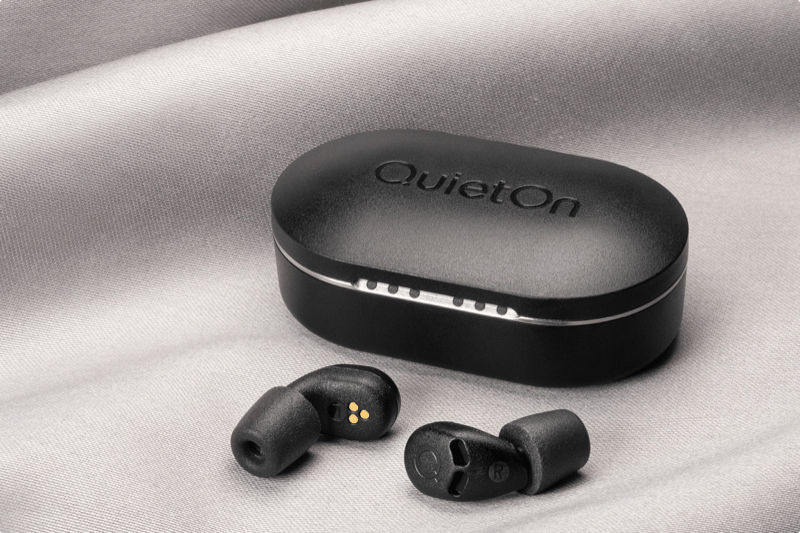
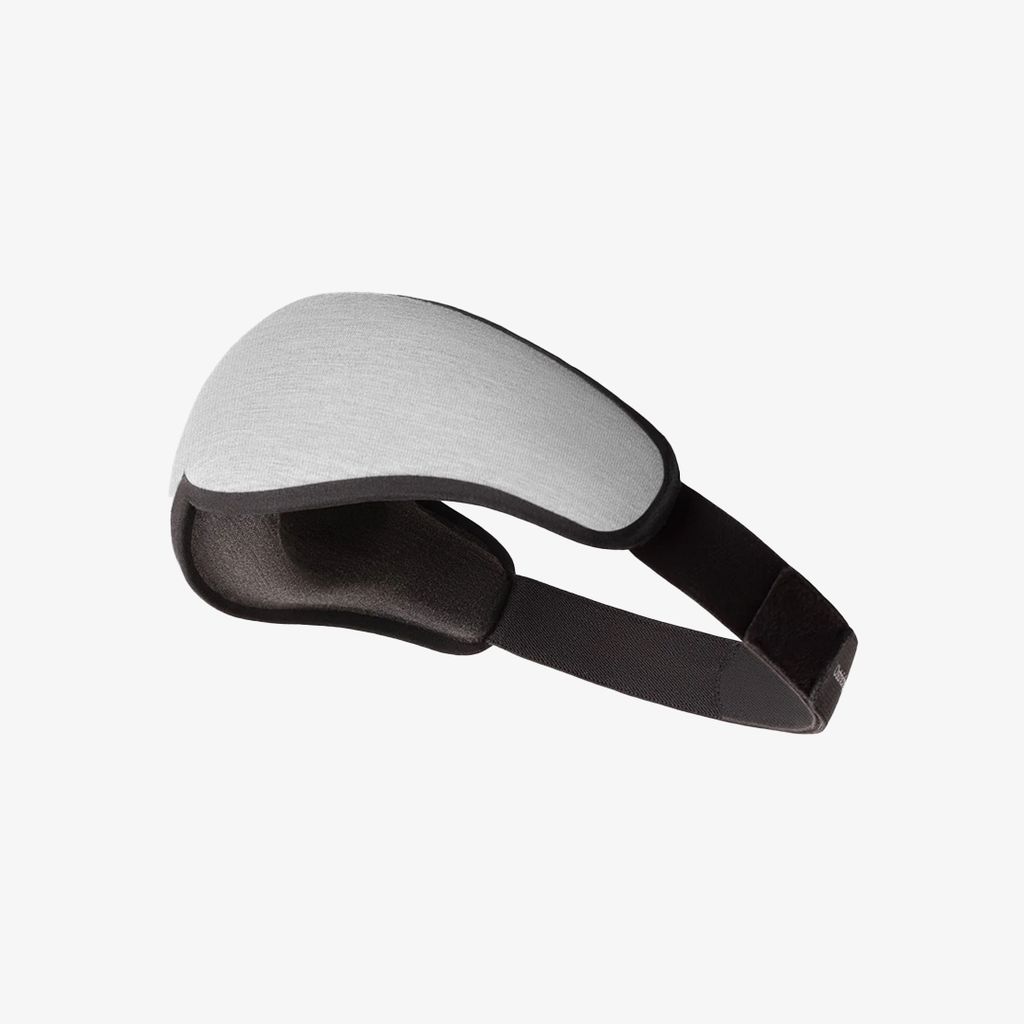
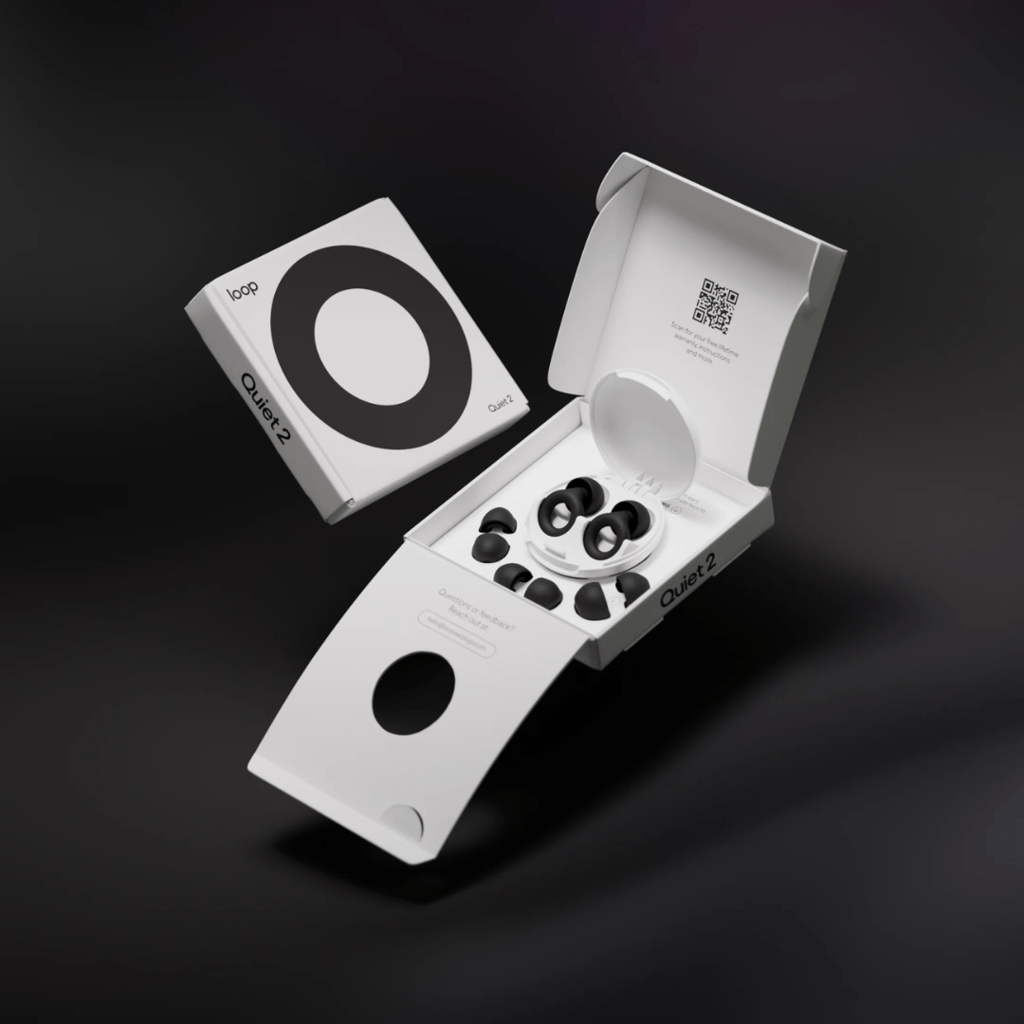
Simple things like packing an eye mask, using earplugs or adjusting the room temperature can make a big difference.


The habits that regulate sleep
A lot of the things that influence sleep happen automatically. We wake up at a similar time, get exposed to daylight, move throughout the day and eat according to a relatively predictable schedule. Together, these cues help tell your body when it's time to feel alert and when it's time to wind down.
"The biggest influence on sleep is actually your body clock,” adds Pinkham. “Regular wake-up times, exposure to morning daylight and a consistent daily rhythm all help regulate when you feel sleepy. On holiday, those cues often disappear. We sleep in, eat later, spend more time indoors in air conditioning or stay up socialising, all of which can shift the body's natural rhythm."
You don't need to recreate your home routine while you're away. Knowing which habits have the biggest influence on sleep simply gives you a few levers to pull if your energy starts to dip.
Is wake-up time more important than bedtime?
When people think about sleep, they often focus on bedtime. Pinkham tends to focus on the time you’re waking up instead. “Wake-up time is one of the strongest anchors for your body clock,” she says. “Of course, on holiday it's important to enjoy yourself, and one or two lie-ins won't do any harm, but if you're away for longer or you're someone whose sleep is easily disrupted, keeping your wake-up time reasonably consistent is often more helpful than worrying about exactly what time you go to bed."
This doesn't mean setting an alarm every morning of your holiday. It just means recognising that sleeping until midday every day may leave you feeling less energised than you’d hoped.
How to sleep in the heat
For many of us, holidays still mean warmer nights than we're used to at home, though recent UK summers have given us a taste of that too.
Unfortunately, heat and sleep aren't ideal companions. "To fall asleep, our core body temperature naturally drops but when the weather is very hot or the bedroom is too warm, that cooling process becomes more difficult, making it harder to fall asleep and easier to wake during the night,” says Pinkham. To improve comfort, she suggests:
- Keeping curtains closed during the hottest part of the day
- Choosing lightweight bedding
- Taking a cool shower before bed
- Improving airflow where possible
- Staying hydrated throughout the day
Heat-related sleep disruption can feel frustrating, but a few restless nights aren't worth stressing over. “Don't panic if your sleep is disrupted. A few disrupted nights won't do you any harm, and worrying about not sleeping often makes the problem feel much bigger than it is,” says Pinkham. “Instead, read a book or watch TV and just enjoy being relaxed and comfortable rather than trying to force sleep."
Should you nap on holiday?
A holiday nap can feel incredibly satisfying, especially after an early flight, a busy day sightseeing, or a late night. In some situations, napping can be genuinely useful.
"Naps can be helpful, particularly if you've travelled overnight or are adjusting to a new time zone, but long or late-afternoon naps reduce your natural sleep drive, making it harder to fall asleep that evening,” says Pinkham.
The sweet spot is a short nap that takes the edge off tiredness without eating into your sleep later that night. "If you need one, aim for around 20 minutes and ideally before 2 to 3pm. Sleeping for hours in the afternoon may feel good at the time but can easily shift your body clock later,” adds Pinkham. A short nap can boost alertness and energy, whereas longer naps may leave you struggling to fall asleep later that evening.
Too tired to nap? Try NSDR instead
Feeling tired doesn't always mean you need more sleep. Sometimes what your body needs is a chance to slow down and recover, particularly after busy travel days, late nights, or packed itineraries. This is where NSDR, short for Non-Sleep Deep Rest, can be useful. NSDR includes practices such as guided relaxation, breathwork, and mindfulness exercises designed to promote physical and mental recovery without sleep itself.
“Sometimes giving yourself permission to simply rest is just as valuable as trying to force a nap,” says Pinkham. Think of it as recovery rather than sleep.
Alcohol, late meals and sun: the holiday behaviours that can throw sleep off course
Sleep is often influenced by things that happen long before bedtime. Pinkham identifies alcohol as one of the biggest culprits interrupting a good night’s sleep. “Whilst it may help you fall asleep more quickly, it fragments sleep during the second half of the night, meaning sleep is often lighter and less restorative."
Pinkham also notes that late meals and spending lots of time in the sun can contribute to lighter, more disrupted sleep. That's not to say you need to skip long lunches or sunset dinners. It's just worth knowing which holiday habits are likely to leave you feeling sluggish the next day.
What to do after a bad night's sleep on holiday
One poor night's sleep can feel frustrating, especially when you're hoping to make the most of your time away. Many people immediately try to compensate by sleeping longer or cancelling plans and excursions. But sleep specialists often advise the opposite approach. Get outside early, expose yourself to natural daylight, stay active, and continue with your day as normal.
Above all, resist the urge to treat one poor night as a disaster. "People often become anxious after one poor night's sleep and start to overthink and focus on forcing sleep,” says Pinkham. “One poor night is completely normal when travelling. Rather than trying to compensate, trust that your body will naturally adjust over the next couple of days and focus on staying present." Contrary to popular belief, you don't need to "make up" for one bad night's sleep.
The habits worth keeping, even on holiday
By this point, you might be wondering how much of this you actually need to think about while you're away. Pinkham says a few simple tricks can help keep your body clock on track without getting in the way of your holiday:
- Get outside early.
"Firstly, get outside in natural daylight as early as you can each morning. It's one of the strongest signals for your body clock." - Keep your wake-up time reasonably consistent.
"Secondly, try to keep your wake-up time reasonably consistent, even if your bedtime varies." - Don't stress about the occasional bad night's sleep.
"Finally, don't strive for perfect sleep. Holidays are for enjoyment. If you have a couple of later nights or a slightly disrupted sleep, that's completely normal. Focus on getting back to your usual routine afterwards rather than worrying about making every night perfect."
You don't need to build your holiday around sleep. A morning coffee in the sunshine, a relatively consistent wake-up time, and a relaxed attitude towards the odd restless night will likely do more than obsessing over every detail of your routine.
After all, the aim isn't to sleep perfectly. It's to have the energy to enjoy your holiday and come home feeling like you've genuinely had a break.
Your sleep on holiday questions, answered
Why do I sleep badly on holiday?
Changes in routine, environment, meal timing, light exposure and sleeping conditions can all affect sleep. Many people also experience lighter sleep during the first few nights in a new environment.
Is it okay to sleep in on holiday?
Yes. Occasional lie-ins are unlikely to cause problems. Consistently sleeping much later every day may shift your body clock and leave you feeling less energised.
How long should a holiday nap be?
Most sleep specialists recommend around 20 minutes, ideally before mid-afternoon.
Does hot weather affect sleep?
Yes. Your body temperature naturally falls before sleep. Hot environments can make this process more difficult, leading to more frequent awakenings.
What should I do after a poor night's sleep?
Get outside in daylight, stay active, avoid overcompensating and trust that your sleep will usually settle naturally over the following nights.


This article is for informational purposes only, even if and regardless of whether it features the advice of physicians and medical practitioners. This article is not, nor is it intended to be, a substitute for professional medical advice, diagnosis, or treatment and should never be relied upon for specific medical advice. The views expressed in this article are the views of the expert and do not necessarily represent the views of Healf
Samantha Nice is a seasoned wellness writer with over a decade of experience crafting content for a diverse range of global brands. A passionate advocate for holistic wellbeing, she brings a particular focus to supplements, women’s health, strength training, and running. Samantha is a proud member of the Healf editorial team, where she merges her love for storytelling with industry insights and science-backed evidence.
An avid WHOOP wearer, keen runner (with a sub 1:30 half marathon) hot yoga enthusiast and regular gym goer, Samantha lives and breathes the wellness lifestyle she writes about. With a solid black book of trusted contacts (including some of the industry’s leading experts) she’s committed to creating accessible, well-informed content that empowers and inspires Healf readers.