







_2026-10-13_14-11-48.png)

Why Holidays In Europe Make You Feel Better

Written by: Pippa Thackeray
Written on: 9 September 2025
Studies suggest that European travel may influence circadian rhythm, reduce inflammation in the brain and lower risk of chronic illness. So, could the continent’s climate, cultures, and attitudes around food even improve wellbeing in the long term?
More than holiday mode: why visiting Europe could change the body
Holiday mode is usually about surrendering to the exhilaration and allure of both well-needed rest and escape. But what if stepping off a plane in Europe offers more than a change of scenery?
From steadier sleep patterns to reduced markers of inflammation, evidence from scientific studies suggest that what many on the continent take for granted could have real consequences for our health (even if it’s just for a holiday).
This hits closer to home than a fleeting seasonal trip. It is about recognising how light exposure, unprocessed diets akin to Mediterranean style eating, and built-in daily movement all connect with better outcomes.
Research points to improved cardiovascular health, stronger metabolic function and even reduced risk of neurodegenerative disease. So, it’s less about holiday fantasy and wanderlust, more so a measurable physiology shaped by multiple environmental factors, all crucial for living well. A lifestyle some other Western cultures have sadly long-forgotten.
Food in Europe: why it often feels better
A plate of carbonara in Italy or pan con tomate in Spain often feels lighter than it does at home. Even if you manage to source the best ingredients in your own kitchen, it never quite hits the same. We’re here to tell you this is not just your imagination. Research exists to back up the phenomenon where continental meals in situ can be easier to digest.
Cleaner ingredients and fewer unnecessary additions
Cleaner ingredients and fewer unnecessary additions
Across much of Europe, food tends to contain fewer preservatives and additives. A baguette made with just flour, water, salt and yeast feels very different to one filled with emulsifiers designed to stay soft for weeks.
Tradition is revered, limiting the production of overprocessed foods
Olive oil pressed in small mills, cheese left to mature slowly, pasta from local grains. These methods directly influence how food interacts with the body, often making nutrients easier to absorb.
Fermentation lends digestive advantages
Fermented foods are common, from sourdough to sauerkraut. Reviews highlight their role in improving gut microbiota and nutrient bioavailability.
Likewise, a lab study found sauerkraut protected the gut lining.
The psychology of eating well
There is also a mental element to all of this.
Being away from the stress of your usual routine lowers cortisol, a hormone that can interfere with digestion. In the same way, sharing food with family or friends lifts dopamine and oxytocin, chemicals that support gut function as well as mood. The same plate can feel completely different depending on the state you eat it in, with conversation and feelings of calm often doing as much for digestion as the food itself.
Will it always be this way?
Not everything on the continent is guaranteed to follow the old traditions.
Economic pressures mean even traditional producers in Europe may adopt faster, more higher-yield industrial methods in future. New policies are emerging to guide the food system's future, with a renewed emphasis on aligning with the Green Deal's objectives, but these new initiatives may see some earlier proposals weakened or dropped.
However, this move toward modernity also faces barriers like high costs, alongside ongoing tensions with Europe's strategic focus on sustainable and agro-ecological farming practices as outlined in the Farm to Fork Strategy.
How to bring the health benefits home
Pick sourdough or fermented breads over those which are mass produced and accelerated
Choose olive oil with harvest date and origin
Give meals time and space, and avoid screens
Enjoy a short walk after eating
Eat calmly and without guilt
Circadian rhythms, lifestyle and inflammation
Your body’s internal clock, known as the circadian rhythm, does more than decide when you feel sleepy. It also guides digestion, hormone release, energy use and immune function.
When this rhythm is steady, the body works at its best. When it is thrown off by late nights of excess, skipped meals or irregular work patterns, the effects are wide reaching.
Research shows that when the circadian rhythm is out of sync, the body is more likely to enter a state of low level inflammation. This misalignment sets off inflammatory signals that strain both the body and the brain.
Put simply, disrupted sleep and irregular eating do more than cause fatigue. They may also encourage inflammation in the brain, which scientists link to mood problems and slower thinking.
How holidays affect chronic disease risk
This helps explain why holidays can feel restorative. The review highlights that stable daily routines, consistent meal times, steady sleep and daylight exposure, protect circadian balance and reduce inflammatory load.
Many of these elements naturally fall into place during time away in Europe, where outdoor living, regular eating patterns and slower evenings are common.
Built-in daily movement: why European holidays can take care of your physical exercise needs
One of the less-talked-about trends of European life is how naturally movement is built in.
From walking to local markets to carrying groceries home or cycling across the city, activity comes as part of the routine rather than something saved for the gym.
Across Western Europe, between 25% and 35% of daily trips are made by walking or cycling.
In the Netherlands, bikes account for 27% of all journeys, while in Copenhagen 62% of residents commute by bike each day.
Why movement matters
This kind of everyday movement is more than burning calories. Meals are slower, often after a walk to the market or restaurant.
Walking itself makes a difference: a 10-minute stroll after eating lowered blood sugar peaks, while three 15-minute walks outperformed a single longer walk in older adults, showing how even small bursts of movement can improve metabolic health.
More longevity habits beyond food and movement
Europe’s lifestyle secrets for long-life are not just about diet or walking. Other everyday patterns also contribute to healthier ageing:
Daylight exposure: Morning and midday light is one of the strongest regulators of circadian rhythm. Higher daylight exposure is associated with better sleep quality and improved mood stability.
Shared meals: Eating together is a cultural tradition across much of Europe. Research shows that frequent communal meals are linked with reduced loneliness, lower stress levels and healthier dietary choices.
Alcohol with meals: In southern Europe, moderate wine consumption usually happens slowly with food. This drinking pattern has been tied to lower cardiovascular risk compared with cultures where alcohol is consumed more in line with binge drinking culture.
Rest and recovery: Built-in pauses are also part of the picture. In Finland, regular sauna bathing is woven into weekly life. Long-term data from the Kuopio Ischaemic Heart Disease Risk Factor Study found that those using saunas four to seven times per week had a 63% lower risk of sudden cardiac death compared with those who went only once weekly.
Greenspace design: European cities are structured around plazas, walkable streets and public parks. A comparative study of 35 cities worldwide showed that European greenspaces are used more for social interaction and nature appreciation than in North America.
These habits are deeply rooted in European culture. They are not treated as extras but stitched into the pattern of daily life.
The pause for coffee, the stroll through a square, the unspoken expectation that meals are shared. As such, longevity is not a conscious goal but simply an outcome of nature.
Can holidays improve brain health
Stepping away from routine does more than relax the body. It gives the brain space to recharge too.
Stretch your mind: Leisure travel is consistently linked to psychological benefits, including better mood and greater mental flexibility. In a study, taking a break was shown to improve attentional focus and restorative effects, with short breaks in particular offering advantages over longer holidays.
Beat brain fog with novelty: Entering new environments has been shown to activate dopamine and serotonin, two brain chemicals tied to motivation and mood. Novelty, whether through new places or activities, helps reset the brain’s creative wiring and boosts mental clarity.
Bringing it home with you
So, short of stuffing bottles of Italian olive oil into your checked luggage, how can we take these wonderful learnings on life and longevity home with us when the trip ends?
Time in Europe can feel like more than a holiday. Meals stretch out over conversation, food arrives with fewer additives, and daily life swings towards acts of physical restoration.
Slipping into the life of the locals, slowing down, eating intuitively and embracing natural light, these are all great practices to help bring circadian rhythms back into line and reduce the inflammatory signals that strain our health, and commonly lead to the development of chronic diseases.
Ultimately, yes, holidays often act like a reset button. But there’s much more to it than that.
Shop EAT at Healf
These carefully selected products help support digestion, hydration and balance in everyday life.
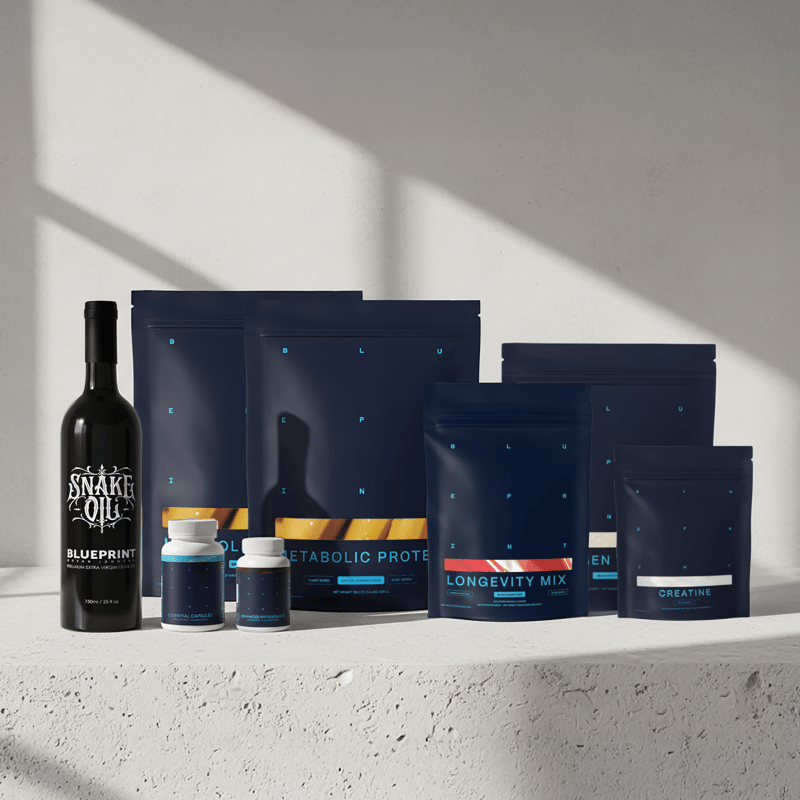
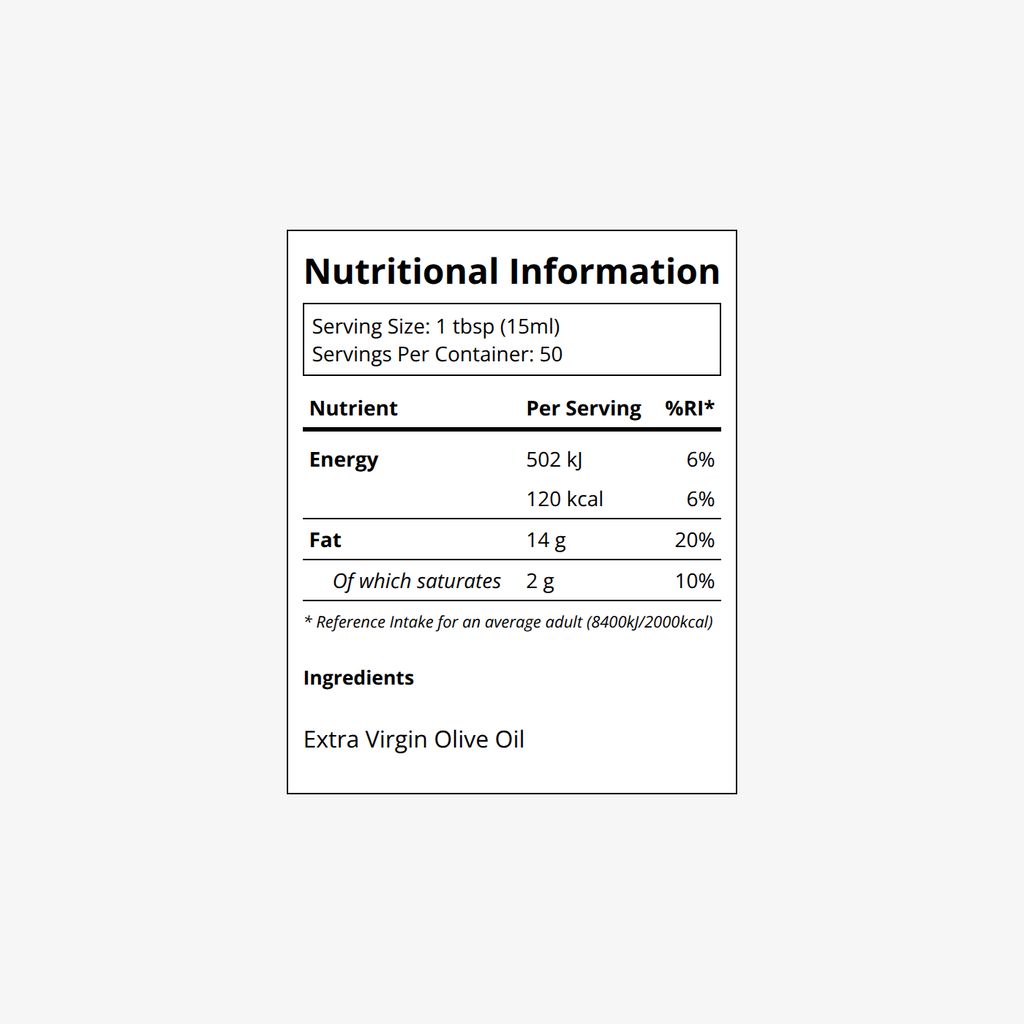
Blueprint Extra Virgin Olive Oil: A rich cold-pressed oil, perfect for Mediterranean-style cooking
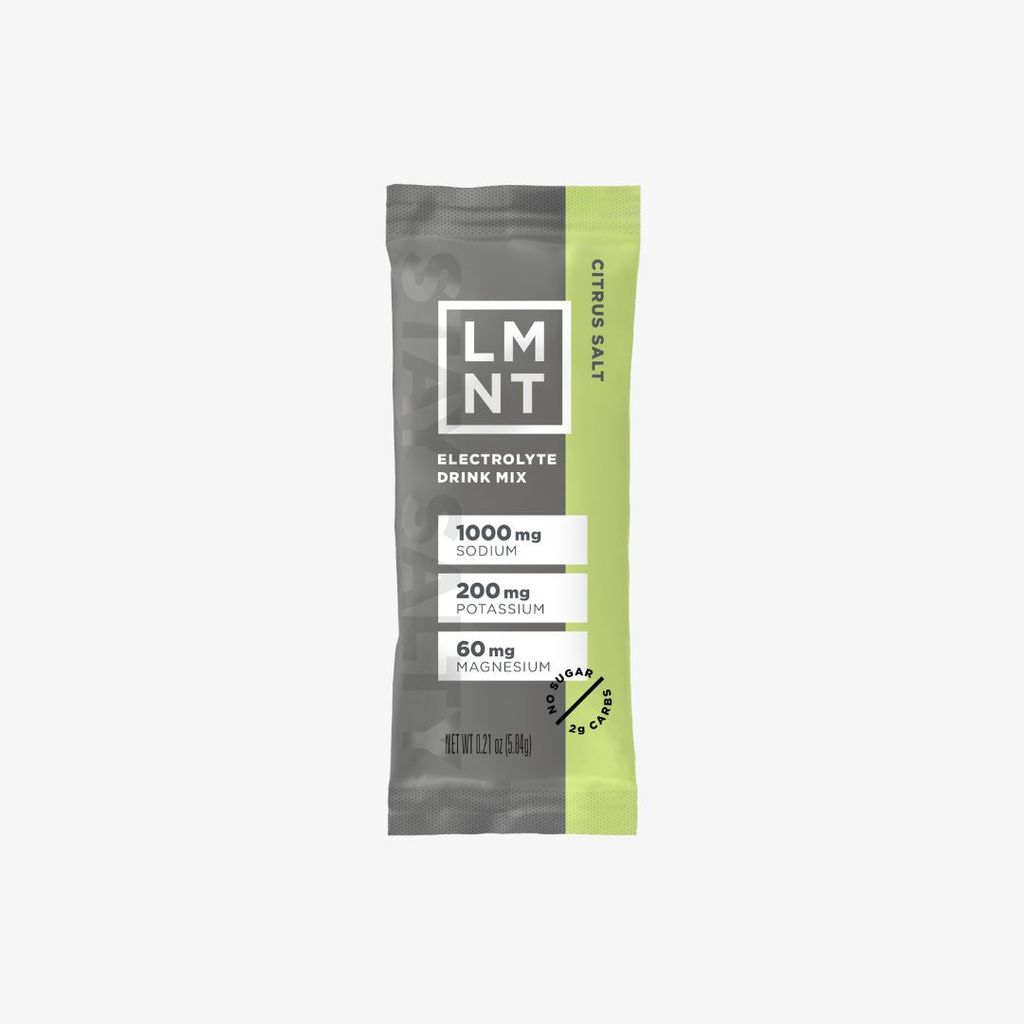
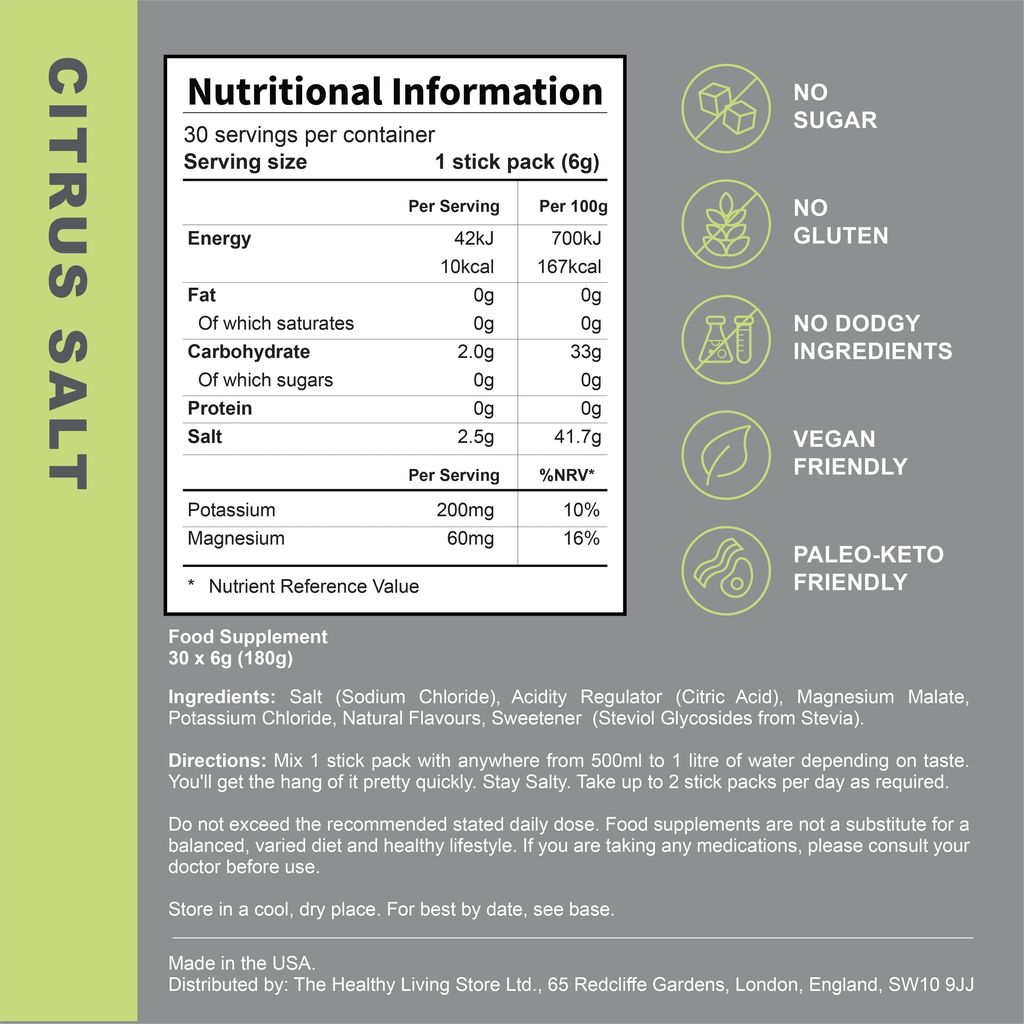
LMNT Recharge Electrolytes: A mineral blend to restore hydration and maintain steady energy
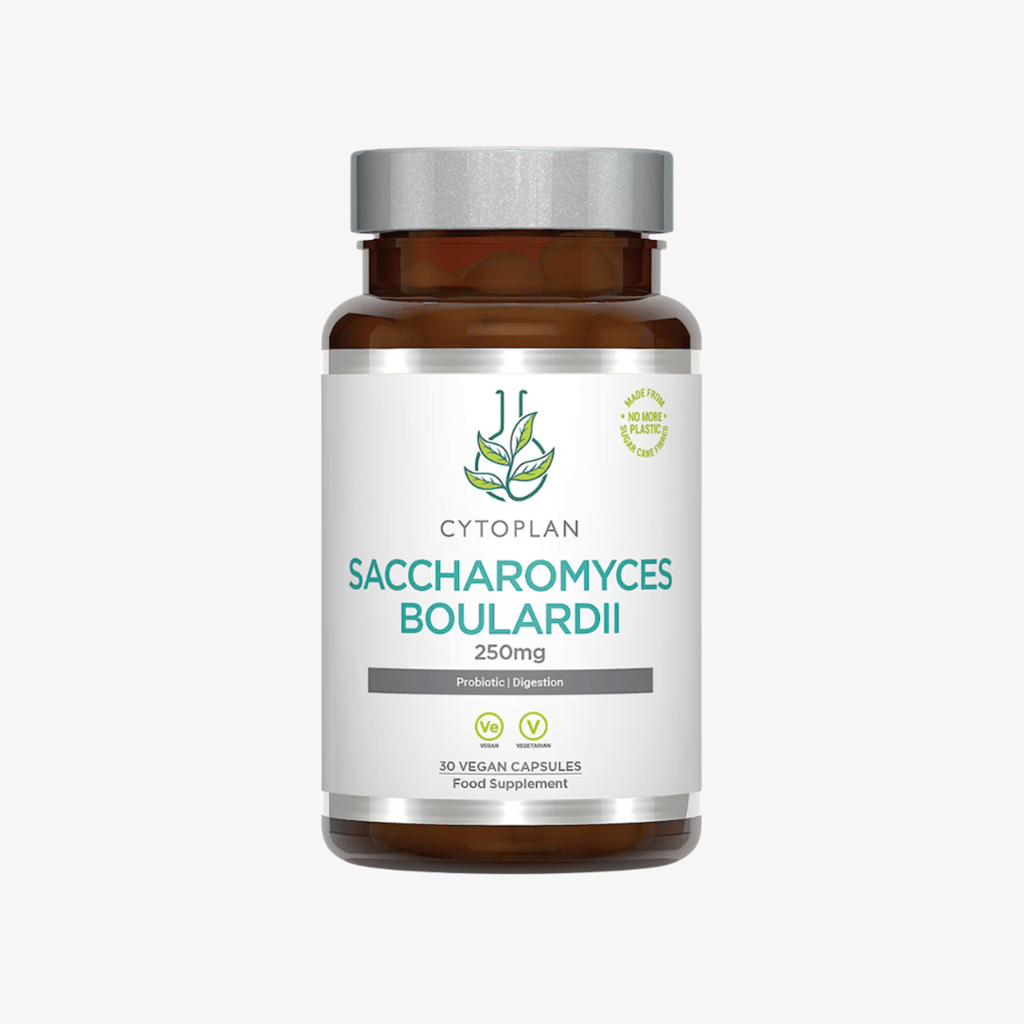
Cytoplan Saccharomyces boulardii: A trusted probiotic yeast to support gut health, especially during travel




This article is for informational purposes only, even if and regardless of whether it features the advice of physicians and medical practitioners. This article is not, nor is it intended to be, a substitute for professional medical advice, diagnosis, or treatment and should never be relied upon for specific medical advice. The views expressed in this article are the views of the expert and do not necessarily represent the views of Healf
Pippa is a content writer and qualified Nutritional Therapist (DipNT) creating research-based content with a passion for many areas of wellbeing, including hormonal health, mental health and digestive health.
As a contributor to The Healf Source, she regularly attends seminars and programmes on a plethora of contemporary health issues and modern research insights with a drive to never stop learning. In addition, interviewing experts and specialists across The Four Pillars: EAT, MOVE, MIND, SLEEP.
In her spare time, she is an avid swimmer, mindfulness and yoga lover, occasionally bringing a raw, honest approach to the topics she faces. You may also discover some personal accounts of eye-opening wellbeing experiences amidst the reality of a disorientating, and often conflicting, modern wellbeing space.