





_2026-10-13_14-11-48.png)

Flying Smarter: The Expert-Approved Wellness Hacks
Jet lag, bloating, dry skin? These science-backed tricks will help you land fresh, not frazzled.
Written by: Samantha Nice
Written on: 31 August 2025
Flying, whilst one of life’s luxuries, often comes with a surprisingly high wellness toll. Between the dry cabin air, recycled atmosphere, time zone jumps and cramped seats, your body and mind take a hit in many ways. From disrupted sleep and digestive upsets to puffy skin, dry eyes and fatigue that lasts long after you land. Even seasoned travellers can find themselves bloated, dehydrated and running on jet-lagged autopilot.
But here’s the good news: there are several expert-approved, science-backed strategies that can make flying far more comfortable. Here we break down the ultimate inflight wellness hacks, from hydration and gut-friendly meals to skin protection, circadian rhythm adjustments and even tricks to reduce static and EMF exposure. Each tip comes straight from the experts who actually use them on long-haul flights, so you can rest assured these legit work.
Skip the alcohol and hydrate properly
“Avoiding alcohol is one of the simplest and most powerful things you can do to support your energy, gut and immune system while travelling,” says nutritionist and founder of ARTAH, Rhian Stephenson. Alcohol not only worsens dehydration on flights, but also suppresses immune function and disrupts sleep quality… exactly what you don’t want when crossing time zones or being exposed to cabin-circulated air.
Even without alcohol, hydration is a major challenge in the dry, pressurised cabin environment. Humidity on planes can dip below 20% (compared to 40–60% in most homes), which accelerates fluid loss and leaves you fatigued. Relying on water alone often isn’t enough. “Taking your favourite electrolytes can keep hydration steady and combat fatigue,” says Rhian. “Keep it low sodium as excess sodium can exacerbate dehydration and plane food is also notoriously high in sodium too,” she adds.
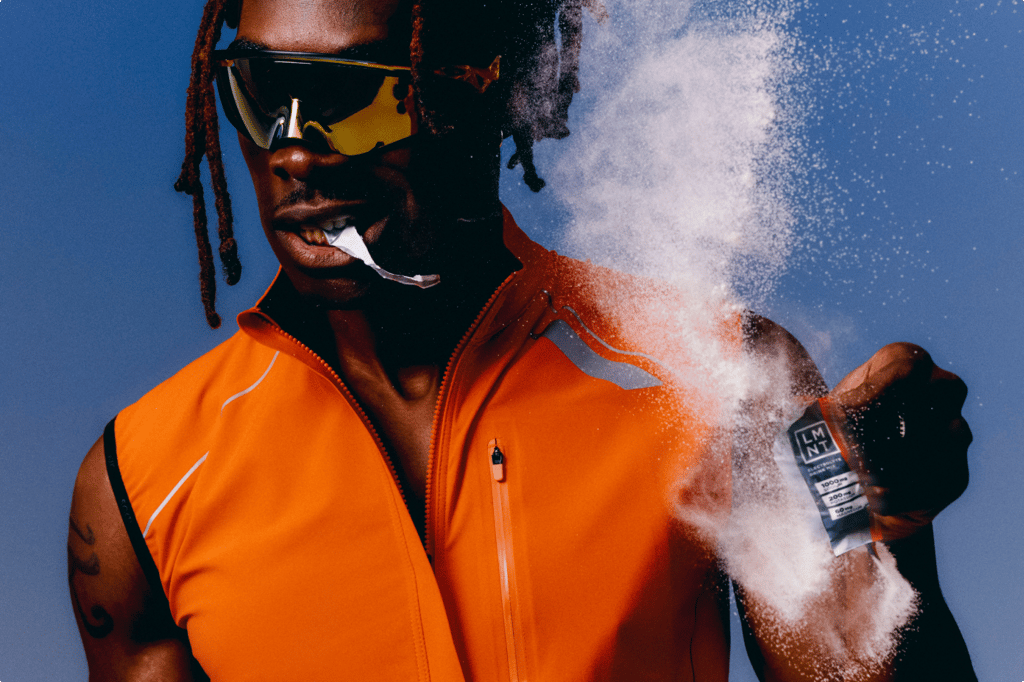
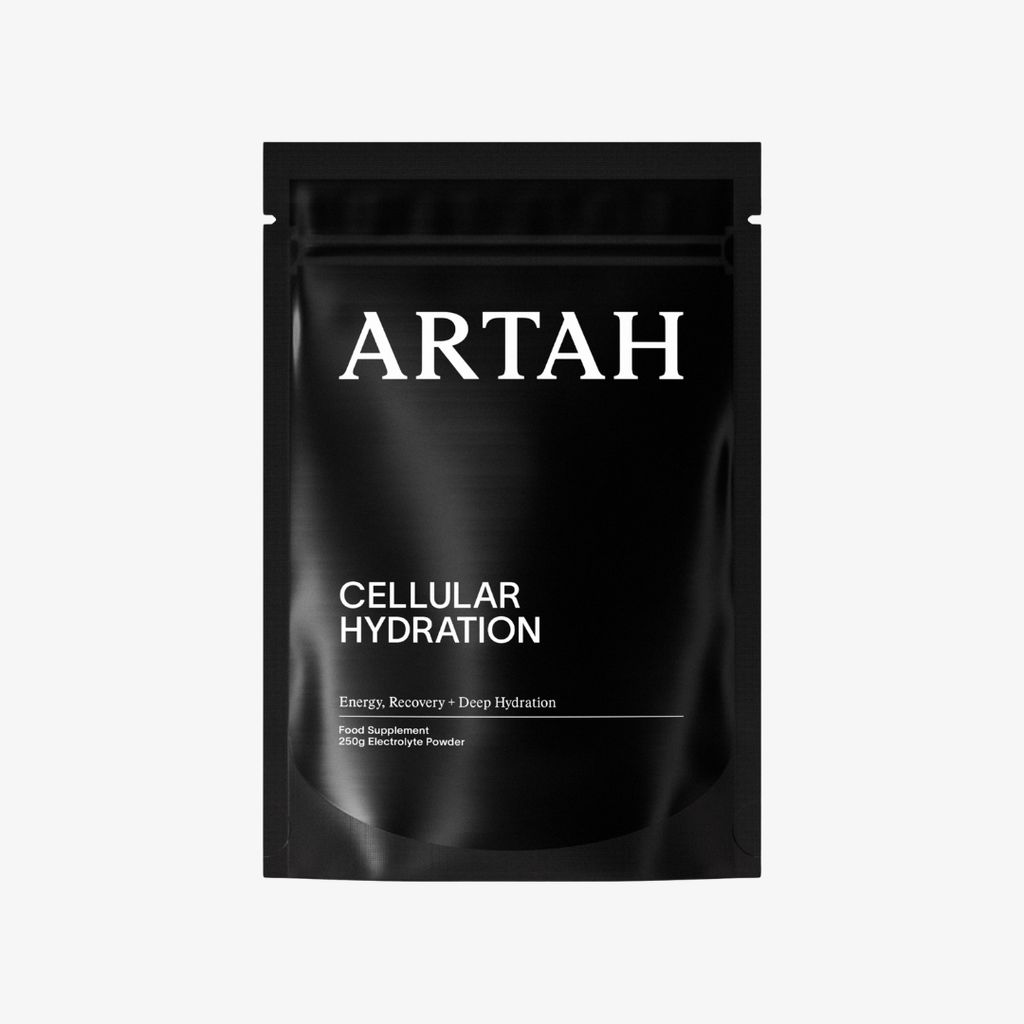
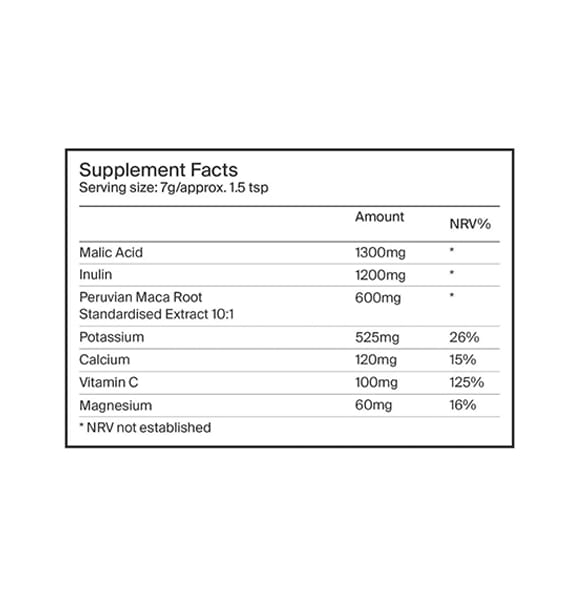
Avoid the in-flight wine, bring a large refillable water bottle and add a low-sodium electrolyte sachet (like ARTAH’s Cellular Hydration) to your water every few hours to stay hydrated and energised.
Load up on skin hydrating ingredients to prevent dryness
“30 minutes before boarding, always apply a hydrating serum with glycerin or hyaluronic acid and then seal it with a thin layer of a petrolatum-based balm,” says medical dermatologist Dr Nora. “Aircraft cabins sit at just 10-20% humidity, which accelerates water loss from the skin. Humectants like glycerin or hyaluronic acid draw water into the outer layer, while petrolatum is the most effective occlusive for reducing transepidermal water loss” she explains.
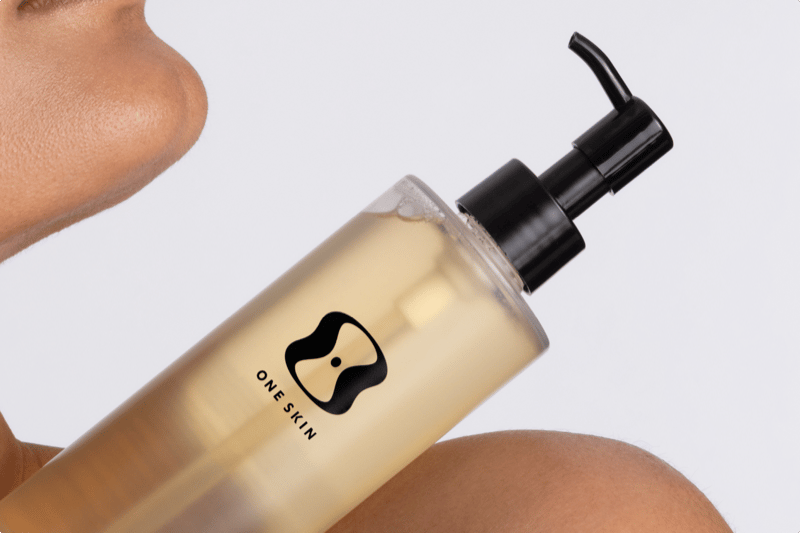
Her step-by-step? “Cleanse gently before the flight (avoid foaming or scrubby cleansers), apply your serum, follow with moisturiser, then press a pea-sized amount of petrolatum over the driest areas like your lips, around the nose and cheeks. Reapply during the flight, and skip drying makeup wipes or strong acids.”
Wear blue light blocking glasses to support better sleep
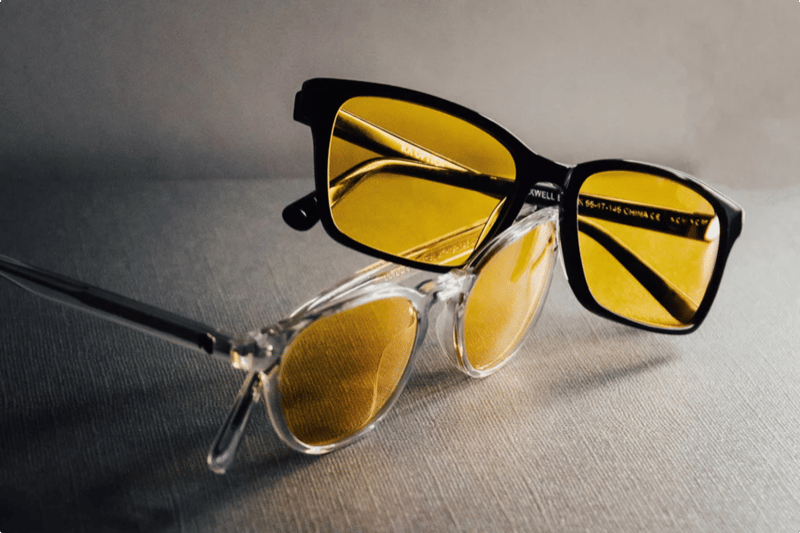
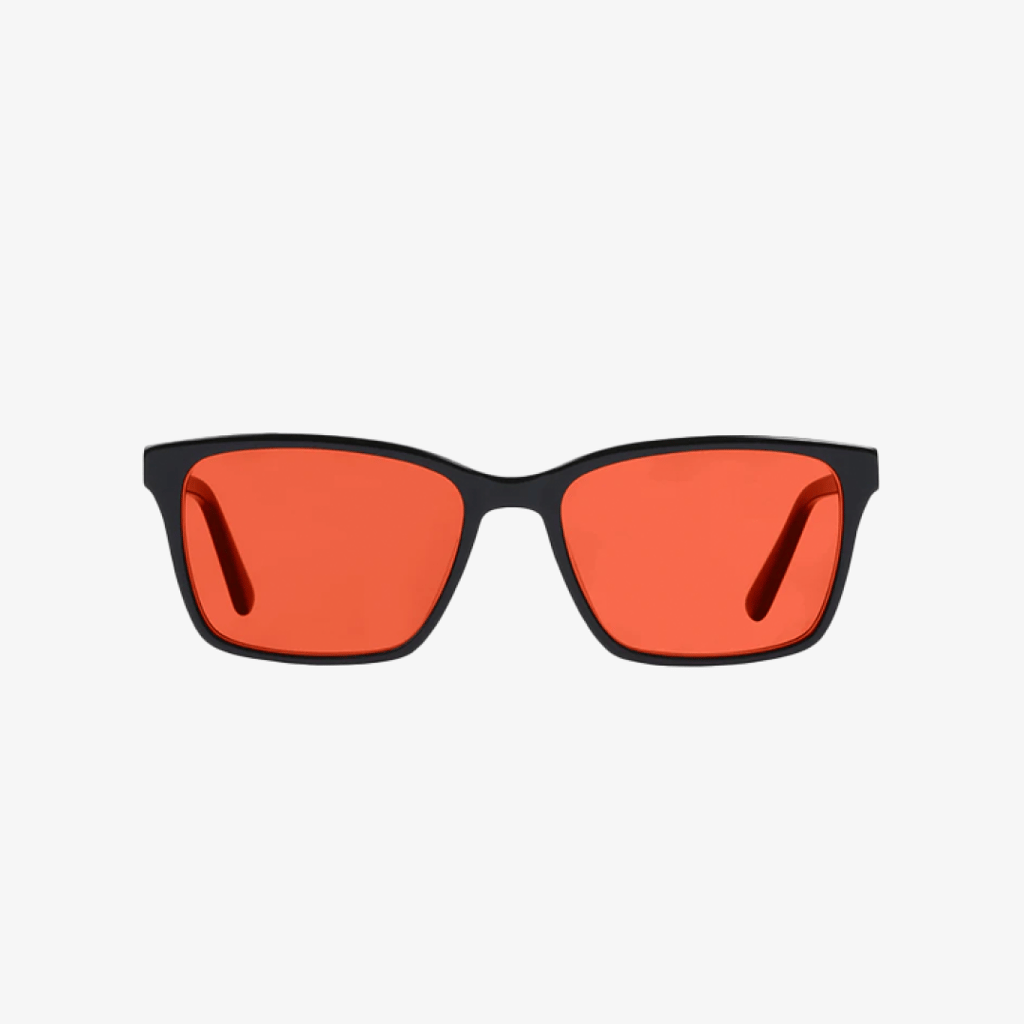
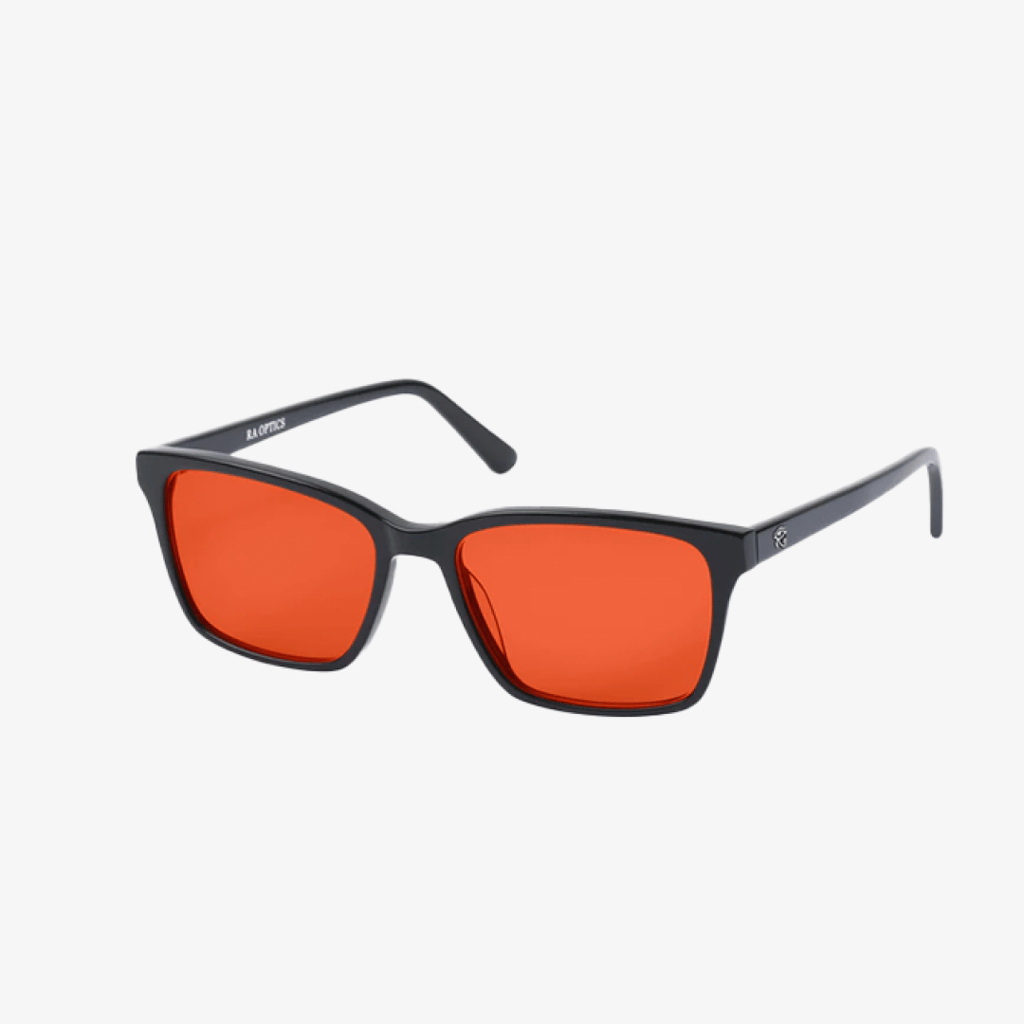
“I never travel without my blue light blocking glasses,” says Andy Mant, CEO at BON CHARGE. “On a plane you’re blasted with artificial light at odd hours, which completely throws off your circadian rhythm. Putting on a pair of blue blockers a couple of hours before you want to sleep helps signal to your body that it’s nighttime, boosting melatonin production and making it far easier to adjust to your destination time zone when you land. It can also work wonders for beating jet lag.”
Eat gut-friendly foods to avoid inflight (and post-flight) bloating
“Beans, lentils, cruciferous vegetables (like cauliflower and broccoli) and sparkling drinks are common culprits for bloating,” says nutritionist Clarissa Lenherr. “Fermentable foods increase gas production in the intestines, which can feel worse with the reduced cabin pressure on planes,” she adds.
Her advice? Stick to easily digestible foods like rice, lean proteins, eggs, yoghurt and cooked vegetables. “I like to pack a lunch box with boiled eggs, avocado, a colourful roast veggie salad with a light dressing, a side of rice and a handful of juicy berries as a snack. It keeps me satisfied, gut-friendly and comfortable on the go.”
Always apply SPF to properly protect your skin
“Flying exposes your skin to higher levels of UV radiation - especially UVA rays that can pass through airplane windows,” explains Dr Anjali Mahto, consultant dermatologist and founder of Self London. “At cruising altitude, you’re above much of the atmosphere’s protective filtering, including part of the ozone layer, which increases sun exposure and can accelerate ageing or trigger pigmentation,” she adds.
To protect your skin against this, apply a broad-spectrum SPF 30 (or higher) before boarding, even if you’re not in a window seat. “Layering an antioxidant serum underneath (such as vitamin C or niacinamide) also helps neutralise free radical damage from UV and pollution, protecting your skin at both surface and cellular levels during the flight.”
Try ‘grounding’ to reduce static and EMF exposure
“I like to try to ‘ground’ mid-flight by slipping off my shoes and pressing my bare feet against the metal frame of the seat in front of me,” explains Andy Mant. “The theory is that since the aircraft fuselage acts like a giant Faraday cage, I am syncing with the plane’s electrical potential instead of staying insulated.” Whilst Andy clarifies that it’s not true grounding in the scientific sense as you’re not connected to the Earth, in his experience, it reduces static buildup and can help mitigate some of the risks associated with high EMF radiation loads during long-haul flights.
Pre-flight, shift your schedule
“Whenever I travel, I start adjusting my daily routine before I even leave,” says longevity doctor at Wellgevity, Dr Charlie Cox. “I gradually shift my wake-up and meal times and exercise to match the destination’s local time - even if it means eating lunch at breakfast or taking a nighttime run at home. By following this pattern immediately upon arrival, my body clock is already primed for the change, making the transition smoother,” he adds.
Scientific research (like this and this) supports this strategy, often called progressive circadian phase shifting. “Normally, your internal clock adapts by only about one hour per day when crossing time zones, but by intentionally adjusting light exposure, meals and daily activities before departure, you can shift your circadian rhythm up to two or three hours per day,” says Dr Charlie. The result? Less jet lag, faster adaptation and better physical and mental wellbeing during your trip.
Post-flight, anchor your body clock to the new time zone
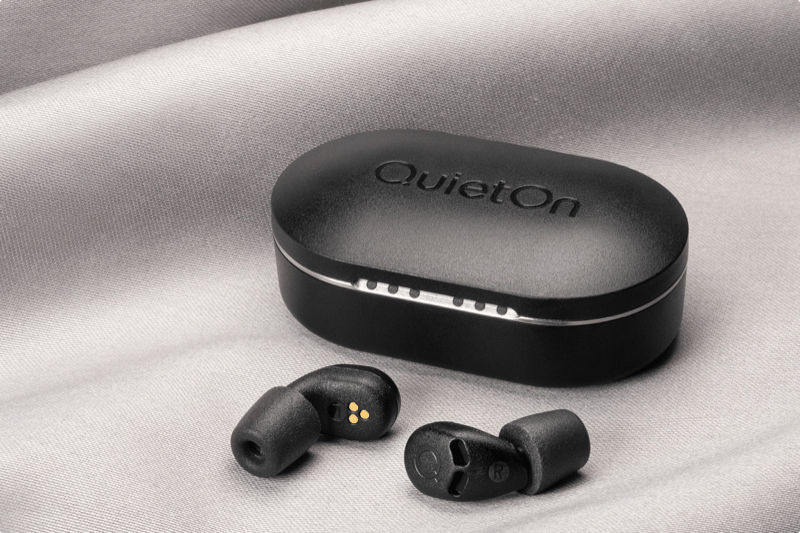
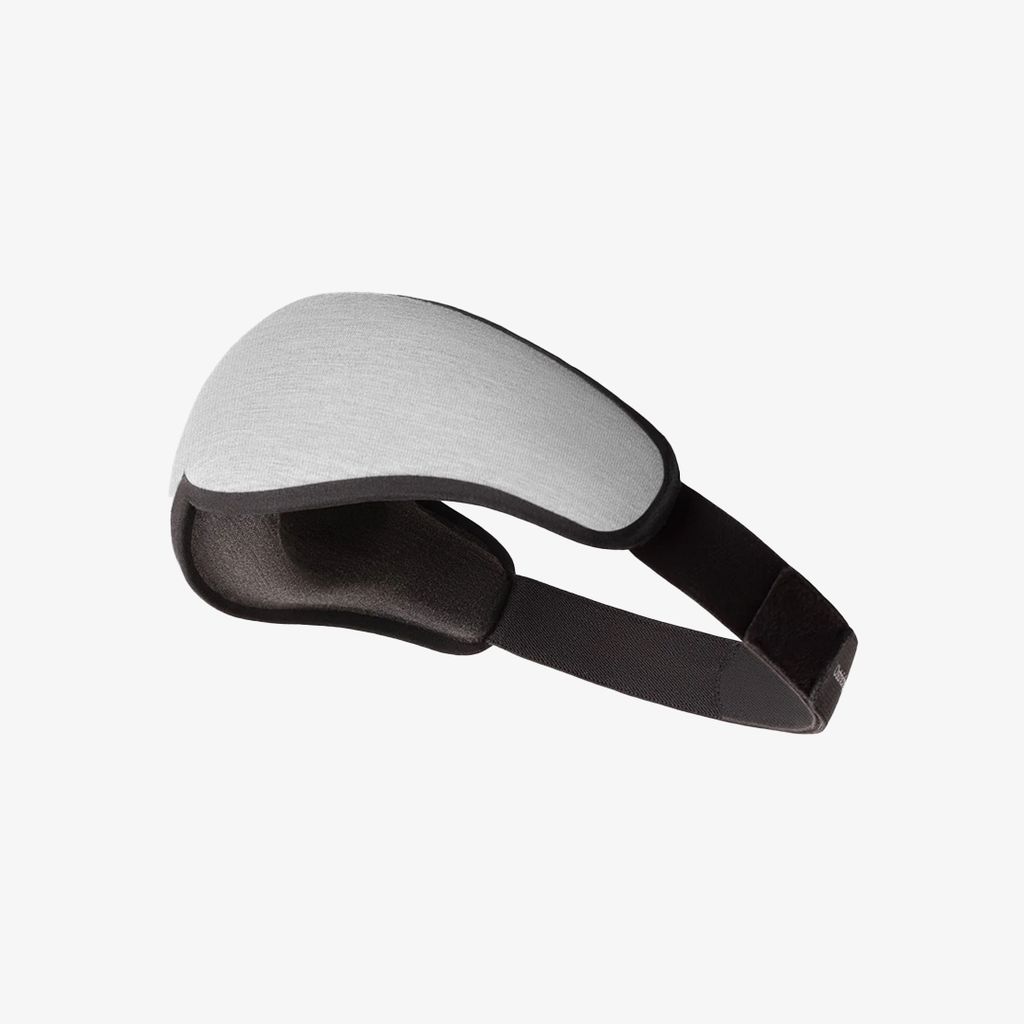
Sleep expert and founder of The Insomnia Clinic, Kathryn Pinkham is a big advocate of adjusting things as soon as you land. “Avoid lying in bed awake if you can’t sleep,” she says. “Trying to ‘force’ sleep on the plane or napping at odd times when you arrive often prolongs jet lag, whereas consistent light exposure and routine will help your body adjust faster.” If it is your natural bedtime while flying, tools like an eye mask or earplugs can support sleep, but if it isn’t, don’t try to sleep for the sake of it. “We simply can’t trick the body into sleeping outside of its natural window,” she adds. Instead, relax on board, enjoy the flight and get into the local rhythm as soon as you arrive.
Wash your hands often and don’t just rely on sanitiser
“The dry cabin air, close quarters and high-touch surfaces on planes make it much easier to pick up viruses,” says Dr Frankie Jackson-Spence, NHS doctor. “Cold and flu viruses can survive for hours on tray tables, seat belts and touchscreens, so touching these then eating is a common route of infection.” While hand sanitiser is handy, Dr Jackson-Spence notes it’s not a replacement for proper handwashing. “Soap and water for 20 seconds is still the most effective way to remove germs. An antibacterial hand sanitiser is a good backup when sinks aren’t available though and I’d always suggest carrying one with you when travelling.
Her tip? Wash or sanitise your hands before meals, after using communal areas and before landing and avoid touching your face as much as possible. “Simple hygiene habits on board are one of the best ways to stay well during and after your flight.”
Use light exposure (and even exercise) to fine-tune your circadian rhythm
One of the most powerful levers for resetting your circadian rhythm is light exposure - but timing is everything. “If you’re travelling east, you want to seek out bright light as early as possible in the day and avoid it in the late afternoon and evening. This helps shift your body clock earlier so you can fall asleep at a reasonable local time,” says Lindsay Browning, sleep expert at TroubleSleeping.co.uk. “If you’re heading west, it’s the opposite: avoid morning light, but soak up afternoon and evening sunshine to help your circadian rhythm shift later.”
“Emerging research suggests exercise may also influence circadian timing. Morning workouts can help shift the clock earlier (ideal for eastward travel), while evening movement may support a later shift (better for westward travel). Combining the right light, sleep and activity cues gives your body the strongest signals to adapt and makes nodding off in a new time zone far less of a struggle,” she adds.
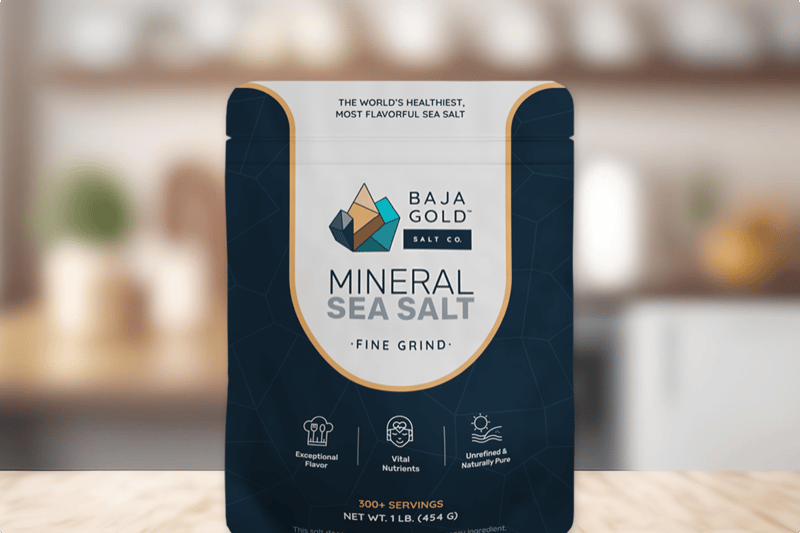
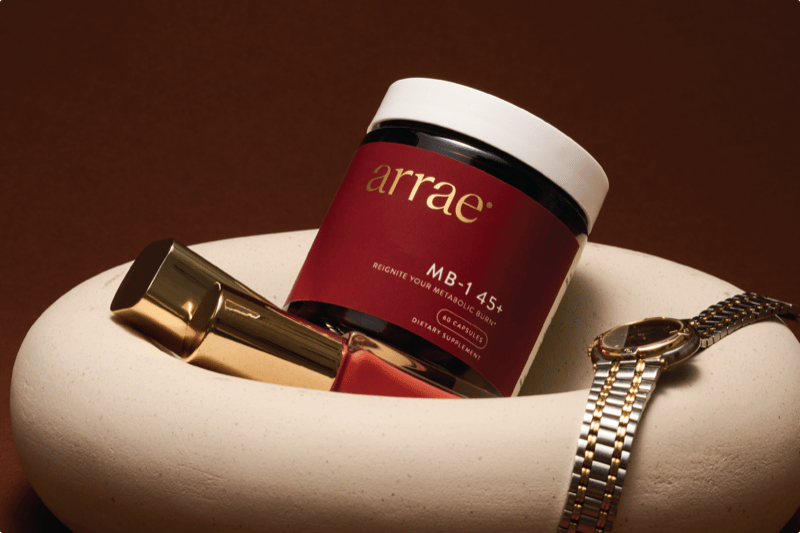
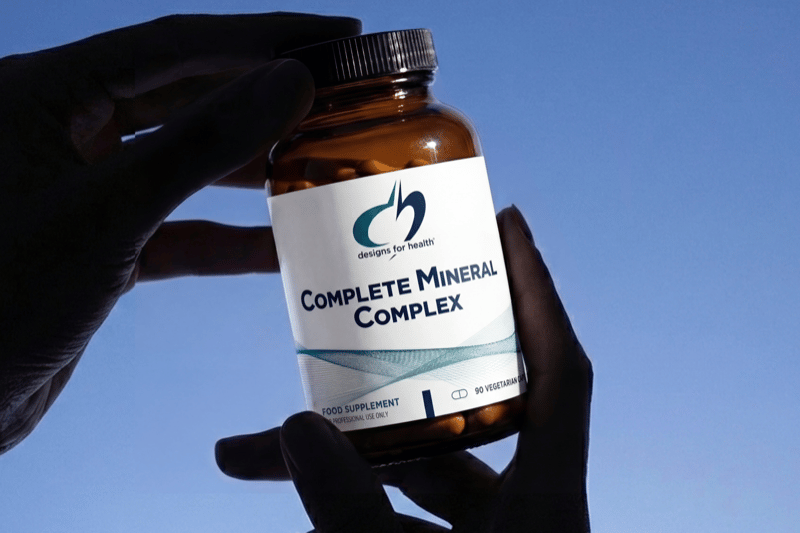
Your inflight toolkit

This article is for informational purposes only, even if and regardless of whether it features the advice of physicians and medical practitioners. This article is not, nor is it intended to be, a substitute for professional medical advice, diagnosis, or treatment and should never be relied upon for specific medical advice. The views expressed in this article are the views of the expert and do not necessarily represent the views of Healf
Samantha Nice is a seasoned wellness writer with over a decade of experience crafting content for a diverse range of global brands. A passionate advocate for holistic wellbeing, she brings a particular focus to supplements, women’s health, strength training, and running. Samantha is a proud member of the Healf editorial team, where she merges her love for storytelling with industry insights and science-backed evidence.
An avid WHOOP wearer, keen runner (with a sub 1:30 half marathon) hot yoga enthusiast and regular gym goer, Samantha lives and breathes the wellness lifestyle she writes about. With a solid black book of trusted contacts (including some of the industry’s leading experts) she’s committed to creating accessible, well-informed content that empowers and inspires Healf readers.