





























_Madeline_Spanier_Photos_ID7424.jpg)
Experts Say These Foods Can Help Rewire Your Brain
A functional medicine doctor explains how you can use your grocery shop for an increase in cognitive function — the supermarket will never look the same.

Written by: Ed Cooper
Written on: 1 July 2026
There's a simple protocol for optimal brain health that most people are already familiar with: avoid stress, sleep well, maybe do a few Sudokus. And while these are all important and valid ways of supporting cognition, there's another dimension to keeping the brain sharp and adaptive as you age that is sitting right in your kitchen.
The foods you eat don't just fuel cognitive function in the moment — they actively regulate the biological processes that determine whether your brain can learn, adapt, and build new neural connections throughout your life. That capacity — to form and reorganise those connections — is called neuroplasticity. And as it turns out, it's surprisingly responsive to what you're eating day-to-day.
Want to better support your brain health and cognition? Here are the expert-approved ingredients you'll want to add to your plate.
What is neuroplasticity and how does diet play a role?
Neuroplasticity is the brain's ability to change its structure and function in response to experience, learning, and environment. It's the mechanism behind everything from picking up a new skill to recovering from a stroke. For decades, scientists assumed this ability was largely fixed after childhood. But we now know that adults retain significant neuroplastic capacity well into old age — but that capacity needs to be supported. Your diet sits at the heart of that support.
To get more granular, specific nutrients can actually influence neurotransmitter production, synaptic plasticity, and the formation of new neurons through a process called neurogenesis, explains Dr. Mayoni Gooneratne, Functional Medicine Director at PHC Clinics. "The most critical player is BDNF (brain-derived neurotrophic factor), a protein that acts like fertiliser for the brain, supporting neuronal survival and the creation of new neural pathways. When you consume diets high in saturated fats and refined sugars, BDNF levels drop significantly, reducing the brain's capacity for adaptation and learning. Conversely, nutrient-dense foods enhance BDNF production and create the optimal internal chemistry for lasting cognitive change."
BDNF, in other words, is the molecule that makes neuroplasticity happen and you can eat your way to more of it.
Top foods that support neuroplasticity
Fatty fish are a must. Think: wild-caught salmon, mackerel, sardines. These sit at the top of virtually every brain health list, and the evidence is very much there to support it. The omega-3 fatty acid DHA (docosahexaenoic acid) found in this food group is a major structural component of brain cell membranes, essential for efficient neural signalling. "The DHA content directly increases BDNF and builds flexible brain cell membranes essential for efficient neural signalling," says Dr. Gooneratne.
Blueberries deserve more credit than they typically receive as a supermarket staple. The flavonoids they contain — particularly anthocyanins — have been shown to improve memory and, when consumed regularly, delay memory decline by up to 2.5 years. Wild or organic varieties have higher polyphenol concentrations. The mechanism involves both BDNF stimulation and a reduction in neuroinflammation, which is increasingly understood as a major brake on neuroplastic processes.
Extra-virgin olive oil is the cornerstone of what's arguably the best-studied brain-protective dietary pattern on earth. Its polyphenols boost neuroplasticity and reduce inflammation and adherence to the Mediterranean diet — of which the oil is a foundational ingredient — has been shown to reduce the risk of mild cognitive impairment converting to Alzheimer's disease by a significant 45 to 48%.
Additionally, turmeric with black pepper may be the most impactful spice combination in the neuroplasticity toolkit. "Curcumin elevates BDNF production in the hippocampus and provides potent anti-inflammatory effects," says Dr. Gooneratne. Crucially, curcumin has very low bioavailability on its own — pairing it with black pepper (piperine) and a fat source can dramatically improve absorption, which matters enormously if you want the research findings to translate into real benefit.
Elsewhere, leafy greens — spinach, kale, rocket — contribute B vitamins and antioxidants that protect brain cells from oxidative stress, a key driver of cognitive decline. While unglamorous, they’re foundational to the concept of neuroplasticity within the Mediterranean-DASH Intervention for Neurodegenerative Delay (MIND) diet, which is a way of eating that is specifically designed with brain health in mind. The MIND diet suggests consuming leafy greens at least six times a week.
Fermented foods deserve a dedicated mention because they work through a distinct and increasingly important pathway. "Fermented foods can genuinely shift mental clarity by influencing the microbiota-gut-brain axis, modulating neurotransmitter production — including BDNF, GABA and serotonin — and normalising HPA axis activity associated with stress responses," says Dr. Gooneratne. Kefir, kimchi, miso and natural yoghurt have all been associated with improved intestinal barrier health, lower anxiety, and better cognitive performance.
Dark chocolate (85% cacao and above) rounds out the list. Its polyphenols — particularly flavanols — have been shown to increase cerebral blood flow to the hippocampus, enhance BDNF and improve memory and reaction time. It's also, unlike most items on this list, an easy sell.
How to build a neuroplasticity-supporting diet
The Mediterranean diet represents the gold standard here — it is consistently the strongest and most evidence-backed dietary formulation for brain protection, thanks to its combination of anti-inflammatory fats, polyphenol-rich plant foods, fermented dairy, and oily fish. And it's remarkably free of ultra-processed foods too.
Practically, Dr. Gooneratne recommends thinking in terms of consistency and frequency rather than individual superfoods. "For cognitive benefits, you need consistent daily intake rather than sporadic consumption," she notes. Research on eating frequency shows that 5–6 eating episodes per day (versus four or fewer) was associated with better global cognition and memory scores. The MIND diet offers specific targets worth following (and a little help with your grocery list): leafy greens at least six times weekly, berries at least twice weekly, nuts five or more servings weekly, fatty fish at least twice weekly and daily vegetables.
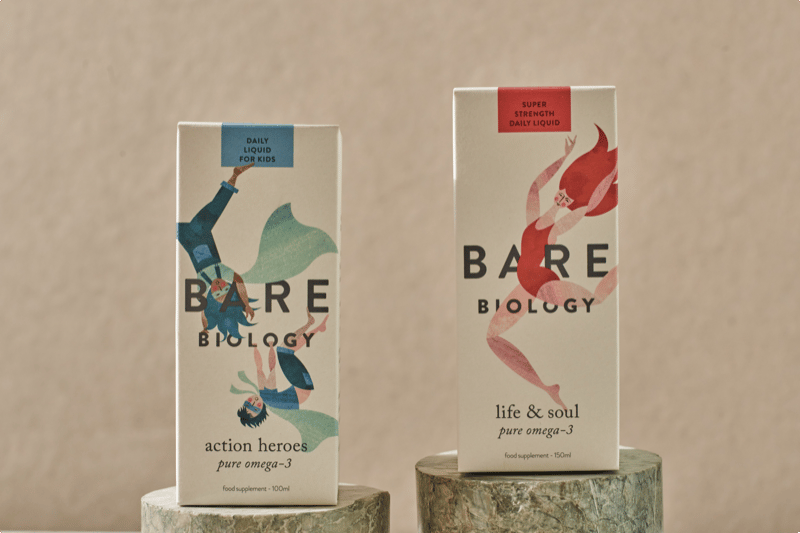
For those who follow a plant-based diet, the most reliable source of brain-essential DHA is algae-derived supplements, which can directly provide the active form of the nutrient. Flaxseeds, chia seeds and walnuts can bring in ALA (alpha-linolenic acid), but the body converts less than 15% of ALA into the DHA and EPA forms the brain actually needs — so it's worth considering supplementation at this point.
Foods to limit for optimal brain plasticity
The flip side of the neuroplasticity diet is equally clear, and the list of foods is probably one you've seen before "The primary brain-damaging foods that hinder neural growth and trigger neuroinflammation include refined sugar and high-fructose corn syrup, which cause hippocampal damage, memory impairment, brain inflammation and dramatically reduce BDNF levels," says Dr. Gooneratne.
Refined carbohydrates spike blood sugar and insulin in ways that affect the functioning of your hippocampal and prefrontal cortex, and even one high-glycaemic meal has been shown to significantly impair memory in the short term. Meanwhile, saturated fats from processed foods can reduce synaptic plasticity and have been linked to structural brain changes. And trans fats increase cognitive decline risk and damage cell membrane integrity — the same membranes that DHA tries to keep strong.
And of course, alcohol is pretty well-established as being not so great for brain health. Despite how normal it is to grab a pint with a friend any day of the week, alcohol can cause direct neurotoxicity and effect cognitive function even when you're only consuming a moderate amount.
So, what does this mean for my daily diet?
Experts are clear: a diet built around oily fish, colourful plant foods, fermented ingredients and good-quality fats — eaten consistently, across multiple meals, with refined and processed foods largely set aside — creates the perfect internal chemistry for a brain that stays adaptable.
One final point from Dr. Gooneratne that is worth holding onto is that diet and exercise modulate the same neuroplasticity mechanisms — neurotrophic signalling, neurogenesis, inflammation reduction, and antioxidant defence. Just 20 minutes of intensive physical activity triggers BDNF, dopamine and serotonin alongside everything food does. The two work synergistically in a way that makes neither fully replaceable by the other. Proof that at the end of the day, eating well and getting regular movement are still the most evidence-backed cognitive advice there is.



This article is for informational purposes only, even if and regardless of whether it features the advice of physicians and medical practitioners. This article is not, nor is it intended to be, a substitute for professional medical advice, diagnosis, or treatment and should never be relied upon for specific medical advice. The views expressed in this article are the views of the expert and do not necessarily represent the views of Healf
Ed is a freelance journalist and former Men’s Health digital editor, with bylines in Red Bull, BBC StoryWorks, Guardian Labs, Third Space, Natural Fitness Food and Form Nutrition, among others. Having run marathons, conducted sleep experiments on himself and worked with some of the world’s most in-demand experts — from sleep scientists and strength athletes to high-performance trainers and elite-level nutritionists — one thing remains clear for The Healf Source contributor: fitness trends come and go, but as long as you keep turning up for yourself, consistency will win every time.