
































_2026-10-13_14-11-48.png)


Breathwork vs Meditation: What's Actually More Effective At Calming Your Brain?
Breathwork facilitator Jamie Clements explains the real differences, overlaps and science behind these two practices.

Written by: Jamie Clements
Written on: 15 December 2025
As a breathwork facilitator and educator who's spent six years in this field, it would be easy for Jamie Clements to declare breathwork the winner in any comparison with meditation - but that would be both lazy and untrue. Here he offers a balanced view on both…
Having practiced both breathwork and meditation consistently for nine years, I've experienced firsthand how each practice serves unique and complementary roles in supporting our mental wellbeing and calming ourselves down.
After experiencing years of severe anxiety and panic attacks in my early 20s, and in a world where rates of stress and anxiety continue to rise, this question matters more than ever. However, the real question isn't which is "better", it's understanding how each works, when to use them, and why one might serve you better than the other depending on your current state and goals.
Understanding breathwork: More than just breathing
Breathwork is an umbrella term that spans everything from how you breathe day-to-day to intensive practices that create altered states of consciousness and emotional healing. Think of it as a spectrum from micro to macro interventions.
The field encompasses three core pillars:
1. Functional breathing: How you breathe throughout your normal day - through your nose or mouth, using your diaphragm or chest, the pace and rhythm of your natural breath - moving towards a more optimal, functional pattern.
2. Nervous system regulation: Specific breathing techniques designed to shift your autonomic nervous system state - like box breathing to find balance or bellows breath to energise.
3. Conscious connected breathing: Sustained practices without pauses between breaths that can create profound shifts in consciousness and emotional processing.
What makes breathwork unique is its direct relationship with your autonomic nervous system. Unlike most bodily functions that are either voluntary (like moving your arm) or involuntary (like digesting food), breathing is both. This makes it essentially a remote control for your nervous system – you can consciously adjust your breathing to create immediate shifts in your physiological and psychological state.
Recent research validates this power. A 2023 study found that breath-based practices were as effective as Cognitive Behavioral Therapy (CBT) for reducing anxiety. That's remarkable, a simple, free, accessible practice matching the gold standard of psychological intervention.
Understanding meditation: Training attention and awareness
Meditation, at its core, is the practice of training attention and awareness to achieve mental clarity and emotional stability. While there are dozens of meditation styles, most fall into two main categories:
Focused attention meditation: Concentrating on a single object, thought or sensation (like the breath).
Open monitoring meditation: Maintaining awareness of all aspects of experience without focusing on any particular object.
The benefits of meditation are extensively documented. Regular practice has been shown to reduce activity in the brain's default mode network (associated with mind-wandering and self-referential thoughts), increase grey matter density in areas associated with emotional regulation, and improve attention span and working memory.
Long-term meditators show remarkable changes in brain structure and function, including increased cortical thickness and enhanced connectivity between brain regions involved in self-awareness and emotional regulation.
The overlap: Where breath meets mindfulness
Here's where things get interesting: there's significant overlap between these practices. Many meditation traditions use breath awareness as their foundation - from the Buddhist Ānāpānasati Sutta to secular Western mindfulness of breathing. In fact, focusing on the breath is often the first instruction given to new meditators.
This shared territory isn't coincidental. The breath serves as an ideal anchor for attention because it's always present, rhythmic, and sits at the intersection of voluntary and involuntary control. Whether you're practicing breathwork or meditation, you're often starting from the same place: awareness of breathing.
The Stanford study: A direct comparison
An important 2023 study from Stanford University directly compared three breathing techniques with mindfulness meditation for regulating the nervous system, reducing stress and improving mood. The researchers found that while all practices were beneficial, the breathing techniques – particularly the physiological sigh (long exhales with double inhales) – were more effective at improving mood and reducing stress.
The key finding? Intentional breathwork created more immediate and sustained physiological changes than mindfulness meditation. This doesn't diminish meditation's value, but it highlights breathwork's unique capacity for creating a state change and influencing the nervous system.
The "I can't meditate" phenomenon
In Western culture, there's a pervasive narrative: "I tried meditation, but I can't do it. My mind is too busy." This isn't a personal failing, it's a predictable result of our chronically activated lifestyles. When you're living in chronic stress, with an overactive sympathetic nervous system, sitting still with your thoughts can feel almost unbearable. Your body is primed for action, scanning for threats, ready to fight or flee. Asking it to suddenly be still and observe can actually increase anxiety rather than reduce it.
This is where breathwork becomes a bridge. By actively working with the breath, you're giving your activated system something to do while simultaneously down-regulating your stress response. Once your nervous system settles into a more parasympathetic state, meditation becomes not just possible but pleasant.
I've seen this progression countless times: people who "couldn't meditate" find they can sit peacefully after just a few minutes of conscious breathing. The breathwork didn't replace meditation - it created the conditions where meditation could actually drop in.
Different tools for different states
Think of breathwork as the emergency brake and meditation as the long-term navigation system. When you need immediate relief from anxiety or stress, breathwork offers direct intervention. When you're building long-term resilience and self-awareness, meditation provides the training.
Breathwork excels at:
Rapid stress reduction
Immediate anxiety relief
Shifting out of panic or freeze states
Creating energy when depleted
Processing stuck emotions
Meditation excels at:
Building sustained attention
Developing meta-awareness
Cultivating equanimity
Reducing reactivity over time
Insight and self-understanding
The integration
The most effective approach isn't choosing between breathwork and meditation but understanding when and how to use each. Many practitioners, myself included, use both daily:
Breathwork in the morning to set my nervous system state for the day
Brief breathing techniques during stressful moments
Meditation for developing longer-term awareness and presence
Conscious connected breathing for deeper processing
If your primary goal is immediate calm - reducing acute stress and anxiety quickly - breathwork provides the most direct route. It's the fastest and most accessible way to shift your nervous system from activated to regulated, from anxious to calm, from stuck to flowing.
But don't underestimate meditation's unique benefits. Its capacity to train attention, develop self-awareness, and create lasting changes in how you relate to thoughts and emotions is unmatched.
The beauty is you don't have to choose. In our increasingly complex wellness landscape, the winners are those who can build diverse toolkits rather than searching for a single magic bullet. Start with breathwork if meditation feels impossible. Use meditation to deepen the awareness that breathwork initiates. Let each practice support and enhance the other.
Your brain doesn't care which practice is "better" - it just wants to feel safe, regulated, and at ease. Both breathwork and meditation offer pathways there. The key is knowing which path to take when.
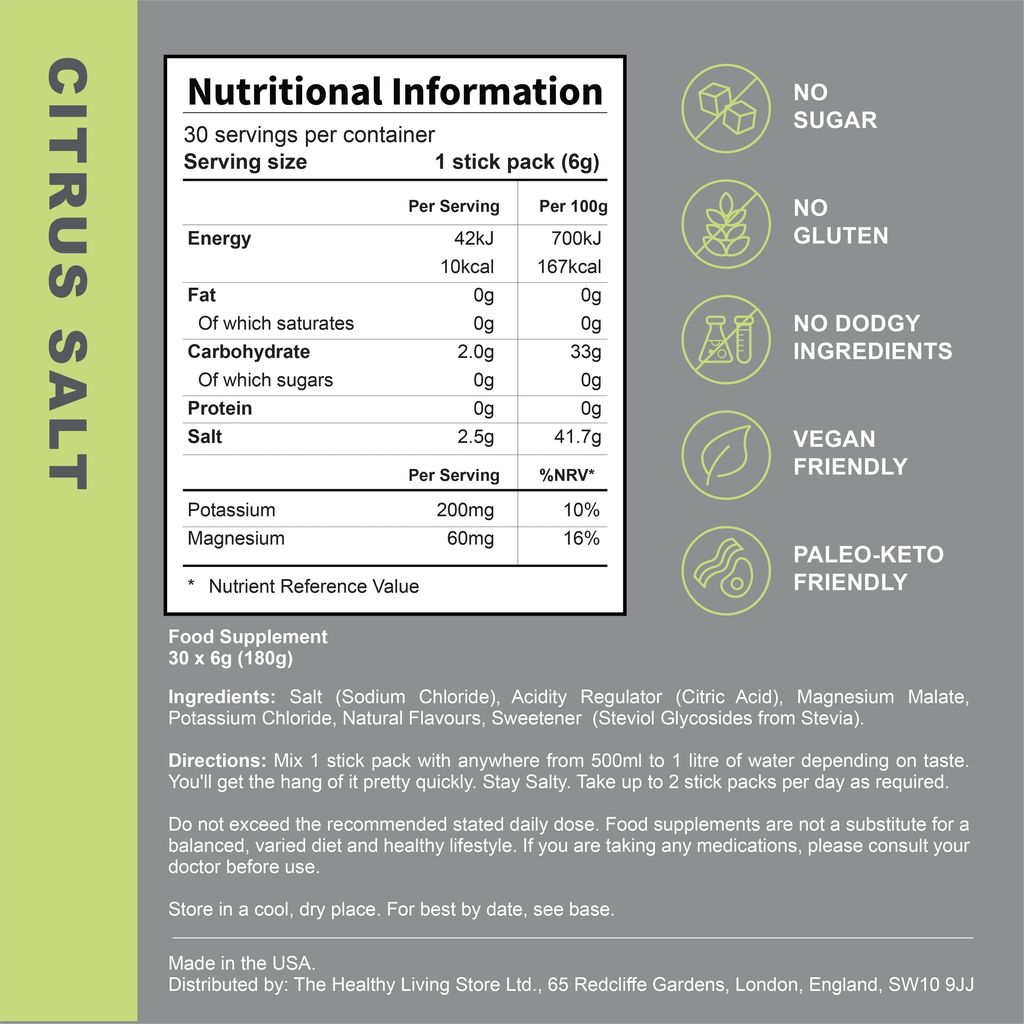
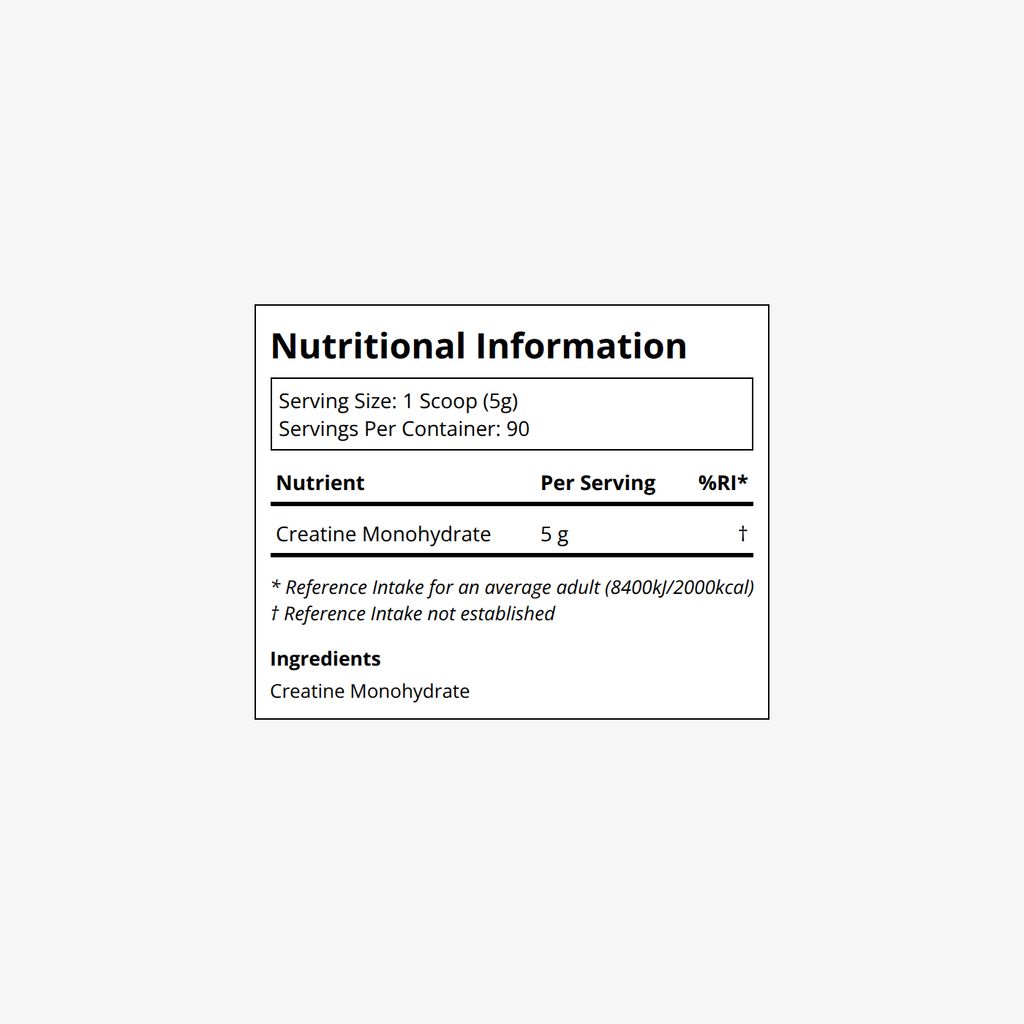
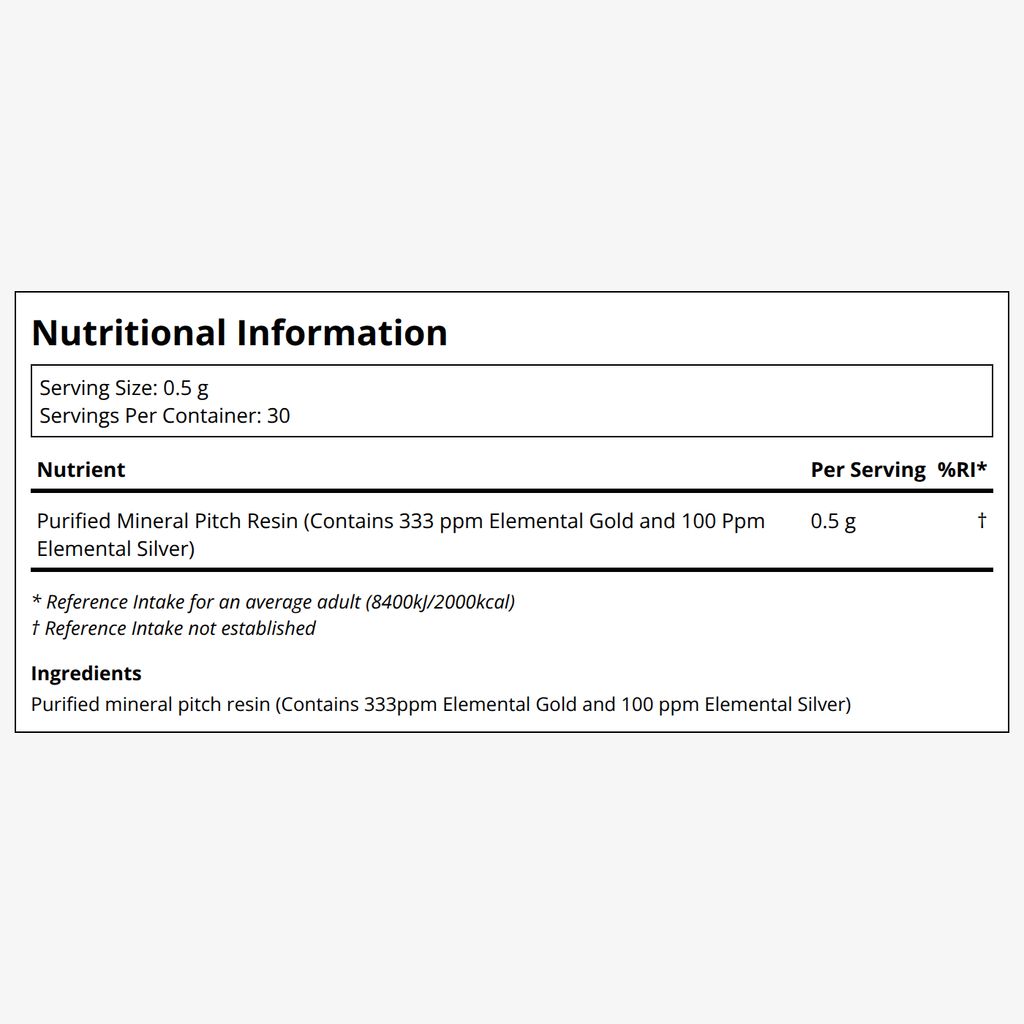
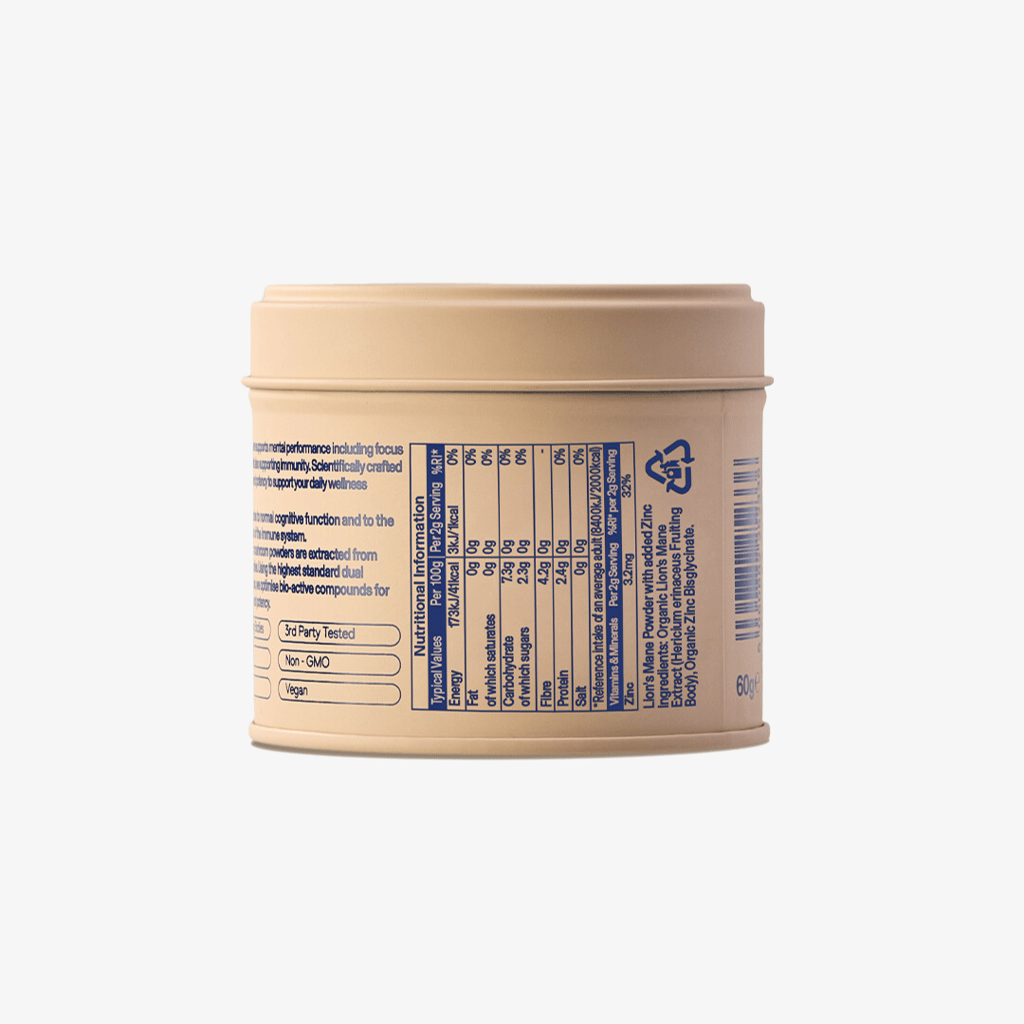
Jamie’s Healf favourites
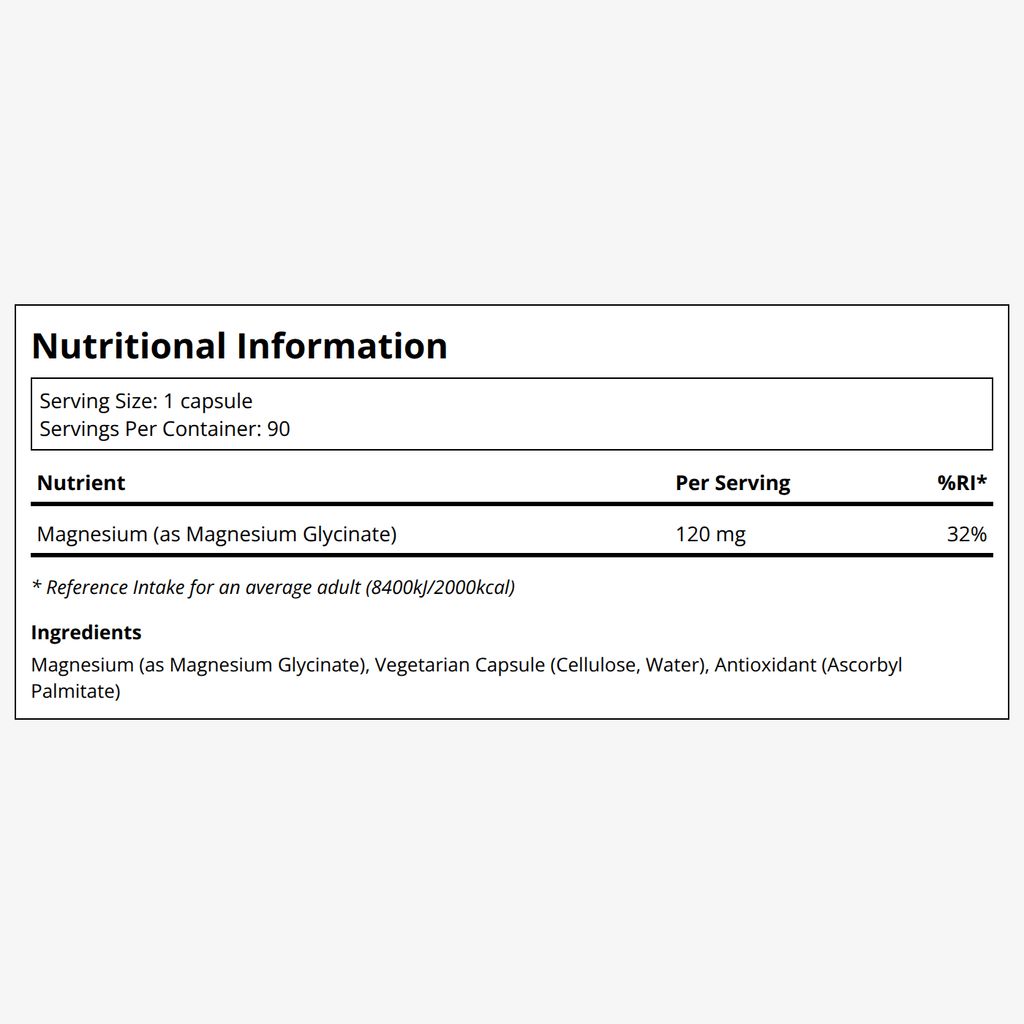
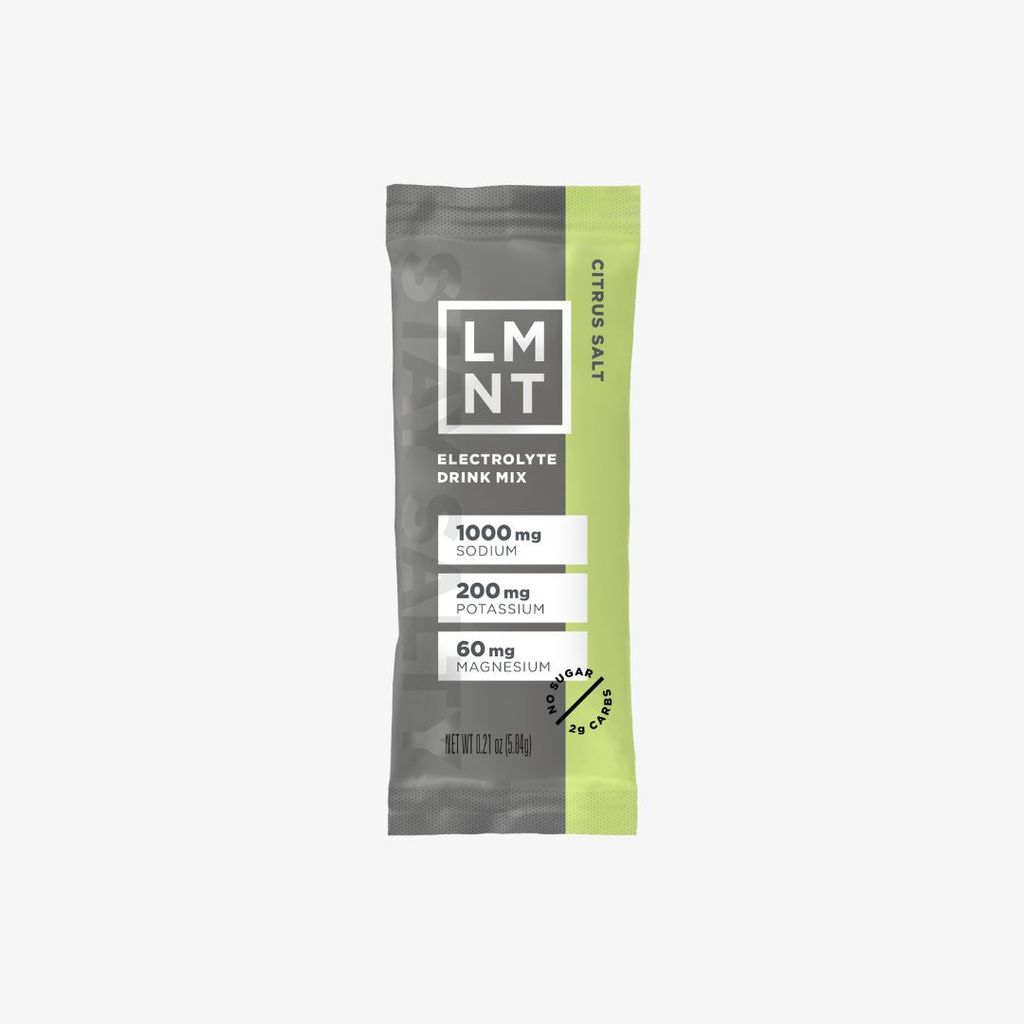
If you're looking to deepen your practice or explore tools that support nervous system regulation, emotional processing and everyday calm, you can find Jamie’s curated collection of breathwork essentials and recommended wellbeing products here.







More about Jamie
Jamie is a breathwork specialist and founder of The Breath Space. He has worked alongside top entrepreneurs, politicians, athletes and many more, to share the life changing potential of breathwork and altered states of consciousness. After discovering first-hand just how impactful breathwork can be, Jamie strongly believes that breathwork is the most universal and powerful tool that we all have access to change our minds and live healthier, happier lives. Jamie is trained in a variety of breathwork modalities and tailors this to his clients and groups accordingly. Whether it's performance breathwork for athletes, therapeutic breathwork for healing or simple breathing techniques for nervous system regulation, the power of breathwork can support us all.


This article is for informational purposes only, even if and regardless of whether it features the advice of physicians and medical practitioners. This article is not, nor is it intended to be, a substitute for professional medical advice, diagnosis, or treatment and should never be relied upon for specific medical advice. The views expressed in this article are the views of the expert and do not necessarily represent the views of Healf