









_Madeline_Spanier_Photos_ID7424.jpg)
Want To Reach Peak 'Flow State'? Here's What You Need To Know
The near-transcendental state is available to all of us, anywhere, anytime. Here's what happens in your brain.
-2.jpg)
Written by: Rachael Akhidenor
Written on: 21 April 2026
You know that feeling — that elusive, joyful state of being — that arises when you’re entirely immersed in an activity you love. Time stops, your inner voice goes quiet, and you’re all breath and movement and presence. Maybe you’ve felt it when you’ve been on a run, or during a yoga class. Maybe it was a moment during a creative project, or at work, when the hours just fell away.
It’s an almost transcendental state, one that feels like it should only be achievable through hours of meditation or psychedelics. In reality, this is your brain in ‘flow state’, a mental state that is available to all of us, anywhere, anytime — provided the conditions align.
Its reputation often precedes it. When you’re in flow state, productivity can increase by 500%. Creativity peaks. So, too, does our learning speed, with some reporting suggesting increases of 50 to over 200%. Even Hungarian psychologist Mihály Csíkszentmihályi, who coined the term, has described it as “the secret to happiness”.
Clearly, flow is powerful. But what exactly is it, what’s happening in the brain, and how can we more easily tap into it in our daily lives?
What is flow state?
Flow state is a psychological state where you are entirely absorbed in what you’re doing, and everything else seems to fade away. It’s probably easiest for us to recognise we’re in it when we get the distinct feeling that time and space have disappeared, and the activity at hand feels practically effortless.
“It’s really a state of optimal performance, [where] your attention just holds and holds,” says Julia F. Christensen, PhD, neuroscientist and author of The Pathway To Flow. “You have this delightful feeling of knowing exactly what you're doing and what you should do next. You're just hovering in the now.”
What happens in the brain?
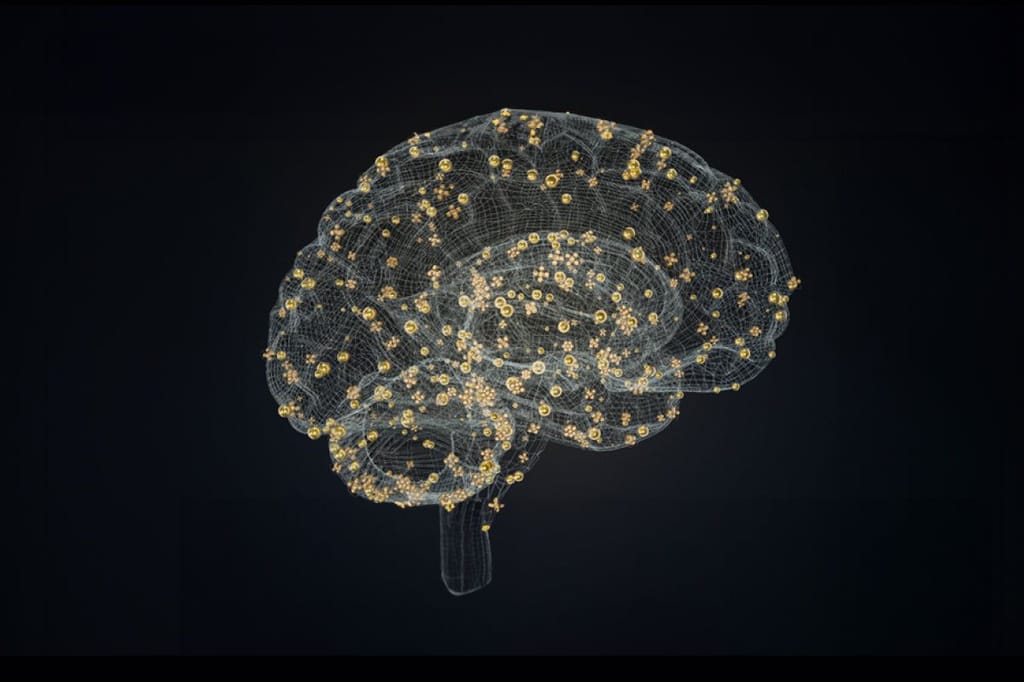
When we’re in flow, we’re engaged in a challenging, yet rewarding, activity. The brain detects this, and reallocates resources for peak performance: down-regulating non-essential functions to ensure energy is prioritised for the activity at hand. This causes the prefrontal cortex (the region responsible for self-criticism, rumination and time awareness) to temporarily quiet, a state neuroscientists call 'transient hypofrontality'. In essence, your brain redirects resources away from the prefrontal cortex to instead support motor and sensory functions.
Simultaneously, the brain releases a cascade of neurochemicals, including dopamine, serotonin, norepinephrine, anandamide and endorphins. This cocktail of hormones sharpens attention, masks pain, and enhances efficiency and enjoyment. In effect, we become immersed in a state of both effort and ease. This is why we feel so good when we emerge from flow, says Christensen. Yes, we may be tired, but there are often feelings of contentment and pleasure that come along with that exhaustion.
What conditions make flow more likely
Our brains naturally enter this blissful, hyper-focused state under the right conditions. First, we need to be doing something that’s both engaging and challenging, but not too difficult or complex. “It's like you're hovering on that sweet spot where your skills and the challenge of the activity that you're doing are in perfect balance,” Christensen notes.
This balance — of the challenge matching our skillset — is paramount. We don’t need to be a master at what we’re doing, but we do need to be skilled enough that it prevents our brain from slipping into rumination.
Then there’s repetition. Engaging in something repeatedly allows the mind to enter into a space where action becomes intuitive, or, as Christensen describes, allows the brain to enter into “more intuitive neural activation patterns.” Routine lets the mind quiet, almost like the thinking brain can finally surrender. This is why flow is so often synonymous with mastering a skill — artists in their craft, tennis players on the court, chefs in the kitchen.
There are also preconditions to flow: the less mental noise we carry, the more easily we can drop into the state. Engaging in activities that support regular decompression and enjoyment, like exercise and socialising, are encouraged.
How to remove distractions and allow for flow
Given this state is one of presence and engagement, it’s no surprise that distractions and multitasking are direct blocks to reaching peak flow. So, too is perfectionism, a trait that keeps the mind looping. “I tell clients, flow is not found in chaos. It grows in clarity,” says Sarah Boss, psychiatrist and psychotherapist.
While these days it can be difficult to ignore the ping of a message or the whir of an email, protecting deep work time is paramount. Treating our attention as a resource, and training it like a skill, is something Dr. Boss recommends. “Do one thing at a time․ Start small․ Take it an increment [by increment]. Treat it with respect and your ability to experience flow grows․”
Small habits that help you reach flow faster
In practice, flow is supported by cues. These are small, repeated rituals that help the mind drop into flow more easily, as it associates the cue with the feeling. Examples include:
- Putting on a specific playlist or type of music
- Training at the same time of the day
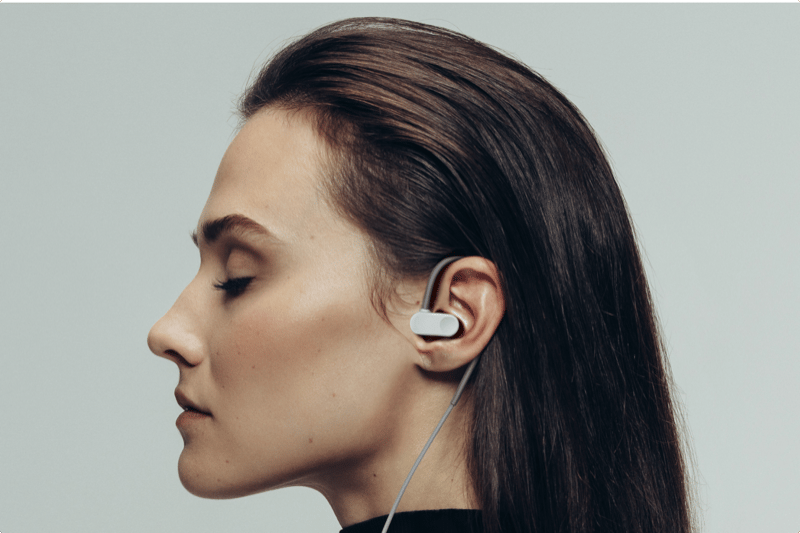
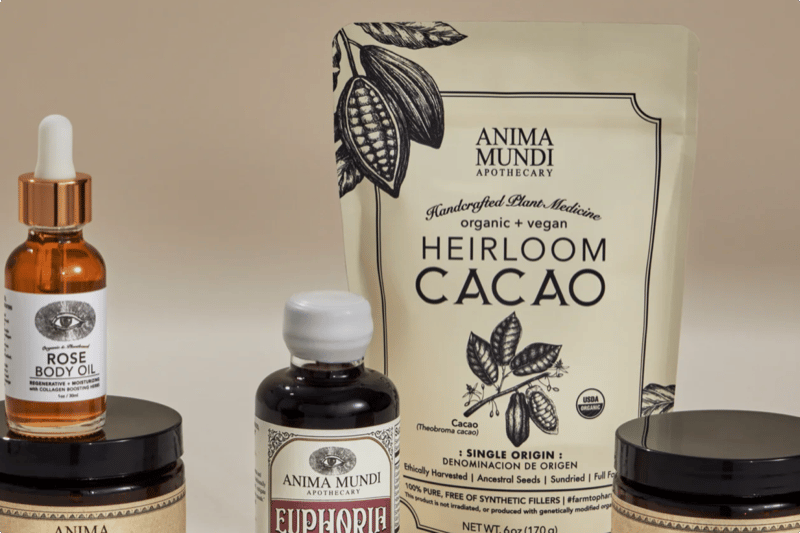
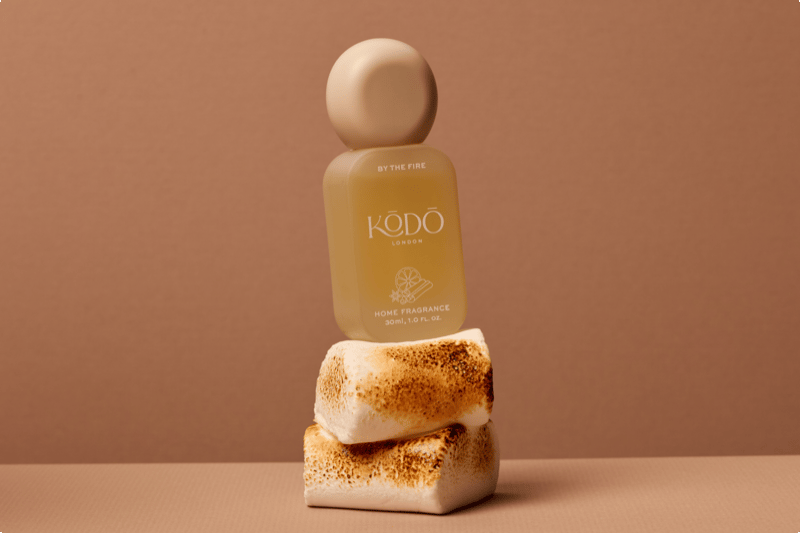
- Wearing a specific fragrance or lighting a candle
- Taking a deep breath before beginning a task
- Having a clean, clear workspace
They’re simple, and intentionally so. As Dr. Boss notes, “focus feels like effort. But flow feels like ease.”


This article is for informational purposes only, even if and regardless of whether it features the advice of physicians and medical practitioners. This article is not, nor is it intended to be, a substitute for professional medical advice, diagnosis, or treatment and should never be relied upon for specific medical advice. The views expressed in this article are the views of the expert and do not necessarily represent the views of Healf
Rachael Akhidenor is a London-based writer and consultant working at the intersection of culture and commerce - shaping brand and creative with impact.